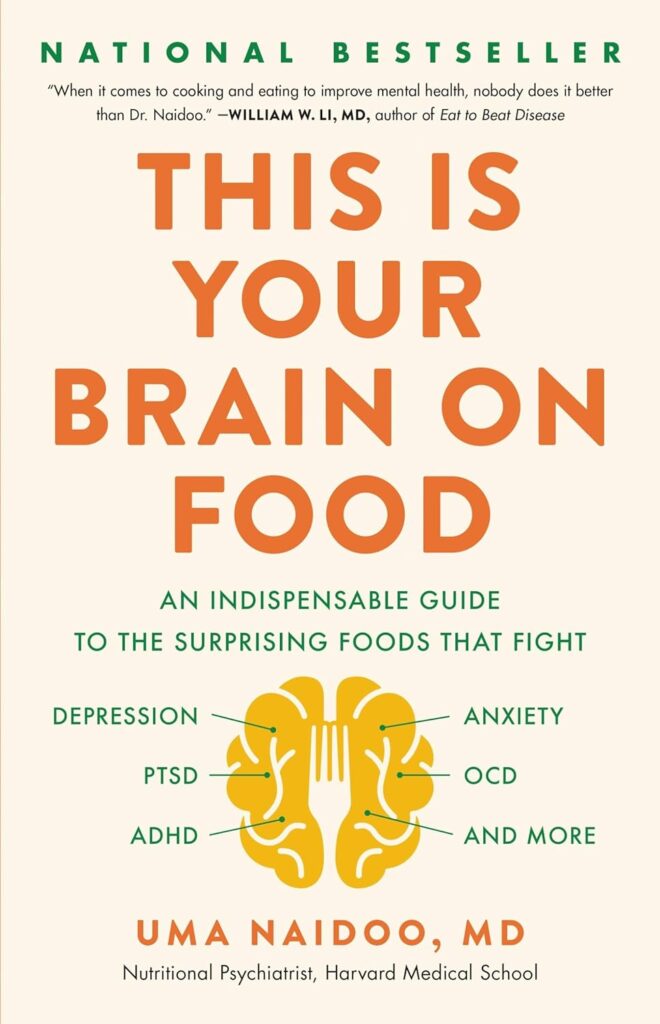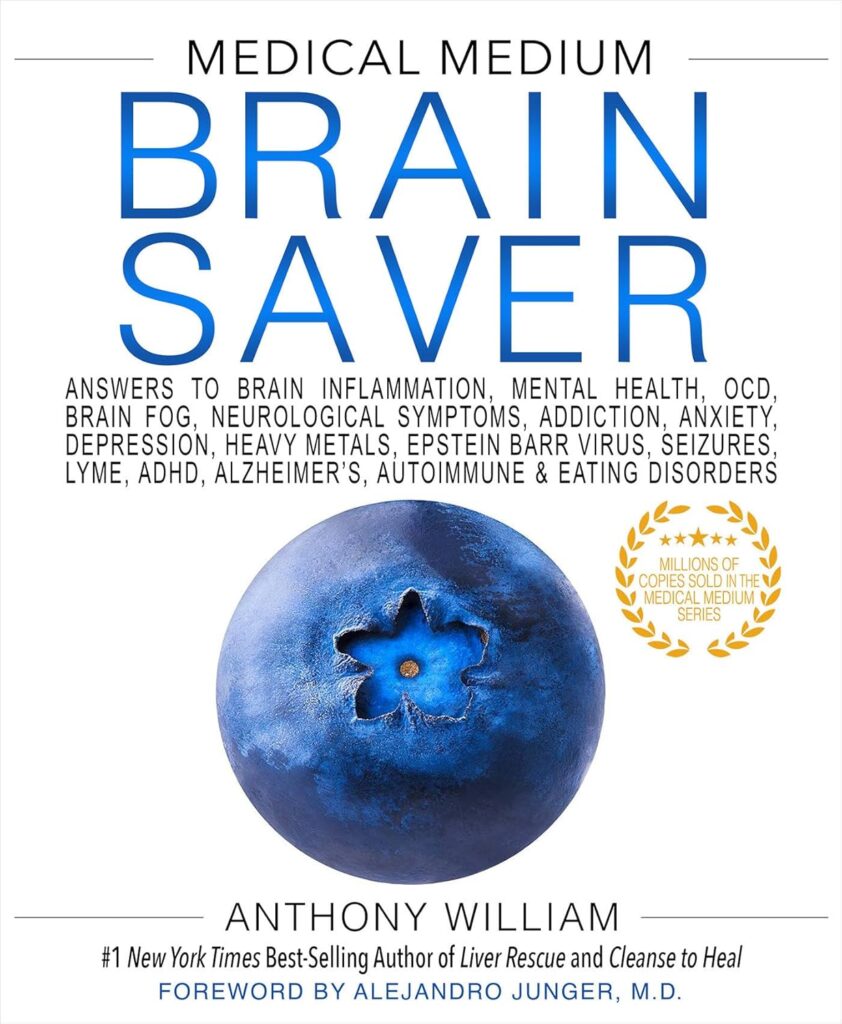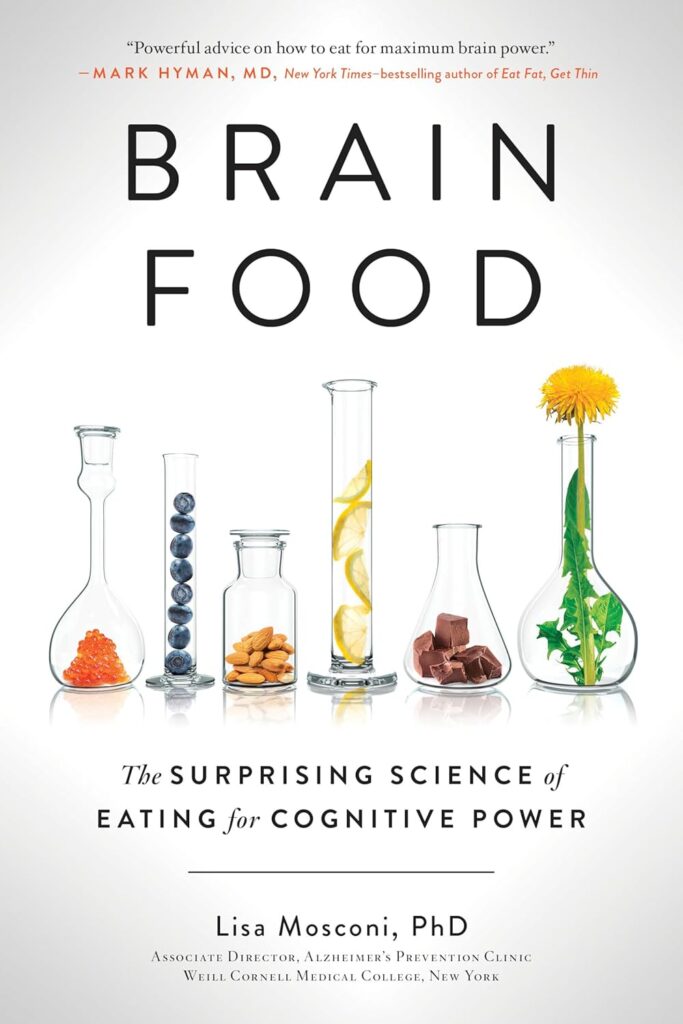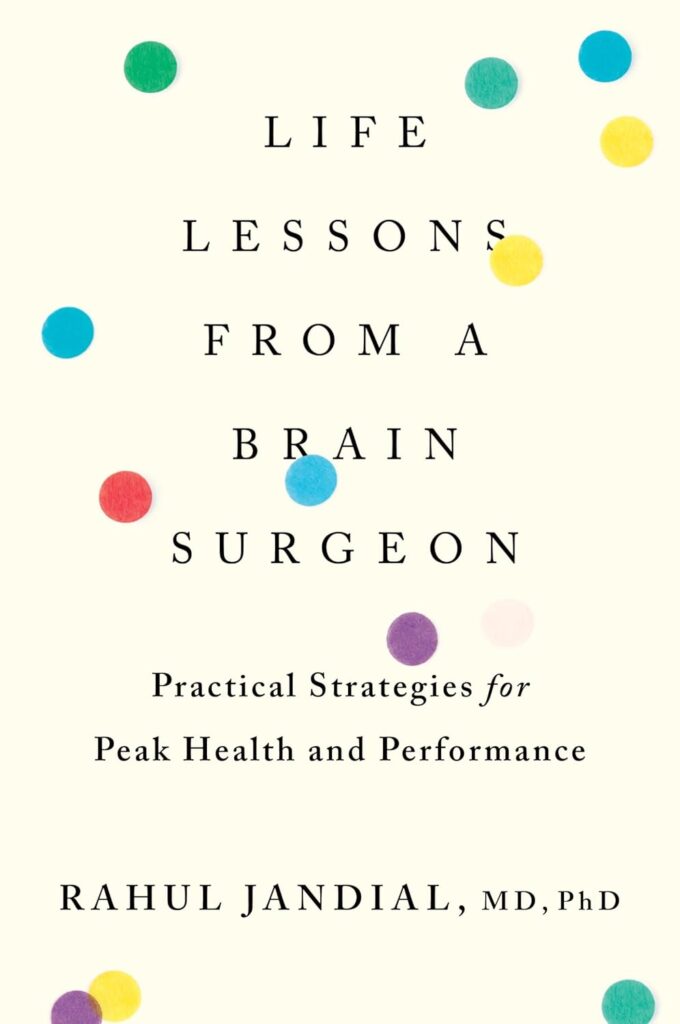






You know the morning you want. You walk into the meeting already clear. The question makes sense the first time. You learn the new step without rereading it four times. In the afternoon you stay patient with a colleague, a child, or your own work. That kind of mind is built from ordinary inputs: a full night of sleep, some movement, daylight, and a few nutrients your brain can actually use. Attention, working memory, and mood rise and fall with those basics. When they are in place, you can return to the task in front of you. Cognitive performance is this everyday skill. It is your ability to hold a thought, find a memory, and choose a response you still respect an hour later. The steps below show how to support that ability with habits you can start this week.
What a clear mind gives you during the day
A clear mind changes the texture of work. You start the task you have been avoiding because the first step is obvious. You remember what was said in the morning meeting. You switch from one job to the next without losing ten minutes to friction. Patience lasts longer, which matters at home as much as at a desk. People around you feel the difference when you are steady. Over the years, this same clarity protects independence. You manage money, medicine, travel, and relationships with less strain when memory and attention still show up for you.
There is also a quieter gift. Learning gets faster. A book, a language, a new piece of software, or a recipe all ask your working memory to hold several pieces at once. When sleep and energy are solid, those pieces stay available. You close the day with something finished, and your mood stays even enough to enjoy the evening.
How sleep, movement, light, and breath shape your focus
Sleep is the first teacher. During the night your brain files the day, restores attention, and resets the emotional volume. A short night often shows up as distractibility, a shorter fuse, and a memory that drops names. If focus is the goal, start with the sleep quality pillar and treat bedtime as part of your mental work. Many people notice that one week of regular nights does more for afternoon concentration than any new trick.
Movement is next. A brisk walk, a few rounds of strength work, or a set of stairs raises blood flow to the brain and leaves you more alert afterward. The muscular fitness pillar is relevant here even if you care more about meetings than muscle size. Stronger muscles and a regular training habit support glucose control and mood, and both of those feed a stable mind. You do not need a long workout to think better today. Twenty to forty minutes of purposeful movement, most days, is a strong dose for attention.
Daylight sets the clock that makes daytime feel like daytime. Get outside early, the way Andrew Huberman often recommends, so your brain gets a bright morning signal. That signal supports alertness now and better sleep later, which is the loop you want. Dim the house in the last hour before bed so the loop can close.
Breath is a faster lever when you are already scattered. Slow nasal breathing, with a slightly longer exhale, tells your body that the moment is safe enough to think. The breathing and cardiovascular health pillar explains why this shows up in heart rhythm and calm. A simple breath work practice of five minutes before a hard task can be enough. Use it before the meeting, before study, or when patience is thinning in the late afternoon.
How to focus better during the week
Choose one work block in the morning, while your mind is fresh. Protect thirty to ninety minutes. Put the phone in another room. Write the single outcome for that block on a slip of paper. When attention drifts, return to the outcome. This is a skill. It improves with repeats the way strength improves with repeats.
Use light and movement as switches. If the afternoon fade hits, go outside for ten minutes or walk while you think through the next step. Then sit back down for a shorter block. Caffeine can help early in the day. Keep it earlier so it does not steal the sleep that tomorrow’s focus depends on. A glass of water and a real lunch, with protein and something colorful, keep energy from crashing.
Train the mind in small formal ways if you enjoy it. Cognitive apps can be a short daily practice for memory and processing speed. Treat them as practice, the way you would treat a musical scale. They help most when sleep and movement are already in place. Five to fifteen minutes is plenty. Stop while the session still feels clean.
Nutrients and tools that support mental clarity
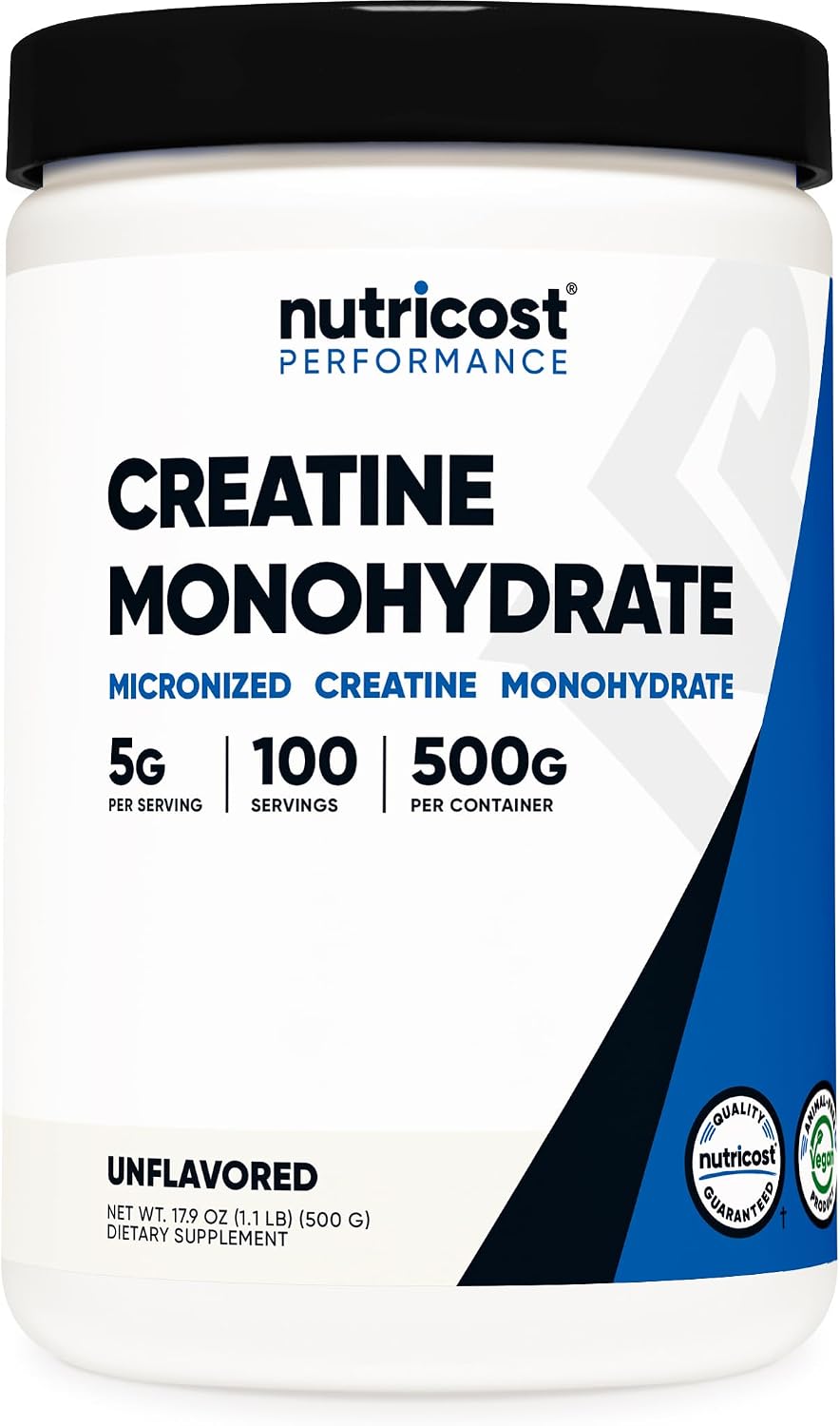
Creatine is widely known for strength, and it also supports the brain’s energy supply. Your brain uses a lot of fuel for attention and working memory. Creatine helps recycle that fuel so demanding thinking has a backup. A daily serving of creatine monohydrate, taken consistently, is the form most people use. The creatine page explains a simple approach with the powder many readers start with, and you can order it on Amazon. Drink water through the day. If you have kidney disease, talk with your clinician first.
Omega-3 fats, especially those from fish oil, are structural fats in the brain. They support the outer layer of brain cells, which many people feel as steadier mood and clearer thought. The omega-3 page reviews a common fish oil option you can also find on Amazon. Take it with a meal that contains some fat. Give it several weeks. Fats like these are a slow build, and the benefit is cumulative.
Magnesium glycinate supports relaxation of muscle and of a busy stress response. A mind that cannot downshift at night loses clarity the next day, so this mineral often helps cognition by helping sleep. Read the magnesium glycinate notes and compare the product on Amazon if you want to try an evening dose. It pairs naturally with the supplementation guide, which suggests changing one thing at a time.
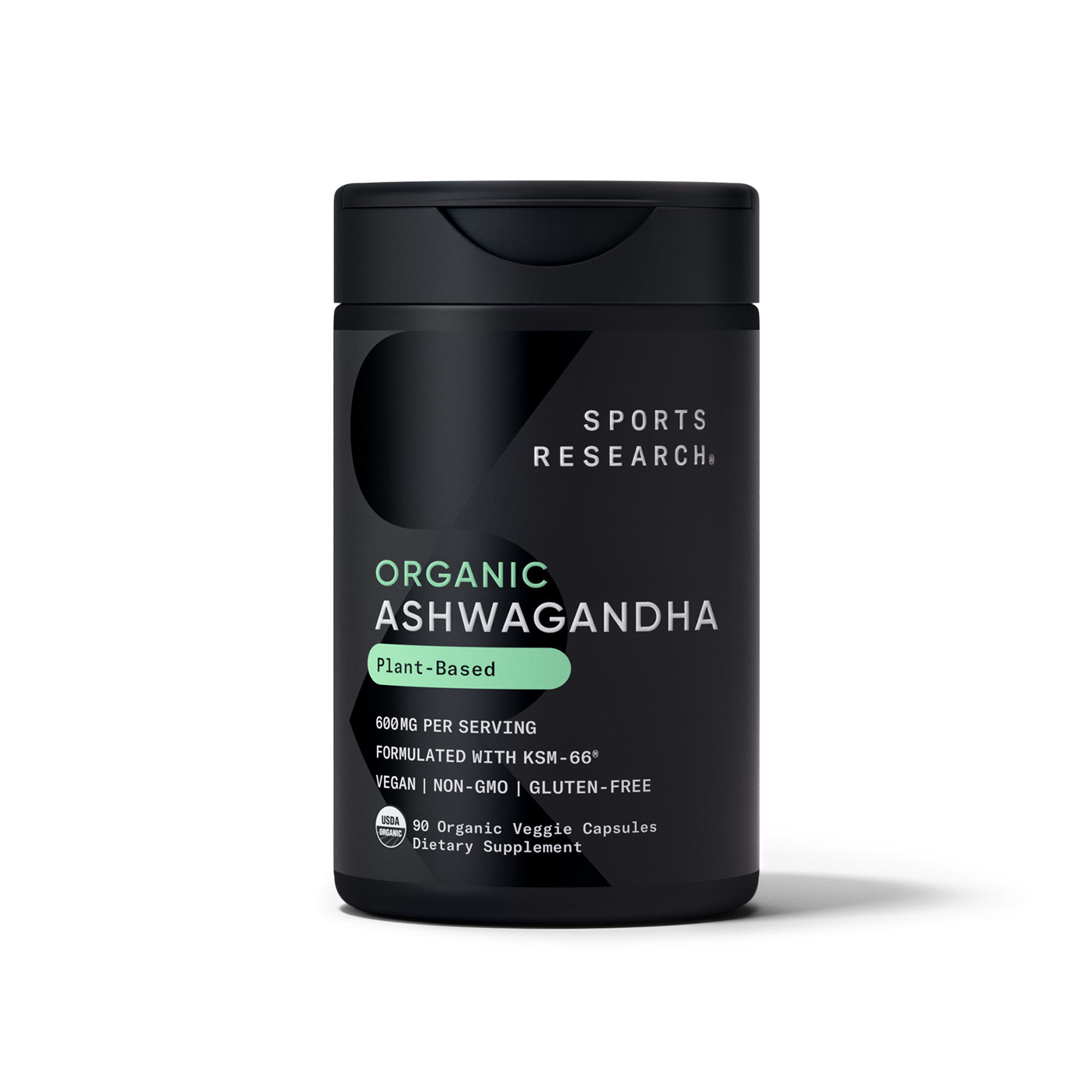
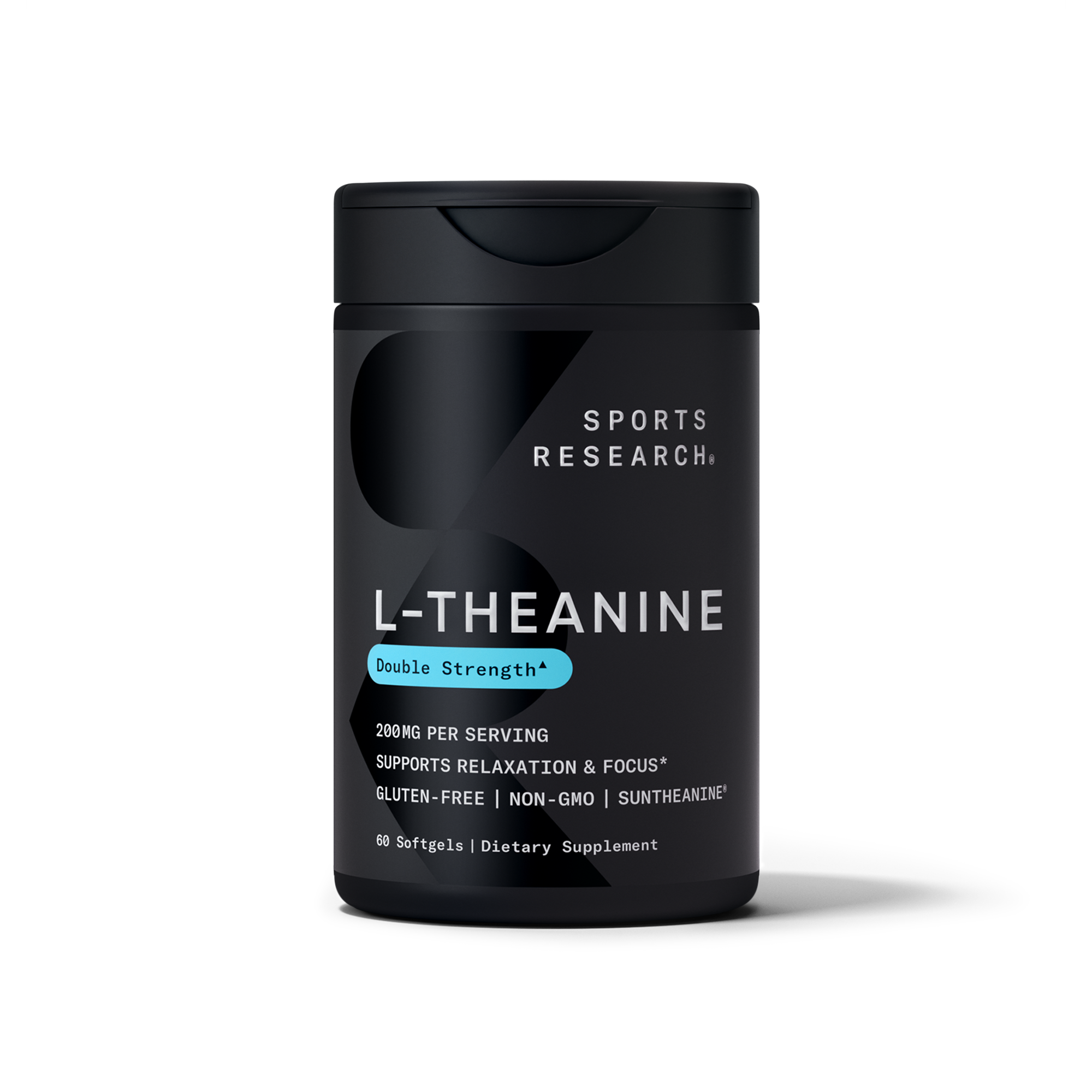
L-theanine is an amino acid found in tea. It can take the jittery edge off caffeine and promote a calm, alert state in the afternoon. Many people use it when they want focus with less tension. The L-theanine page describes a typical capsule, and the same product is on Amazon. Ashwagandha may help when stress is loud enough to crowd out memory and patience. The ashwagandha page covers KSM-66, an extract used in the evening or earlier in the day depending on how it feels for you. Skip it during pregnancy and check with a clinician if you take thyroid medicine.
A tool can make the calm easier to find. The Muse 2 is a headband used during quiet meditation. It plays gentle audio cues as your attention wanders and as it settles. You can review the Muse 2 on Amazon if you want the device details. Short sessions pair well with the neurofeedback approach, which explains how this kind of practice fits into a week. Use it as a teacher for attention. Five or ten quiet minutes before demanding work is a practical dose.
Stacks of unfamiliar nootropics deserve a clinician. Combining several stimulating compounds can disturb sleep, mood, and blood pressure in ways that are hard to untangle alone. If you want to read further, the nootropics guide walks through the landscape in calm language and points back to fundamentals. Sleep, movement, light, creatine, omega-3 fats, magnesium, and a simple theanine habit cover a great deal of what people hope a stack will do.
How a clear mind supports your health and your years ahead
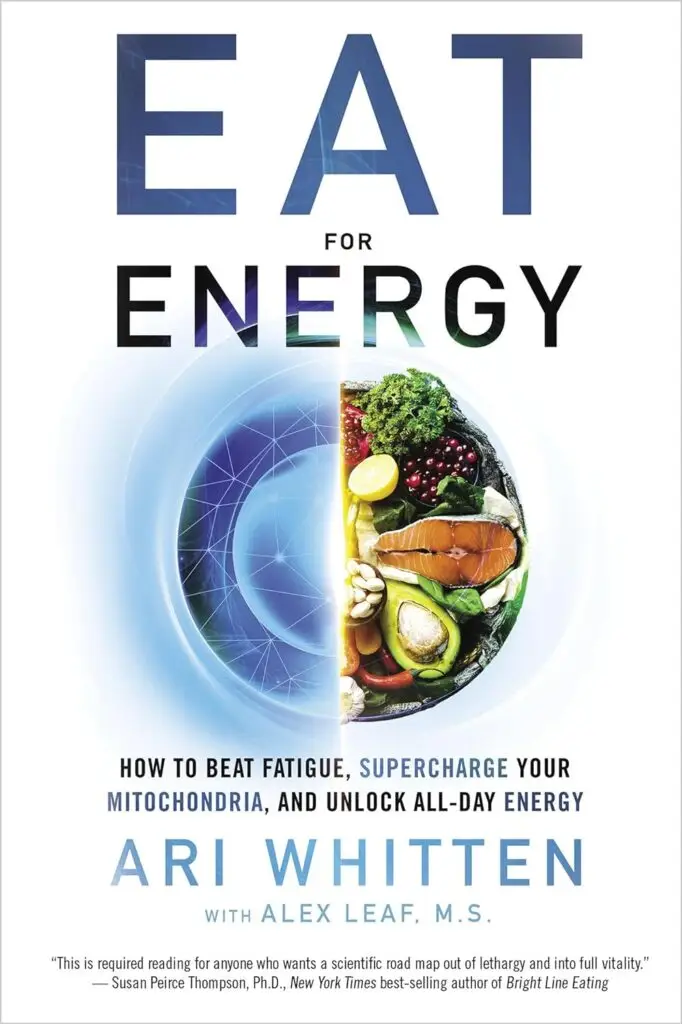
Focus is a health behavior. The same week that improves your attention often improves your training, because you show up and you recover. It improves relationships, because you can listen to the end of a sentence. It improves safety, because you notice the step, the car, and the detail in a conversation with a doctor. Ari Whitten‘s teaching on energy belongs in this picture. A brain with enough cellular energy is a brain that can stay with hard things and still have something left for the people you love. Protect that capacity and you protect years of independence: handling your own affairs, learning new skills at sixty and seventy, and staying patient with a full life.
A book and a teacher for a changing brain
Norman Doidge’s book The Brain That Changes Itself is a patient introduction to the idea that practice reshapes the brain through adult life. You do not need to become a specialist to use the lesson. Repeated attention, movement, and learning leave traces. That is why the small daily block matters more than a perfect morning. If you want a teacher who ties this back to energy you can feel, spend time with Ari Whitten. His work keeps returning to sleep, light, food, and the cellular systems that make mental stamina possible. Read a chapter. Then go for the walk and protect the bedtime. The book will still be there tomorrow, and your mind will be readier for it.
Common questions about focus and memory
Why is my focus worse in the afternoon?
Afternoons fade when sleep was short, lunch was mostly starch, or you have been seated under dim light since morning. Take a ten-minute outdoor walk, drink water, and do one shorter work block after you return. If the slump is new and severe, or it comes with chest pain, fainting, or a sudden change in speech, seek medical care. For the ordinary slump, light and movement are the first fix.
Does creatine really help you think?
Creatine supports the energy system that brain cells use during demanding mental work. People who eat little meat, sleep well, and take it daily are the ones most likely to notice a difference in demanding tasks. It is a slow, plain supplement. It works best beside sleep and training, and it is wise to check with a clinician if your kidneys are a concern.
Can breath work replace sleep?
Breath work can steady you in the moment and make the next hour more usable. It cannot repay a short night. Use the five calm minutes as a bridge into focus, then protect bedtime so tomorrow is easier. A longer exhale is a useful tool before a meeting. Sleep remains the foundation under memory and mood. The two practices belong together.
Should I start a nootropic stack?
A single well-known nutrient is a clearer experiment than a stack of unfamiliar compounds. Stacks can disturb sleep and mood, and a clinician should look them over with you before you combine several at once. Read the nootropics guide if you want the wider map. Then return to sleep, daylight, movement, and one product you can actually evaluate.