Omega-3s are a family of fats. Fish-oil supplements commonly provide EPA and DHA, while algae-derived products offer another source. Plant foods such as flaxseed supply ALA, which has a different role in the comparison. A single “omega-3” number can hide these distinctions.
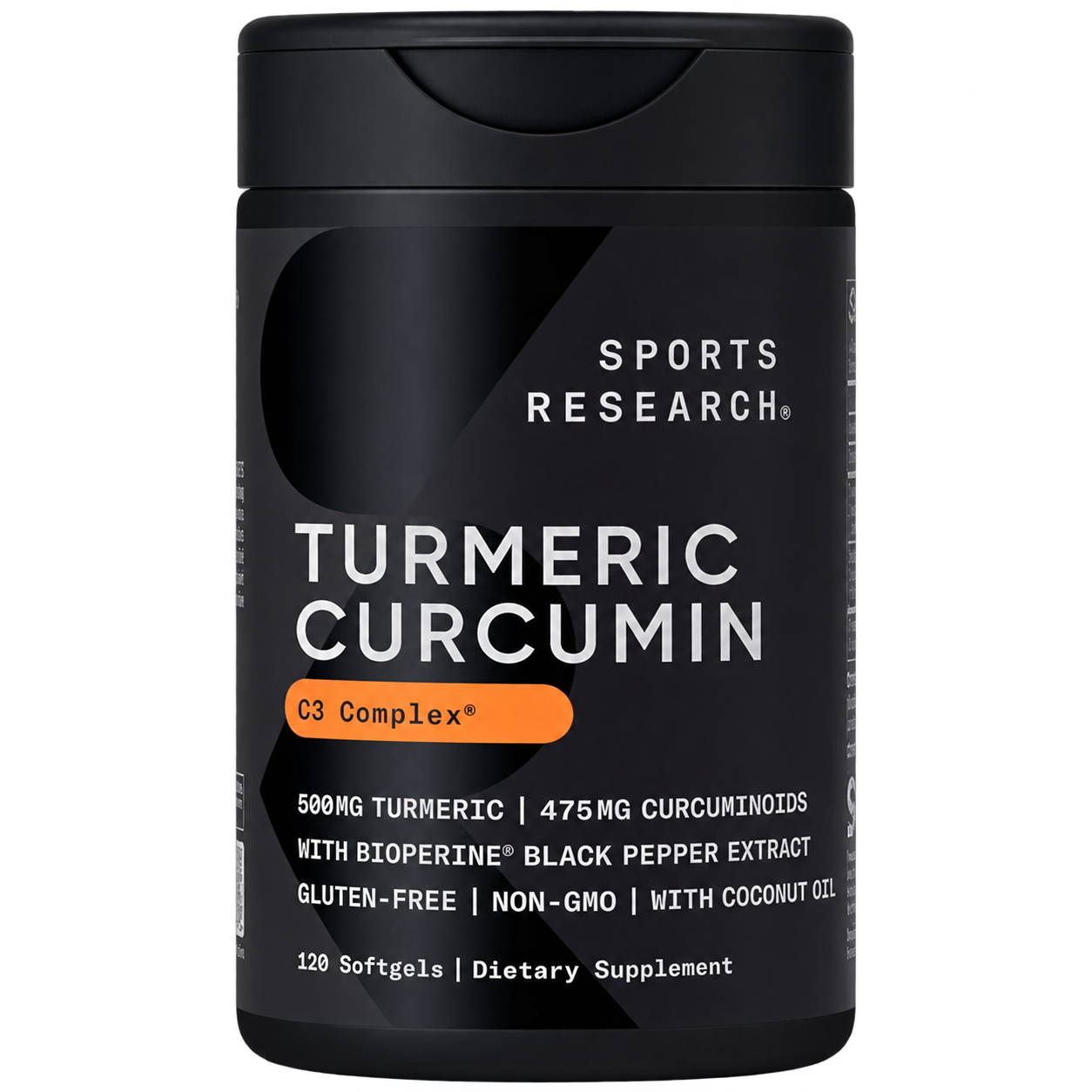
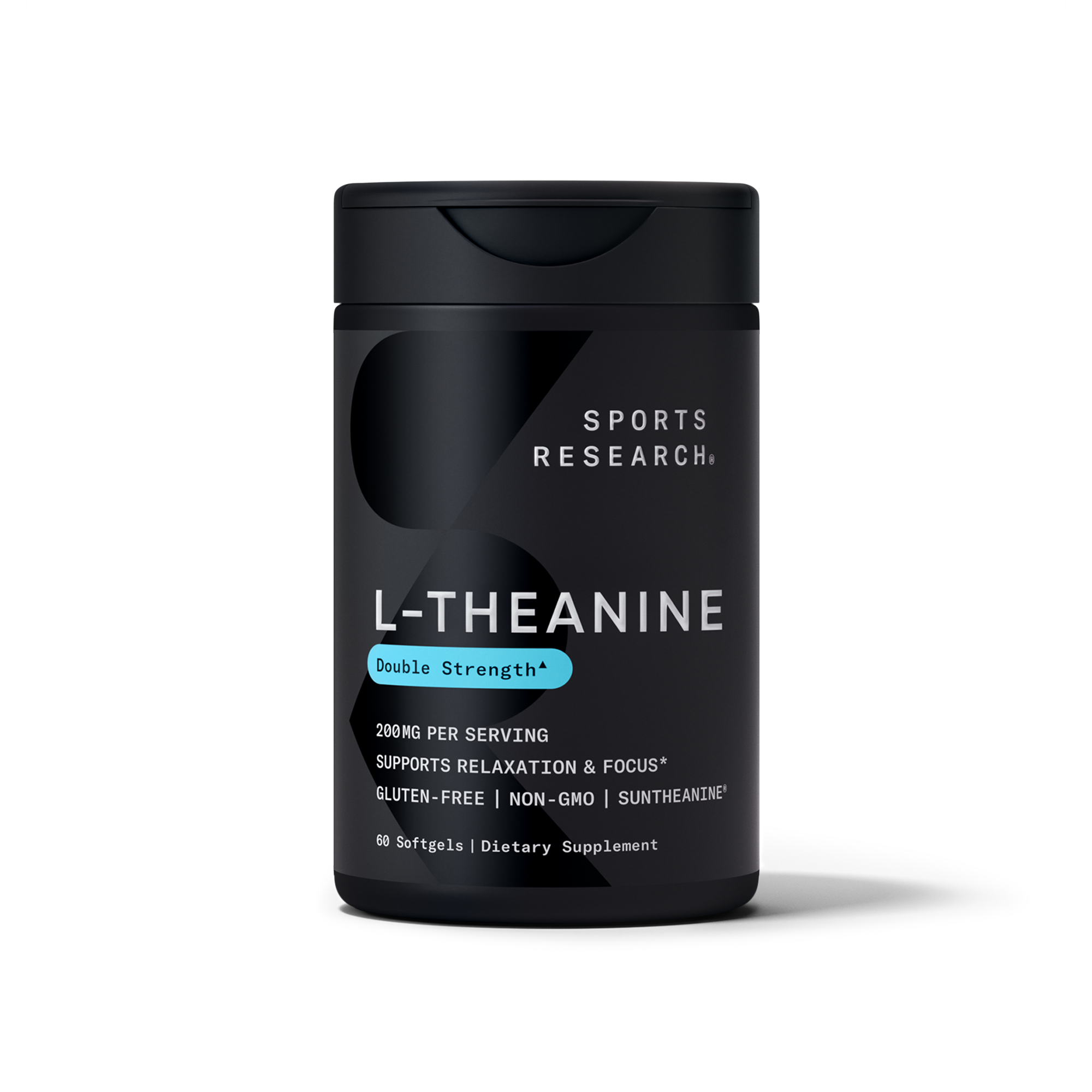
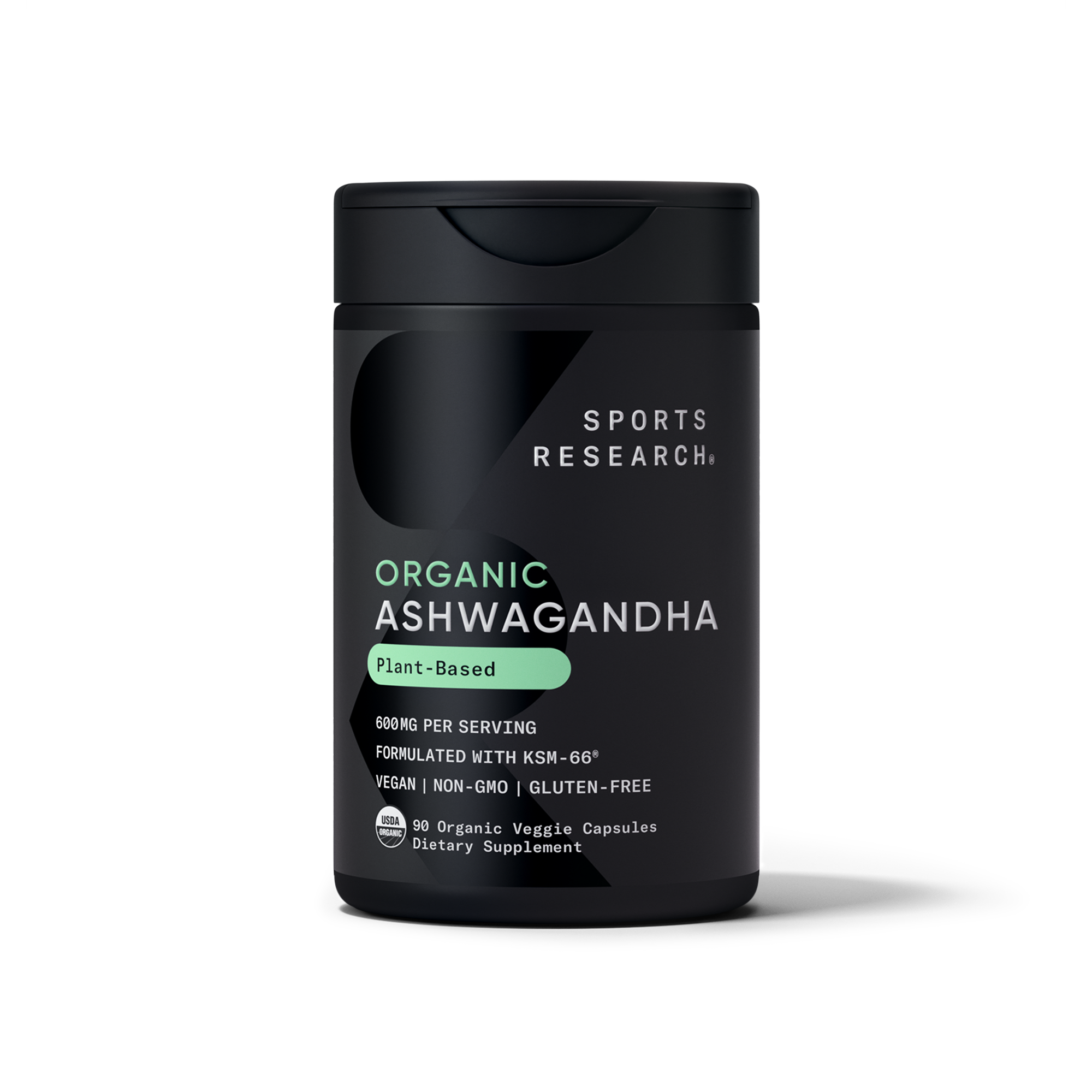
For the Sports Research product shown here, the useful starting point is the amount of EPA and DHA in the current serving. The total weight of fish oil includes other components and should not be treated as an equivalent amount of these two fats.
Who might consider an omega-3 supplement?
Begin with your diet and the purpose of the supplement. Someone who rarely eats fish may have a different question from someone being treated for high triglycerides. Evidence about eating seafood, taking a retail fish-oil capsule and using a prescription product should be kept distinct.
The NIH overview describes these differences and the mixed findings across health outcomes. Routine supplementation is not a guarantee against cardiovascular disease, and a retail product should not replace prescribed treatment.
How to compare EPA and DHA on the label
Find the stated serving size and add the EPA and DHA amounts if you want to compare their combined total. Then calculate how many servings the bottle contains. Check whether the amounts refer to one softgel or several.
This makes comparisons more meaningful than looking at a large front-label fish-oil number. Also inspect the source, allergens, capsule ingredients and storage instructions. An algae-derived option may better fit a vegetarian preference, while formulations vary in which omega-3s they supply.
Does the oil form or certification matter?
Manufacturers may describe triglyceride or other oil forms, purification and testing. Those details can be relevant to product characterization, but they do not replace outcome evidence. Ask what an independent test or certification actually checked and whether it applies to the current product.
Practical considerations include capsule size, taste, tolerability and the ability to store the bottle as directed. A concentrated softgel may reduce capsule count, which can matter more to everyday use than a long list of marketing terms.
What should you discuss before taking it?
Tell a clinician about fish-oil use if you take relevant medication, have a bleeding-related condition or are preparing for a procedure. High-dose use deserves specific guidance; more is not automatically more protective.
Review cost against the reason for the purchase. If the aim is improving your overall eating pattern, the nutrition guide can help you consider seafood or other foods alongside supplements. Keep expectations tied to the outcome you are trying to address.
Sources and further reading
Where to find Omega-3
View on AmazonSee the listing, current price and customer reviews on Amazon.
Affiliate link · HTL may earn a commission on purchases.