




A steadier mood, a healthier sex drive, and energy that stays even.
Hormonal and sexual fitness is how that shows up on an ordinary day. You feel like yourself. You want your partner. You keep your strength for stairs, bags, and workouts, and your energy stays even into the late afternoon. This page is for women in midlife and for men who feel flat. Sleep, lifting, body composition, and vitamin D do much of the daily work. Labs and a clinician belong in the plan when symptoms linger or when hormone therapy is a question. Hormone therapy is a medical decision. Habits and labs come into the conversation with a clinician.
What is hormonal and sexual fitness?
It means your mood, your interest in sex, and your physical strength are steady enough for the life you already have. One hormone number cannot describe it. Sleep, muscle, waist size, thyroid function, stress, pain, and medicines all change how you feel. A healthier sex drive is interest returning when you are rested and comfortable in your body. A steadier mood means small frustrations stay small. Women often arrive here in perimenopause. Men often arrive when mornings go dull and desire drops. Both need habits they can repeat, and medical care when the story is bigger than a habit.
How does sleep affect sex drive and mood?
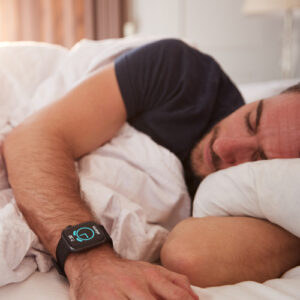
Sleep moves mood, desire, and energy together. A short night makes patience thinner and workouts heavier, and sex is easy to cancel. A long stretch of short nights can leave you irritable or flat, because recovery never finishes. Reproductive hormones follow a daily rhythm, and a broken rhythm often shows up as less interest in sex. The sleep quality guide goes further on how to protect the night.
Most adults do well with a steady schedule and about seven to nine hours in bed. Keep the wake time stable. Get outdoor light early, and keep caffeine in the first half of the day. Notice what nightly alcohol does after midnight. It can make you drowsy and still break the sleep that would have steadied the next afternoon. Snoring, gasping, or sleep that never refreshes should be checked for apnea. Apnea is common in men who feel flat, and it becomes more common for women around menopause. If your sleep is already solid and you still do not feel like yourself, tell a clinician. That fact narrows the search.
Does strength training help hormones and low libido?
You keep your strength by training it. Two to four sessions a week are enough for most people. Squat or sit-to-stand, hinge, push, pull, and carry a load that challenges you. Add weight or reps when the sets get easy. Resistance training and the muscular fitness and strength guide show how to progress without living in the gym. The result you want is a body that still feels capable next year.
Dr. Gabrielle Lyon puts muscle at the center of health because you can feel it in steadier energy, stronger bones, and ordinary tasks. She pairs lifting with enough protein through the day. That fits men who feel flat and women who notice strength slipping in midlife. Dr. Stacy Sims teaches women to lift with real effort, to eat enough around workouts, and to take perimenopause symptoms seriously enough to get care. Mood often lifts on training days. Pain with sex still needs a clinician. If a session wipes you out for two days, shrink it and sleep.
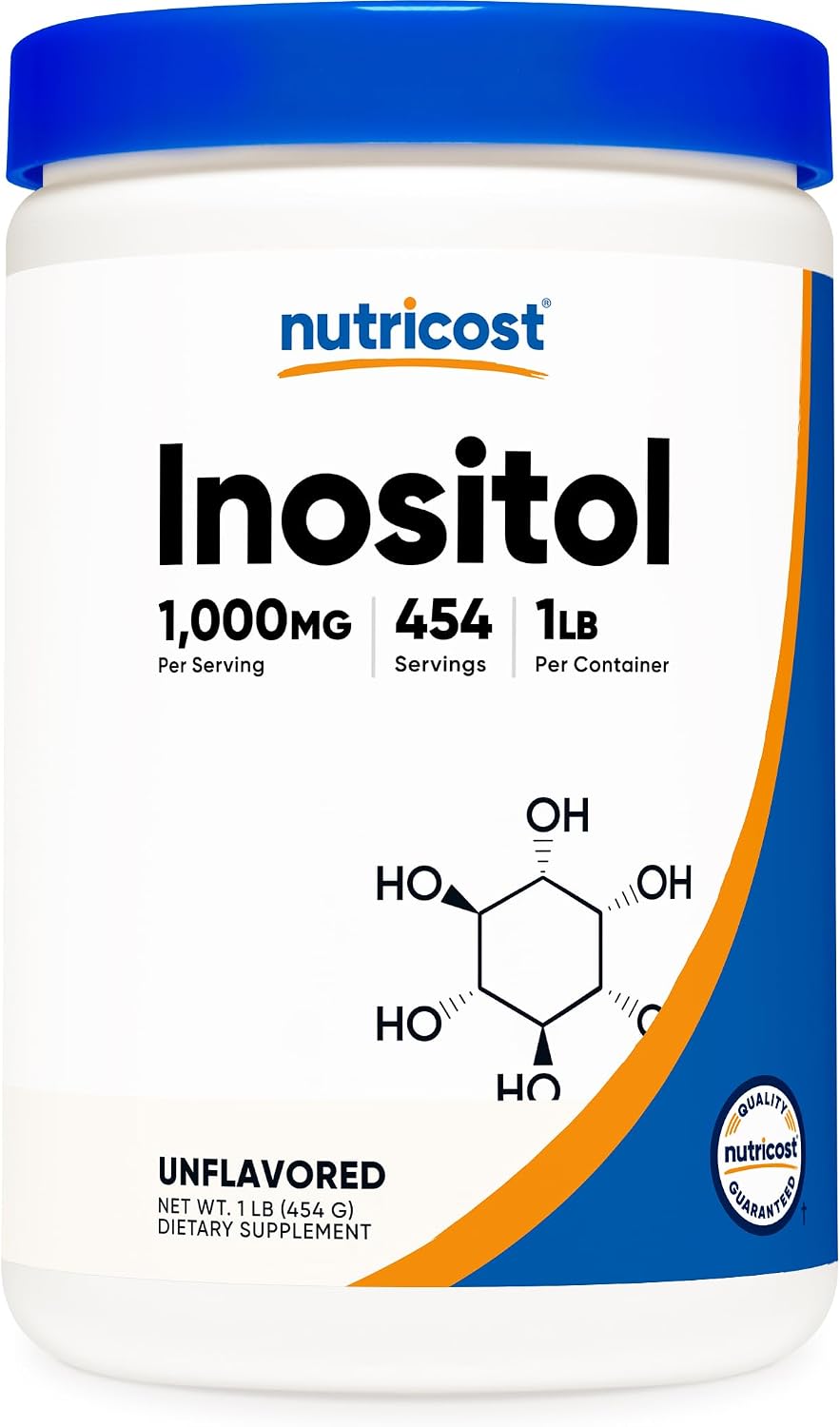
Creatine monohydrate supports that lifting. Nutricost creatine monohydrate is a plain powder used for repeated hard efforts and for holding muscle while you practice. About 3 to 5 grams a day in water is a common maintenance serving, on lifting days and rest days. Men and women both use it. It does not act as a hormone. People with kidney disease should ask a clinician first. You can compare the tub on Amazon.
How does body composition affect hormones in midlife?
Body composition is the muscle you carry and the fat you carry, especially at the waist. More fat around the middle often travels with insulin resistance, uneven energy, a lower sex drive, and a mood that will not lift. In men, that pattern sometimes shows up with a lower testosterone result. In midlife women, fat distribution can shift while estrogen changes and sleep gets lighter.
Walking most days, lifting each week, and eating protein at familiar meals will change this slowly. Very low-calorie diets can worsen desire and training. If eating has ever felt out of control, involve a clinician before you cut intake. Dr. Mary Claire Haver talks with women in menopause about muscle, protein, and symptoms that deserve treatment. Sexual comfort also depends on hip and trunk strength, on walking, and on care for dryness or pain. Pain with sex is a reason to book a visit.
Does vitamin D help mood, energy, and hormones?
Vitamin D acts more like a hormone precursor than a typical vitamin. Low levels are common in winter, with indoor work, in northern places, and in people with darker skin. Low status is linked with a lower mood, and sometimes with aches and fatigue. In men who are clearly deficient, restoring vitamin D has been studied alongside testosterone. The fair reading is modest. Correcting a deficiency is sensible care. It is separate from testosterone treatment, and people who are already in a healthy range should not expect extra pills to move their hormones.
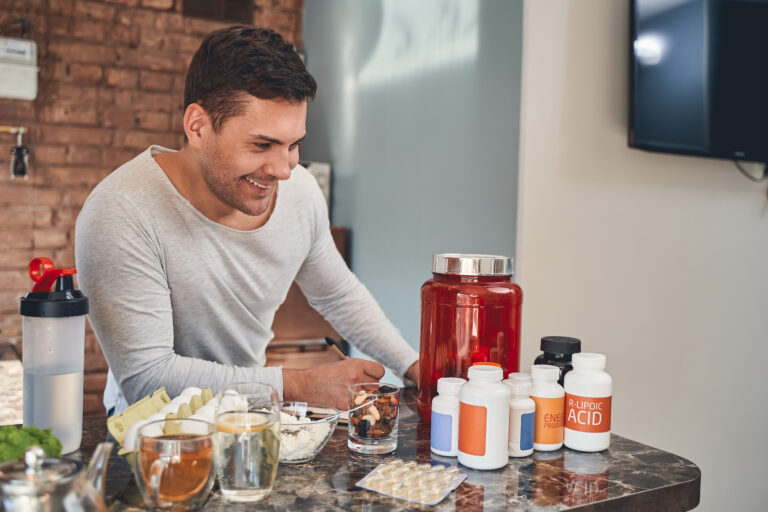
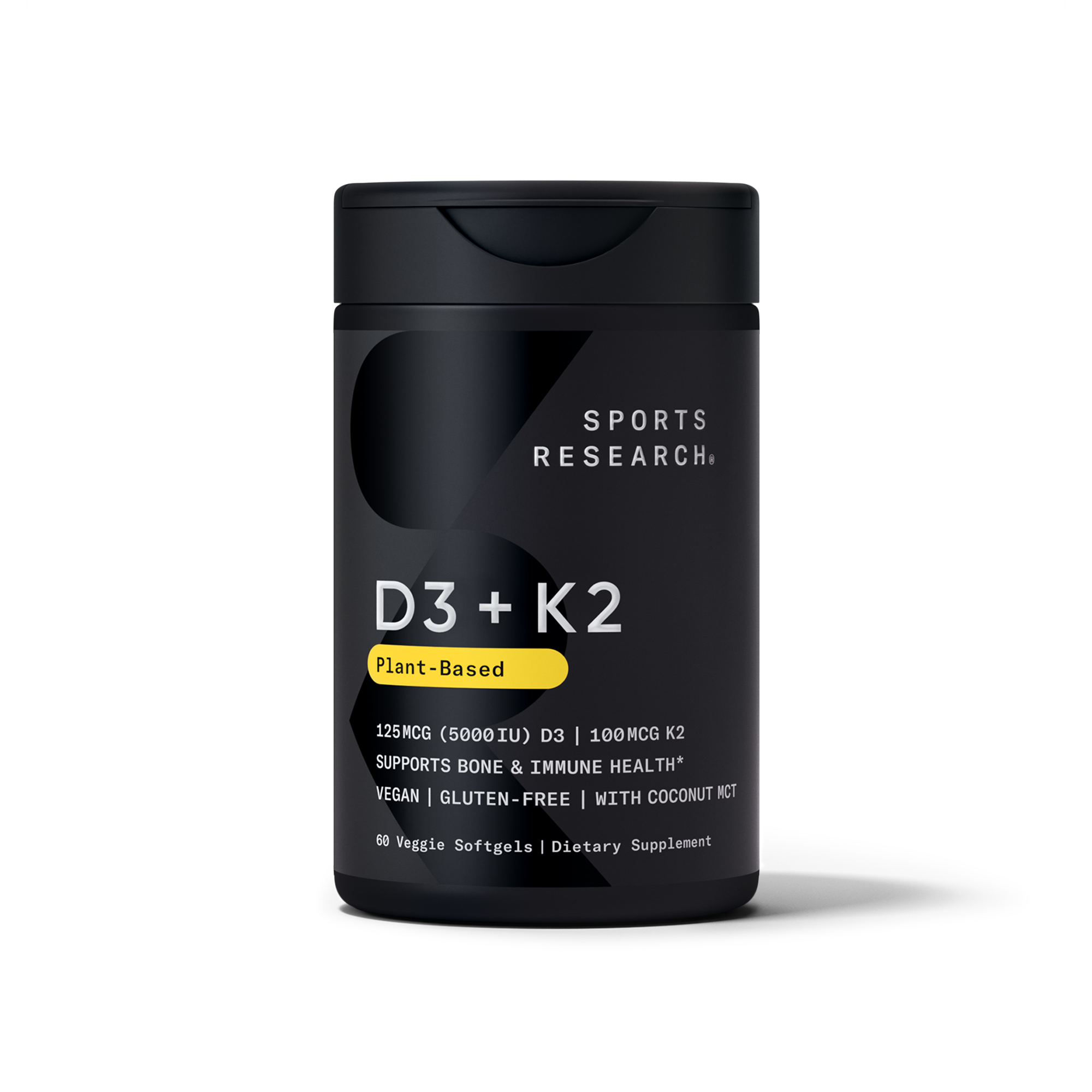
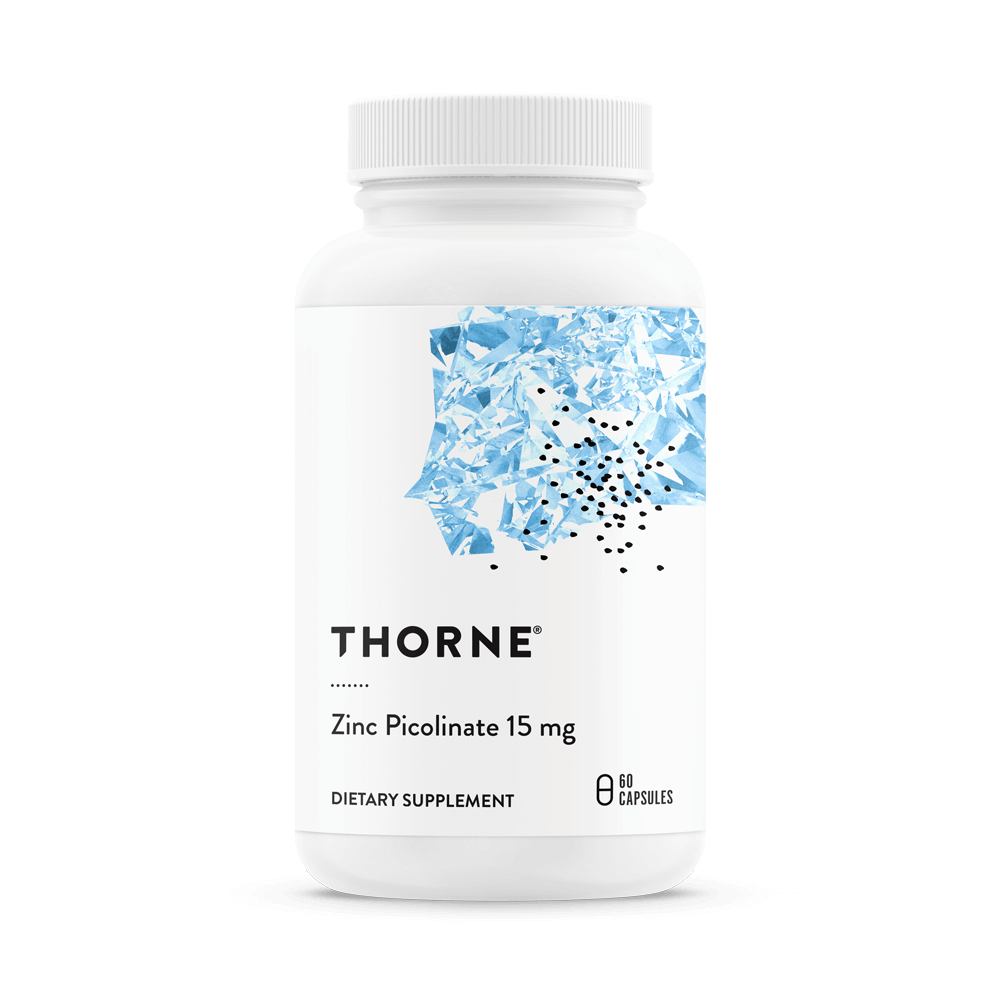
Ask for a 25-hydroxyvitamin D test and match the dose to the result. Sports Research Vitamin D3 with K2 is one option after that conversation, and it is on Amazon. Take it with a meal that has some fat, and repeat the lab when your clinician asks. Very large doses without a level can cause harm. Zinc belongs in the same review. It supports enzymes tied to thyroid and reproductive hormones, and beef, crab, and oysters are rich foods. Thorne zinc picolinate can cover a modest gap, and it is on Amazon. Follow the label. Months of high-dose zinc can interfere with copper. If your meals are already rich in zinc, food may be enough.
Can ashwagandha help with stress and sex drive?
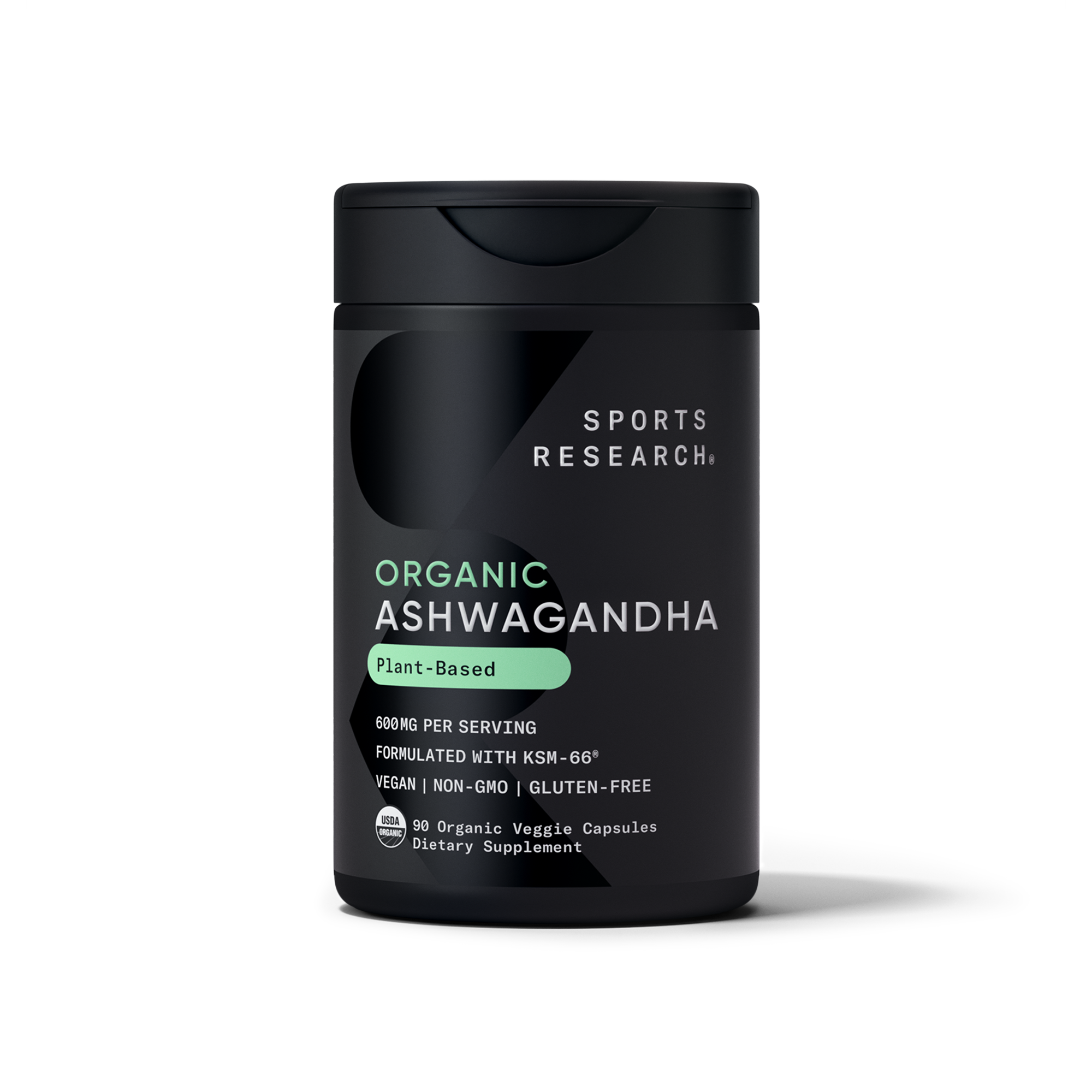
Ongoing stress quiets desire and makes mood brittle. Sports Research Ashwagandha KSM-66 is a root extract studied for perceived stress and, in some trials, for sleep quality. Some research has also looked at sexual well-being and, in men, at testosterone measures. Results vary. Use it as support for stress and sleep, then judge it by your mood, your interest in your partner, and your labs. If you are pregnant, breastfeeding, on thyroid medicine, or living with an autoimmune condition, ask a clinician first. The bottle is on Amazon. Keep the labeled dose, and keep a bedtime you actually defend.
When should women in midlife see a doctor about hormones?
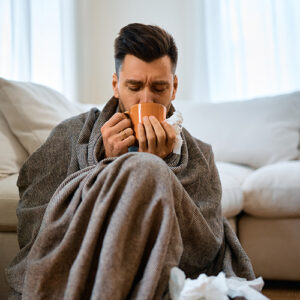
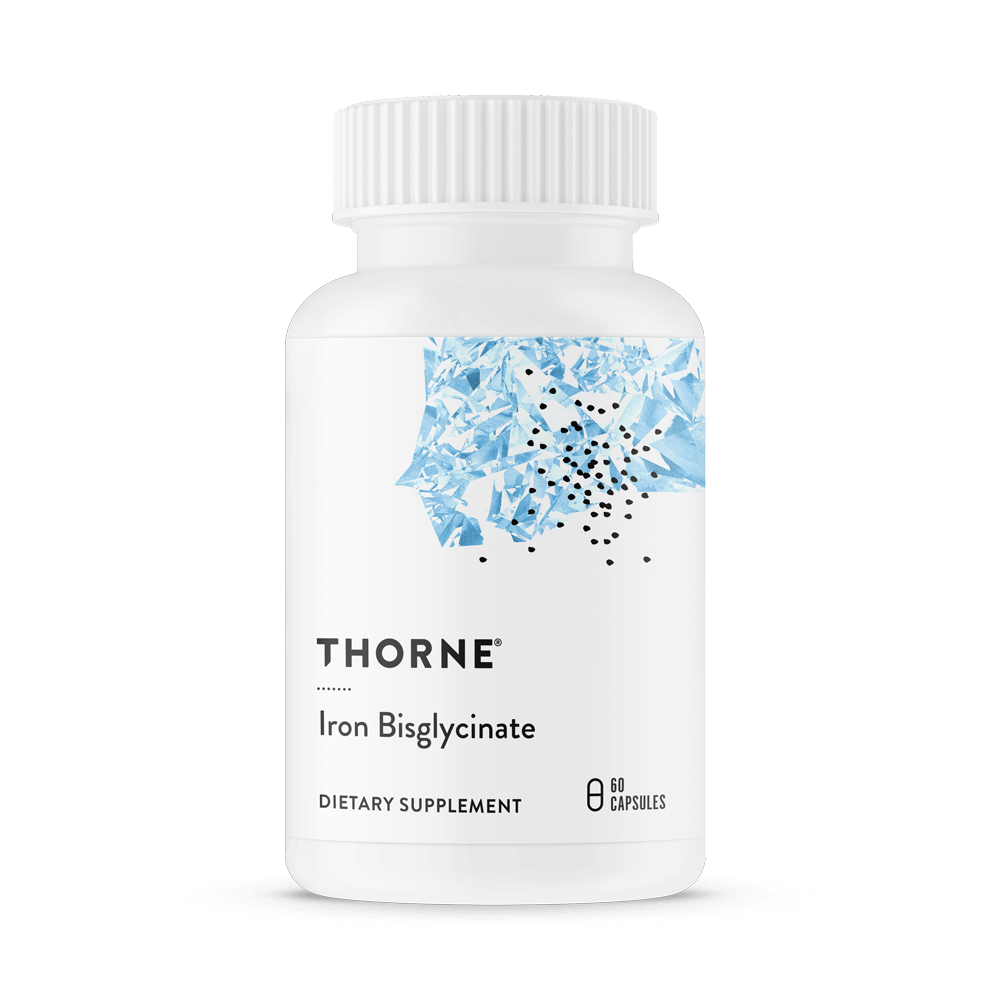
Perimenopause can start while periods still come. Cycles may bunch or skip. Sleep may break at 3 a.m. Hot flashes, night sweats, fog, joint aches, vaginal dryness, and a distant sex drive are common, and they deserve an appointment. Bring notes on sleep, bleeding, pain, mood, and strength. Testing biomarkers helps when the tests match your story. Thyroid disease, low iron, and low vitamin D can look similar to a hormone problem, and finding them changes the plan.
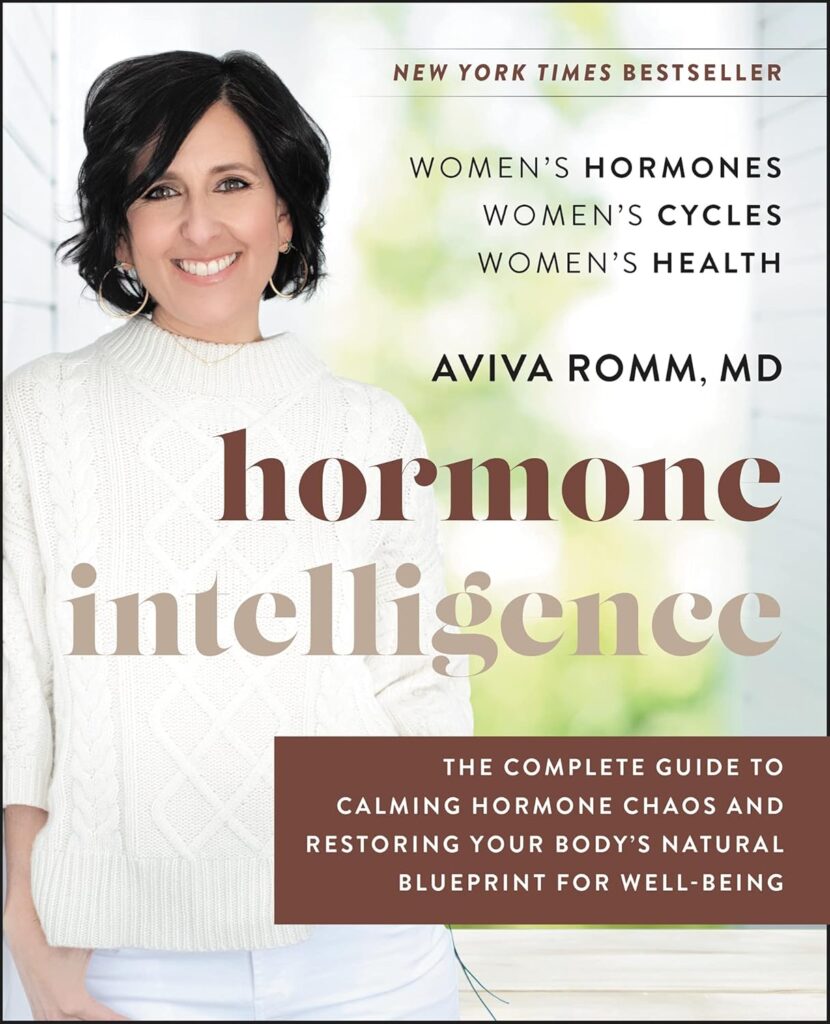
Hormone replacement therapy is a medical decision. For many women it is a sound option for hot flashes, broken sleep, and genitourinary symptoms. For others, clot risk, cancer history, or a different preference points elsewhere. A clinician weighs symptoms, age, time since menopause, and your history. Habits and labs come into that conversation with the clinician. If a prescription is written, keep the follow-up and say what changed. If it is not written, sleep and strength still matter. Hormone Intelligence can help you prepare questions. It cannot examine you.
What should men do about low energy and low sex drive?
Feeling flat often means dull mornings, a lower mood, less interest in sex, slower recovery, and strength that slips. Causes include short sleep, apnea, alcohol, low vitamin D, thyroid disease, depression, belly fat, stress, and some medicines. Low testosterone is one possibility. A clinician is the right person to sort that list. A clinician can order a morning testosterone test, sometimes repeated, with related labs. Testing biomarkers is how you stop guessing.
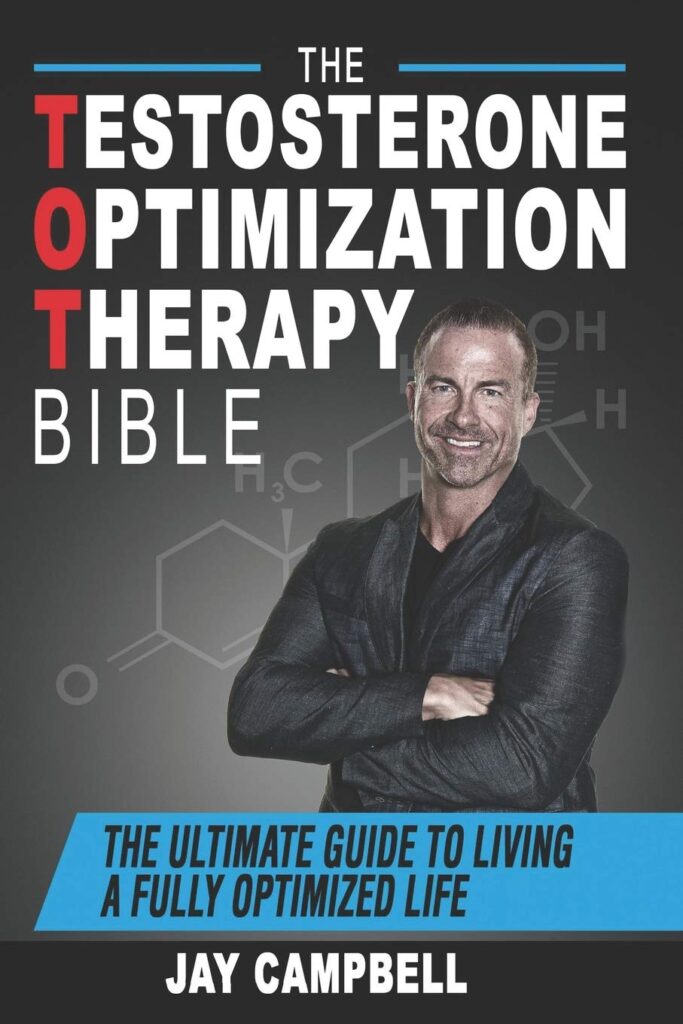
While you wait, sleep, lifting, protein, and vitamin D status still change how you feel. The Testosterone Advantage is the longer lifestyle read for men on this site. If testosterone therapy is considered, it stays a medical decision with monitoring, including effects on fertility and blood counts. Do not share a prescription or buy a drug from an unknown seller. If you are already treated, keep the follow-up and report what happened to your mood, your desire, and your strength. Lifting and sleep still count during treatment.
How do you feel like yourself and keep your strength?
Protect a sleep window. Lift two to four times a week, and walk on the other days. Eat protein. Get morning light. Keep alcohol small if it breaks your sleep, and learn your vitamin D number. Then watch desire with honesty. It may return as sleep and strength improve. It may stay distant because of pain, mood, medicine, or hormones, and that is a reason to get care. You can be strong and still need a prescription. You can love your partner and still ask for help wanting them. A steadier mood, a healthier sex drive, and energy that stays even are how you know the plan is working.
Frequently asked questions about hormones and sex drive
Does poor sleep lower sex drive?
It can. Short or broken sleep lowers patience and energy, and interest in sex often drops with them. Fix the schedule, and ask about apnea if nights are noisy or unrefreshing. If you already sleep well and desire is still gone, talk with a clinician about pain, mood, medicines, and labs.
Do I need blood work for low libido and fatigue?
Lasting symptoms deserve labs. You can improve sleep, lifting, and protein at the same time. You do not have to earn a test by being perfect first. Women with changing cycles, night symptoms, or pain, and men with low desire or a change in erections, should ask which biomarkers fit. Habits and labs belong in one visit with a clinician.
Is hormone therapy something to decide alone?
No. Hormone therapy for women in midlife and testosterone therapy for men are medical decisions. A clinician matches the choice to your history, symptoms, and results, then follows you. If you already have a prescription, do not stop it because habits also matter. Bring those habits to the next visit and decide together.
Can creatine, ashwagandha, zinc, or vitamin D replace hormones?
No. They support training, stress, or a nutrient gap. They can help you feel stronger and more even while you do the basic work. Prescribed hormones and a proper evaluation remain medical decisions. Use sensible doses, and stay in touch with a clinician when you still do not feel like yourself.