/
Neurofeedback
Neurofeedback

Neurofeedback

A metronome for attention.

Skip ifNot a psychiatric device. Seizures, severe depression, sudden cognitive change: clinician. Not a replacement for therapy.

Proven benefits

of Neurofeedback

Attention and Focus
Research consistently shows improved attention span and better focus through regular neurofeedback training, particularly in concentration-intensive tasks.
Stress Regulation
Studies demonstrate enhanced stress response and improved recovery through HRV neurofeedback training, leading to better autonomic nervous system balance.
Sleep Quality
Clinical research validates improved sleep onset, duration, and quality through specific neurofeedback protocols targeting sleep-related brainwave patterns.
Cognitive Performance
Studies confirm enhanced processing speed, better memory retention, and improved mental clarity through regular neurofeedback sessions.
Emotional Regulation
Research shows improved emotional stability and better response to challenging situations through heart coherence and HRV training.
ADHD Management
Clinical studies demonstrate significant improvements in attention, impulsivity, and hyperactivity symptoms through targeted neurofeedback protocols.
Anxiety Reduction
Studies validate reduced anxiety levels and better stress management through regular neurofeedback training.
Peak Performance
Research confirms enhanced focus and improved performance in high-pressure situations among athletes and professionals using neurofeedback.

Potential Benefits Requiring More Research

Depression Management
Early studies suggest potential benefits for mood regulation and depression symptoms, though more research is needed.
Post-Concussion Recovery
Preliminary research indicates possible benefits in supporting recovery from mild traumatic brain injury.
Popular influencers of this strategy

No results found.

Neurofeedback is trying to steer brain rhythms with a screen and a sensor. Clinic versions can be serious. Consumer headbands are a lighter cousin: you meditate, the app beeps when your attention leaves. Useful as a training wheel. Not a diagnosis, not ADHD treatment in a box.

Consumer vs clinic

On this site: Muse 2, FocusCalm, BrainTap. Ten minutes, most days, for a few weeks is a fair trial. If you only want the downshift, a timer and nasal breathing are free. This feeds cognitive performance and sits next to sleep if rumination is the problem.

Clinic neurofeedback for epilepsy or ADHD is a different code, a different professional, a different invoice. Do not confuse the headband with that.

FAQ

Will this raise my IQ?

No. It may train attention the way a metronome trains timing.

Muse or FocusCalm?

Muse is the known name. FocusCalm is cheaper-adjacent. Read the device pages. The habit matters more than the logo.

Can it replace therapy?

No.

Not a psychiatric device. Seizures, severe depression, and sudden cognitive change are clinical.

Popular influencers of this strategy

No results found.

The best devices

to get started with Neurofeedback

0
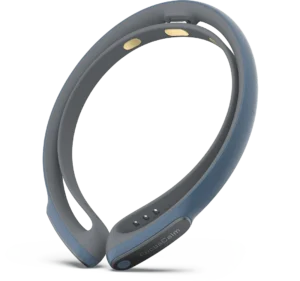
FocusCalm EEG Headband
By FocusCalm
0
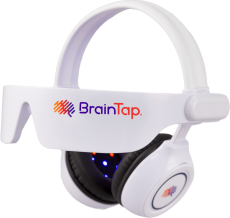
BrainTap
By BrainTap Technologies
0
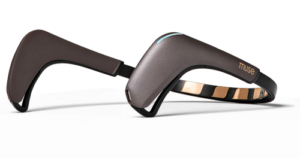
Muse 2
By MUSE

The best books

to go deep on Neurofeedback

By Candace Holmes

Transform Your Brain with Neurofeedback

Restore Your Focus, Reduce Anxious Thoughts, and Revitalize Depressed Moods

0
Concerned about the potential side effects overshadowing the benefits of prescribed drugs? If so, you're not alone – I've been there, too. Discover firsthand the transformative power of neurofeedback therapy as I share my personal journey witnessing its profound impact on my daughter's life—a story that will inspire and resonate with readers seeking natural solutions for mental health challenges. With a we…

By Michael P. Cohen

Neurofeedback 101

Rewiring the Brain for ADHD, Anxiety, Depression and Beyond (without medication)

0
You really CAN change your brain without medication. Maybe you’ve struggled for years with anxiety, depression, ADHD, migraines, PTSD, obsessive thinking, sleep issues or other unwanted conditions. You’ve tried medication, psychotherapy, breathing techniques, yoga, exercise or dietary changes—with no permanent relief. Neurofeedback is an emerging technology that’s helped thousands of people feel better—witho…
Scroll to Top