




Stamina is the feeling that the day still has room in it. You climb the stairs and can speak at the top. You play with a child and you can stay in the game. You finish a workout and your heart settles. That fitness is built at an easy effort, with a nose that can keep up and legs strong enough to make the work cheaper. You want to climb stairs, play, train, and still have breath left.
A heart that recovers sooner is one of the clearest signs the work is landing. After a hill, a carry, or a hard set, the pulse comes down and you can talk. Easy aerobic sessions, calm nasal breathing, and a little practice for the breathing muscles are a path most people can keep. The useful work feels sustainable, at a pace where your sentences still come out whole.
Why everyday stamina is a heart and muscle skill
When you repeat easy endurance work, the heart becomes a stronger pump. Each beat can move more blood, which is one reason resting pulse often drifts down over months. Muscles add capillaries and mitochondria, the structures that turn fuel into energy you can use. A walk that used to wipe you out starts to feel ordinary, and the rest after a hill or a hard set actually restores you.
Dr. Peter Attia treats this cardiorespiratory fitness as one of the physical qualities that weigh most heavily on how the later decades feel. The ability to do plenty of easy work, and to meet a hard demand when life asks, is part of staying in the activities you care about. Dr. Andy Galpin is useful when you want those energy systems in training language, so conditioning can live beside lifting. Stronger legs make stairs, trails, and carries less expensive, which is why the muscular fitness and strength pillar belongs next to this one.
Nasal breathing at a pace where you can still talk
The nose warms the breath, adds moisture, and filters particles before they reach the lungs. The sinuses also add a small amount of nitric oxide to inhaled air, which participates in blood flow and in how the airways behave. Quiet nasal breathing at rest, and during easy movement, holds you at an effort you can sustain.
If you can talk in full sentences, you are usually at the effort that builds an aerobic base. If you can only manage a few words, the work has become harder, and harder work can wait. Nasal breathing helps you notice when an easy day has become too hard. When you need your mouth open to find air, ease the pace until the nose and the sentence both return.
Very fast, very large breathing blows off carbon dioxide and can leave you lightheaded or tight. A quieter breath helps oxygen move from the blood into working muscle. Keep the pace conversational. Gasping is a cue to slow down.
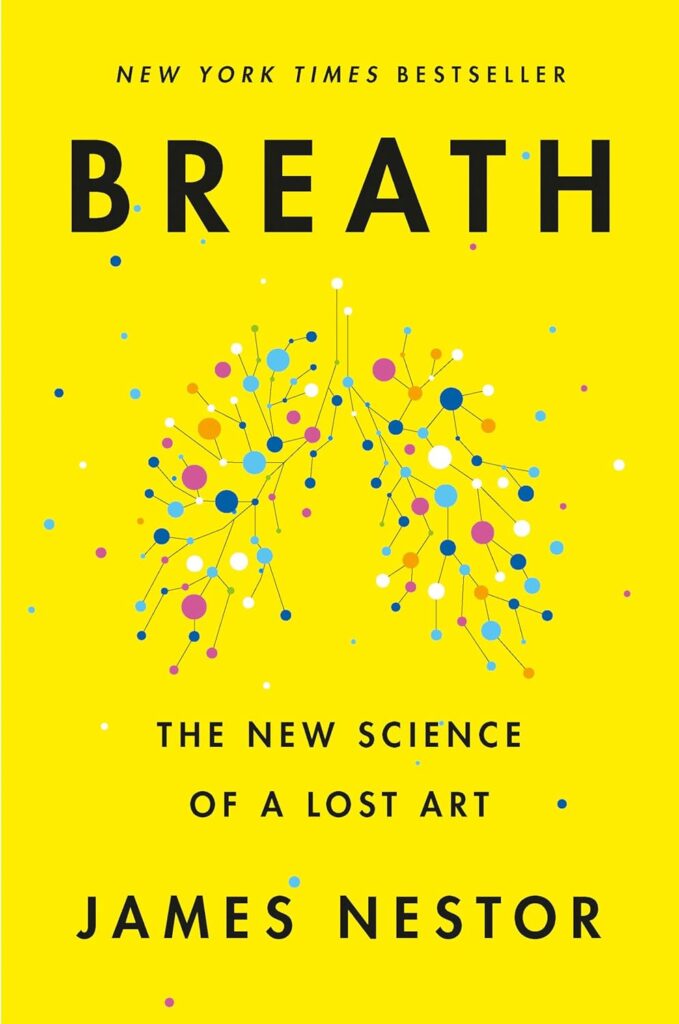
Patrick McKeown teaches light nasal breathing, and he uses the breath during exercise as a way to notice when effort has climbed too high. James Nestor brought a wider audience to the same territory in the book Breath, including what it costs to spend the day with the mouth open and the nose unused. The breath work strategy is where you practice slowing down: a few quiet minutes through the nose, with a slightly longer exhale, especially in the evening when you want sleep to arrive more easily.
How to build an aerobic base you can keep
Start with what your breath allows: a brisk walk, easy cycling, an easy swim, or a very easy jog. Three sessions a week, from about twenty minutes toward forty-five, will change a deconditioned month. Finish feeling you could have continued, with your pulse already settling a few minutes later. On hills, shorten the step until you can breathe through your nose, or until you can speak if your nose is blocked. A cold or a narrow nasal passage can make strict nasal breathing a poor test that day. Use speech, and return to the nose when the airway is open.
A morning loop, or a walk after dinner, beats a hard session you keep postponing. If you also lift, separate the harder strength day from any faster minutes. Two or three easy aerobic days, plus strength work, is a complete week for a long time. Add a few stronger minutes only after the easy pace feels smooth. You will feel it first in ordinary places. Office stairs stop being an event. A game in the yard leaves you able to talk. Once a week, notice whether you still have breath left at the top.
Training the muscles that move the air
The diaphragm and the muscles between the ribs can fatigue, and they can get stronger. When they are weak for the work you ask, breathlessness arrives early. A few minutes of resisted breathing on most days, with a tall posture, is enough to start. Stop if you feel dizzy. The respiratory muscle training strategy shows how it fits a week. The Breather resists both the inhale and the exhale, and you can see it on Amazon. Powerbreathe Fitness Plus focuses on the inhale, which is the shortage many people feel on a climb, and it is on Amazon as well. These tools support the walking. The walks still build the base.
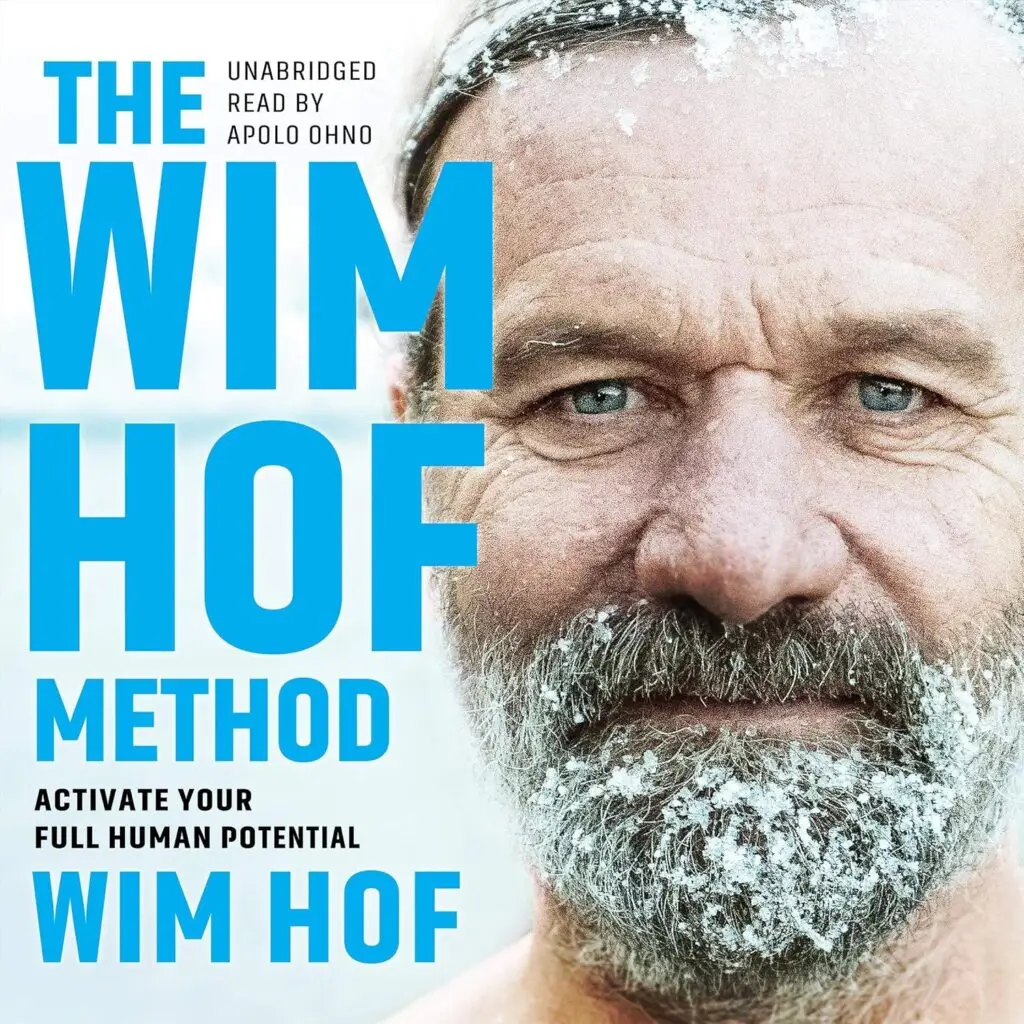
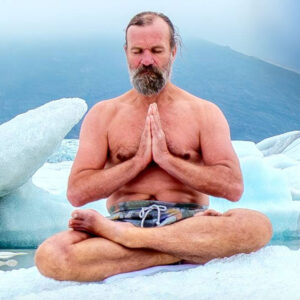
People with heart or lung disease should get personal medical guidance before intense breathing drills. That includes strong cyclic breathing, long breath-holds, and any device session that leaves you strained or lightheaded. An easy speaking-pace walk is gentler, and it is still wise to clear a new plan with your clinician when heart or lung disease is part of your history. If you want a more forceful style later, Wim Hof is optional further reading. His method uses intense breathing along with cold. Let it wait until easy nasal breathing feels familiar, and get that personal guidance first if you live with heart or lung disease.
Food, heat, sleep, and a way to see progress
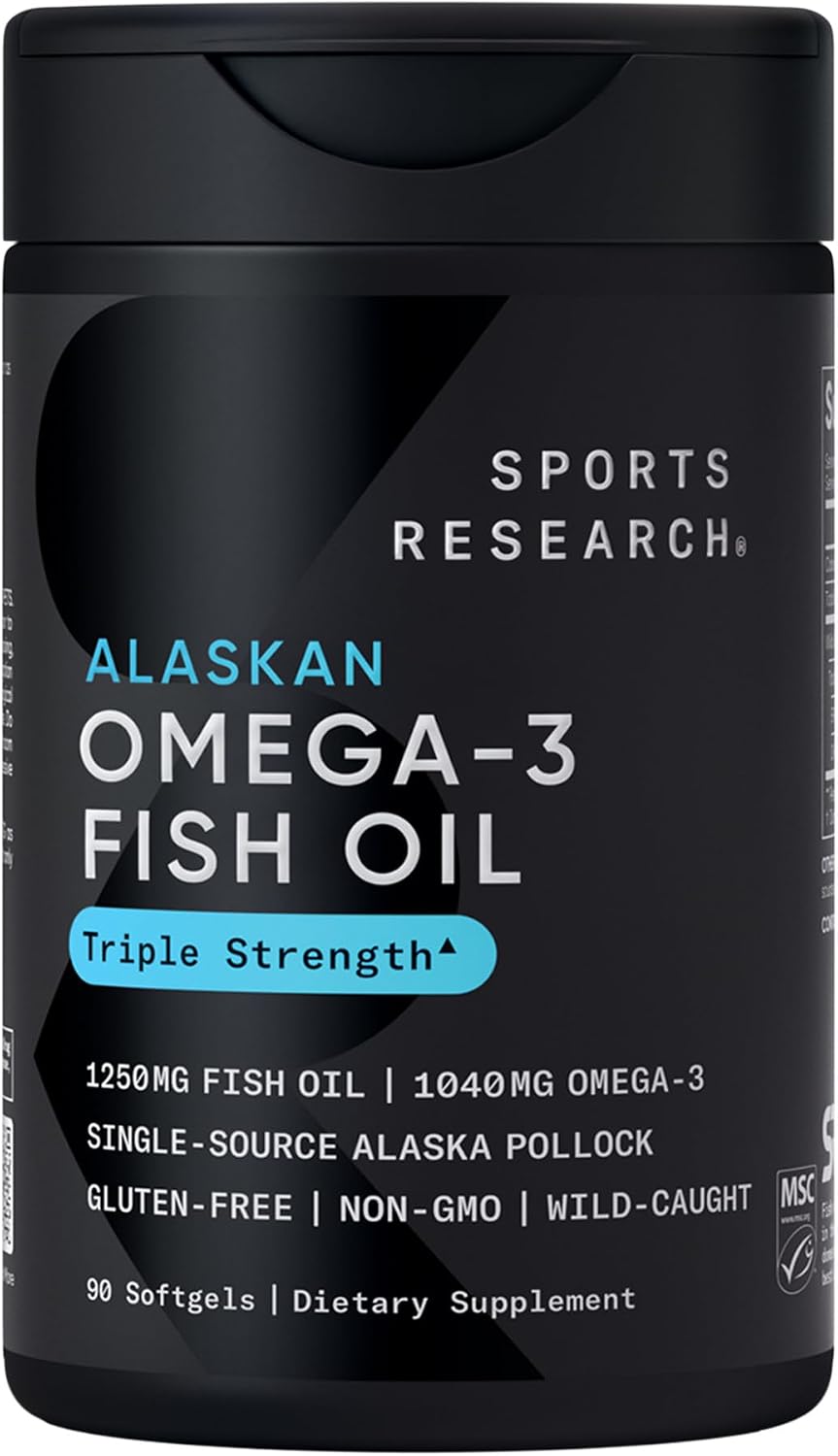
Fatty fish a couple of times a week supplies EPA and DHA, the omega-3 fats most often discussed for triglycerides and for blood vessel health. When fish rarely makes the plate, a fish oil is a practical stand-in. Sports Research omega-3 is the option here, and you can order it on Amazon. Read the label so you know how much EPA and DHA a serving provides. The walks still do the conditioning.
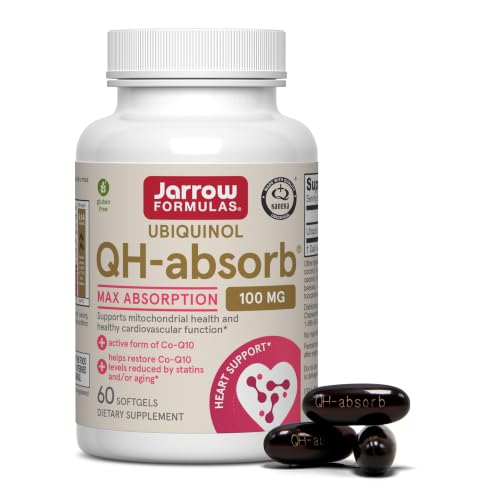
Coenzyme Q10 sits in the mitochondria, where cells make ATP, the energy currency they spend all day. Heart muscle uses that pathway constantly. Ubiquinol is the reduced form found in cell membranes. Jarrow Ubiquinol QH-Absorb is the product on this site, and it is also on Amazon. Levels can run lower with age. Some cholesterol medications lower CoQ10 too, which is a reason to ask the prescriber before you add a capsule on your own. Bring the page to that conversation so the dose is a shared decision.
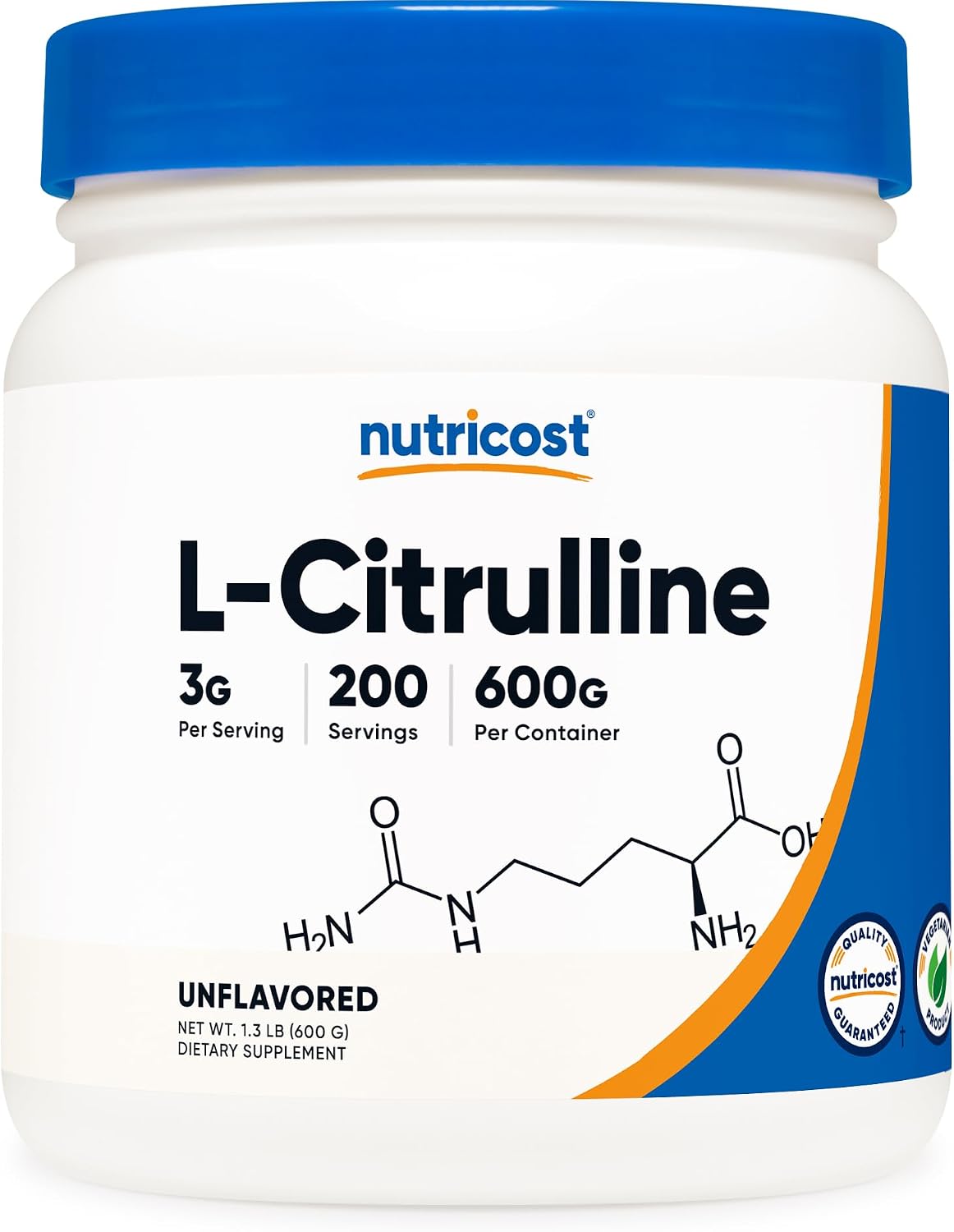
L-citrulline is an amino acid the kidneys convert toward arginine. That path supports nitric oxide, a signal that helps blood vessels relax so blood flow can meet a working muscle. Some people take it before conditioning because the effort feels a little more open. Nutricost L-citrulline is the plain version to read first, and you can find it on Amazon. The repeated aerobic work is still what builds stamina through the day.
Heat can be a quiet cardiovascular session on a day you skip a workout. The sauna strategy covers how a warm room raises heart rate. Sit only as long as you can leave feeling steady. Anyone who gets dizzy in the heat, or who has an unstable heart condition, should ask a clinician first. Sleep is where a lower resting pulse becomes real. A short night often shows up as a higher pulse the next day. The sleep quality pillar is the guide for that night. If you want a number to watch, the Oura Ring tracks overnight heart rate, heart rate variability, and sleep. The ring is a mirror. It cannot take the walk for you.
A week that leaves breath in the tank
Take three easy aerobic sessions, about twenty to forty-five minutes, at a pace where sentences come out whole. Lift on two other days so the legs share the job. Spend a few minutes on respiratory muscle training if you have a device. In the evening, use a few slow nasal breaths with a longer exhale on the way toward sleep. Once the easy work feels smooth, add a few short hills or faster minutes, then return to the speaking pace while your breath is still organized.
Give the plan a month. Resting pulse, the stairs at work, and how you feel ten minutes after a walk are fair markers. If a session leaves you flattened, make the next one shorter. A pace you can repeat will do more for daily stamina than a rare hard effort you need days to escape from.
Questions people ask about breathing and stamina
How do I know my easy pace is easy enough?
Use your voice. You should be able to speak in full sentences, and the breath should recover in the pauses. When your nose is clear, nasal breathing is a second check. If you need your mouth wide open just to keep moving, slow down until speech returns. You should finish able to continue a little longer.
Is nasal breathing useful while I exercise, or only while I sit?
It helps in both places. At rest, nasal breathing warms and slows the air, and a longer exhale can help you downshift before sleep. During easy exercise, the nose helps you stay at a sustainable effort. During a true hard interval, many people open the mouth, and that is a different session with a different purpose. Build the base first, where the nose and a normal speaking voice can stay with you.
Can a breathing device replace walking or other cardio?
It cannot. The Breather and Powerbreathe strengthen the muscles that move air, so hard efforts may feel less limited by the breath. The aerobic base still comes from moving your whole body long enough for the heart, the vessels, and the legs to adapt. Use the device as a short practice beside the walks. If you only have ten minutes, a brisk walk builds more of the stamina you feel on the stairs.
Who should get medical guidance before intense breathing drills?
People with heart or lung disease should get personal medical guidance before intense breathing drills, long breath-holds, or device work that feels straining. The same conversation belongs to anyone with chest pain, fainting, or unusual shortness of breath that a clinician is still sorting out. Easy walking and quiet nasal breathing are gentler, and they are still worth mentioning at your next visit if your history is complicated.