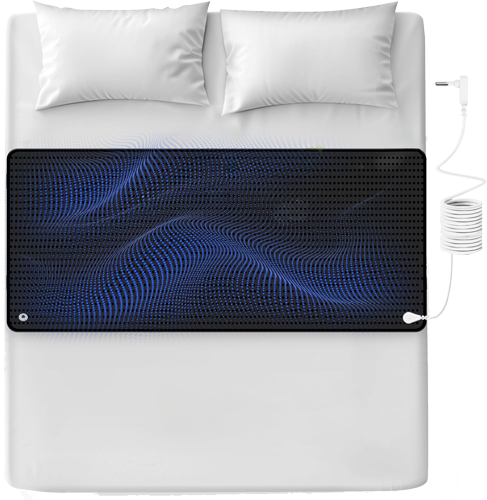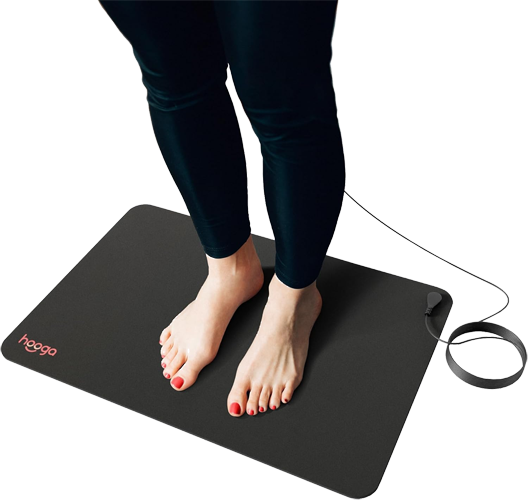
Grounding, also called earthing, means making a conductive connection between the body and the earth. Outdoors, this may involve direct contact with the ground. Indoors, products such as mats and sheets are designed to provide a connection through a specified grounding setup.
The electrical idea and the health claims are different questions. Showing that a product makes a conductive connection does not show that it improves sleep, reduces inflammation or treats pain.
What are grounding mats supposed to do?
Manufacturers commonly describe an exchange of electrical charge and connect it to broader claims about the body. To evaluate those claims, ask what measurable health outcome follows and what controlled human research supports it.
A conductivity demonstration or a voltage measurement can describe an electrical property. It cannot establish how you will sleep or whether an illness will improve. This distinction helps you understand why a convincing product demonstration may still leave the main health question unanswered.
What have clinical studies examined?
A small pilot study examined mood after grounded or sham-grounded relaxation sessions. A more recent pilot trial examined sleep quality with an earthing mat. Such studies can generate questions for further research, but small studies do not provide a dependable estimate of benefit for a broad audience.
Look at sample size, blinding, the outcome measured, study duration and any financial links to the products. Independent replication matters. A positive pilot result should not be stretched into claims that every grounding sheet treats multiple conditions.
Why might someone feel better using a grounding product?
Several parts of the experience may change at once. Someone might begin a more consistent bedtime, spend quiet time relaxing or pay closer attention to their comfort. Expectations can also influence subjective experiences.
Those possibilities do not dismiss an individual’s report. They explain why a controlled comparison is needed to identify what the electrical connection itself contributes. A diary can help you describe your experience, but it cannot separate all of those influences on its own.
What to check before buying a sheet or mat
Read the materials, care instructions, connection method, warranty and return terms. Check whether the seller cites the exact product or only general grounding literature. Ask what health claim the evidence actually supports, rather than assuming that a large collection of links provides an answer.
The cost should make sense for an uncertain benefit. It is reasonable to enjoy a comfortable product, but a substantial purchase deserves a clearer explanation than the claim that everyone is electrically depleted.
Electrical safety and medical concerns
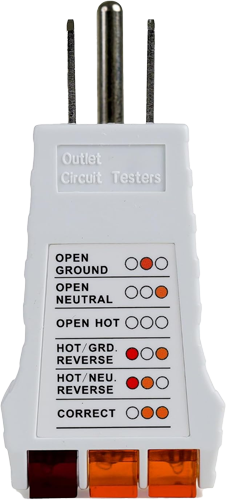
Use only the manufacturer’s specified setup and have uncertain wiring assessed by a qualified electrician. Do not improvise connections to outlets, pipes or other electrical systems. If you use an implanted medical device, ask the relevant healthcare team and manufacturer before introducing connected equipment.
Grounding products should not delay assessment of ongoing pain, poor sleep or other symptoms. If sleep is your priority, the home environment guide offers practical questions about light, noise and comfort. PEMF is a different technology and should be evaluated separately, even when the products are sold by the same retailer.