Resistance training means making your muscles work against a load. That load might be a dumbbell, a machine, an elastic band or your own body weight. A beginner does not need to find the perfect equipment before starting. The first useful goal is learning movements you can repeat comfortably and making them gradually more demanding.
You can organize a good programme around the time and space you actually have. Two manageable sessions you keep doing are a much better planning starting point than an elaborate schedule that never survives a busy week.
How often should a beginner lift weights?
The CDC recommends muscle-strengthening activity on at least two days each week, covering the major muscle groups. This sits alongside aerobic activity. It is a public-health baseline rather than a detailed bodybuilding programme, but it gives beginners a useful place to begin.
Two full-body sessions on separated days can make planning straightforward. As you gain experience, the right frequency depends on the amount of work per session, recovery, preferences and goals. Adding training days without considering those factors does not automatically improve the programme.
What belongs in a full-body workout?
Think about movements before brand names. A programme can include a squat or sit-to-stand movement, a hip hinge, a push and a pull. Depending on your situation, you might also include a carry, balance work or exercises recommended by a physiotherapist.
For example, a chair squat, light dumbbell hinge, wall push-up and supported row offer ways to practise these patterns. These are examples to discuss or adapt, rather than a prescription for every body. An exercise should suit your current ability, available space and any injury-related restrictions.
Choose a resistance you can control throughout the movement. If you cannot explain how you will set the equipment down safely, solve that before making it heavier. A qualified trainer can be particularly useful for learning unfamiliar lifts.
What does progressive overload look like?
Progressive overload means increasing the challenge as your capacity improves. You might perform an additional controlled repetition, use a slightly heavier resistance or improve the range of motion you can manage. Changing everything at once makes progress harder to interpret.
Keep a simple record of the exercise, resistance and repetitions. Add a brief note about difficulty or discomfort. If the same work becomes easier over several sessions, that is useful information. You do not need a personal record every time you train.
Do you need soreness to know it worked?
Soreness is a poor target for designing your week. A session can be demanding without leaving you unable to use stairs, and an unfamiliar exercise can produce soreness without being especially well chosen. Judge the programme by repeatability, improving capacity and how well you recover between sessions.
Sharp pain, new swelling, faintness or symptoms that feel different from ordinary exertion call for stopping and appropriate assessment. Training through those signals is not a progression strategy.
What equipment and supplements are worth considering?
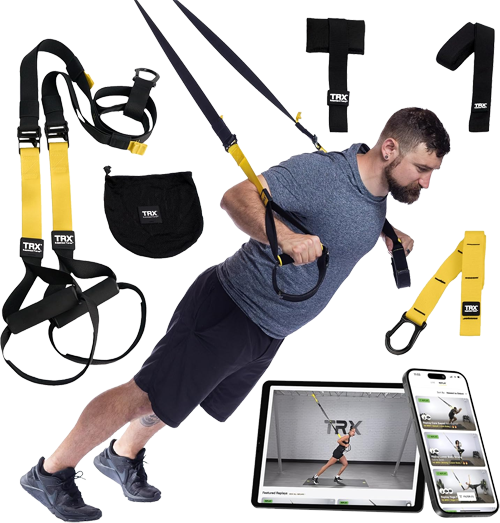
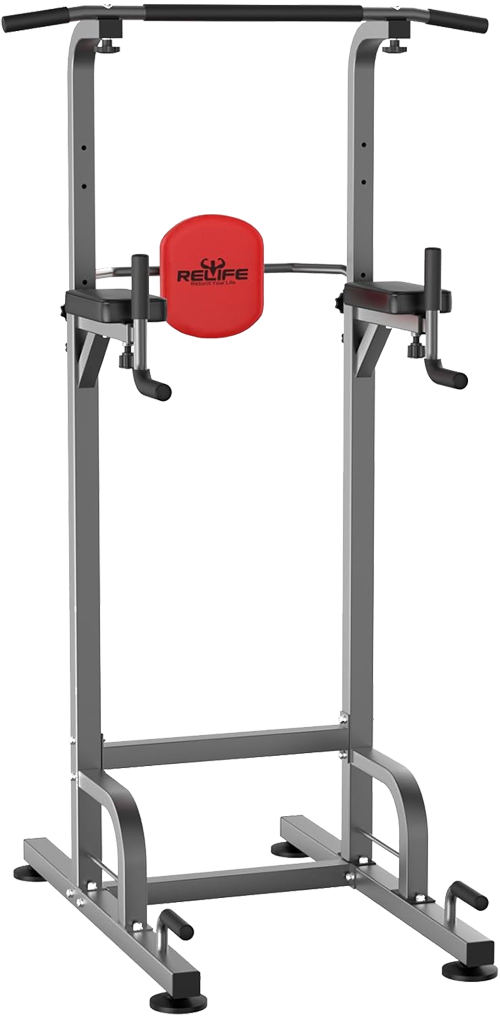
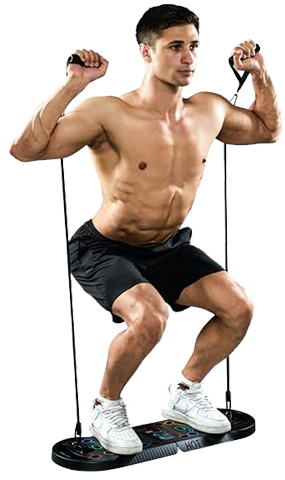
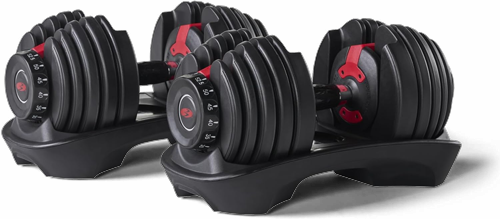
Choose equipment around the exercises you intend to perform. Adjustable resistance, a stable setup and enough room to move matter more than the number of advertised exercises. Before buying a home gym, write down a realistic session you would use it for.
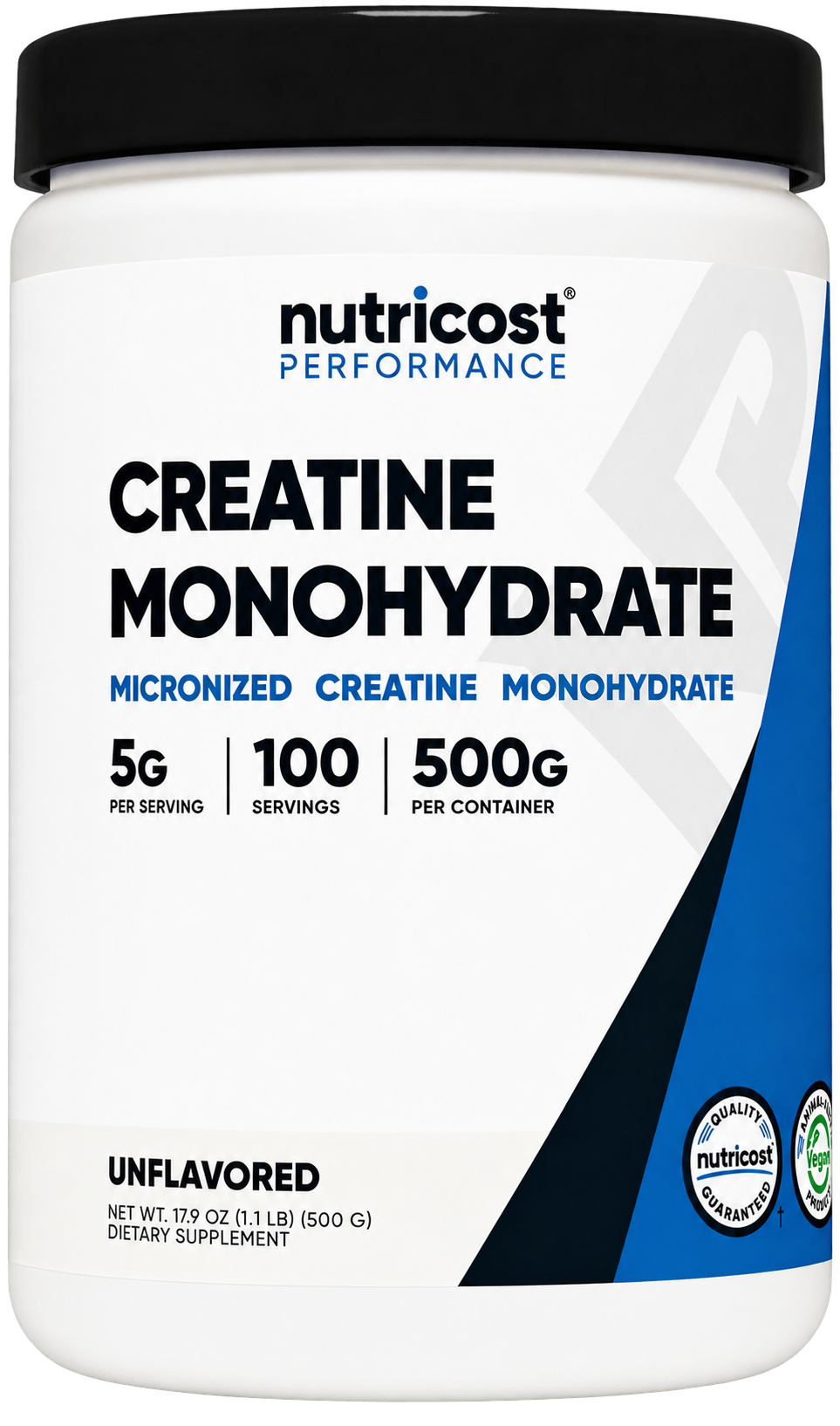
Food and recovery remain part of the plan. Protein powders can be convenient when ordinary meals are difficult, while creatine has a distinct evidence base for certain strength and high-intensity goals. Neither is required to begin. Read the supplementation guide before assembling a stack, and use the strength pillar to explore related topics.