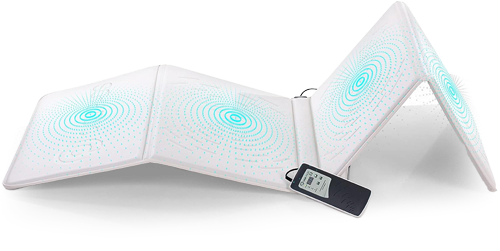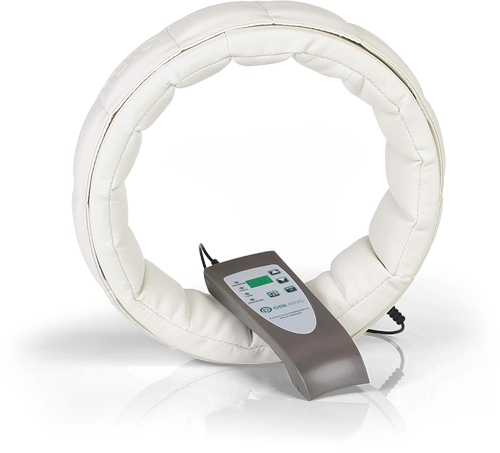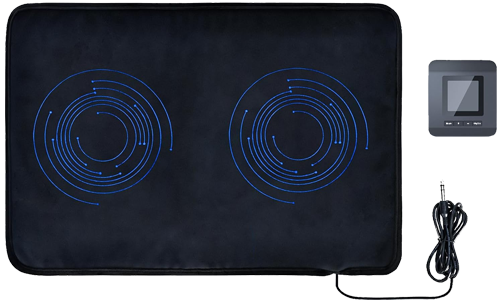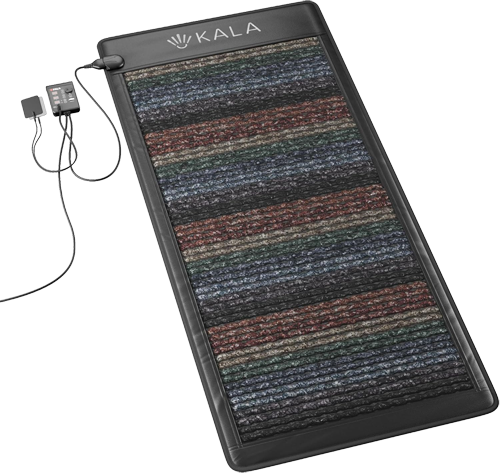
PEMF stands for pulsed electromagnetic field therapy. A device creates a magnetic field that changes over time. The term describes a technology, not a single treatment with one dose and one result.
That distinction is especially useful when looking at home mats. A study involving a particular medical device, condition and protocol cannot automatically support a mat advertised for sleep, energy, circulation and whole-body recovery.
PEMF versus static magnets
A static magnet produces a field that does not pulse in the same way. PEMF devices use electrical systems to create changing fields. NCCIH discusses these separately because their evidence and applications differ.
The same caution applies to comparisons with other stimulation technologies. Similar language does not make different devices interchangeable. Ask what the equipment actually delivers and which intended use is being discussed.
What is PEMF used for?
Electromagnetic therapies have been investigated for pain and healing, with some specific medical applications. NCCIH describes evidence suggesting possible benefits for certain pain conditions while also noting limitations and differences between studies.
For a consumer, the next question is whether that evidence applies to the exact product. The condition, exposure settings, treatment schedule and comparison group all matter. A result in knee osteoarthritis, for example, is not proof of improved sleep in a healthy person using a different mat.
Why home-mat claims are difficult to compare
Some products combine pulsed fields with heat, light or other features. If a session feels relaxing, it can be difficult to know which part of the experience contributed. A bundled device also makes it harder to transfer findings from research on a single modality.
Read the specifications as a description of the product, then look for a separate explanation of benefits. A long list of frequencies or settings is not an outcome study. Testimonials can describe a user’s experience, but they cannot show what would have happened without the device.
Questions to ask before buying a PEMF mat
- Which exact health claim is supported, and by which study?
- Was this model tested, or is the company citing a different medical device?
- What settings and schedule were used, and do they match normal home use?
- Are heat or other features included, and can their effects be separated?
- What are the return period, warranty and total cost?
If the answer to every question points back to a general explanation of “cellular energy,” you still do not have evidence for the purchase you are considering. Ask for the original research rather than a sales summary.
Who should seek advice before using one?
People with implanted electronic medical devices, including pacemakers, need guidance from their treating team and the implant manufacturer. Pregnancy and other medical circumstances also warrant individual advice. Follow the product’s contraindications and do not assume low intensity means universally suitable.
Persistent pain needs an explanation and a treatment plan. Discuss any device you are considering with the professional helping you manage it. The testing and biomarkers guide offers another way to examine health claims: decide what meaningful outcome you would measure before paying to change it.