




The strength that matters most shows up in ordinary rooms. You get up off the floor without searching for a chair. You carry the groceries in one trip. You take the stairs while your breath stays available. Muscle makes those moments manageable, and it gives glucose from a meal a place to go. Keep it, and bones have a reason to stay dense, balance has a stronger base, and later life can stay physical.
You build this with resistance you can progress, enough protein to repair the work, and sleep you protect. A crowded program is unnecessary. A short list of movements, loaded a little more over the months, will do more for a body at 60 than a week you abandon in March. The desire underneath the training is strength you still have in later decades, so you can live in your own house, play on the floor, and lift your own bag.
How muscle supports blood sugar, bone, and balance
After you eat, skeletal muscle is one of the main places blood glucose goes. Muscle stores carbohydrate as glycogen and uses it when you move. Trained muscle pulls glucose in more readily, because contractions move glucose transporters to the cell surface. People often feel that as steadier energy through the afternoon. Meals land more gently. The slump after a sugary lunch shows up less often when the muscle is larger and it has worked recently.
Bone listens to load. Walking belongs in the week, and bone responds more when the skeleton bears something heavier than a stroll. A squat, a step-up, a hinge, or a carry asks the hips, spine, and thighs to support real weight. People who lift across adulthood tend to keep a sturdier frame. Balance uses that same base. Strong feet, calves, hips, and a trunk that can brace help you catch a stumble. The floor is an honest test. If you can lie down, roll, and stand without hauling on a table, you own a piece of independence. If that is awkward today, start from a safe height and earn a lower one.
What makes a muscle stronger
A muscle gets stronger when you ask for force it is not used to, then recover, then ask again. What changes it is tension through a range you control. The last reps should feel demanding, and your form should still look like the first. If your back rounds, your knee collapses, or your shoulder shrugs, the set is finished. Early strength often comes from recruiting muscle you already have. Later gains ask for food, sleep, and a session slightly harder than last month.
Dr. Gabrielle Lyon teaches a muscle-centric view of health. In her work, skeletal muscle is a metabolic organ you can build on purpose, and keeping it changes blood sugar, body composition, and how capable you feel with age. Dr. Andy Galpin stays close to the physiology, and to the choices of sets, repetitions, and effort. Dr. Peter Attia keeps returning to the later decades, when strength decides whether you can get off the floor, carry a suitcase, and walk with people you love. The wider picture of aging well lives on the longevity and anti-aging pillar, and strength is one of the levers that page keeps in view.
A week of lifting you can still do next year
Two or three full-body sessions a week are enough for most adults. Include a squat or step-up, a hinge such as a Romanian deadlift or hip bridge, a push, a pull, and a carry or calf raise. You stand up, pick things up, and climb. The resistance training strategy shows how to progress those patterns. Most sets can sit between about five and twelve controlled repetitions. Stop with a rep still available, so form holds. When the load feels easy, add a little weight or one rep. Repeated small increases are how strength accumulates.
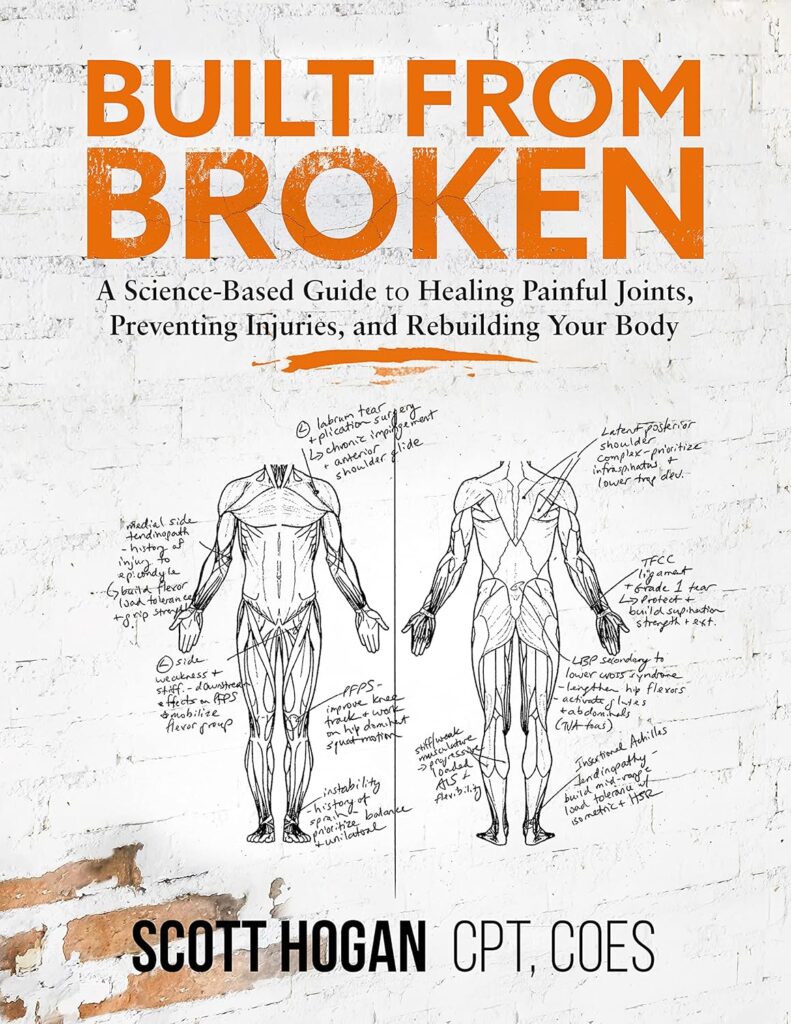
Choose a version your joints can repeat. If a barbell bothers a shoulder, a goblet squat or a split squat can train the same muscles. Sharp pain, swelling, or a limp the next day is a reason to get a personal assessment. Ordinary muscle ache for a day or two is common. Train the smooth version while an irritated area settles. Built from Broken is a useful book if your history includes cranky joints, because it rebuilds strength with clear regressions. Bigger Leaner Stronger is a plainer muscle-building book if you want a structured plan and a body that looks as capable as it feels.
A session of about forty to sixty minutes is plenty. Warm up with the first lift, done lighter, then do the work. Finish while you could still have done a little more. Keep the session short enough that you will still do it next Tuesday. Once or twice a week, practice the life skill directly. Sit to a low target and stand. Step onto a sturdy stair. Carry two bags a short distance with your chest tall. Those minutes transfer to the floor, the airport, and the grocery store.
Protein, creatine, and collagen around the training
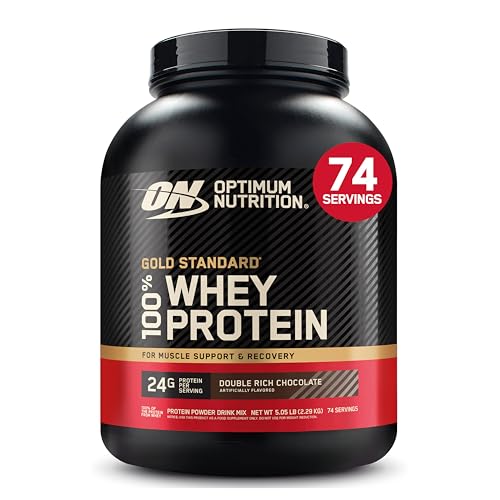
Training is the signal. Protein is part of what muscle uses to repair. Include a real serving at breakfast, lunch, and dinner, such as eggs, fish, meat, yogurt, tofu, or lentils. A palm-sized portion is a practical picture. A shake covers the meal that would otherwise stay light. Optimum Nutrition Gold Standard Whey is a complete milk protein for after training or breakfast. You can order that whey on Amazon. If dairy sits poorly, hit the same target with food you digest well.
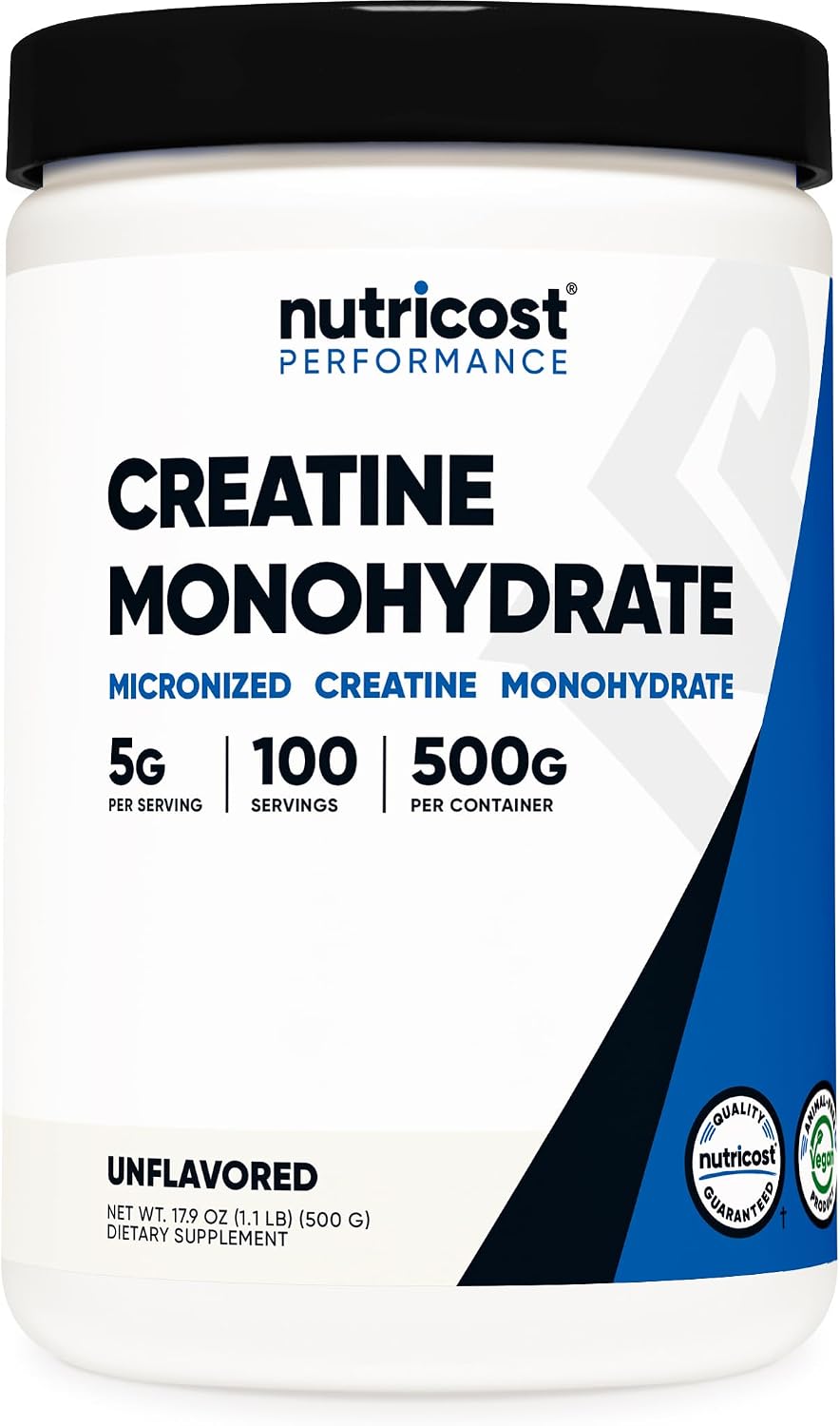
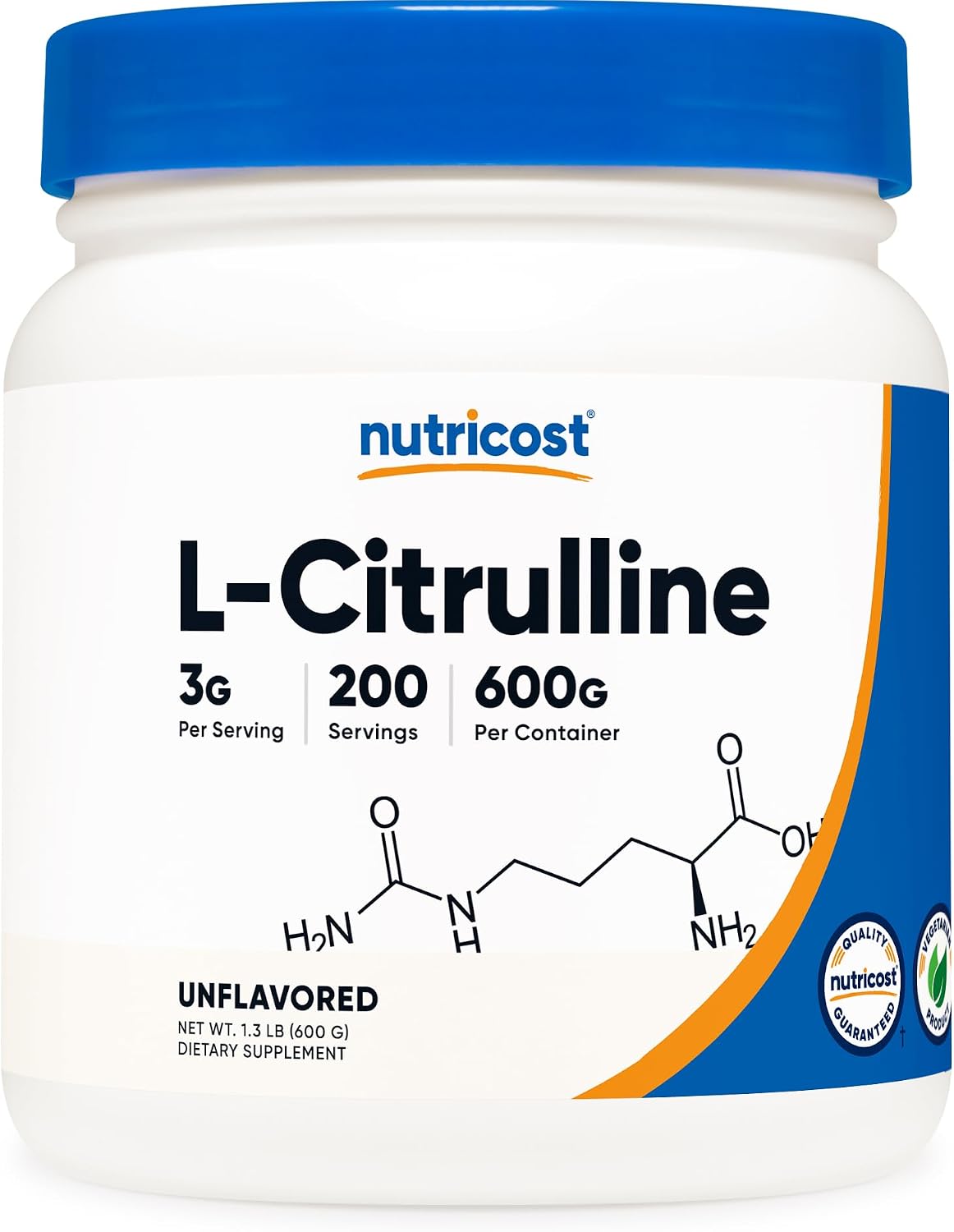
Creatine monohydrate has a long record in strength training. Muscles use creatine phosphate to recycle energy during short, hard efforts, such as a heavy set or a fast stair climb with bags in your hands. A small daily amount, often about 3 to 5 grams, fills those stores for many people and makes another rep more available. Nutricost creatine monohydrate is the plain powder, which is the form used in most of that research. The same tub is on Amazon. Take it at a time you will remember. A loading week is optional. If you live with kidney disease, ask your clinician before you add it.
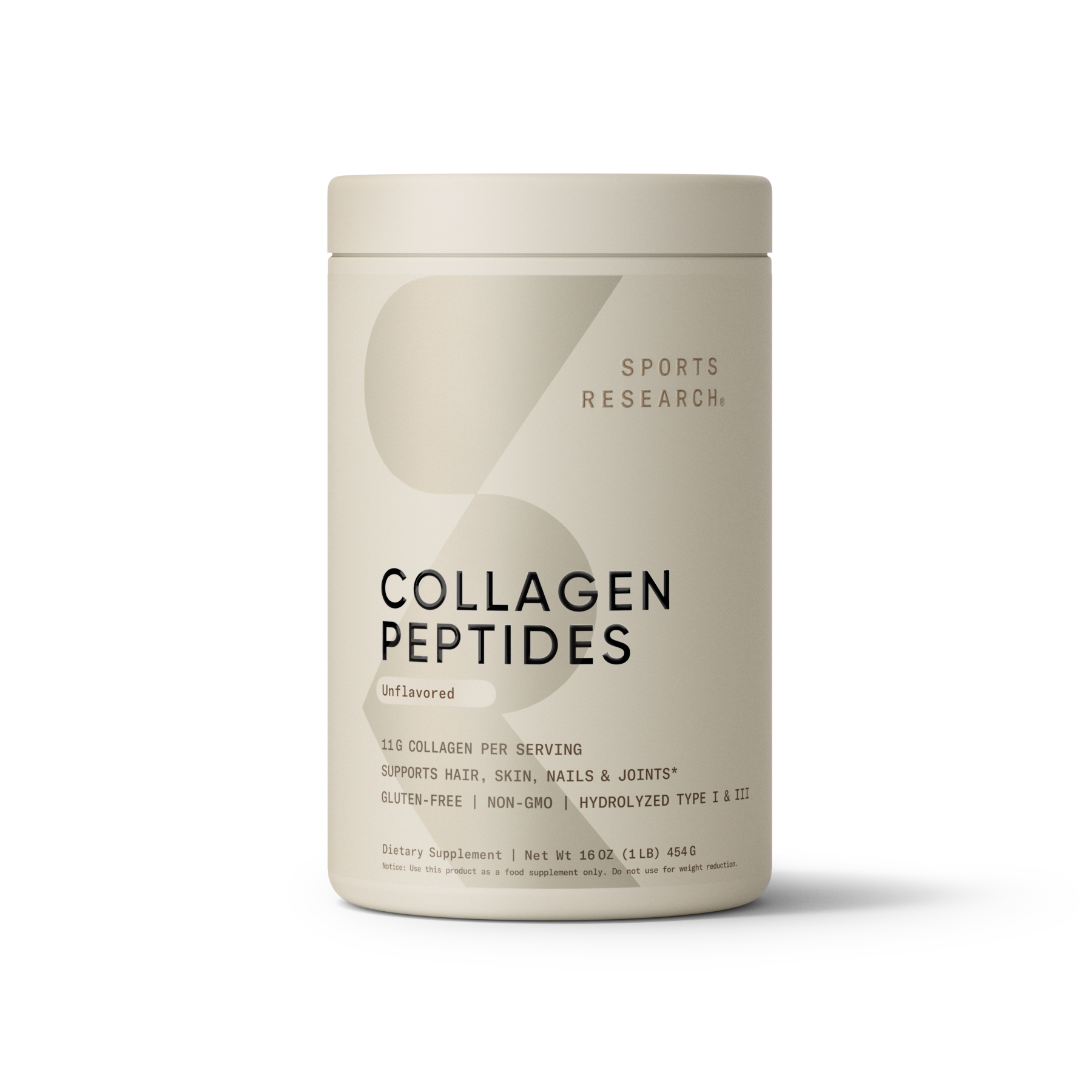
Collagen peptides play a different role. Whey is rich in leucine, which supports muscle repair. Collagen is rich in glycine and proline, which show up in tendon, ligament, cartilage, and bone. Some people drink it before training, with a piece of fruit, because connective tissue turns over slowly. Sports Research collagen peptides is the option here, and it is also on Amazon. Use collagen for the tissues that let you keep lifting. Use whey, or a protein-rich plate, for the muscle itself.
Simple equipment and the recovery that lets strength last
Adjustable dumbbells remove a common reason people skip. The Bowflex SelectTech 552 changes weight with a dial, so a squat, a press, a row, and a carry can happen in a small room. The device page describes who it suits, and you can compare the listing on Amazon, because prices move. Start with loads you control. When soreness makes the next session easy to skip, the Thermacool massage gun can help a thick muscle, such as the thigh or calf, feel more comfortable. It is on Amazon as well. Move it slowly, with easy pressure, and stay off bone, the front of the neck, and any sharp or nerve-like spot. If soreness means the last session was too much, change the training. Sleep and food do the real recovery.
Sleep is the recovery tool you already own. The sleep quality pillar explains how a regular night supports appetite, mood, and the repair that follows hard training. Short sleep makes the same weights feel heavier, and it makes skipping feel reasonable. Your heart and lungs still belong in a strength-focused week. Easy conditioning, at a pace where you can speak in full sentences, makes the rest between sets feel shorter and makes an evening walk feel light. That companion work lives on the breathing and cardiovascular health pillar. Two easy sessions support the muscle you are building, and they make stairs cheaper on the days you do not lift.
How the strength shows up, and how you keep it
Write down the exercise, the load, and the reps. When life interrupts, return to two sessions before you rebuild to four. Strength you still have later is a stack of ordinary weeks, including the restarts. Eat enough that training feels fueled. If fat loss is also a goal, keep protein high and keep lifting while calories come down a little, so the lifts stay steady while the scale moves. You are protecting the tissue that helps with blood sugar and bone.
You will feel it outside the gym. The suitcase reaches the overhead bin. You get up off the floor after playing with a child. Stairs leave your legs warm and your breath available. Those are the moments you want still present at 60 and beyond.
Questions people ask about strength and muscle
How often should I lift if I want strength in later decades?
Two full-body days each week can maintain a lot of muscle, and can build it if you are new or returning. Three days move the process a little faster for many people. A fourth day can fit when sleep, food, and joint comfort are already in place. The frequency that matters is the one you still follow three months from now. Put the sessions on the calendar, and leave easier movement between the harder days when you are starting out.
Can lifting help blood sugar if I already walk?
Yes. Walking uses glucose and is gentle enough to repeat, including after meals. Lifting builds the muscle that stores carbohydrate and that responds to insulin. Together they cover more of the day than either habit covers alone. A short walk after you eat, plus two or three lifting sessions in the week, is a strong ordinary plan. If you take medication for blood sugar, tell your clinician when training changes in a big way, because better muscle can change how the same meals land.
Do I need creatine, whey, and collagen to get stronger?
You need the training, enough food, and sleep. These products are support you add once those basics are happening. Creatine monohydrate has the longest record of the three for strength and repeated hard efforts. Whey helps when a meal would otherwise miss its protein. Collagen is a reasonable choice when you want to feed connective tissue while you load it. If money is limited, spend it on food and on a simple way to create resistance, and add one product at a time.
What should I do if getting off the floor is already hard?
Start with the easiest version that still feels like practice. Use a solid chair. Sit and stand for several smooth repetitions, and use your hands less as your legs get stronger. Beside a counter, practice going to one knee and standing back up, with a hand ready if you need it. When that feels easy, lower the target a little. Choose the version you can repeat with calm form this month. Over time, the floor becomes a place you can leave on your own.