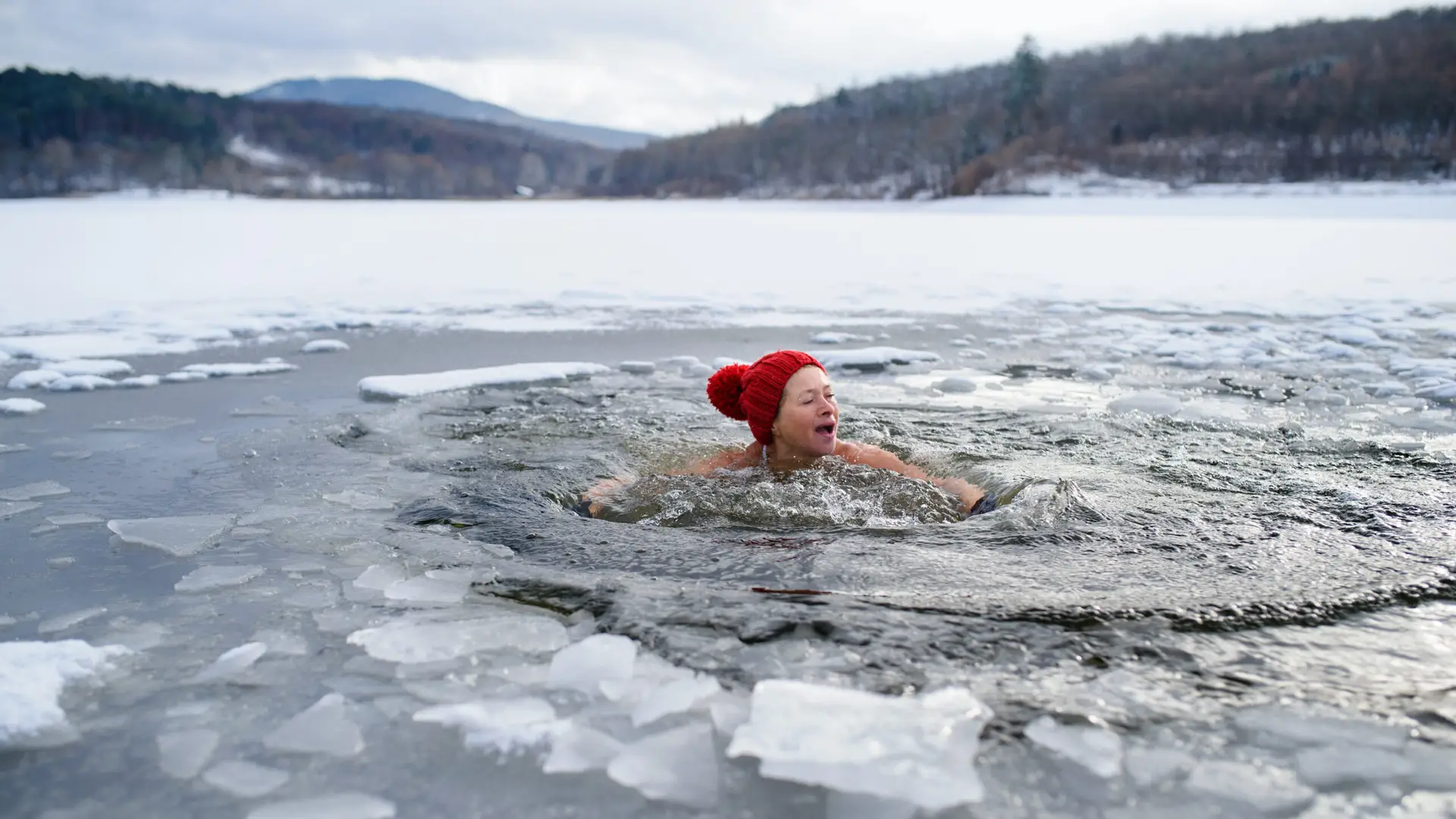
Cold exposure can mean a cool shower, a controlled plunge pool or open-water swimming. Those experiences differ substantially in intensity and risk. The first decision is which one you are considering; the second is what you want it to do.
For an athlete facing another event soon, reduced soreness may be useful. For someone focused on building muscle over months, the tradeoffs can look different. Treating every cold session as a general health improvement hides these distinctions.
What can cold-water immersion help with?
Sports research has examined soreness and recovery after exercise. Reviews suggest potential benefits for some short-term outcomes, while results vary with the exercise, protocol and measure used. Feeling less sore is a different outcome from growing more muscle or improving long-term performance.
Claims about immunity, metabolism and mental health need their own evidence. A strong sensation during a plunge does not establish a lasting change, and a laboratory explanation about stress hormones cannot by itself answer whether the practice improves your daily life.
Should you cold plunge after lifting?
Repeated cold-water immersion immediately after resistance exercise may interfere with some muscle-building adaptations. The practical implication depends on your priority and how often you use it. Recovering for a closely spaced competition and maximizing muscle growth are different planning problems.
There is no need to attach a plunge to every workout. If strength or hypertrophy is your main goal, discuss the timing with a qualified coach rather than copying a recovery routine designed for another sport. Our resistance-training guide explains the broader progression question.
How cold and how long?
There is no universally appropriate temperature-and-time prescription for a general audience. Water temperature, depth, previous exposure, health status and the setting all change the risk. Research protocols should not be lifted out of context and treated as a personal challenge.
Cold shock can suddenly affect breathing, heart rate and blood pressure. Hypothermia and loss of swimming ability are additional concerns, particularly in open water. Colder or longer is not a reliable measure of a better session.
Basic safety questions before trying it
People with heart or circulation conditions, unexplained fainting or other relevant medical concerns should seek individualized advice first. Use a supervised setting with a straightforward exit. Never combine immersion with hyperventilation or prolonged breath holding, and do not enter alone or after drinking alcohol.
Leave if you feel unwell. Chest pain, severe breathing difficulty or confusion require urgent help. A social-media routine should never become a reason to ignore those symptoms.
What matters when buying a cold-plunge tub?
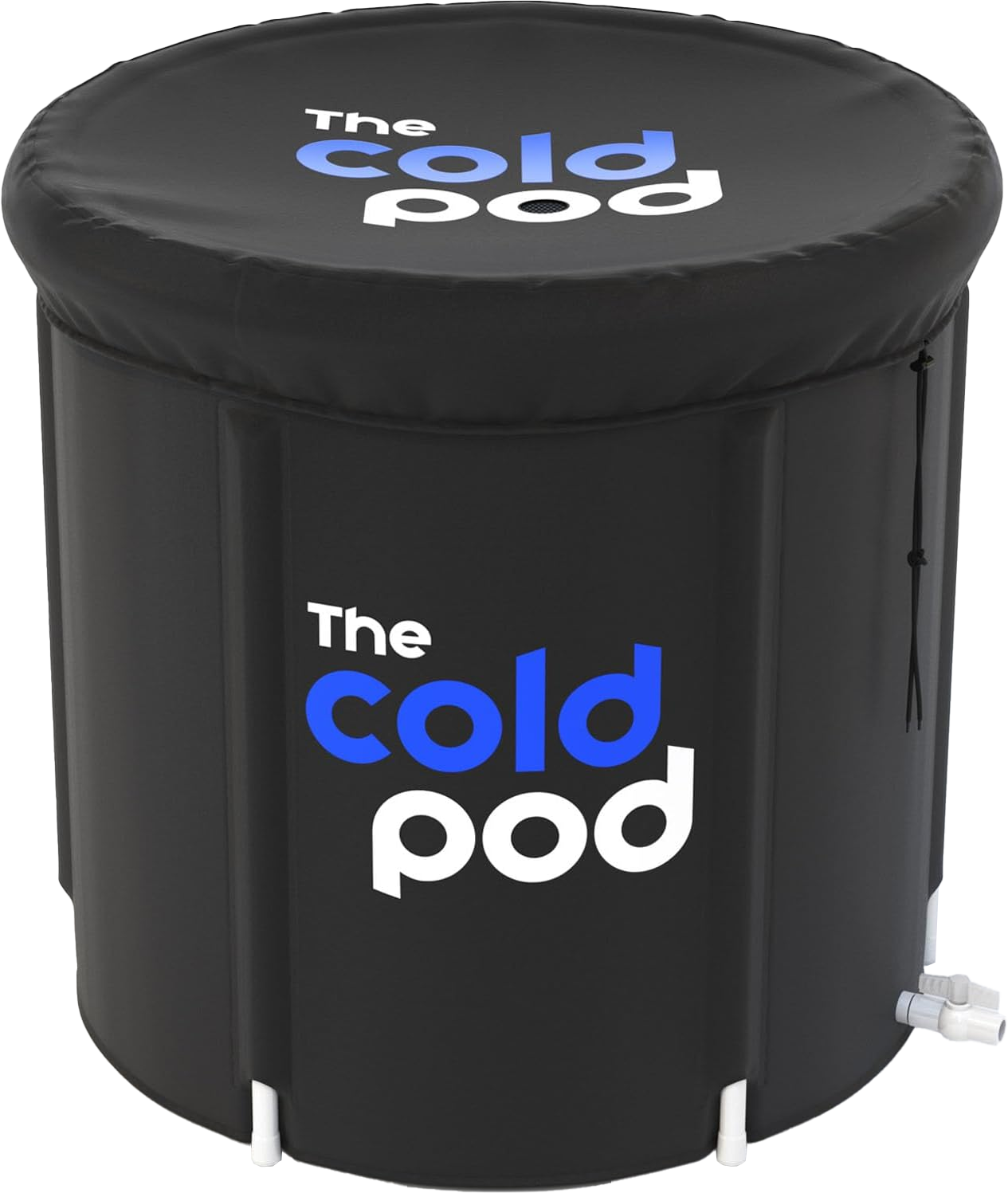
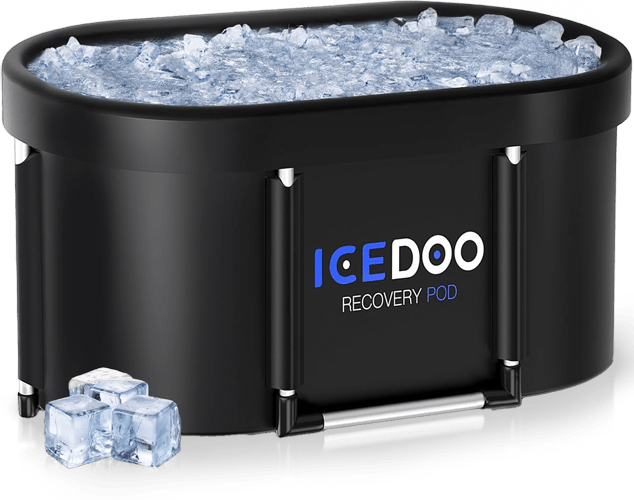
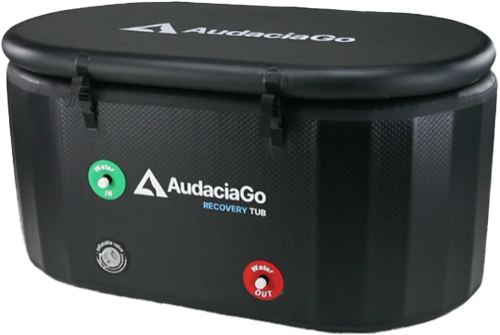
Think beyond cooling capacity. Consider entry and exit, a stable surface, drainage, electrical installation, water treatment, cleaning and how access will be restricted when the tub is unattended. Cold water still requires attention to hygiene; it is not automatically safe because it feels cold.
Ask for the maintenance schedule and replacement-filter costs before comparing prices. If you are unsure whether you enjoy the practice, trying a suitable supervised facility may answer that question before a large purchase. A tub is equipment for a chosen activity, not evidence that the activity is necessary for good health.