A sauna session combines heat, time and a place to sit without doing much else. Some people enjoy it as a regular pause after exercise or at the end of the day. That experience can be worthwhile on its own. The more ambitious claims about lifespan, detoxification and recovery need to be examined separately.
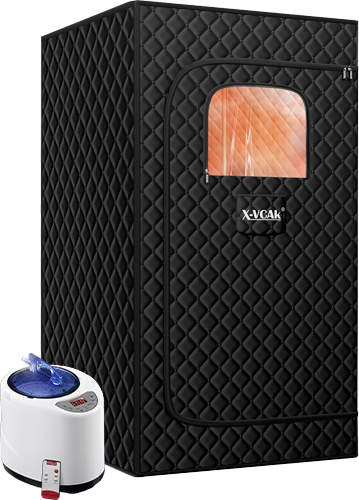
Before deciding how often to go, work out which kind of sauna you mean and what you want from it. A hot room, an infrared cabin and a heated blanket create different exposures.
Traditional sauna versus infrared sauna
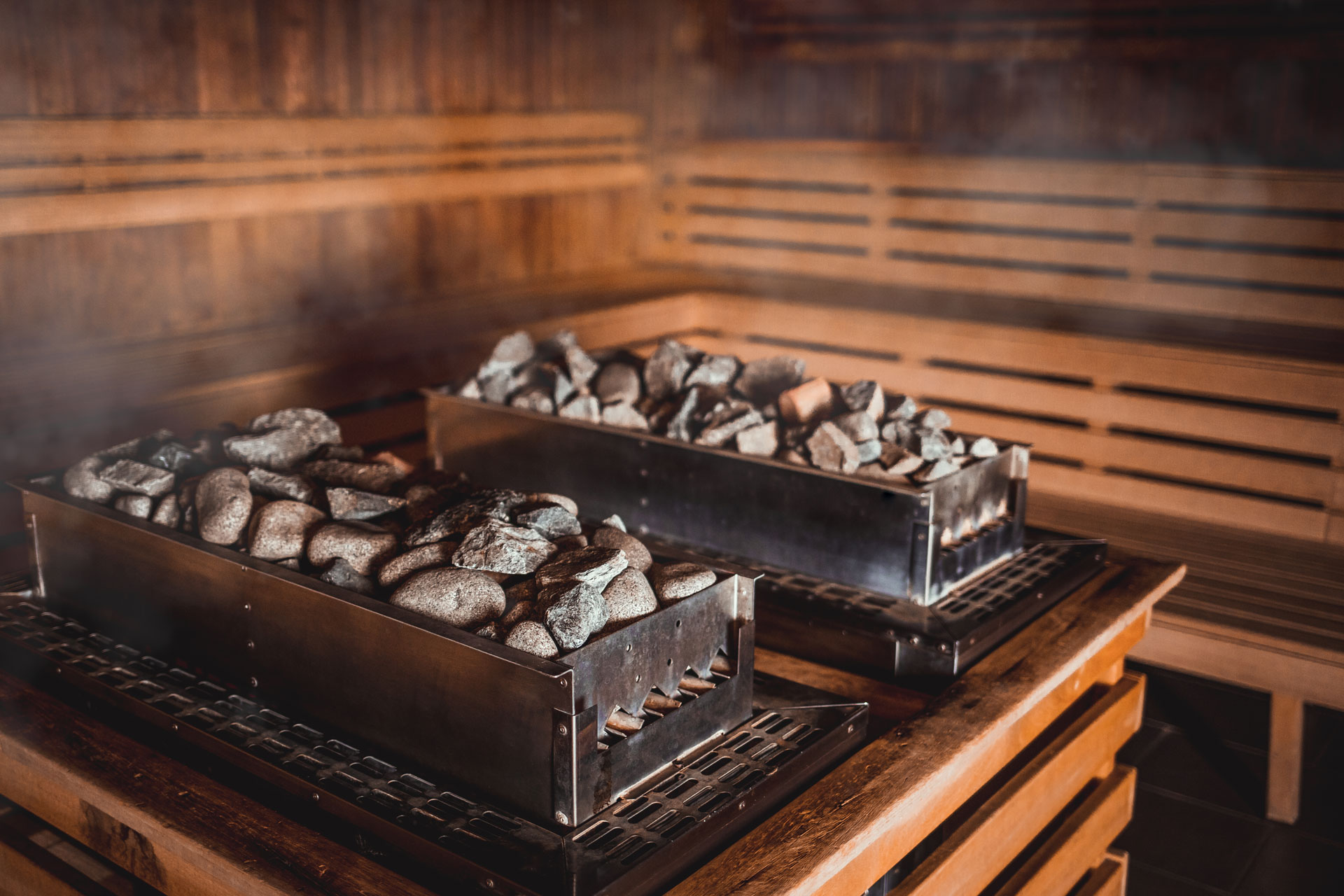
A traditional dry sauna heats the surrounding environment, often using a stove and heated stones. Infrared systems use radiant heaters and may operate with lower surrounding air temperatures. Humidity, ventilation and the way the body is exposed also affect how the heat feels.
The label alone does not establish which is better for your health. Comparing two products requires more than comparing their displayed temperatures. Ask what type of equipment and exposure were used in the research cited by the seller.
What benefits are supported by research?
Research has examined cardiovascular measures, symptoms and other outcomes, but the evidence includes a mixture of observational studies and interventions. A systematic review of repeated dry sauna use found promising findings alongside substantial differences between studies and limitations in the available evidence.
Observational associations are especially easy to overinterpret. People who use a sauna regularly may differ in other ways from those who do not. An association with better health does not prove that adding sauna sessions will produce the same result for an individual.
The useful question is narrower: which outcome was measured, in whom, and with which exposure? A small study in a clinical population cannot justify every claim printed on a home sauna advertisement.
How long should a session last?
There is no single duration that fits every sauna, person and purpose. Heat tolerance, temperature, humidity, health conditions and medicines all affect the situation. Follow facility or equipment instructions and seek individual advice when relevant, rather than trying to match an influencer’s maximum time.
For planning, make sure you can leave easily, cool down and replace fluids appropriately. Avoid alcohol around heat exposure. Stop if you feel dizzy, nauseated, faint or otherwise unwell. A clock does not overrule those signals.
Does sweating mean you are detoxing or losing fat?
Sweat helps regulate temperature. A lower scale reading after a hot session can reflect fluid loss; it should not be interpreted as an equivalent loss of body fat. Broad detox claims also need a named substance, reliable measurements and evidence of a meaningful health benefit.
Be cautious about using how much you sweat as a score. It is a poor way to compare two people or decide whether a session was successful. For fitness goals, sauna use belongs alongside an appropriate plan for activity, food and recovery.
Is a home sauna worth the cost?
Try the experience before committing to equipment if possible. Then consider installation, electrical requirements, ventilation, cleaning, ongoing costs and whether the space will remain convenient. A product that is awkward to set up may be used very differently from the routine you imagined.
Check the exact intended use and safety instructions of blankets or portable units. People with cardiovascular conditions, pregnancy or medicines affecting heat tolerance should discuss suitability with a clinician. If your interest is post-exercise comfort, compare the practical tradeoffs with percussion massage and cold exposure, rather than assuming all recovery tools do the same thing.