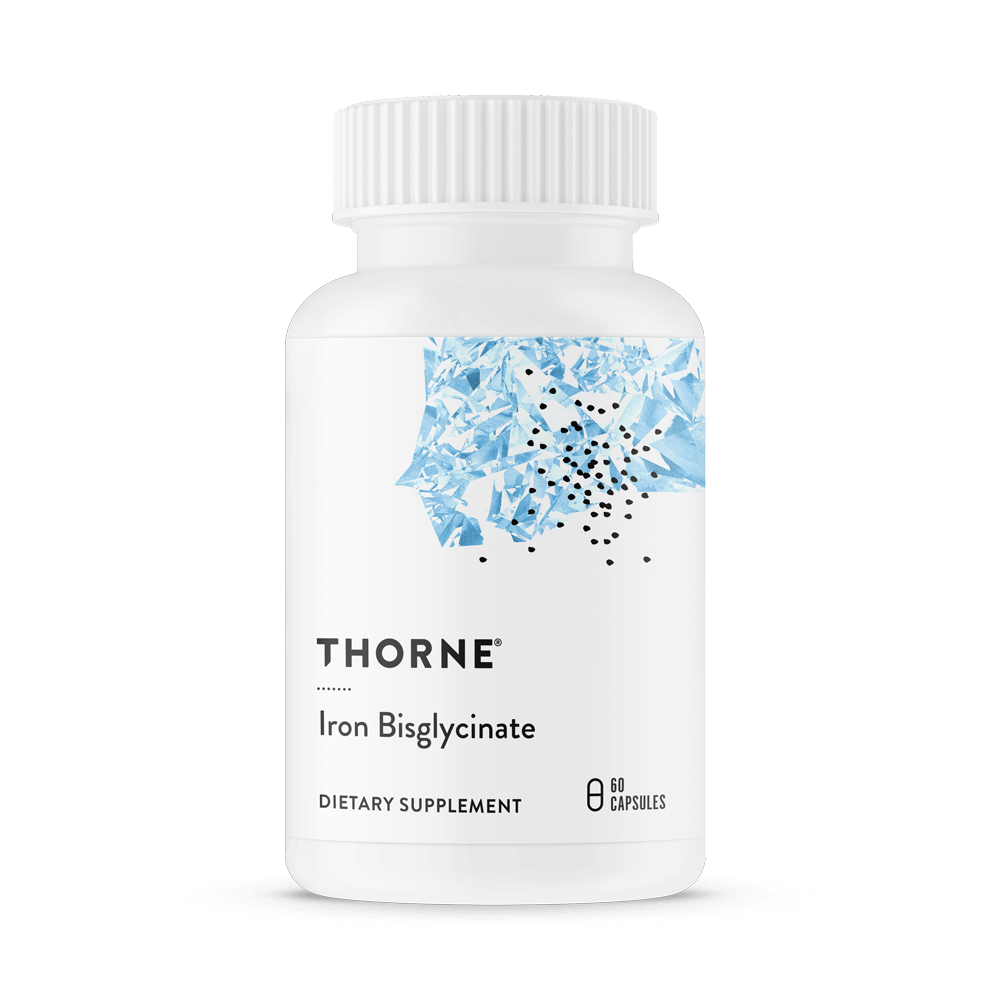
Iron is for people whose stores are actually low. The lab is ferritin, plus a blood count if someone is tired enough to ask. Supplementing iron because a podcast said women are deficient, without a number, is how you collect constipation or, rarely, overload. Hemochromatosis is the hard stop. If a clinician has already seen a low ferritin, the form matters more than the brand story: ferrous sulfate works and often wrecks the gut. Bisglycinate is the chelate people tolerate.
Dose, and why 25 mg is not a protocol
Elemental iron is the number that counts, not the weight of the compound. A 25 mg bisglycinate capsule is a gentle daily dose. Deficiency treatment is often higher, and it is prescribed, and it is rechecked. One small trial in pregnancy found 25 mg of bisglycinate roughly matched a higher dose of sulfate for prevention, with fewer gut complaints. That is a tolerability argument, not permission to skip the person managing a pregnancy. Men who are not bleeding and not diagnosed should be slow to add iron. The hormone page already treats ferritin as a cheap lab, not a vibe.
Take it away from coffee, tea, calcium, and magnesium. Those block absorption. Vitamin C in the same sitting helps. Thyroid hormone and some antibiotics want a few hours of distance, same as zinc. Dark stool can happen and is not automatically a bleed. Nausea means you took it wrong for your stomach, or the dose is high. Stop and ask if you are in pain, not just annoyed.
Food still counts
Red meat, shellfish, and (less efficiently) lentils are iron. A vegan who is tired needs the lab before the capsule, because B12 and iron get blamed for each other. On supplementation this is not on the short list for everyone. It is on the list for a low ferritin. Recheck. Do not stay on it for a year because the bottle is in the cupboard.
This page is not medical advice. Amazon prices move. The affiliate link uses tag hackthatlife2-20.