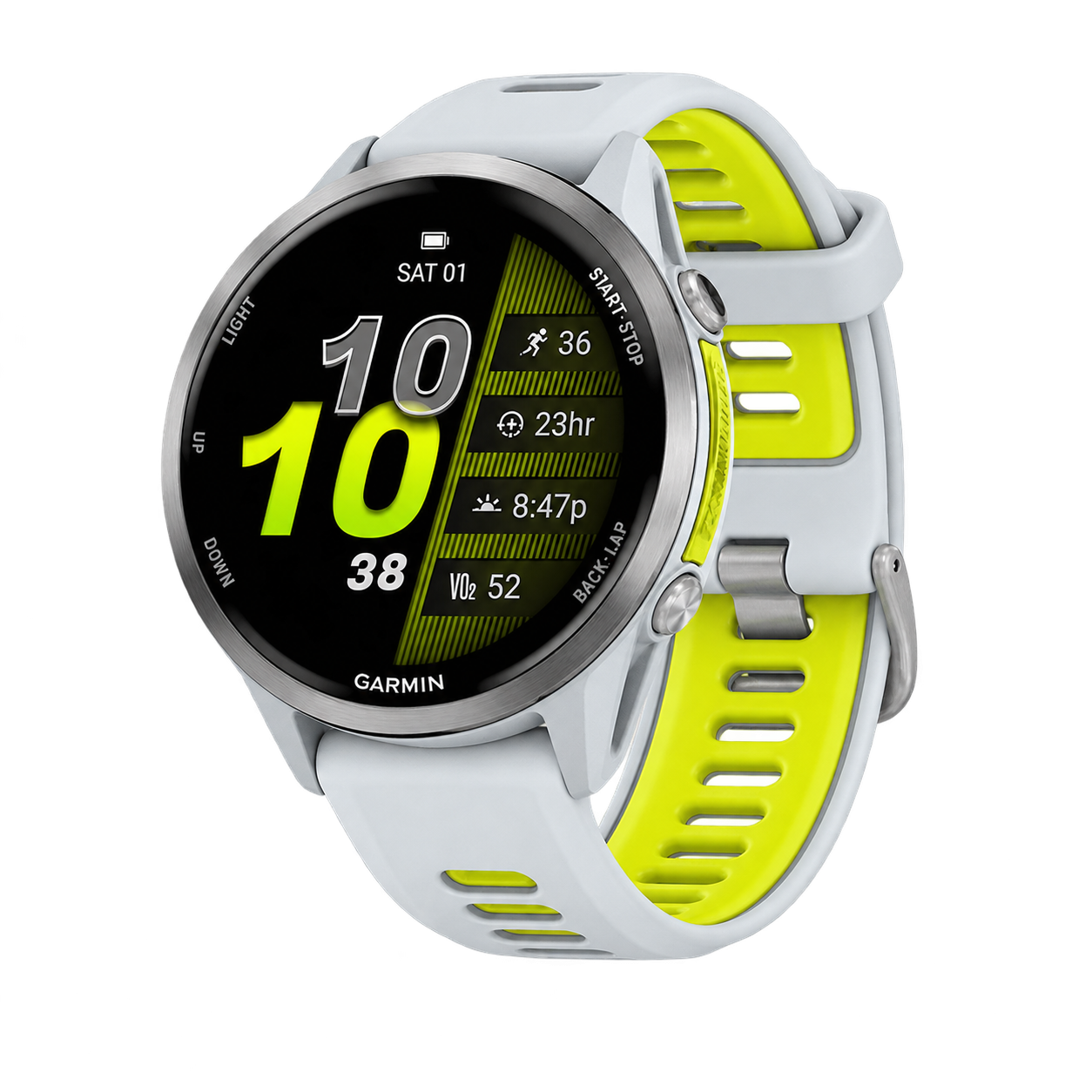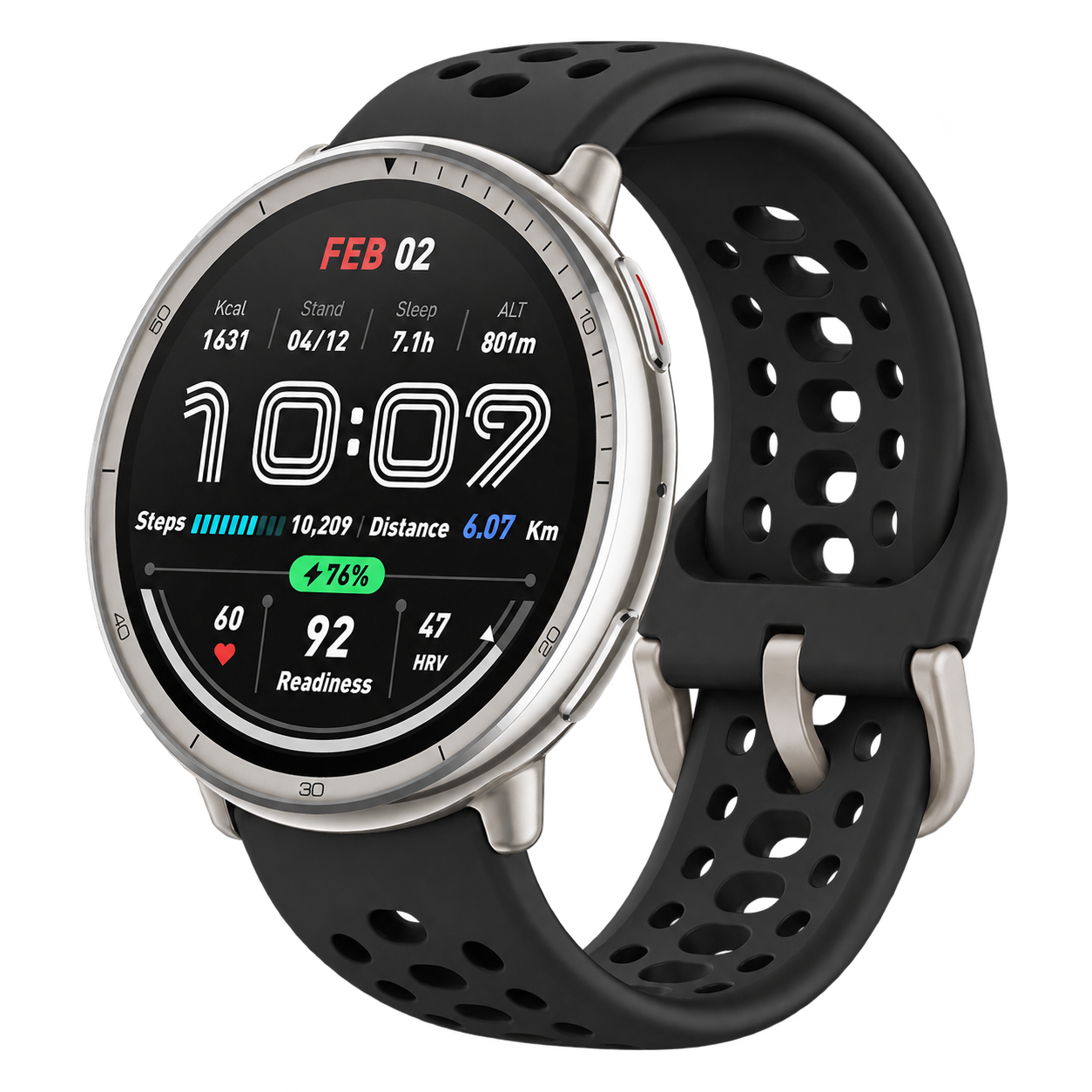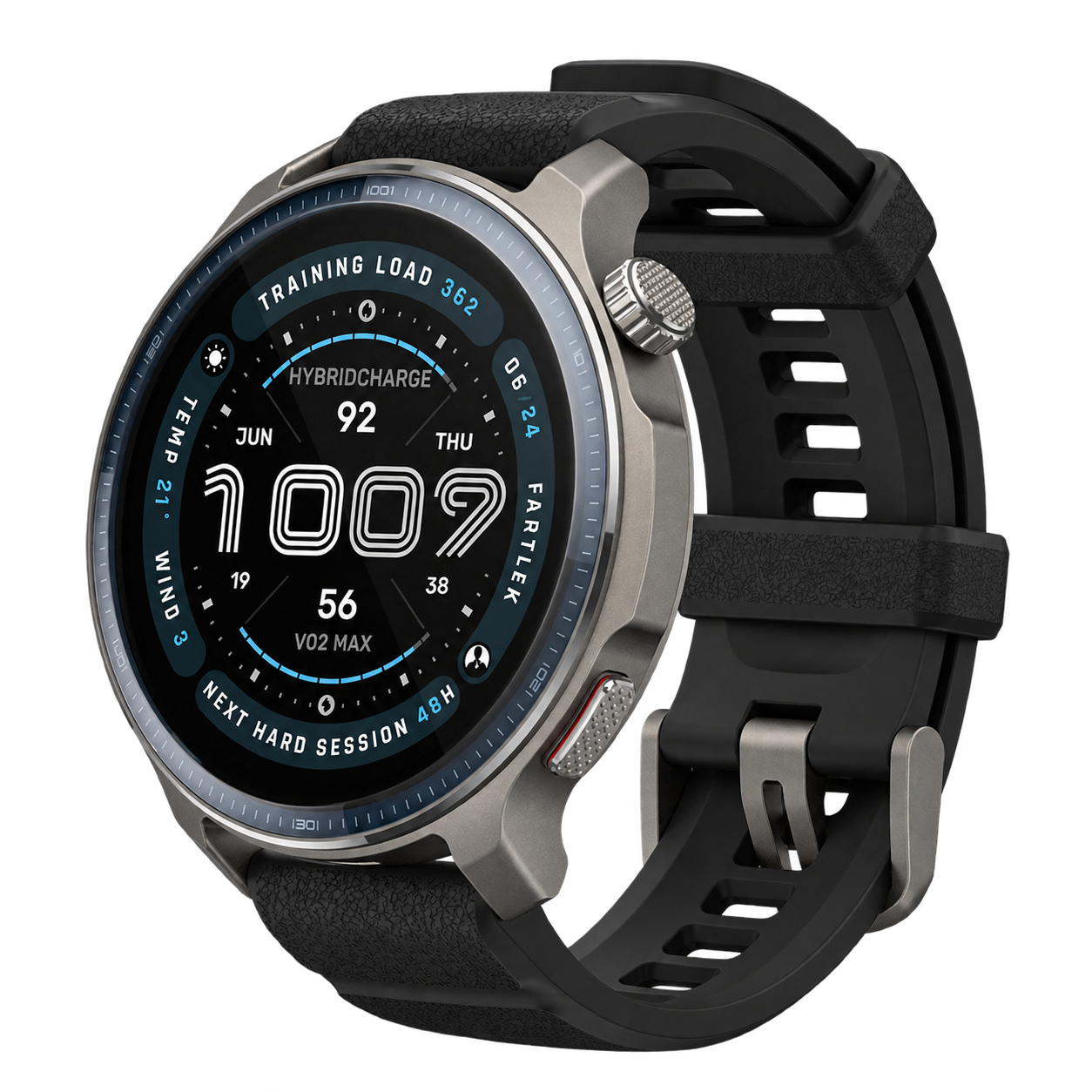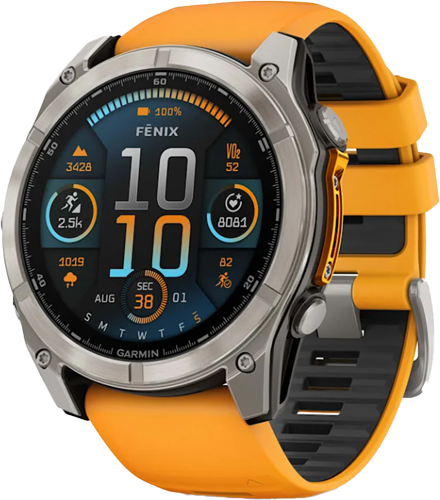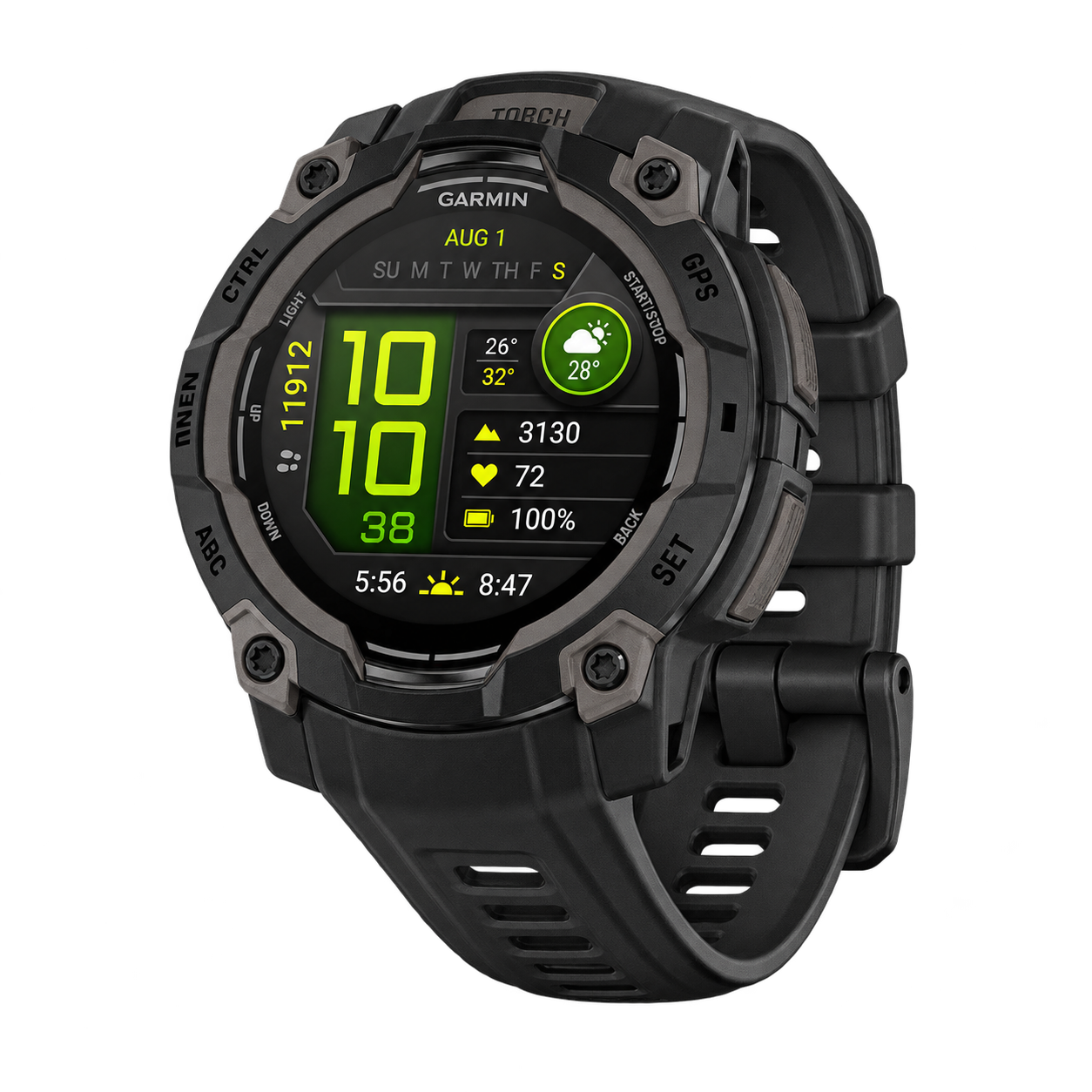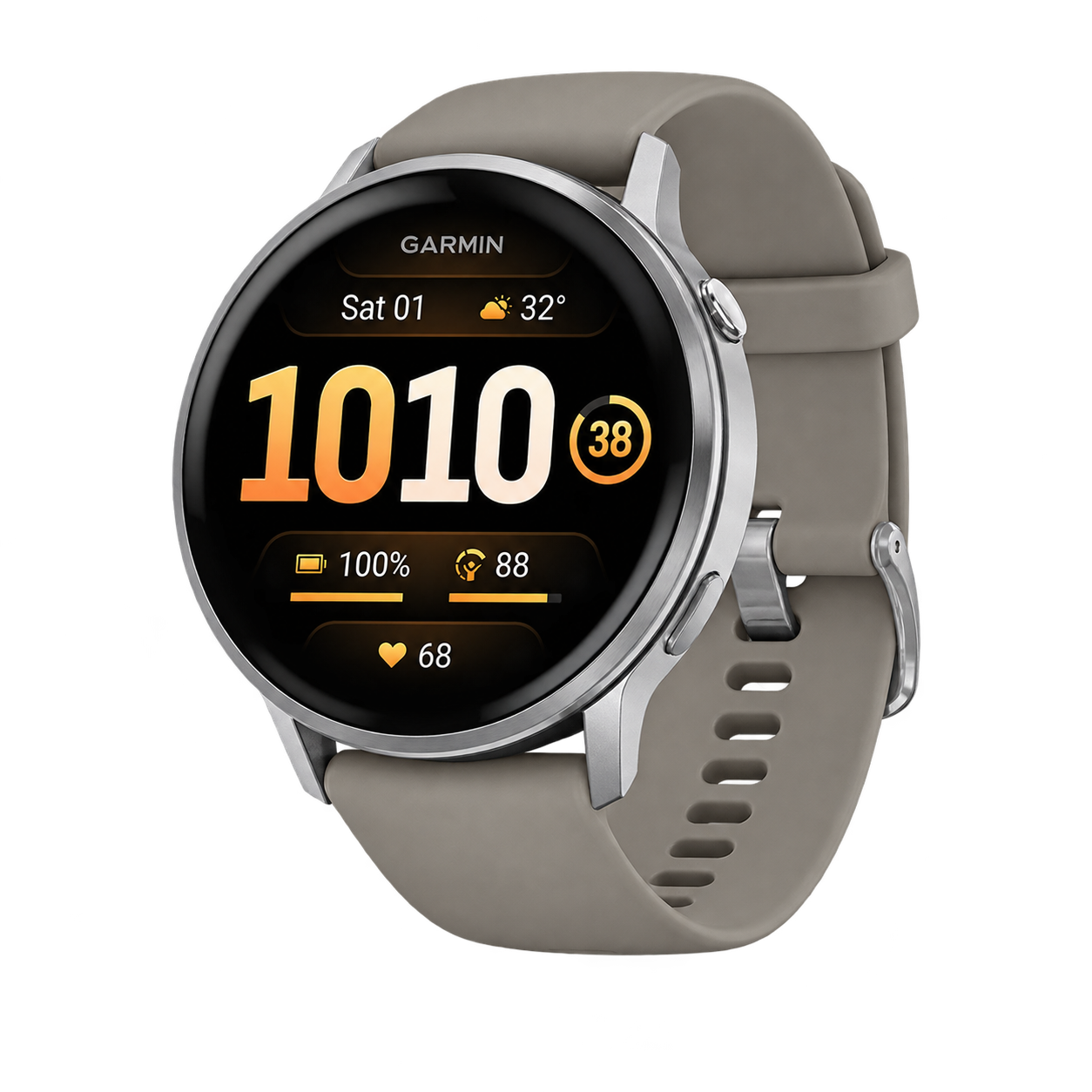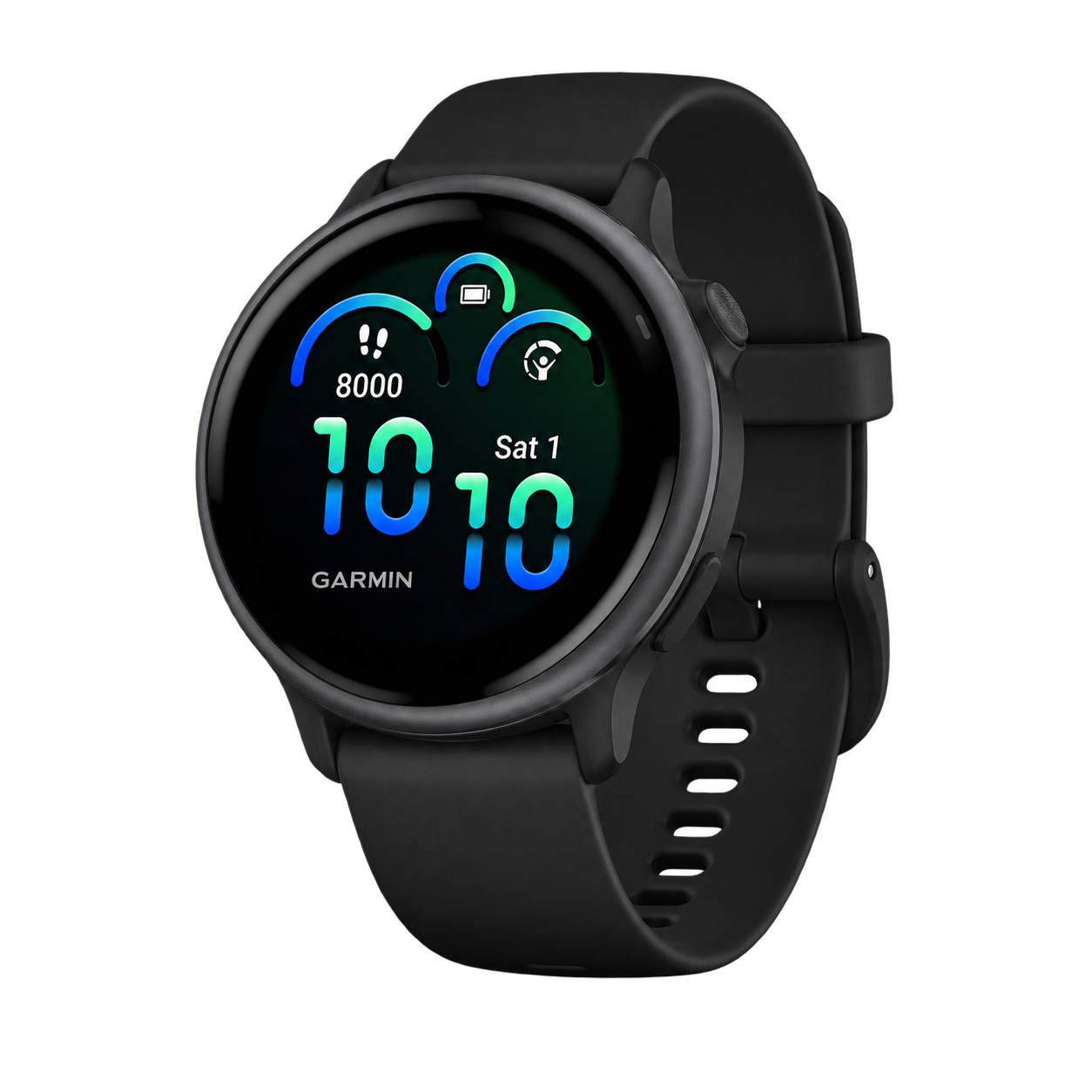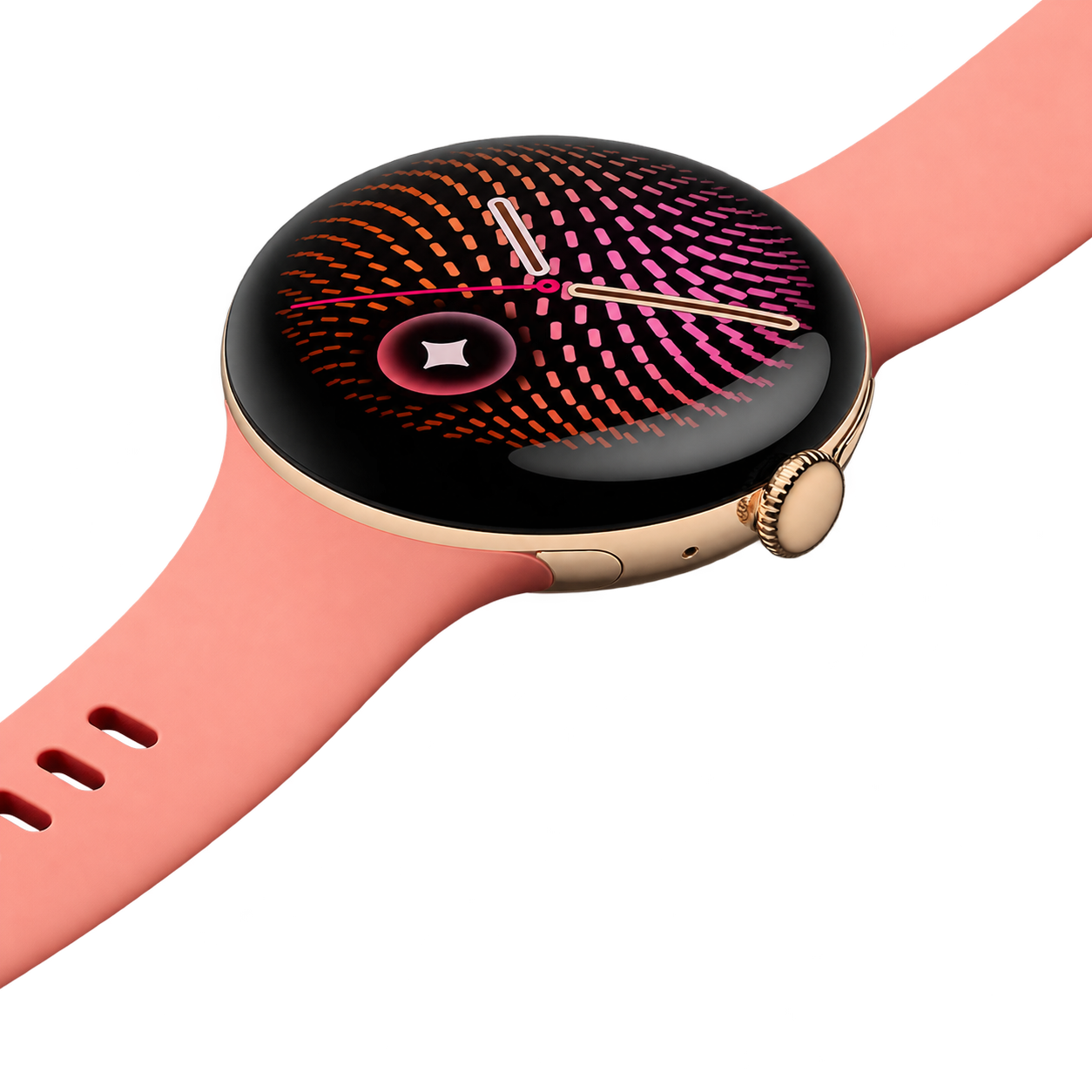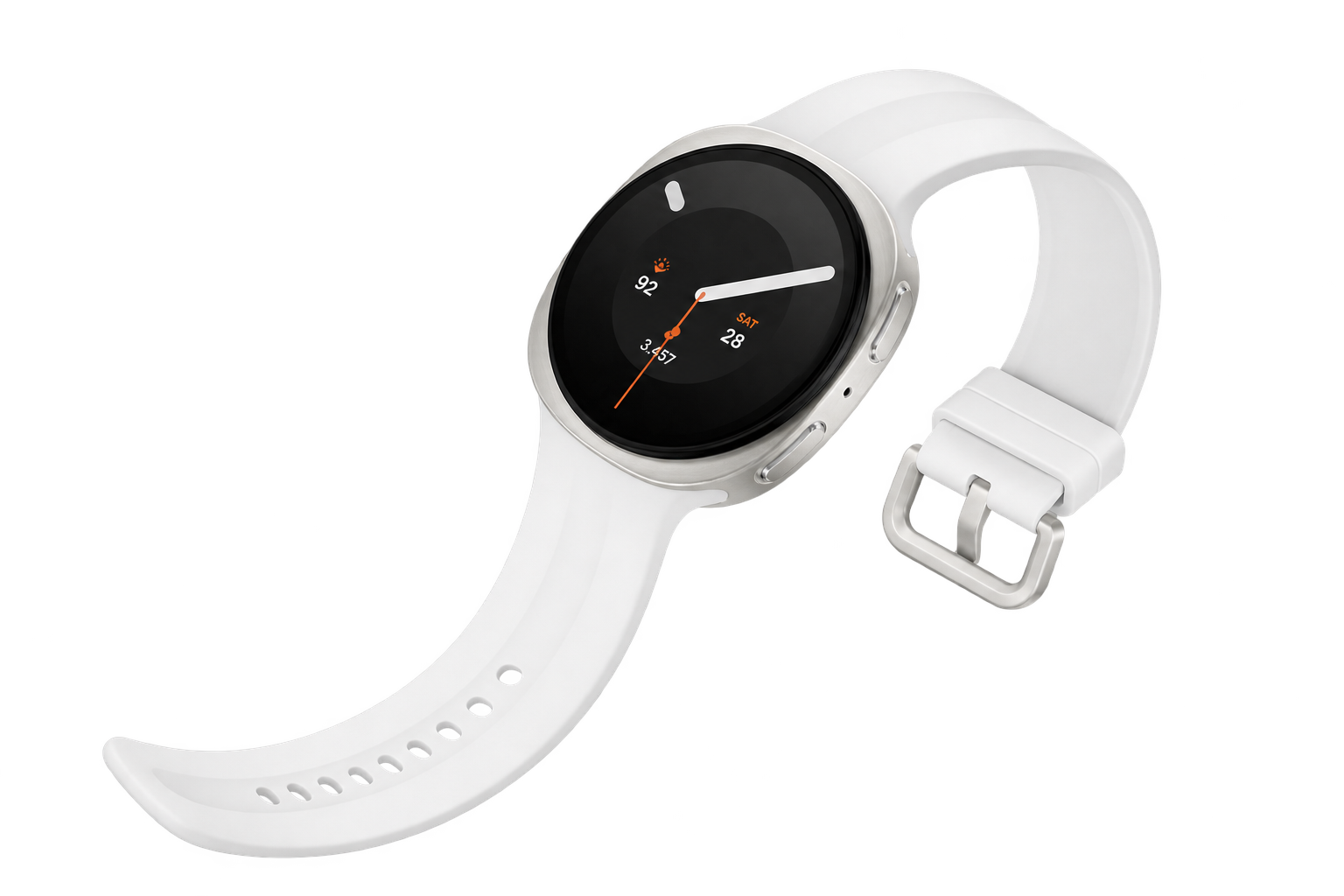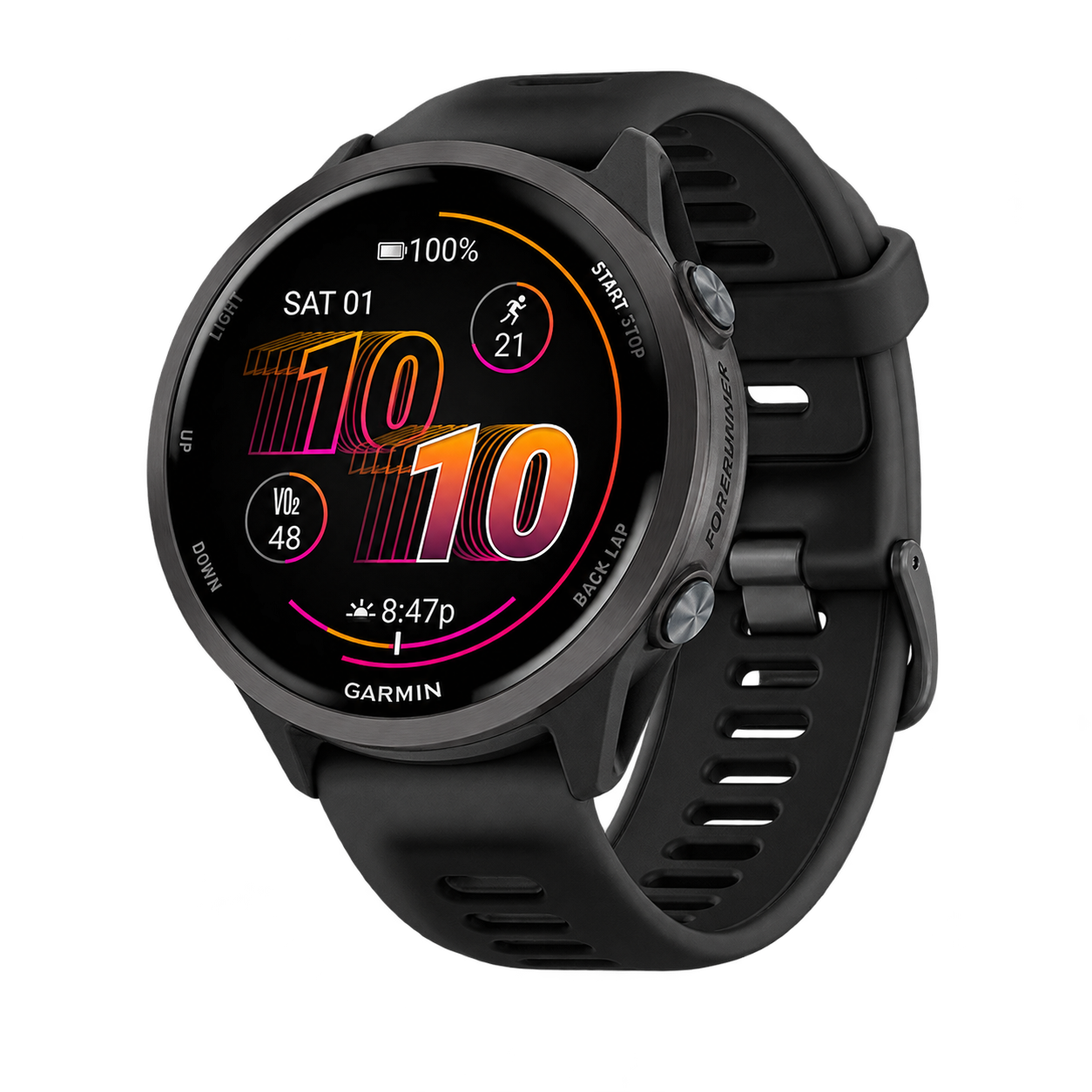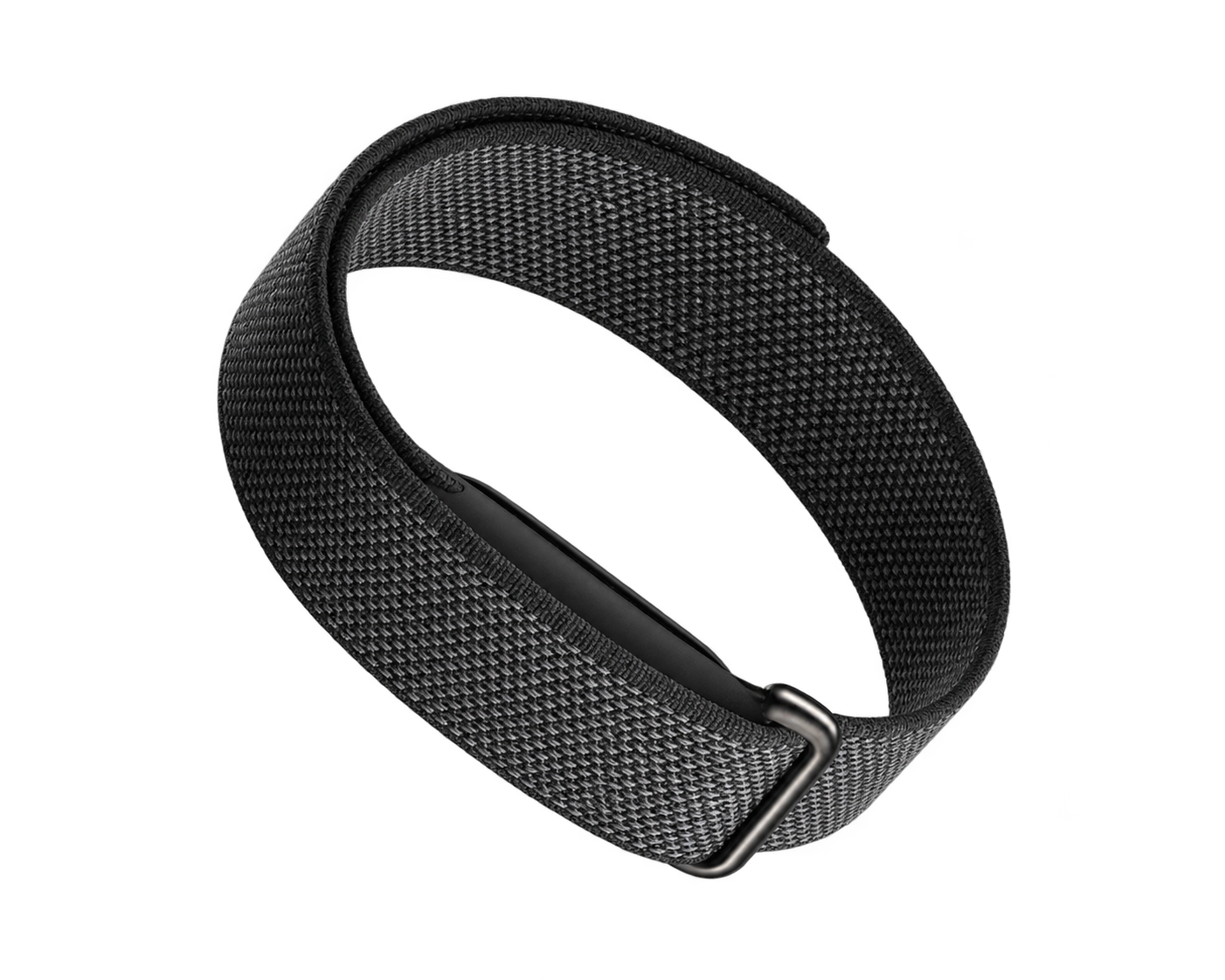
A wearable can make patterns easier to notice. You might see that your bedtime moves later every weekend, or that an unusually demanding week changes your usual overnight readings. The useful part is connecting a measurement to a question you can act on.
The difficult part is remembering how much interpretation happens between the sensor and the number on your screen. A watch measures signals. Its software turns those signals into estimates, categories and scores.
How does a watch know you are asleep?
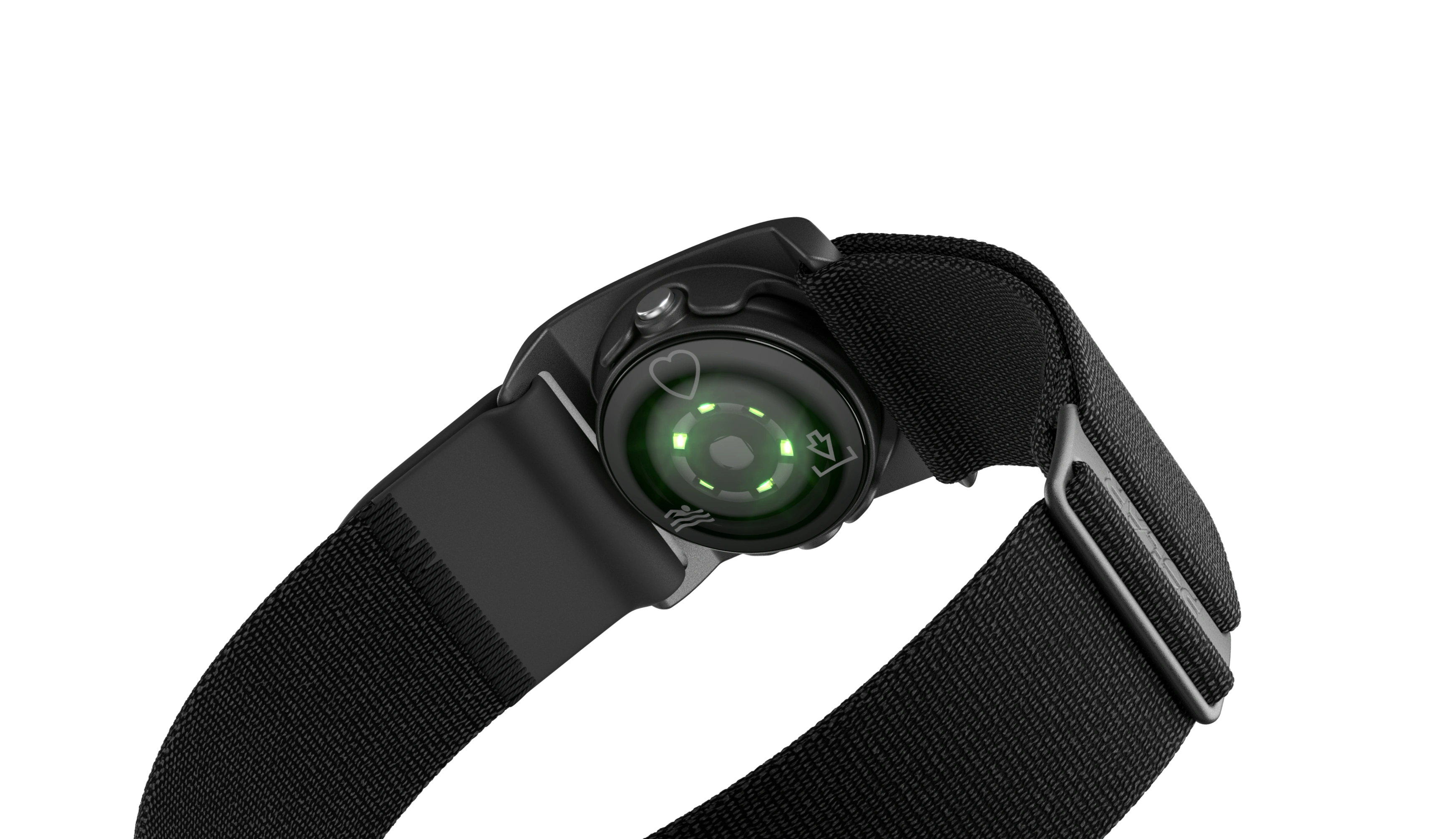
Consumer devices commonly combine movement and optical pulse signals to estimate sleep. Some add temperature or other measurements. They generally do not collect the same set of signals as a clinical sleep study, which can include brain activity, eye movements, breathing and muscle activity.
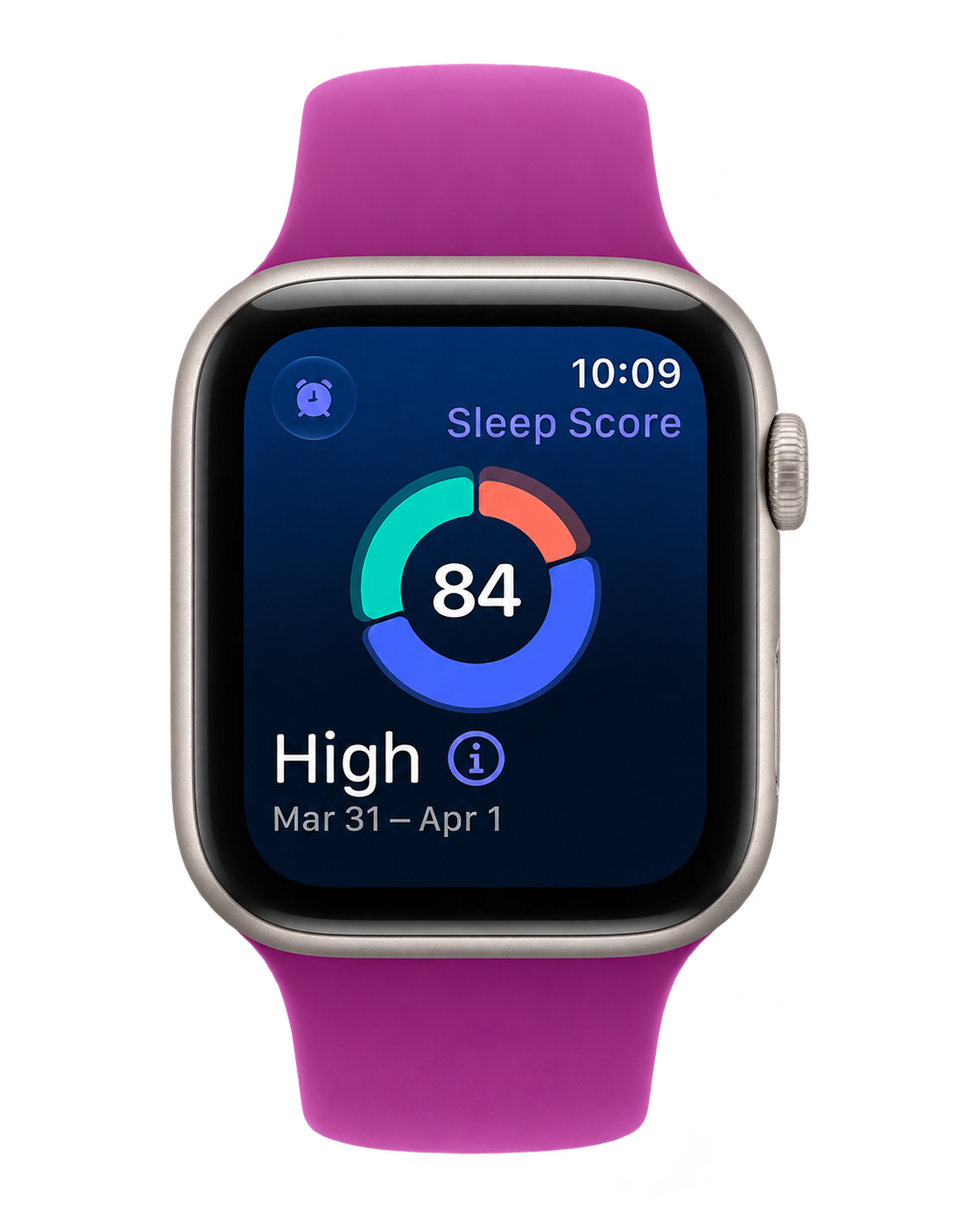
That matters most when you examine the fine detail. An estimate of your overall sleep timing and a claim about the exact minutes spent in a particular stage are different tasks. Accuracy varies by device, algorithm, person and circumstance. A precise-looking number is still an estimate.
What should you do with sleep scores and HRV?
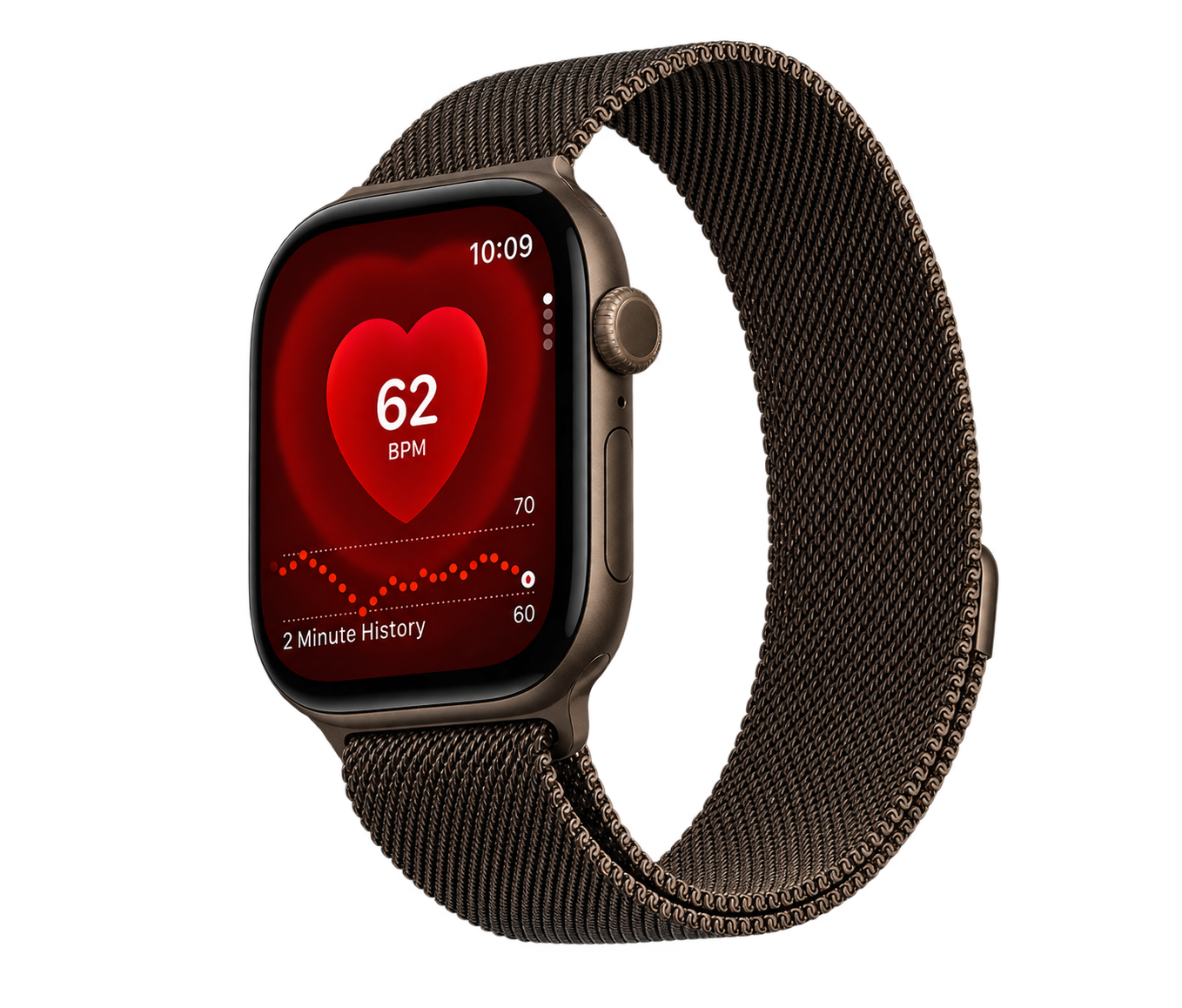
Heart rate variability describes variation in the timing between heartbeats. Wearables calculate and present it in different ways, so comparing a number from one brand with a friend’s number from another can be misleading.
Look for your own pattern under reasonably consistent conditions. Then ask what else was happening: illness, travel, training, alcohol, stress or a poor sensor fit. A single low recovery score does not explain the cause or diagnose a problem.
It helps to choose one question for a few weeks. For example, do more consistent bedtimes correspond with feeling more alert? Record the habit and how you feel alongside the device data. Changing five habits at once makes it difficult to interpret any improvement.
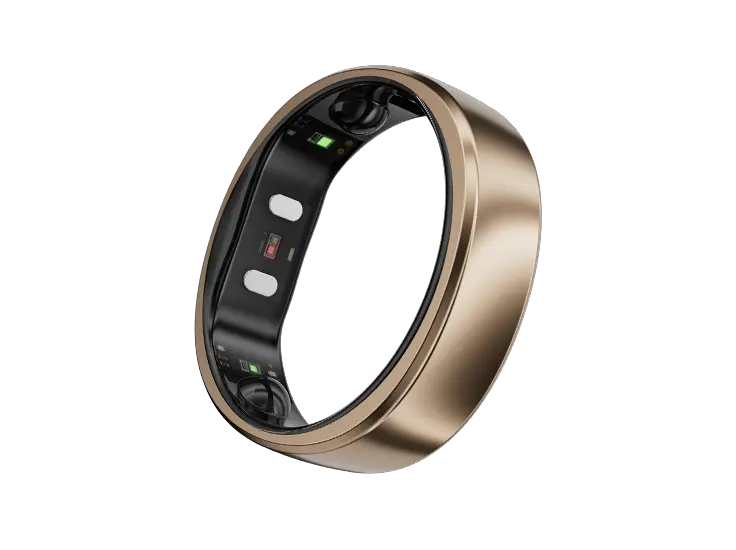
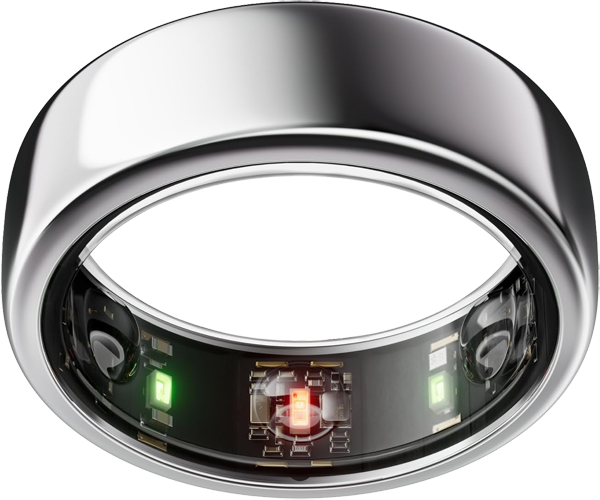
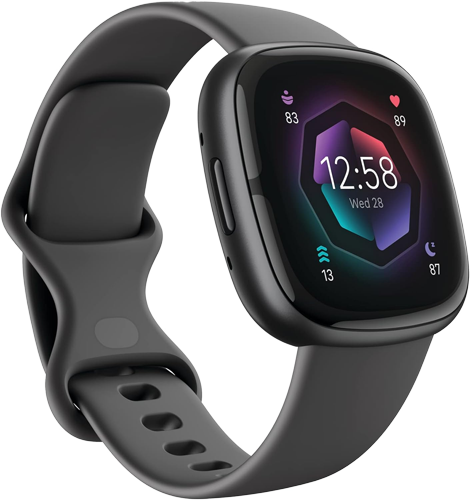
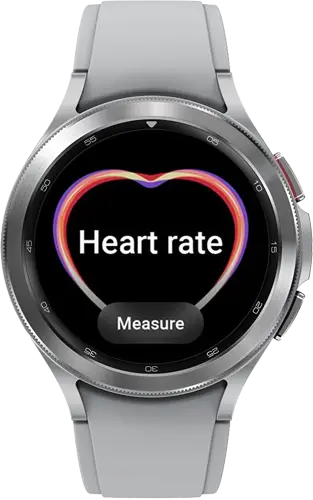
Smart ring or smartwatch?
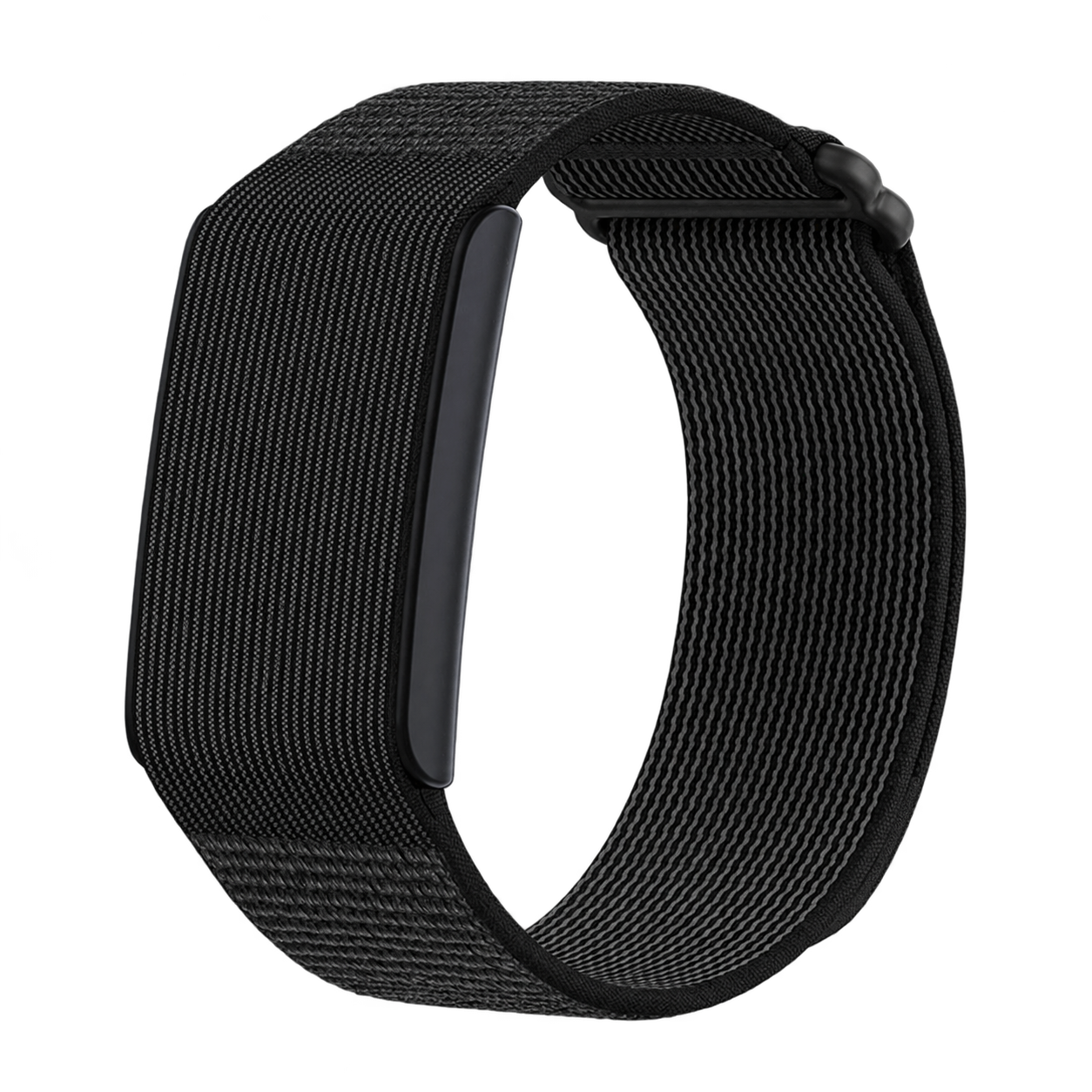
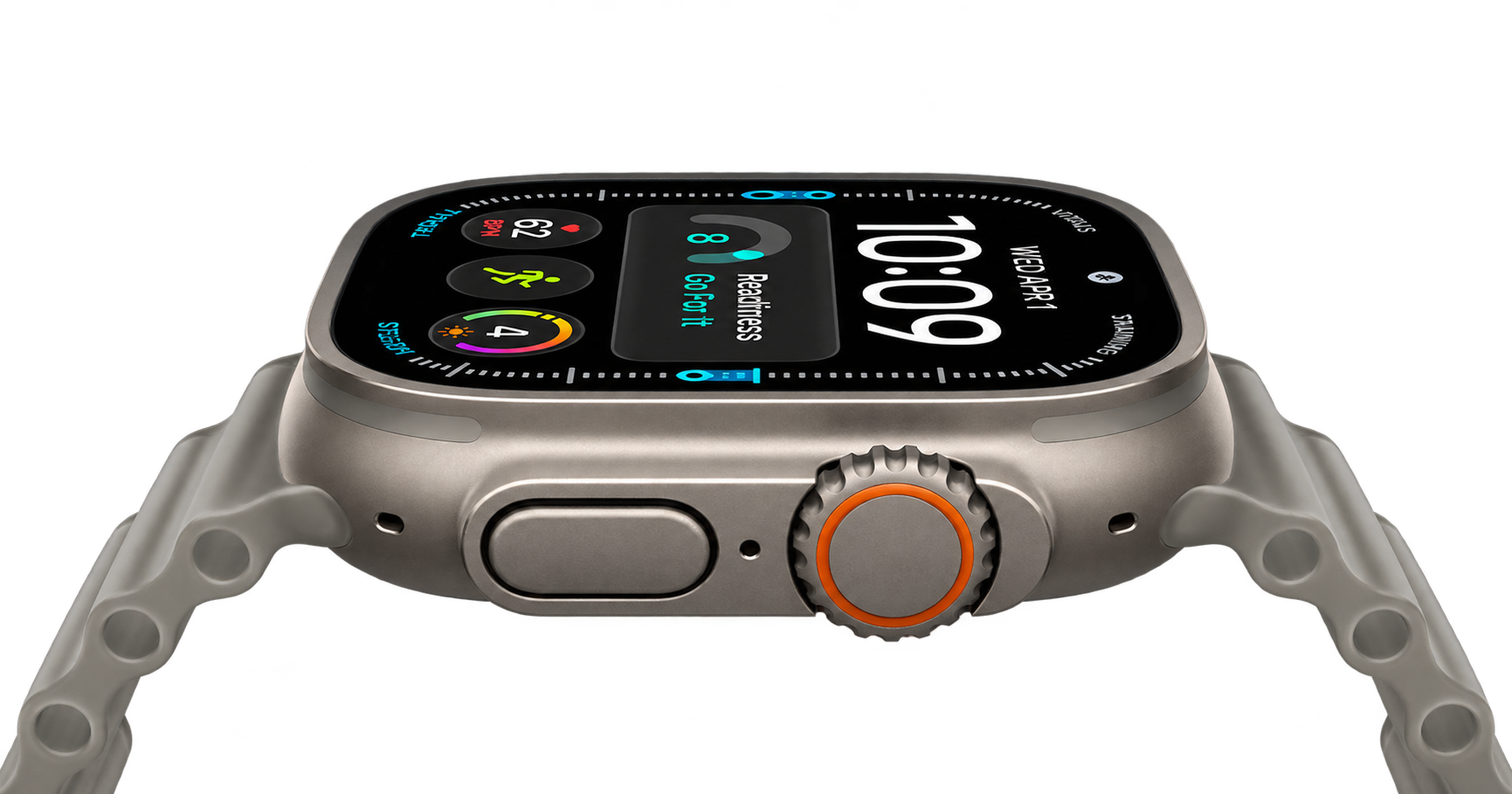
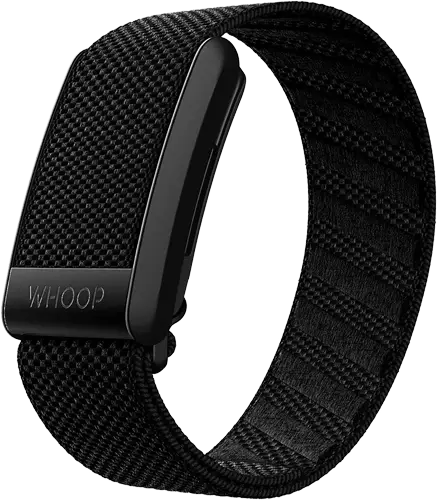
Comfort and use case are often more important than the longest feature list. A ring may be easier for you to wear overnight. A watch offers a screen and may be more convenient during a workout. Either can become unhelpful if it is uncomfortable, frequently uncharged or distracting.
Before buying, check phone compatibility, subscription requirements, return terms and whether you can export your records. Look for validation of the exact model or measurement you care about. A study of heart-rate accuracy does not validate every sleep or readiness feature in the same app.
Can a wearable detect sleep apnea?
Some specific products have authorized features for particular medical purposes. That is different from assuming every sleep tracker can diagnose sleep apnea. Read the exact feature’s intended use and limitations.
Loud snoring, witnessed breathing pauses or persistent daytime sleepiness deserve a clinical discussion even when an app gives you a reassuring score. Bring your observations and, if helpful, a short data summary. The AASM’s position statement explains why consumer sleep technology should not automatically substitute for clinical evaluation.
When less tracking is more useful
If checking your score each morning changes how you feel about an otherwise reasonable night, try a break or reduce how often you review it. A device should support a decision, rather than become another nightly performance target.
For changes you can make without buying a tracker, start with your sleep environment. The sleep pillar connects the broader subjects behind the measurements.