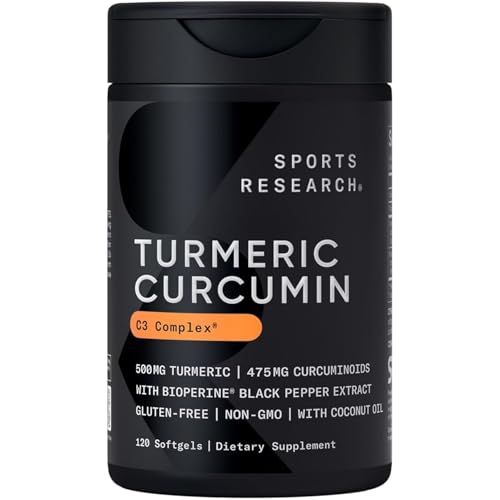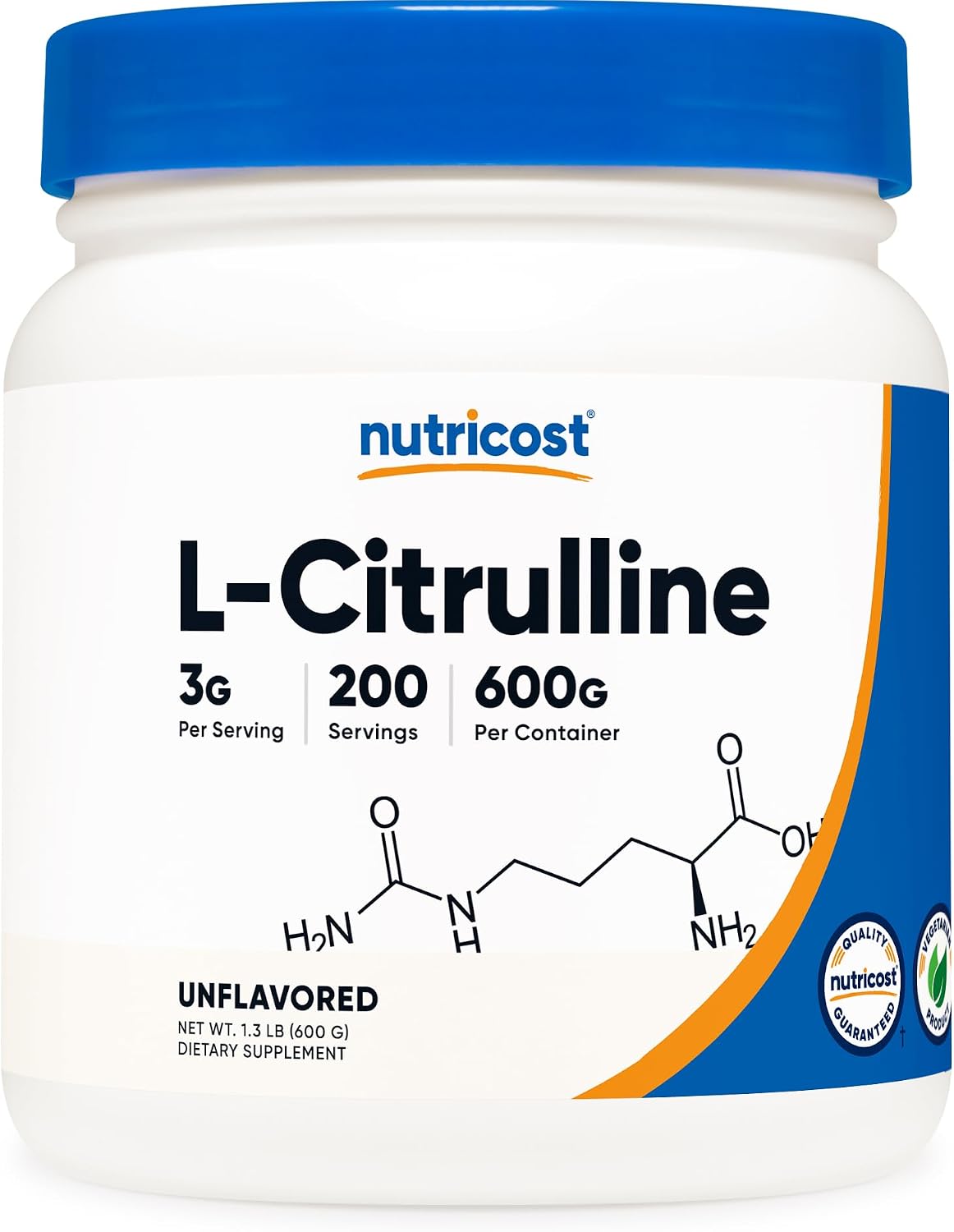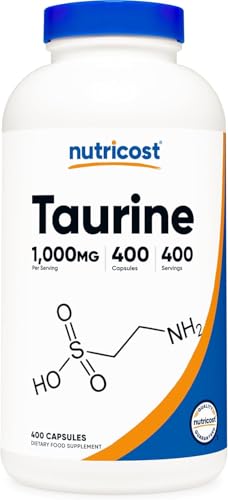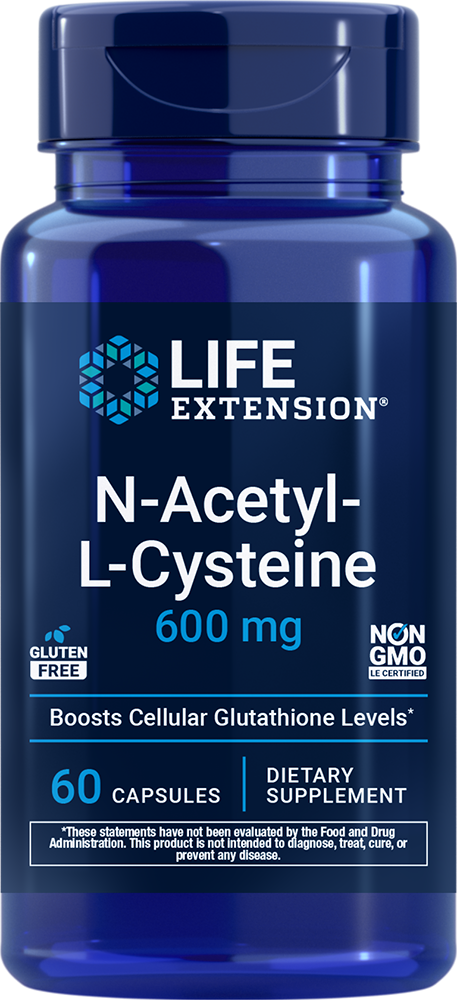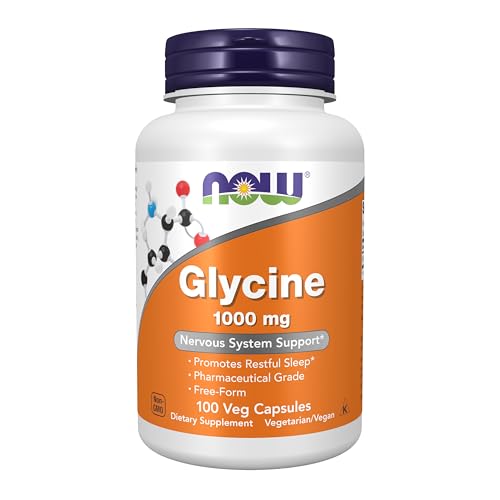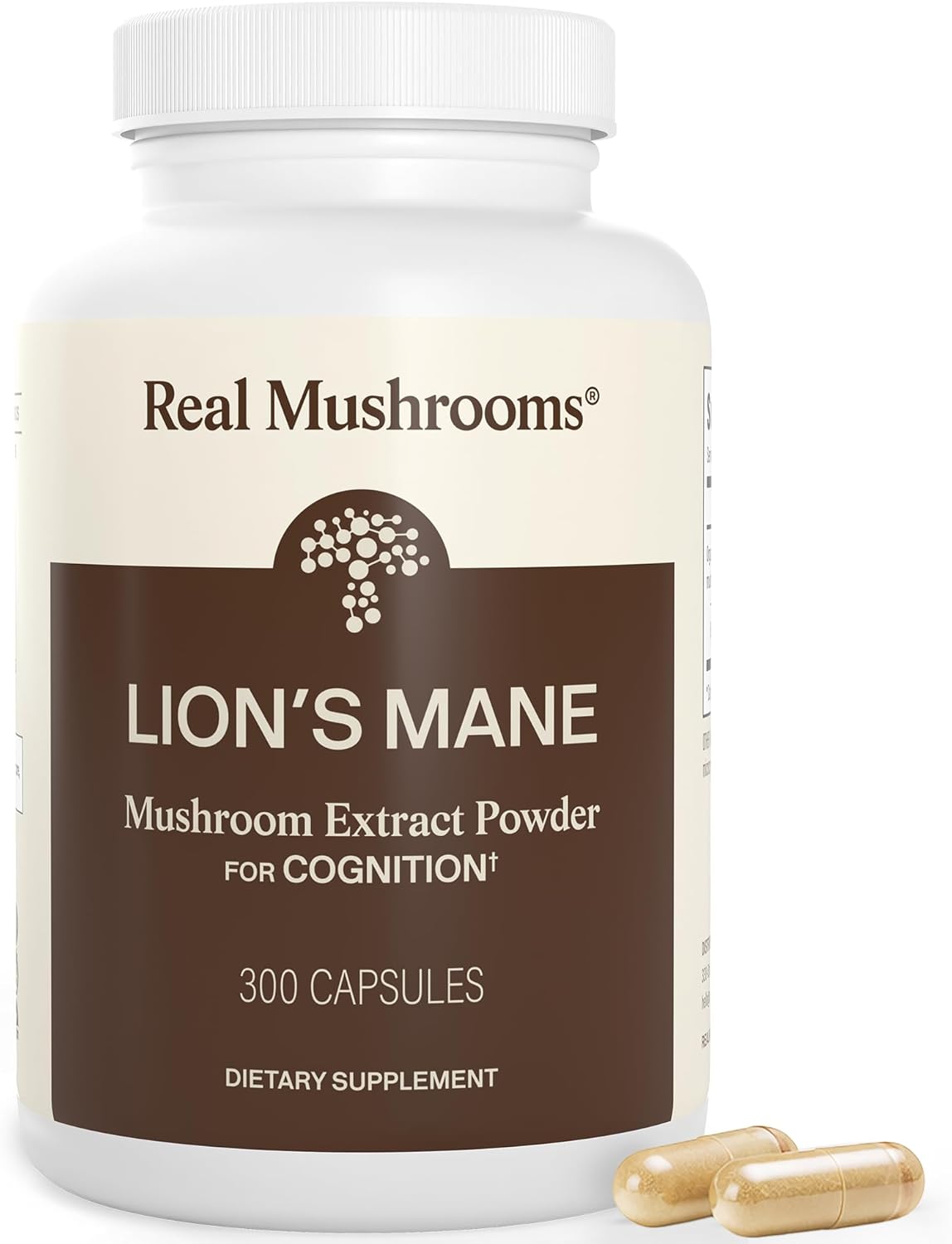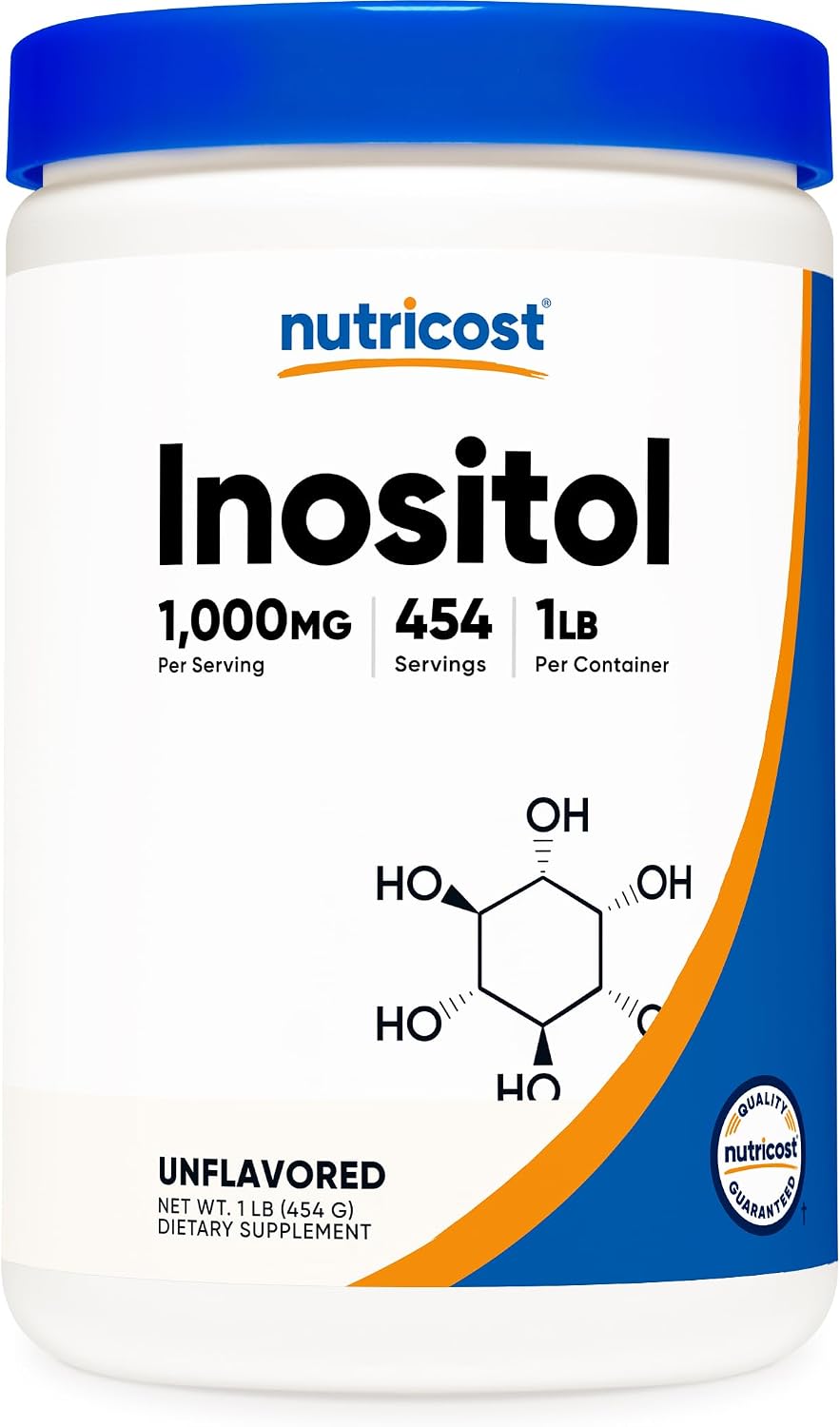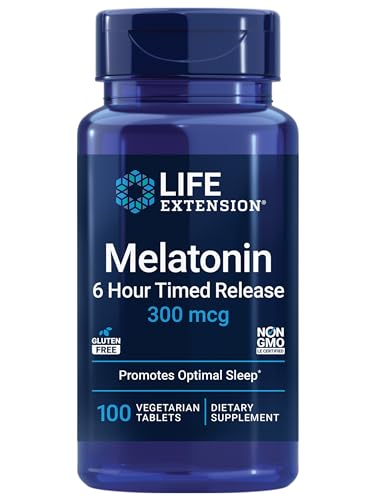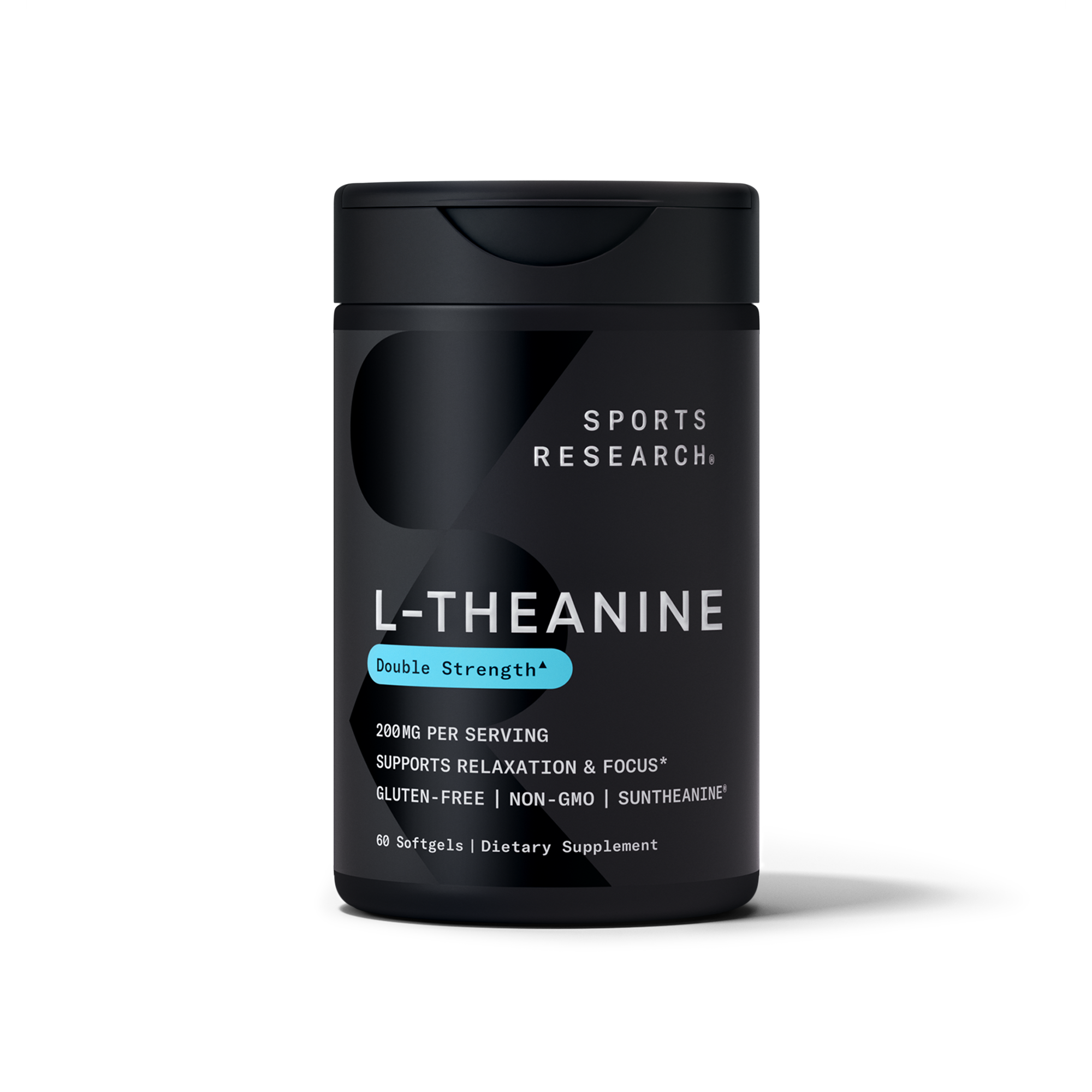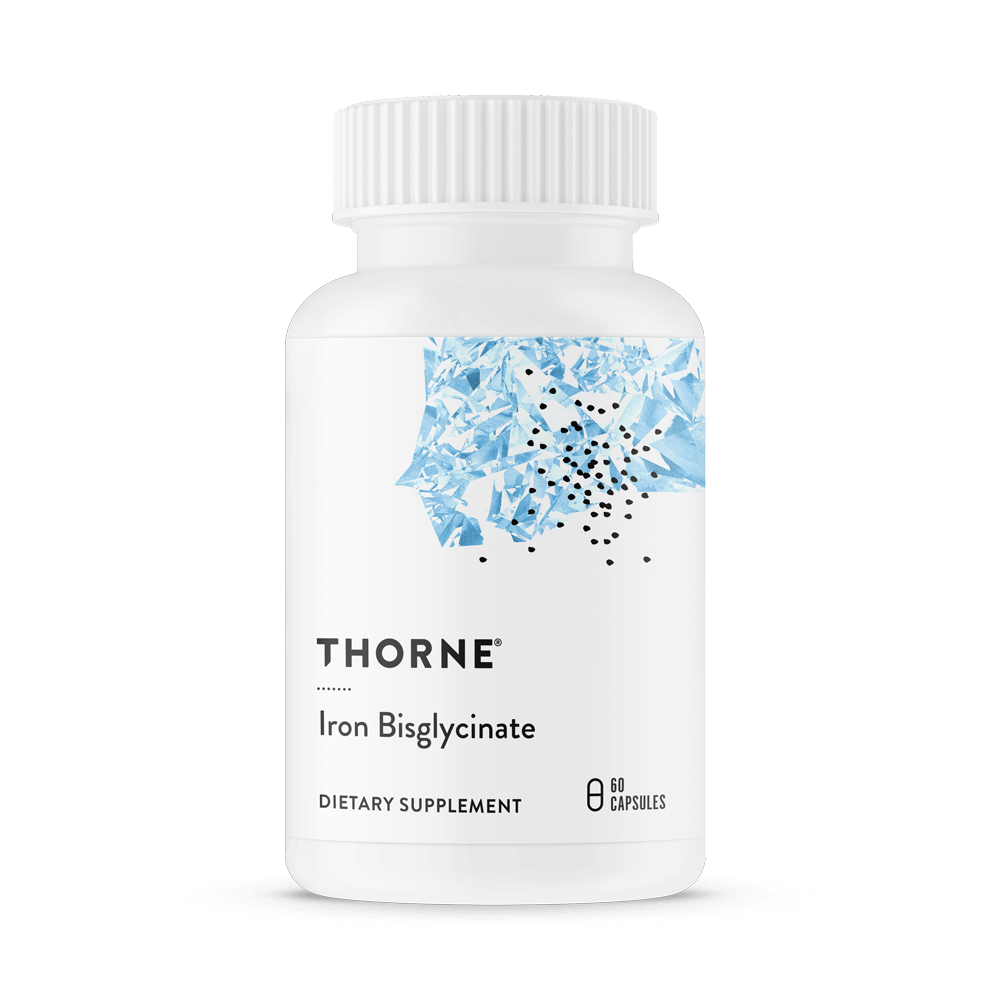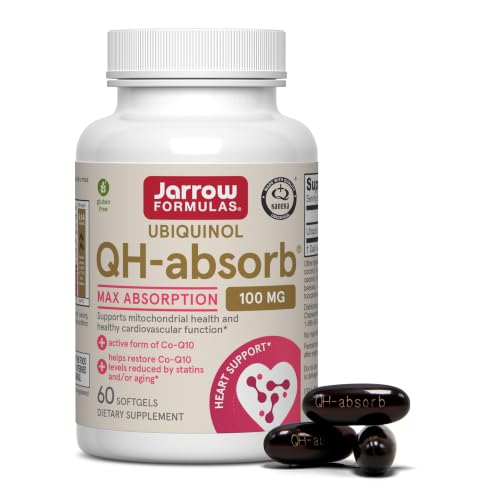




Supplements are for gaps, not a second dinner. Vitamin D if you are low. Omega-3 if you do not eat fish. Creatine if you lift or think under sleep debt. Magnesium if diet is thin. Electrolyte packets like Liquid I.V. are for heat, GI bugs, and hard sessions, not a third coffee. Everything else is a maybe. The searches that still earned a page: psyllium when food fiber is low, ashwagandha for an evening downshift with modest data, collagen peptides for skin and joints, and berberine as a glucose maybe that is not a drug. The shelf also has zinc, iron if ferritin is low, CoQ10, and one named probiotic strain. Rhonda Patrick will want the paper. Brad Stanfield will want the human trial. Keep both voices.
Order of operations
Food, sleep, training. Then labs. Then a bottle. Quality varies wildly; third-party testing is the boring filter. The cognitive page already lists tagged options (caffeine + theanine, creatine, fish oil, B-vitamins). That funnel lives on cognitive performance. Longevity powders (NMN, resveratrol) are optional layers on longevity, not the base.
One change at a time or you will never know what did what. If you are on warfarin, SSRIs, or thyroid meds, “natural” still interacts. This is the most commercial corner of the site. Treat every SKU as guilty until it earns a spot.
FAQ
What should almost everyone consider?
Vitamin D status, omega-3 if fish-free, creatine if you train, protein if you do not eat it. That is the short list. Not a 40-item cart.
Are expensive “longevity” stacks worth it?
Usually after the basics. Often never. Stanfield’s question: would you still buy it if the brand had no podcast?
Can I trust Amazon bottles?
Some. Look for NSF, USP, or Informed Sport. Counterfeits exist. We tag affiliate links on specific ASINs we resolved; still check the seller.
Not a prescription. Deficiencies, pregnancy, and drug interactions belong with a clinician and a pharmacist.