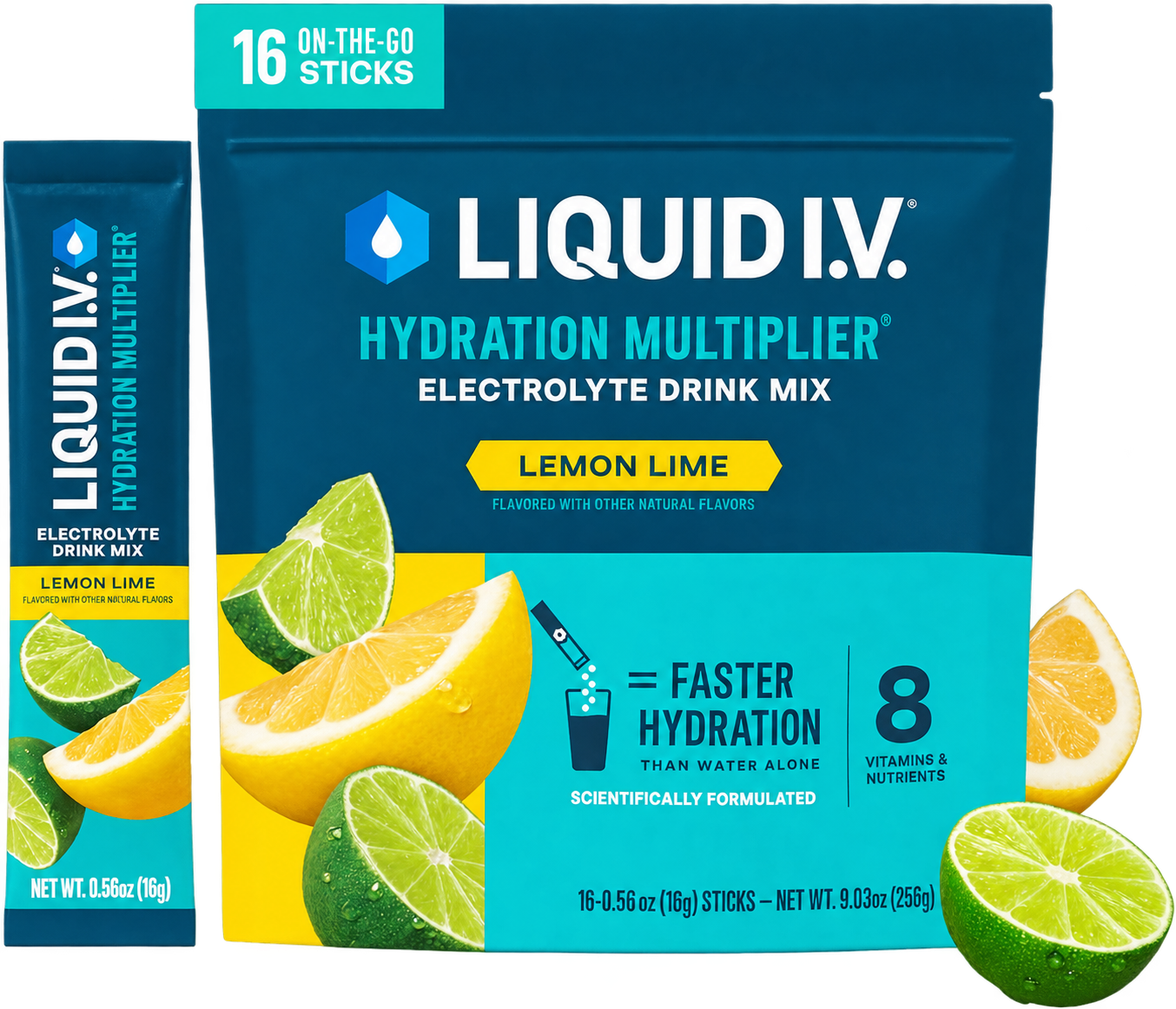
Electrolytes are minerals that carry an electrical charge in body fluids. Sodium and potassium are familiar examples. Electrolyte drinks combine some of these minerals with water, flavorings and, in many formulations, carbohydrate. Their usefulness depends on the situation in which you are drinking them.
An ordinary desk day, a long sweaty workout and vomiting with dehydration are different circumstances. The word “hydration” on all three products does not make their formulas or intended uses identical.
When might an electrolyte drink be useful?
Prolonged sweating can make fluid and electrolyte replacement relevant. Heat, exercise duration, clothing and individual sweat losses all affect the decision. For many ordinary activities, water and normal meals are sufficient; a daily packet is not automatically necessary.
Illness-related dehydration requires separate guidance. A sports drink should not be assumed equivalent to a medical oral rehydration solution. Severe dehydration or persistent vomiting needs appropriate care.
Compare sodium per serving, not just flavor
For the Liquid I.V. product in this entry, check the exact flavor and version because formulas can differ. Look at the amount of sodium per serving, the volume of water specified and the number of servings per packet. Concentration changes if a packet is mixed with less water than directed.
Potassium and other added minerals are worth noting, but a longer ingredient list does not necessarily better match your losses. If you have a sodium or fluid restriction, kidney disease or medicines that affect electrolytes, seek personalized guidance before using these products routinely.
Is sugar in an electrolyte drink a problem?
Carbohydrate can serve a purpose in some exercise and rehydration contexts. It also contributes to the overall nutritional content of the drink. Whether you want it depends on why you are using the product, your activity and individual needs.
Compare the standard and sugar-free versions on their complete labels. Sweeteners, serving size and added vitamins may differ along with the carbohydrate amount. Avoid assuming that either version is universally preferable.
Making a useful buying decision
Work out how you would use the packets before purchasing a large box. Consider the required bottle size, taste during exercise, ease of carrying them and cost per prepared drink. A formula you dislike or regularly dilute incorrectly may not fit your routine.
During hot conditions, hydration belongs with breaks, appropriate clothing and attention to heat symptoms. Drinking more cannot compensate for every exposure. For training-related questions, connect the product with your actual schedule and the meals around it.
Sources and further reading
Where to find Electrolytes
View on AmazonSee the listing, current price and customer reviews on Amazon.
Affiliate link · HTL may earn a commission on purchases.