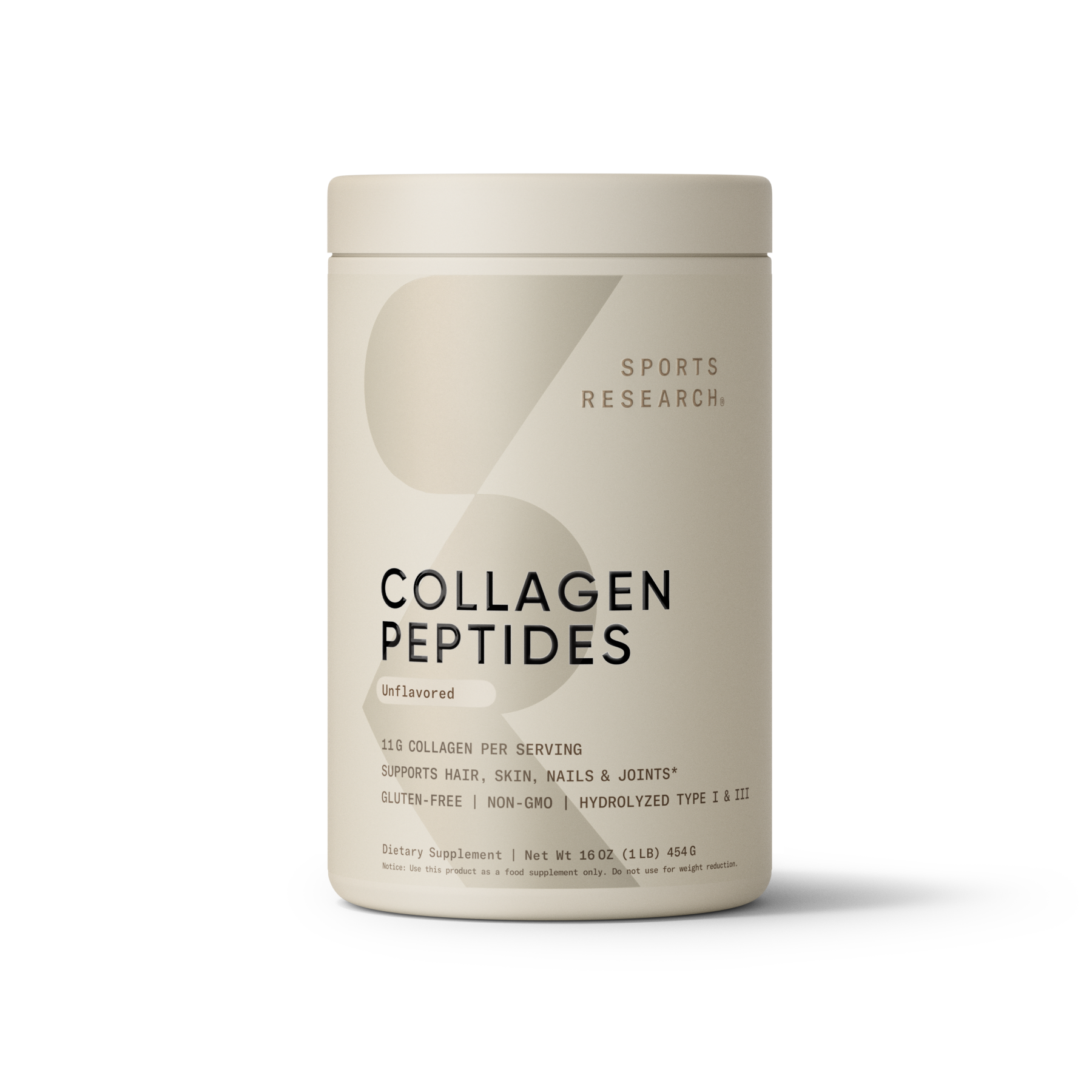
Collagen is a structural protein found in skin, tendons and other connective tissues. Collagen peptides are smaller fragments produced by processing collagen, usually sold as a powder or capsules. The powder is often mixed into coffee, a smoothie or another food.
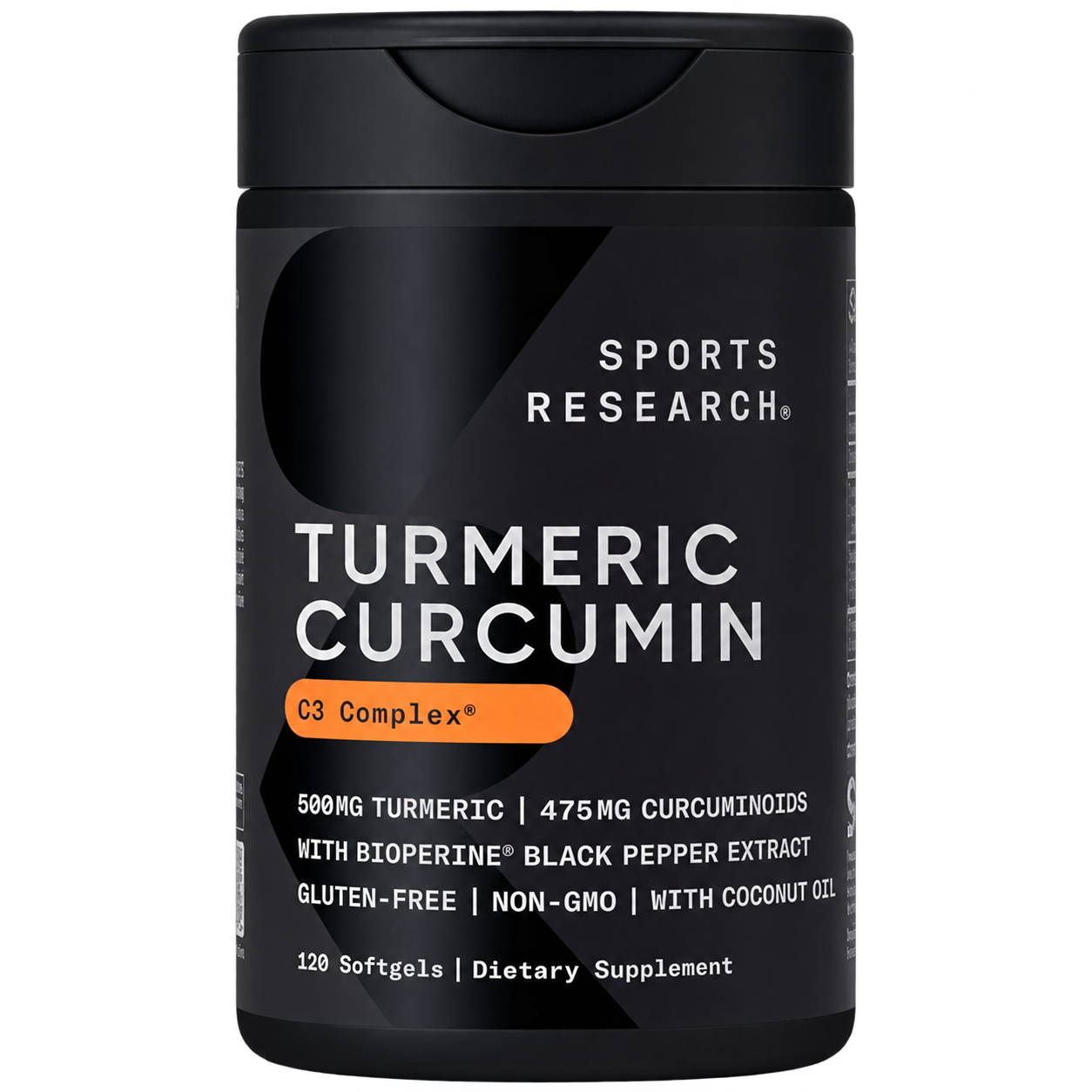
The Sports Research product shown here is one example. The key questions are the source, amount per serving and the outcome you are considering, because skin, joint and muscle claims involve different evidence.
Do collagen supplements improve skin?
Some trials report improvements in skin hydration or elasticity. However, study quality, small samples and funding sources complicate the picture. A 2025 review found that the apparent benefits differed when studies were examined by funding and quality.
That makes a guaranteed visible improvement an unreasonable promise. Check what was measured, how long the study lasted and whether the tested formulation resembles the product. A change measured by an instrument may also be smaller than the difference a consumer expects to see in a mirror.
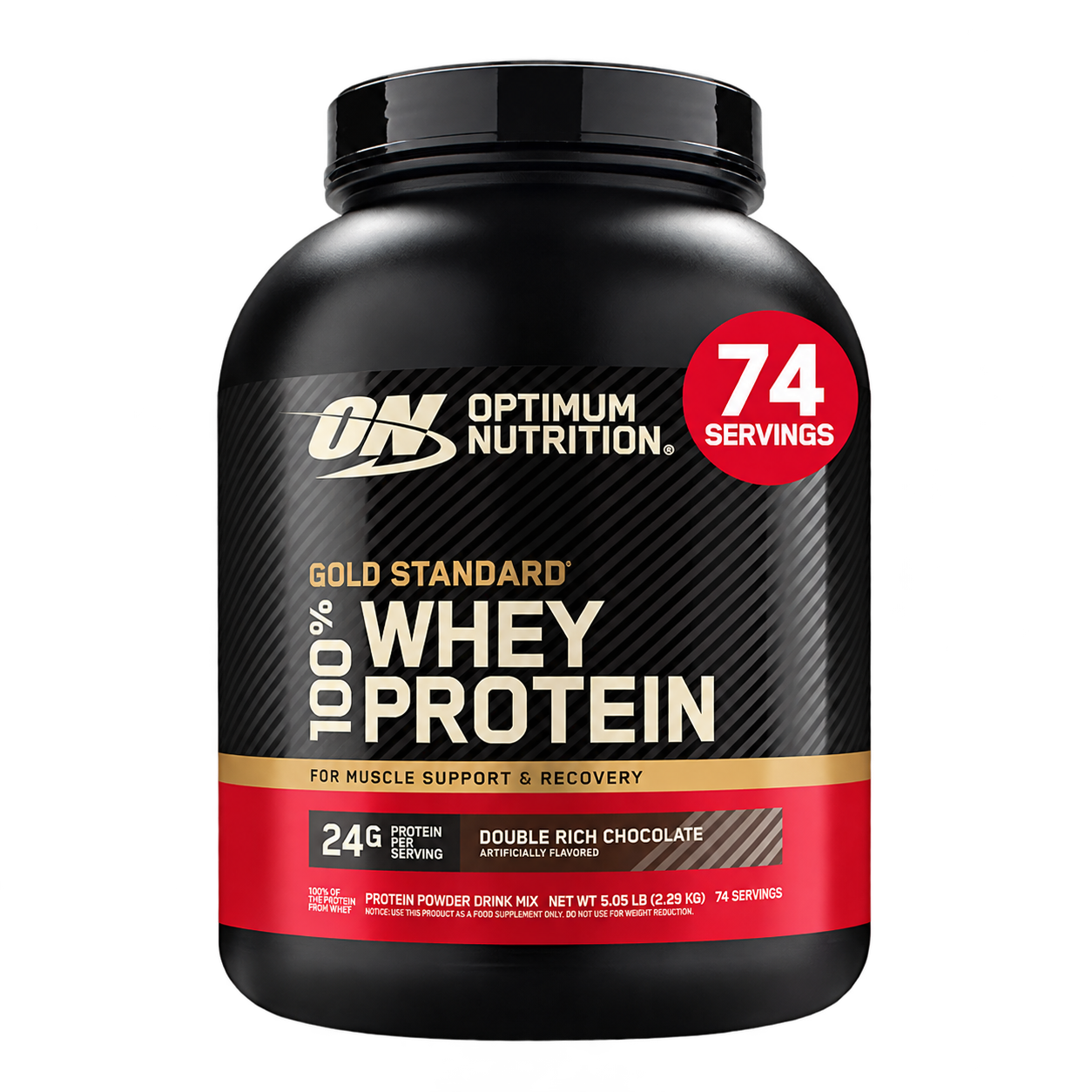
Collagen versus whey protein
The proteins have different amino-acid profiles. Whey is commonly used to help meet protein needs for muscle-related goals. Collagen should not simply replace all other protein sources because both products are sold in powder tubs.
Think about the meal or purpose first. If breakfast lacks protein, compare complete protein foods or powders. If your interest is a specific collagen study, examine that study’s formulation and outcome. The whey entry covers the other comparison.
What do collagen type and animal source tell you?
Bovine, marine and other sources affect dietary preferences and allergen considerations. The word “marine” does not establish superior results for every outcome. A collagen type listed on the package also does not mean the powder is delivered intact to a particular joint.
Read serving size carefully, especially when comparing powders with capsules. A small capsule serving may provide a very different amount from a scoop. Compare cost for the stated amount rather than package count alone.
When is a purchase worth considering?
First decide whether your expectation is realistic enough to justify the ongoing cost. Keep other skincare or training changes in view, because making several changes together makes the result difficult to interpret.
Persistent joint pain deserves assessment. Sun protection and an adequate diet remain relevant to skin health. A collagen purchase should have a clear purpose within that wider context, with the uncertainty of the evidence reflected in how much you spend and what you expect.
Sources and further reading
Where to find Collagen peptides
View on AmazonSee the listing, current price and customer reviews on Amazon.
Affiliate link · HTL may earn a commission on purchases.