







A body that makes energy smoothly gives you a day you can use. The payoff is all-day energy, with fewer crashes after you eat. Meals sit more comfortably, afternoons stay clear enough for real work, and over time your metabolism has an easier time supporting a leaner, stronger body.
You want energy that does not disappear after lunch. You want to stand up from the table with a clear head and enough left for a walk, focused work, or the people you care about.
How cellular health shows up as all-day energy
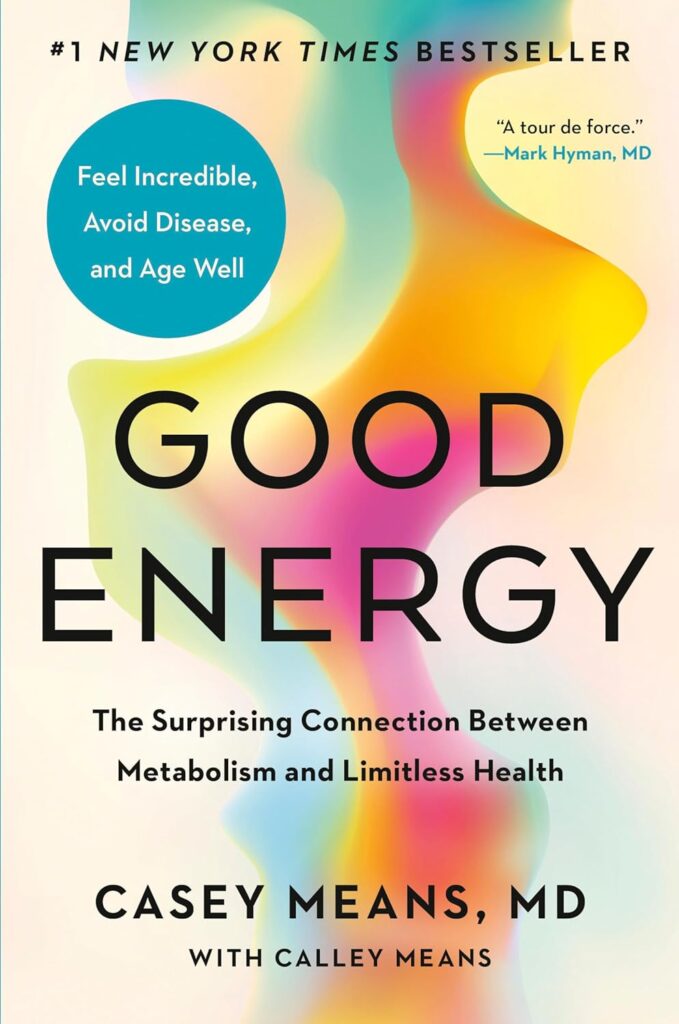
Dr. Casey Means teaches this metabolic picture in plain language. Her work follows blood sugar, food quality, and the daily habits that keep energy from swinging between meals. If a crash after eating is the problem you feel most, her page is a useful companion to the steps below.
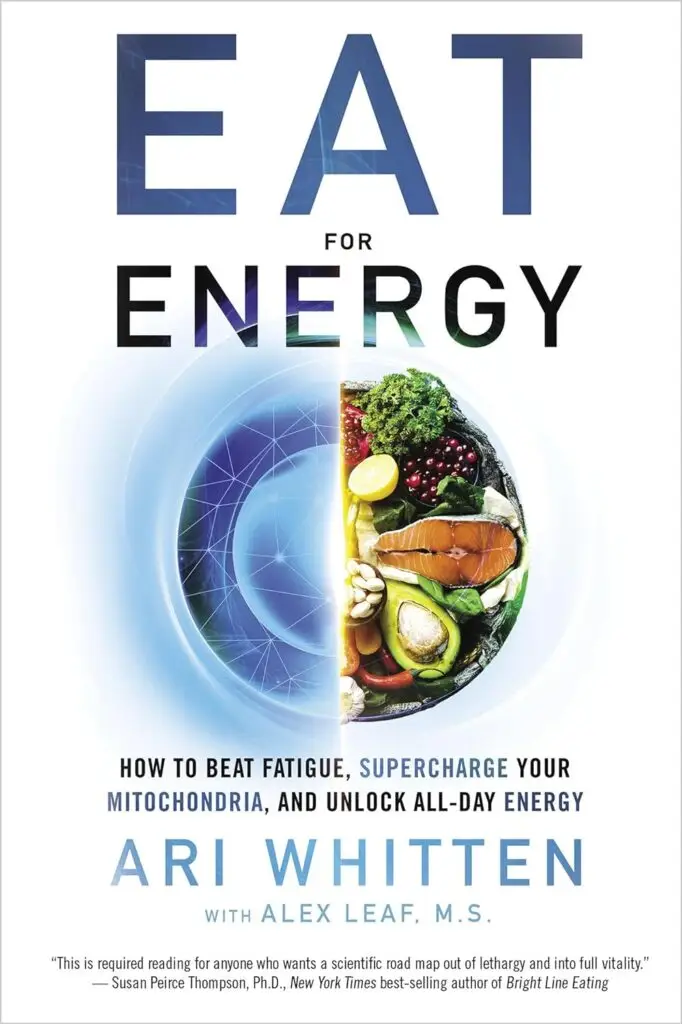
How mitochondria turn food and oxygen into stamina
Almost every cell holds mitochondria. These small structures take fuel from food and oxygen from the air you breathe, and they produce ATP. ATP is the form of energy a cell can spend. Your heart uses it to beat. Your brain uses it when you concentrate. Your muscles use it when you climb stairs, carry groceries, or get up from the floor.
You experience that chemistry as steady stamina and clearer afternoons. When mitochondria have fuel, oxygen, and enough recovery, a meal becomes usable energy. When sleep is short, muscle is scarce, or meals send blood sugar up and then down, the same calories can leave you dull.
Muscle is rich in mitochondria, which is why strength belongs in any plan for cellular health. The muscular fitness and strength pillar shows how to build that tissue with training you can repeat. Easy walking, workouts you can recover from, and morning daylight support the oxygen side of the same system.
Why energy crashes after you eat
An afternoon crash is often a blood sugar pattern you can feel. A large serving of refined starch, a sweet drink, and very little protein or fiber can raise glucose quickly. Insulin rises to move that glucose along. When the level falls, many people feel sleepy, foggy, or suddenly hungry.
You can soften that curve with familiar food. Include a protein you can name, such as eggs, fish, yogurt, tofu, chicken, or beans. Add fiber from vegetables, fruit, oats, or a small amount of psyllium, and keep a fat you digest well on the plate. Then walk for about ten to fifteen minutes. Working muscle takes up glucose while you move.
The nutrition strategy shows how to assemble these plates on a normal grocery trip. If the slump arrives with bloating, bring in the microbiome and digestion pillar as well. A gut that feels crowded and uncomfortable makes cellular energy harder to notice.
How muscle supports a leaner, stronger metabolism
Muscle gives incoming fuel a place to go. It stores carbohydrate as glycogen, and it uses energy during a workout and for hours afterward. It is also what keeps daily life strong: stairs, bags, and getting down to the floor and back up. A leaner, stronger body is easier to support when this tissue is part of the plan.
Two strength sessions a week are enough to begin. Learn a few basic movements with solid form, add a little load over time, and eat protein through the day so the tissue can repair. Creatine monohydrate supports the phosphocreatine store muscles draw on for short, hard efforts. Many people who lift notice slightly better sets when they take it regularly.
Nutricost Creatine Monohydrate is a plain powder you can mix with water on training days and rest days. You can also find it on Amazon.
How sleep restores the energy you need tomorrow
Sleep is when this system recovers. Across a full night, appetite hormones settle and cells catch up on repair that busy hours postpone. A short night often shows up later as stronger cravings, a flatter mood, and less interest in the walk that would have steadied your blood sugar.
Protect a similar bedtime, a dark cool room, and caffeine early enough that it has faded by evening. The sleep quality pillar goes further into light, temperature, and the last hour before bed. Magnesium is a mineral many adults fall short on from food. The glycinate form is often gentle on the stomach, and it fits an evening routine.
Pure Encapsulations Magnesium Glycinate is a simple capsule for that window. It is also on Amazon. Use it in the evening as support for sleep and muscle comfort.
Why a consistent eating window supports metabolism
Your cells keep time. Morning daylight, meals at familiar hours, and a real break from food overnight help digestion and hormones line up. Dr. Satchin Panda has spent years explaining this circadian side of eating. His page describes meal timing in language you can use on a weekday.
A consistent eating window can stay gentle. Eat inside a similar stretch of the day, with breakfast and dinner at hours you recognize. Finish the last meal early enough that you go to bed comfortable, and keep weekends close to weekdays. This rhythm is separate from a long fast.
Longer fasts need more care. They can change the way medications behave. They are a poor fit during pregnancy. They can cause harm if you have a history of disordered eating. If you are pregnant, on medication, or you have that history, talk with a clinician before you extend a fast. The fasting strategy outlines the approaches people use. The Complete Guide to Fasting, by Jason Fung, is the book to read when you want the medical context first.
Meals that keep afternoons clear
Choose plates you can repeat on a busy week. Build each meal around protein, plants, and carbohydrates that come with some fiber. Potatoes with the skin, rice beside protein and vegetables, fruit, beans, and oats can all live in a metabolism that feels steady.
Omega-3 fats from fish become part of cell membranes, including the membranes around mitochondria. Two fish meals in a week cover many people. When fish rarely shows up in your kitchen, a tested fish oil is a practical bridge. Sports Research Omega-3 Fish Oil is the option on this site, and you can find it on Amazon. Take it with a meal so it is easier on the stomach.
Hydration belongs in the same picture. Even a mild shortfall of fluid can feel like fatigue and a pull toward snacks. Water is the right drink through an ordinary day. After heavy sweat, a long flight, or a hard workout, an electrolyte mix can help you replace what you lost. The Liquid I.V. Hydration Multiplier page describes one mix for those days.
How fiber and berberine support a gentler meal response
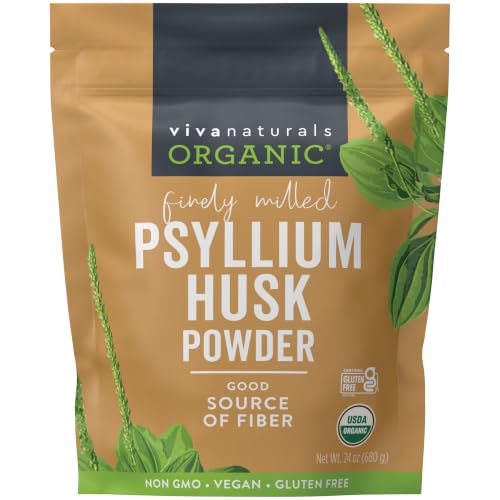
Psyllium husk is a soluble fiber. Stirred into a full glass of water, it forms a gel that can slow how quickly a carbohydrate-rich meal shows up in the blood. It also adds fiber that many refined plates miss. Begin with a small amount and increase over several days, because a large sudden dose often feels overly full. Viva Naturals Organic Psyllium Husk is the organic husk linked here. You can also find it on Amazon.
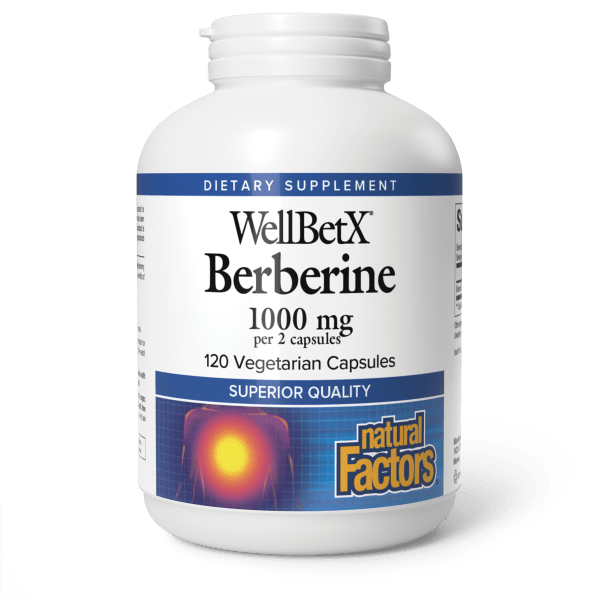
Berberine is a plant compound found in botanicals such as barberry. It has been studied as support for healthy blood sugar, and some adults use it alongside food and movement. Meals, walking, and muscle remain the foundation underneath it. Natural Factors WellBetX Berberine is the bottle on this site, and it is also on Amazon.
Berberine deserves a clinician if you are pregnant, on medication, or you have a history of disordered eating. Longer fasts deserve that same conversation. Those situations change the safety of both tools.
Biomarkers that show whether your metabolism is responding
Notice your afternoons for a few weeks while you walk, lift, and steady your meals. If the crashes stay loud, labs can help you and a clinician see the rest of the picture. Fasting glucose, HbA1c, a lipid panel, and sometimes fasting insulin are common places to start. Ask for an interpretation that includes your symptoms, your medications, and your history.
The testing and biomarkers strategy shows how to use those numbers as feedback over time. Outlive, by Peter Attia, makes the longer case for protecting metabolic health while strength is still yours to build. Ari Whitten teaches cellular energy in a warm, practical way, from daylight and sleep through the routines that support mitochondria. Mention pregnancy, medication, or any history of disordered eating before berberine or a longer fast is added.
A simple week for energy that lasts past lunch
Keep the week small enough to repeat. Walk for ten to fifteen minutes after the meal that usually makes you sleepy. Put two short strength workouts on the calendar. Include protein and a plant each time you eat. Hold a similar eating window on weekdays and weekends, and finish dinner early enough for comfortable sleep. Drink water through the day, and save an electrolyte mix for sweat, heat, or travel.
If you add supplements, give each one a clear job. Creatine monohydrate goes with lifting. Magnesium glycinate goes with the evening. An omega-3 covers weeks with little fish. A small serving of psyllium adds soluble fiber when plates are thin on plants. Leave berberine, and any longer fast, until a clinician has considered pregnancy, medication, and any history of disordered eating. For the first two weeks, judge the plan by your afternoon. Clearer hours after lunch mean cellular health has become energy you can spend.
Frequently asked questions
Why do I crash after lunch even when breakfast was fine?
Lunch is often the largest and fastest meal, especially when it is a refined sandwich, a sweet drink, and time at a desk. Protein and fiber slow the curve, and a ten minute walk gives muscle a chance to use the glucose. If sleep was short, an earlier bedtime helps the next day too.
Do longer fasts improve metabolism more than a regular eating window?
A consistent eating window, muscle, sleep, and balanced meals already support steadier energy through a normal week. Longer fasts are a separate decision. Talk with a clinician first if you are pregnant, on medication, or you have a history of disordered eating.
Can berberine replace walking and strength training?
Walking, lifting, sleep, and meals are the base that changes how the afternoon feels. Berberine is an optional extra some adults use when they want more support for healthy blood sugar. It deserves a clinician if you are pregnant, on medication, or you have a history of disordered eating. Start with the daily habits either way.
Which supplements fit a cellular health plan?
Creatine monohydrate supports strength training. Magnesium glycinate is a gentle evening mineral for a calmer bedtime. Omega-3 fish oil fills the gap when fish is rare. Psyllium husk adds soluble fiber, always with a full glass of water. Add one product at a time. Ask a clinician before berberine if you are pregnant, on medication, or you have a history of disordered eating.