




More years with your strength, your energy, and your independence.
Picture a morning a few decades from now. You lift a suitcase into the rack without bargaining with your back. You walk a new neighborhood and still have enough left to meet a friend for lunch. You follow the conversation, remember the plan, and feel like yourself. The years you can still travel, lift, and think clearly are the years that feel like yours.
The levers that change how those years feel are ones you can notice, and ones a clinician can measure. Fitness. Muscle. Blood pressure. ApoB and the rest of your lipids, read with a professional. Sleep. Daylight. Protein. When those stay steady, later life has a better chance of looking like a life you still want.
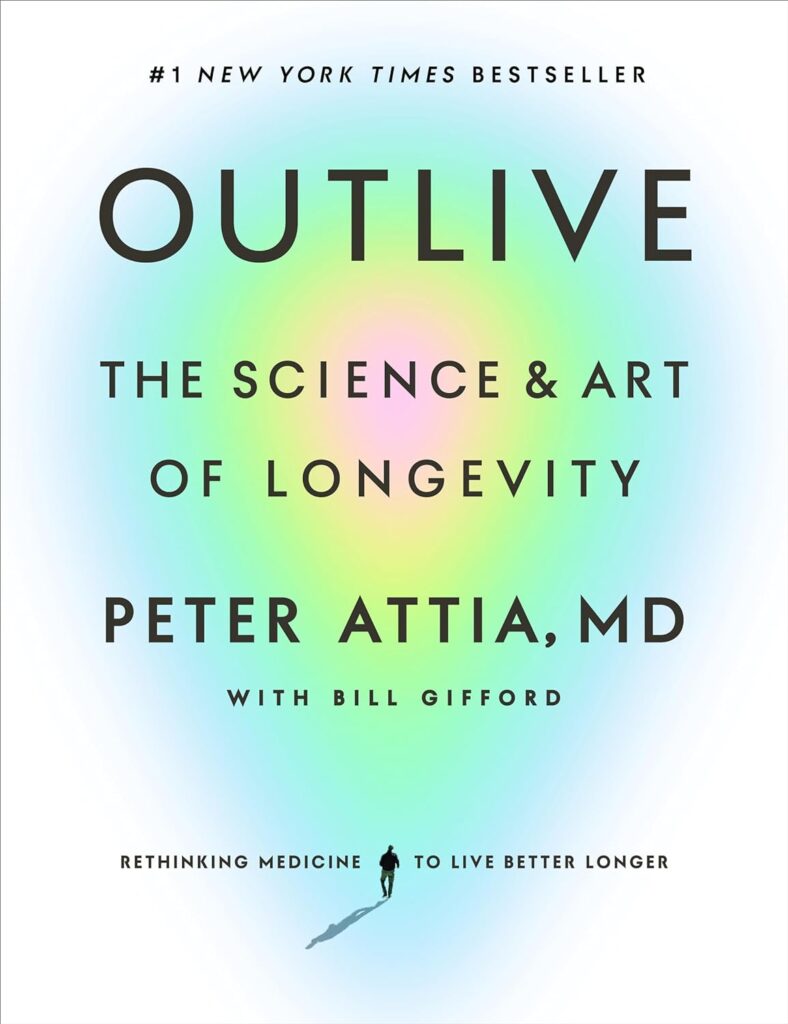
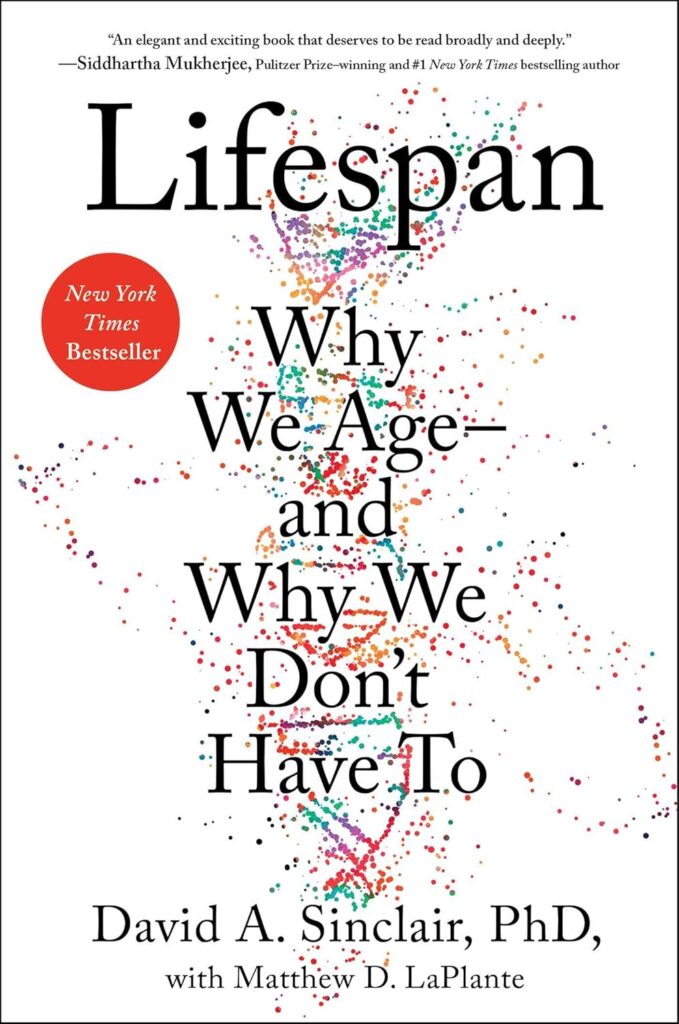
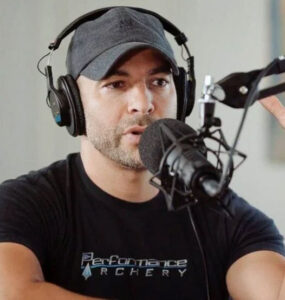
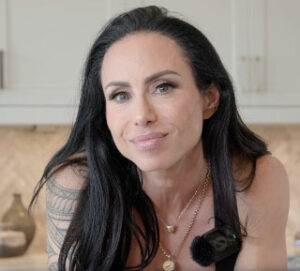
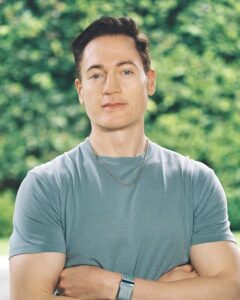
A few supplements can sit beside that work. They support training, food, and sleep. Peter Attia, through his teaching and the book Outlive, has helped many readers aim at a longer life they can still use. Brad Stanfield explains prevention in clinical language you can take to an appointment. Ari Whitten teaches the energy side, including light and the habits that make a day feel available. David Sinclair is a researcher you can explore if you want the lab science of aging. Nothing here promises to reverse your age.
Strength, energy, and a mind that still keeps up
Independence is the desire underneath this work. You want to carry groceries, climb stairs, and get up from the floor. You want energy past lunch, and enough attention for a book or a family story. Hills and clearer mornings show part of the progress. Blood pressure and lipids stay hidden until a cuff or a lab shows them, so review both with someone who knows your history.
Muscle and fitness you can feel in daily life
Muscle lets you stand, carry, and keep your balance. It also helps you use the food you eat. When it fades, a flight of stairs starts to feel like a workout, and a stumble is harder to catch. Resistance training is the clearest signal you can send that this tissue is still needed. Two or three sessions a week are enough to matter. Weights, machines, or challenging bodyweight moves all count.
The muscular fitness and strength pillar explains why this base supports the rest of health. The resistance training strategy shows a simple way to start and to add a little load when the last reps feel manageable. Include a squat pattern, a hip hinge, a push, a pull, and something for the trunk. Pain that sharpens in a joint is a reason to change the exercise and ask for coaching.
You should notice the result in ordinary tasks. Bags feel lighter. Posture holds longer. Getting up from the floor takes one smooth effort. Protein is the building material for that change. Many adults do better when eggs, dairy, fish, meat, soy, beans, or a simple shake show up at breakfast, lunch, and dinner. A dietitian or clinician can set a personal target if you have kidney disease or a poor appetite.
Cardiorespiratory fitness is the other half of feeling capable. Brisk walking, cycling, swimming, or easy jogging on most days trains the system that delivers oxygen to working muscle and to the brain. The breathing and cardiovascular health pillar connects breath, daily movement, and a heart that can keep up with travel and play. Chest pain, unusual shortness of breath, or a known heart condition belongs with a clinician before you add intensity.
Blood pressure, ApoB, and lipids to review with a clinician
High blood pressure and an unfavorable lipid pattern can sit quietly for years while you still feel well. A home cuff, used as your clinician recommends, shows the number across a normal week. Clinic readings still matter. Walking, strength work, sleep, less alcohol, and meals built around plants and protein all lean in a helpful direction. Medication is often appropriate. That choice belongs with the clinician who can see your kidneys, your other drugs, and your full risk.
ApoB is a blood marker many preventive clinicians use because each atherogenic particle carries one ApoB protein. The number reflects how many of those particles are circulating. A standard cholesterol panel still belongs in the conversation. ApoB often makes the story clearer when triglycerides are high or when early heart disease runs in the family. The testing and biomarkers strategy can help you prepare questions so the visit stays practical.
Bring the results to someone who can read them against your age, blood pressure, and family story. If lipids stay high after a real stretch of better food, movement, and sleep, lipid medication can be the right tool. Starting, stopping, or changing that medicine is a clinician decision. The aim is fewer heart attacks and strokes across the same decades you hope to spend on your feet.
Sleep, morning daylight, and the energy to use your body
Sleep is when a large share of muscle repair, memory sorting, and blood pressure regulation gets done. Short, broken nights make the next training session feel heavier. The sleep quality pillar covers a steady window, a dark cool room, and caffeine timing. Most people feel the payoff as a clearer morning.
Morning daylight is a simple partner to that schedule. Ten to thirty minutes outside, soon after you wake, helps set your body clock, and a short walk covers it. The cellular health and metabolism pillar looks at how cells make energy, and how food, movement, and sleep support the stamina you notice on a long day.
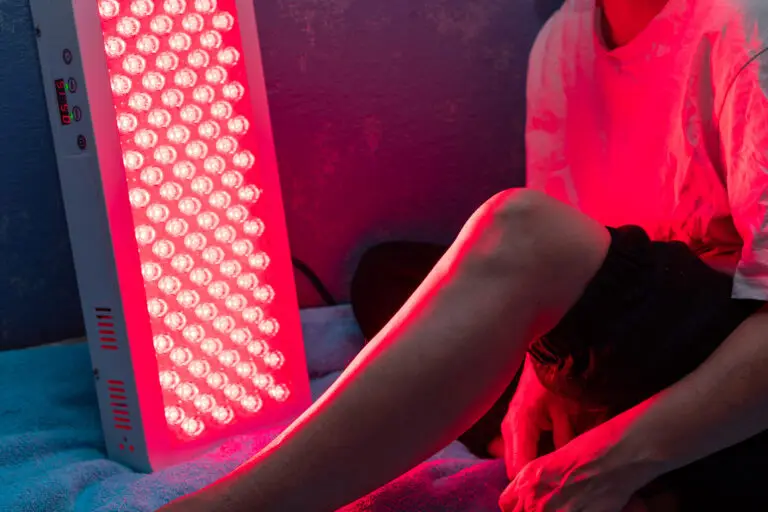
Heat can be a pleasant extra once those basics are in place. Many people leave a sauna relaxed. Observational research has linked frequent sauna use with heart health over time. Drink water, sit if you feel lightheaded, and skip the room when you are ill or told to avoid high heat. The sauna strategy describes a cautious start.
A weekly plan for years you can still use
A useful week is demanding enough to change you and small enough to repeat during a busy month. Train your muscles two or three days. Walk, cycle, or swim on most other days, and keep one day truly easy. Put protein on each main meal, then fill the plate with vegetables, fruit, and starches that leave you steady. Get outside light early. Defend a sleep window most nights.
Check blood pressure on a schedule you and your clinician agree on. Once a year, or sooner if something has shifted, ask about ApoB or a full lipid panel, basic metabolic labs, and vitamin D. Peter Attia teaches this long view in public and in Outlive: build fitness and muscle, and take cardiovascular risk seriously. Use his work for better questions. Use your own clinician for decisions.
Supplements that support training, food, and sleep
Add supplements after the week above is real. They can fill a measured gap. They cannot create fitness, muscle, or a calm blood pressure by themselves. Some links below go to Amazon. If you purchase through them, the site may earn a small commission, at no extra cost to you.
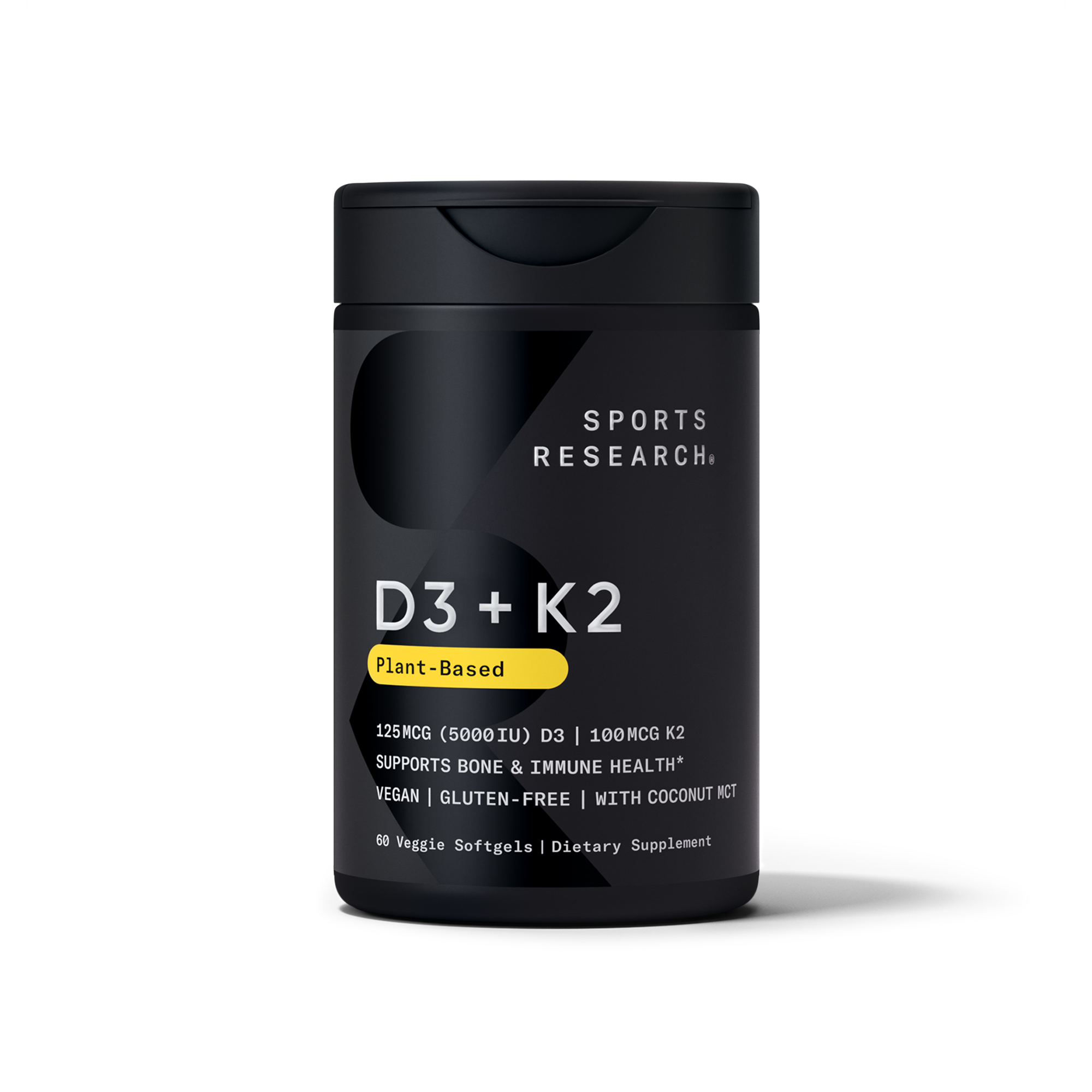
Vitamin D supports bone health, muscle function, and immune defense, especially when a blood test shows you are low. Sports Research Vitamin D3 and K2 pairs vitamin D3 with vitamin K2. Read the label, and ask what dose fits your level, your sun exposure, and any medicines you take. Too much vitamin D is a real problem, so a blood test is the safer way to choose a dose. The same product is on Amazon.
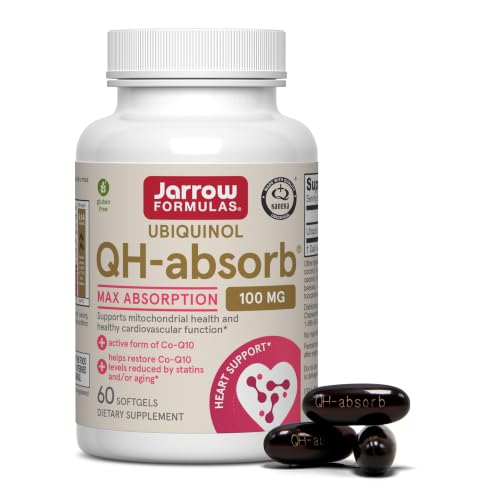
Ubiquinol is the form of coenzyme Q10 that cells use while they make energy in the mitochondria. Some people look at it for stamina and for muscle comfort during training. People who take a statin sometimes discuss it with their clinician, because those drugs can lower the body’s own Q10. Jarrow Ubiquinol QH-Absorb is a plain ubiquinol option that belongs beside sleep, food, and lifting. It is also on Amazon.
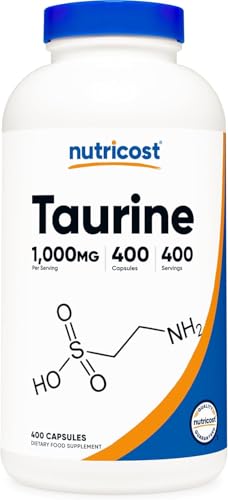
Taurine is an amino acid your body already makes, and you also get it from meat and fish. Researchers have explored roles in blood pressure, exercise, and how cells handle stress. Keep the hope modest. Nutricost Taurine 1000 is a simple capsule if you and your clinician decide a supplement fits. See it on Amazon.
Omega-3 fats from fish support a heart-and-brain pattern that also depends on the rest of the plate. When fish is rare, Sports Research Omega-3 is a widely used oil, listed on Amazon. Ask a clinician first if you take a blood thinner or have a bleeding history. For a wider view, reread Whitten on energy and Attia and Stanfield on prevention. Treat Sinclair’s public work as research to explore.
Frequently asked questions
What should I measure if I want more capable years?
Start with what you can feel and with what a basic checkup already covers. Can you rise from the floor, carry bags, and walk a hill at a pace that still lets you talk? Where does your blood pressure sit on an ordinary morning? When did you last review lipids, and has anyone mentioned ApoB? Take the answers to a clinician who can add the labs that fit your history.
How much protein and lifting is enough to keep muscle?
Most adults who want to stay strong do well with resistance training two or three times a week and a protein-rich food at each meal. The right gram target depends on your size, your appetite, and your kidney health. Add a little load, or one cleaner rep, when the current work feels repeatable. Walk on the days between sessions so fitness and recovery travel together. If a movement hurts, swap it for a similar exercise and keep the habit alive.
Should lipid medicine be part of a longevity plan?
Sometimes, and only with a clinician who knows your numbers. Food, fitness, sleep, and blood pressure are the base you practice every week. If ApoB or LDL cholesterol stays high, or if family history and other conditions push your overall risk up, a statin or another lipid medicine can be a sound choice. Ask what the drug is meant to change, what side effects to watch, and when you will recheck labs. Leave dose decisions in that visit.
Can a supplement stack reverse my age?
No stack described here reverses age. Vitamin D, ubiquinol, taurine, and omega-3 can support specific jobs when they match your labs and your diet. They work as companions to training, meals, and sleep. Read Attia, Stanfield, and Whitten for practical teaching, and read Sinclair if you enjoy the research frontier. Keep lifting, walking, sleep, daylight, protein, and your lab conversations at the center.