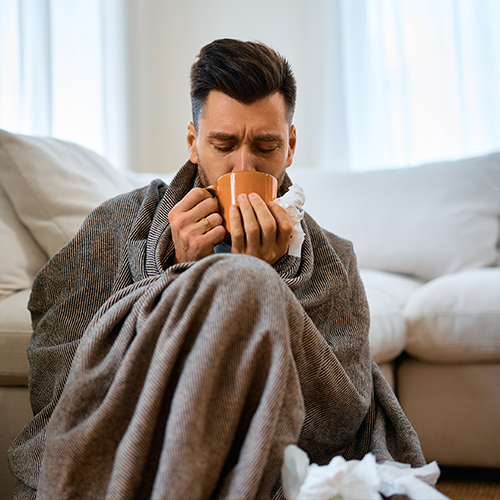






You get sick less often, and you bounce back faster when you do.
That is the practical aim of taking care of your immune health. You want to stay available for work and family through the winter. You want to be at the meeting, the school concert, and the dinner table, including in January. You want fewer weeks lost to a cold, and a quicker return when a virus does land. You will sometimes get sick. The win is a shorter, milder course, with enough sleep, food, vitamin D, and recovery behind you.
Sleep, vitamin D, protein, daylight, moderate training, and a calm recovery after hard effort do most of the work. This is general education for a healthy adult life. It does not replace the vaccines your clinician recommends, and it does not replace a visit when you are worried. Getting care when you need it is part of staying available for the people who count on you.
How can you get sick less often in winter?
People who stay well more of the winter repeat a few plain things. They sleep enough. They get daylight. They eat protein and plants. They train at a dose they can recover from. They know their vitamin D status. They rest after a truly hard effort. Together, these habits support the defenses you already have, so you miss fewer days.
The longevity and anti-aging pillar sits beside this one because a long life is more useful when you can show up for it. Fewer interrupted winters are part of that life. Keeping some muscle means a sick week does not erase the strength you built.
Does sleep help you avoid colds?
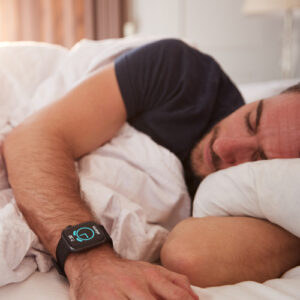
Sleep is the strongest daily support on this list. When the night is short, patience falls and immune defenses are less coordinated the next day. Research that exposed healthy volunteers to a common cold virus found that people who routinely slept less were more likely to get sick. A stable night helps you get sick less often and bounce back faster when you do. The sleep quality pillar is the fuller guide.
Most adults do well with about seven to nine hours in bed, a stable wake time, and a dark, cool room. Keep caffeine earlier, and go easier on alcohol, because it can fragment the second half of the night. If you snore, gasp, or wake exhausted, ask about sleep apnea. Treating it is medical care, and it protects every other habit here. When a cold has already started, cancel what you can and go to bed. Extra sleep is part of bouncing back faster.
Why are vitamin D blood levels worth checking?
Vitamin D levels fall for many people in winter, especially with indoor work, northern latitudes, darker skin, or clothes that cover the skin. Trials have found that vitamin D supplementation modestly lowers the risk of acute respiratory infections, with more of that benefit in people who started out low. That is a reason to correct a real deficiency.
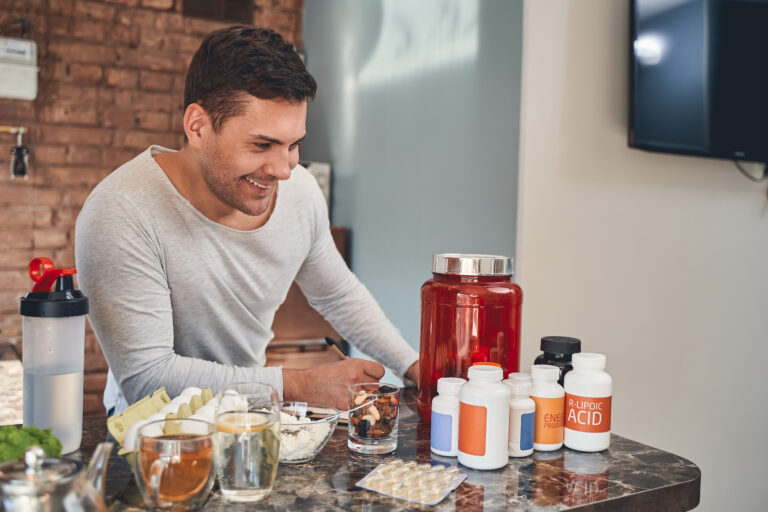
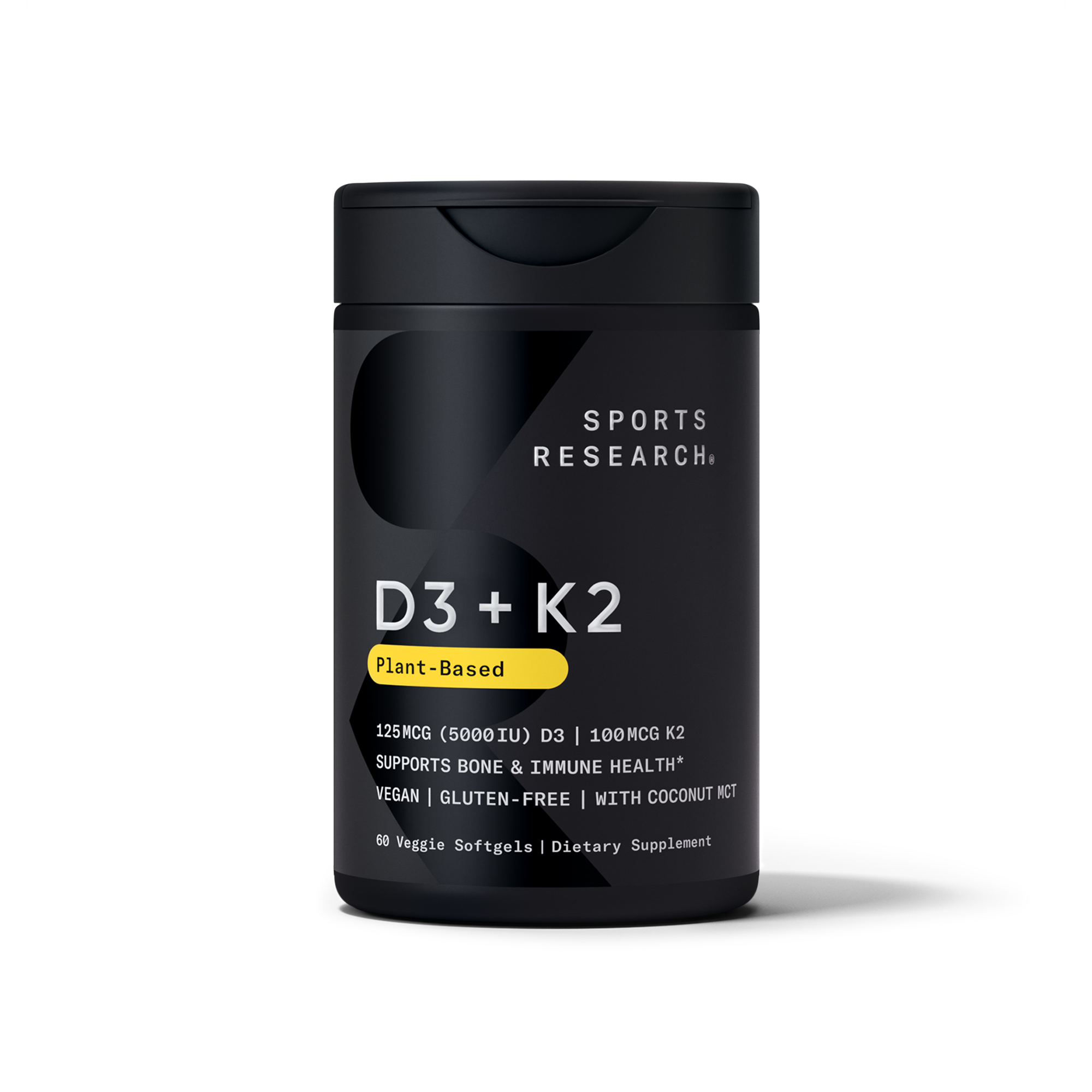
Vitamin D blood levels are worth checking before you choose a dose, and they are worth checking again if your clinician wants to see the change. Ask for a 25-hydroxyvitamin D test. Sports Research Vitamin D3 with K2 is a clear option once you know you need a supplement, and it is on Amazon. Take it with a meal that contains some fat. Very high doses without a lab can be harmful, so let the number guide the plan. Dr. Rhonda Patrick has spent years explaining why this blood test, along with sleep and nutrients, belongs in a serious health plan. Use her teaching to understand the subject. Let your own clinician set the target for your result.
Morning outdoor light still matters on the days you supplement. It anchors your body clock and makes the next night of sleep more reliable. Midday sun can add some vitamin D in certain seasons and at certain latitudes, and it is unreliable for many readers in winter. The blood test remains the way you know where you stand.
How do protein and gut health support winter immunity?
Immune cells are built from what you eat. Protein supplies amino acids those cells need, and it protects the muscle you want in reserve if you spend a week on the couch. The nutrition strategy is the wider plate: enough protein, plenty of plants, and meals you can repeat on a busy Wednesday. The muscular fitness and strength pillar connects that protein to lifting, so the reserve is actually there.
Your gut helps train immune defenses over a lifetime. Fiber from beans, oats, fruit, and vegetables feeds the microbes that live there. The microbiome and digestion pillar explains the food side, including winters when your stomach is the thing that suffers.
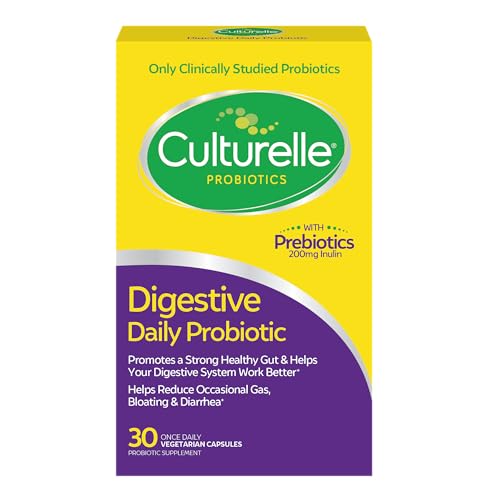
Culturelle Digestive Daily is a probiotic some people add while those meals improve. Evidence for probiotics depends on the person and the reason. It can be a fair trial for digestive regularity. It will not block every winter virus. If you and your clinician are comfortable with a trial, it is also on Amazon. Stop if it bothers your stomach, and keep the fiber on the plate either way.
Can moderate exercise help you stay well?
Regular moderate training is linked with fewer ordinary sick days for many people. A brisk walk and two or three lifts a week keep circulation up and mood steadier through the dark months. A sudden jump in mileage, or a race you were not prepared for, can leave you run down the following week. Hard effort has a place when the next day includes food, sleep, and easier movement.
On the first day of a fever, stop the hard work. Training through a fever slows recovery, and it can be unsafe.
How should you recover after a hard workout?
After a truly hard session, give the next twelve hours a quieter shape. Eat a meal with protein and carbohydrate. Drink enough fluid that thirst is gone. Go to bed on time, and make the next session easier. Calm recovery helps you bounce back from the training itself, and it leaves more in the tank if a virus arrives the same week.
A sauna can help some people downshift when they tolerate heat. The sauna guide covers the practice. People with heart disease, blood pressure problems, or pregnancy should ask a clinician before they use high heat. Skip the sauna when you have a fever, feel faint, or are already dehydrated, and drink water. It does not cure an infection you already have.
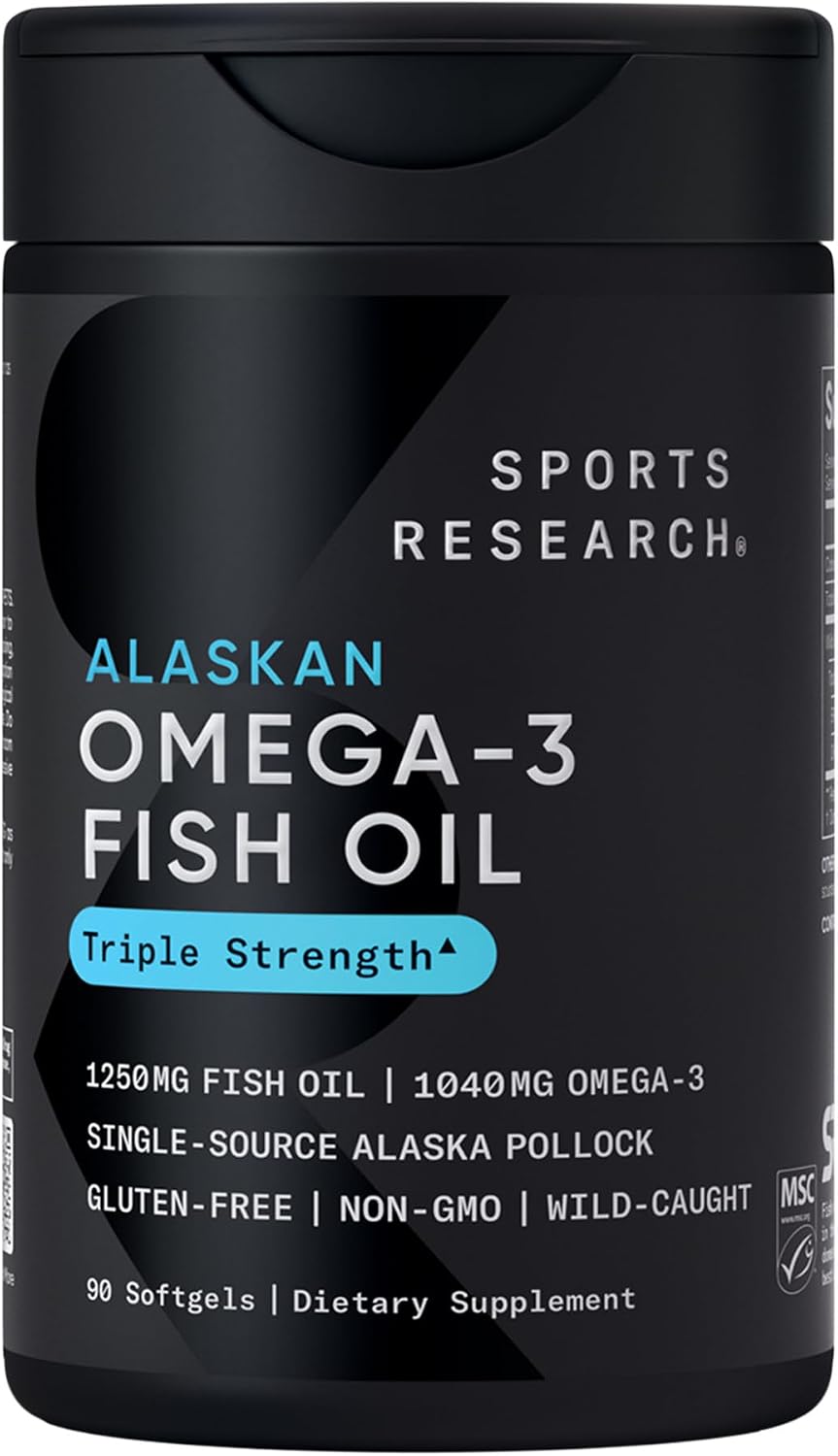
Omega-3 fats from fish are another part of recovery worth understanding. EPA and DHA become part of cell membranes and help the body carry an inflammatory response through to a settled finish. It does not treat a cold. If you rarely eat fatty fish, Sports Research omega-3 is a simple way to close the gap, and it is on Amazon. If you take a blood thinner, ask your clinician before you add a concentrated fish oil.
Does zinc help immune function in winter?
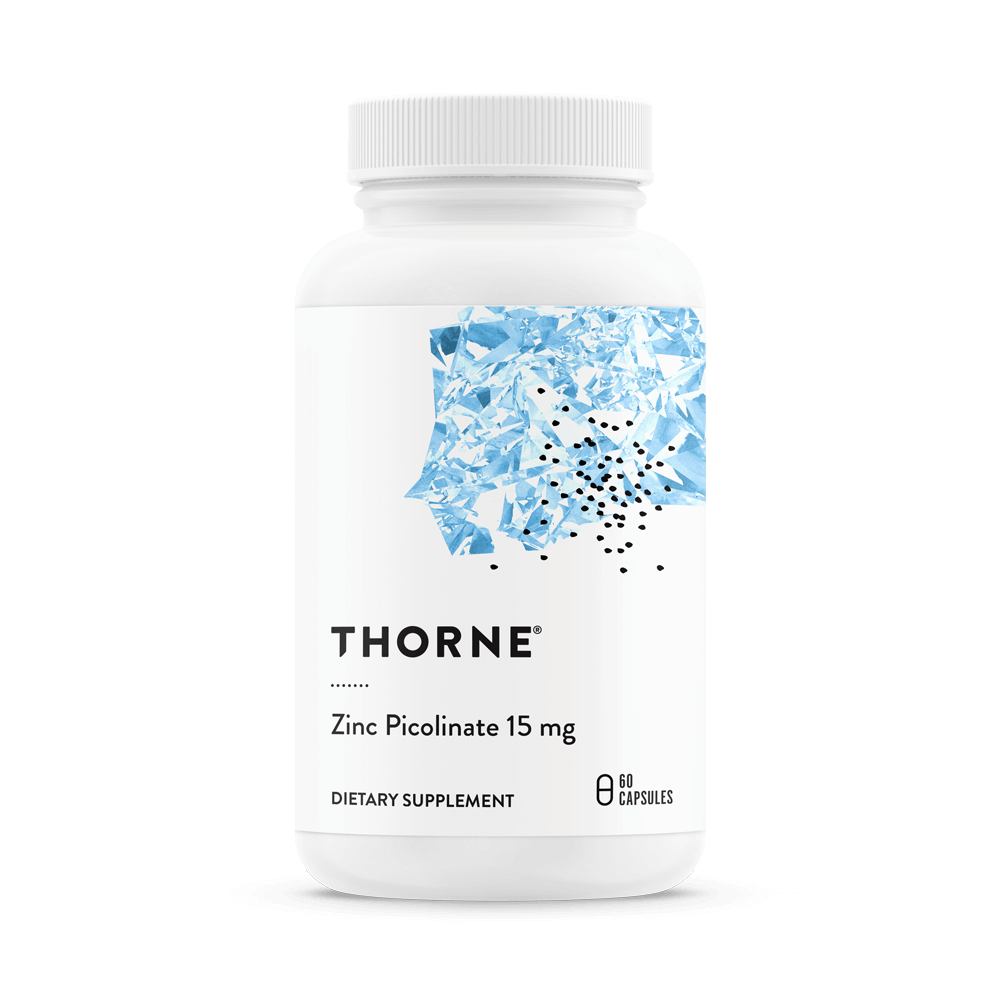
Zinc is required for normal immune cell function. People who run low get infections more easily and heal more slowly. Oysters, beef, and crab are strong food sources. Thorne zinc picolinate can cover a modest gap, and it is on Amazon. Stay near the dose on the label unless your clinician has a reason to do otherwise. Long courses of high-dose zinc can upset the stomach and interfere with copper. Correcting a shortage supports normal defenses. A much larger dose at the first sniffle is a separate decision to make with a clinician.
Build a winter week you will actually keep. Sleep gets a fixed window. Mornings get daylight and a walk. Meals get protein and some fiber. Lifting happens, and then it stops, so recovery can happen too. Vitamin D is a number you have seen. Zinc, omega-3s, and a probiotic belong only where a gap is real. The immune book on this site is there when you want a longer explanation. None of these steps replace the vaccines your clinician recommends for your age and health. Staying current on those vaccines is one of the clearest ways to remain available for work and family.
When should you see a doctor for a cold or the flu?
Most ordinary head colds can be watched at home with rest, fluids, and time. Call sooner for trouble breathing, chest pain, a fever that will not come down, confusion, a stiff neck, a rash with fever, signs of dehydration, or any symptom that scares you. Babies, people who are pregnant, older adults, and anyone with a weakened immune system should get care early. If a clinician prescribes a medicine, use it as directed and ask what to watch. If you are unsure, call. An extra visit is easier on a family than waiting out a serious symptom.
Fatigue that lasts for weeks is also a reason to be seen, even after the cough is gone. Anemia, thyroid disease, low vitamin D, poor sleep, and a slow recovery after a virus can feel the same from the inside. Testing biomarkers gives those problems a chance to be named. Book the visit. The habits on this page travel with you into that room. They do not stand in for the appointment.
Frequently asked questions about getting sick less often
Does better sleep help you avoid colds?
Yes. Shorter sleep is tied to a higher chance of catching a cold after you are exposed. About seven to nine hours in bed is a practical target for most adults. If you already spend that long in bed and still feel exhausted, ask about apnea or another medical cause before you add another supplement.
Should I check my vitamin D level in winter?
Yes. Vitamin D blood levels are worth checking, especially in winter or if you rarely get midday sun. The result tells you whether a supplement makes sense and gives you a number to recheck later. Take it to a clinician who can look at the rest of your health. A very high dose chosen without a lab is less safe than testing.
Can a hard workout make you more likely to get sick?
A brutal effort, or a sudden spike in training, leaves some people run down for several days. Regular moderate exercise points the other way and is associated with fewer ordinary illnesses across a season. Keep the hardest days rare enough that the next day includes a real meal, a full night, and easier movement. If you already have a fever, rest until it has passed.
Do zinc, fish oil, or probiotics replace medical care?
No. Zinc, omega-3s, and a probiotic can fill specific gaps in a diet or a digestion plan. They do not replace sleep, a clinician, a medicine you were prescribed, or a vaccine you were advised to get. Use them in sensible amounts, and get care when breathing, fever, or fatigue is bigger than a home routine can explain.