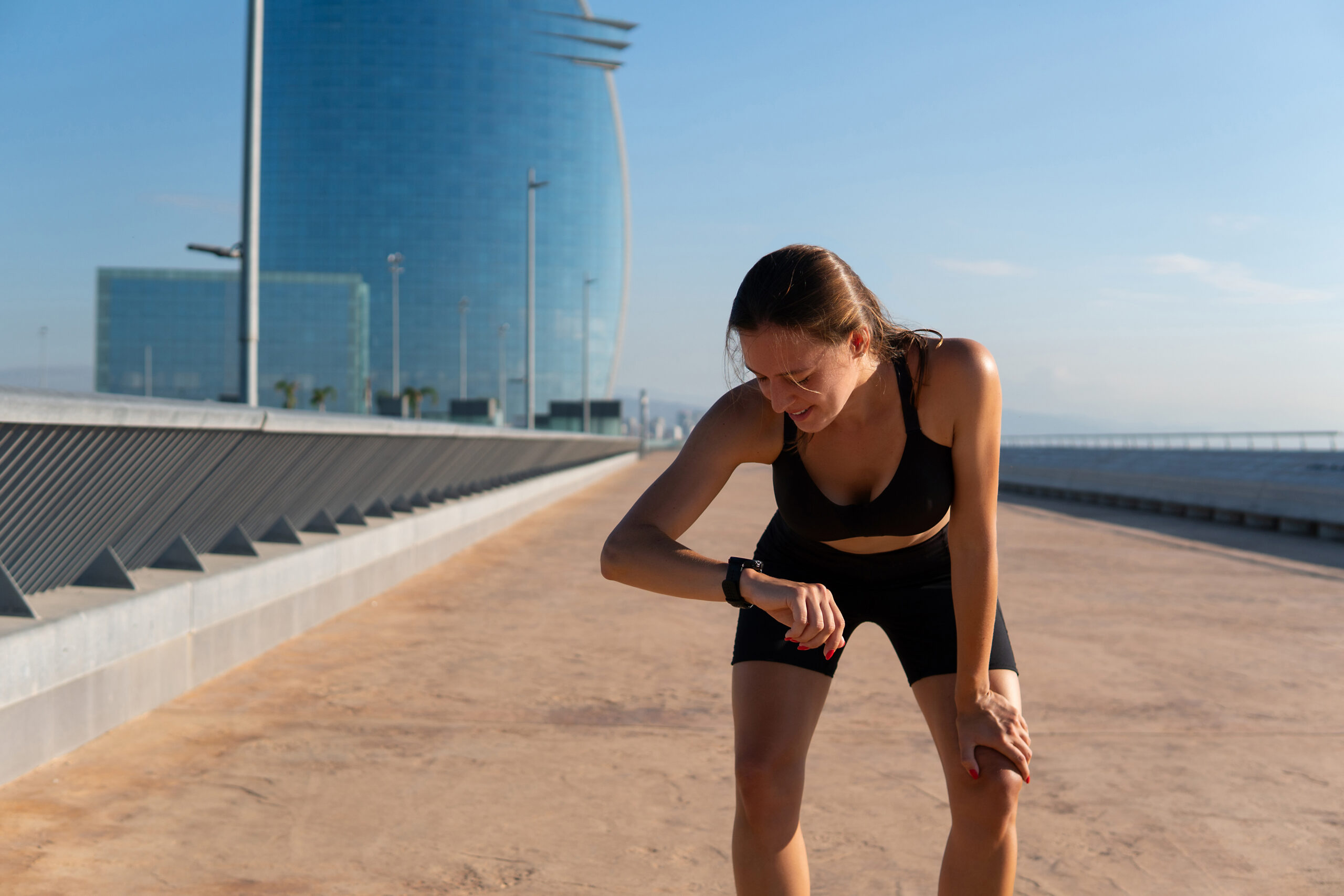
Cardio is exercise that raises your breathing and heart rate for a sustained period. Brisk walking, cycling, swimming and running can all count. The practical goal is to build the capacity to keep moving, whether that means climbing stairs more comfortably or preparing for a race.
What does VO₂ max mean?
VO₂ max describes the maximum rate at which your body can use oxygen during intense exercise. It is often expressed in millilitres per kilogram of body weight per minute. It is one measure of aerobic fitness, alongside other factors that affect performance, such as how efficiently you move and how long you can sustain an effort.
A laboratory test measures breathing gases while exercise becomes progressively harder. A watch estimates the value from signals and activity data. Those methods should not be treated as interchangeable. The HSS explanation of VO₂ max describes what testing involves.
How much cardio is a useful starting point?
For adults, public-health guidelines recommend at least 150 minutes of moderate aerobic activity or 75 minutes of vigorous activity per week, or an equivalent combination, alongside muscle-strengthening activity on two days. Someone currently doing little activity can begin with shorter, manageable sessions and build gradually.
The CDC's talk test is a useful way to judge effort without buying equipment: at moderate intensity you can talk but would struggle to sing; at vigorous intensity you can say only a few words before pausing for breath. This describes relative effort, so the same walking speed can feel different to different people.
Choose an activity you can repeat in your actual week. A nearby walking route, an indoor bike or a pool you already visit can be easier to sustain than a plan built around an inconvenient location. Record the duration and how the session felt before adding more measurements.
Steady cardio, zone 2 and intervals
Steady sessions keep the effort relatively consistent. Intervals alternate harder work with recovery. Both appear in aerobic training programmes; the balance depends on your starting fitness, goals and recovery. Research comparing intensities finds that interval training can improve VO₂ max, but the outcome also depends on the programme and the people doing it.
“Zone 2” is used with different zone systems. A label in one app may not represent the same intensity in another. Before following a zone-based plan, check how its zones are defined and whether the boundaries were estimated or measured.
If you are new to exercise, establish a repeatable routine before trying to reproduce an athlete's interval session. If you already train regularly, a coach can help place harder work around your existing schedule. Increasing duration, frequency and intensity all at once makes the change harder to manage.
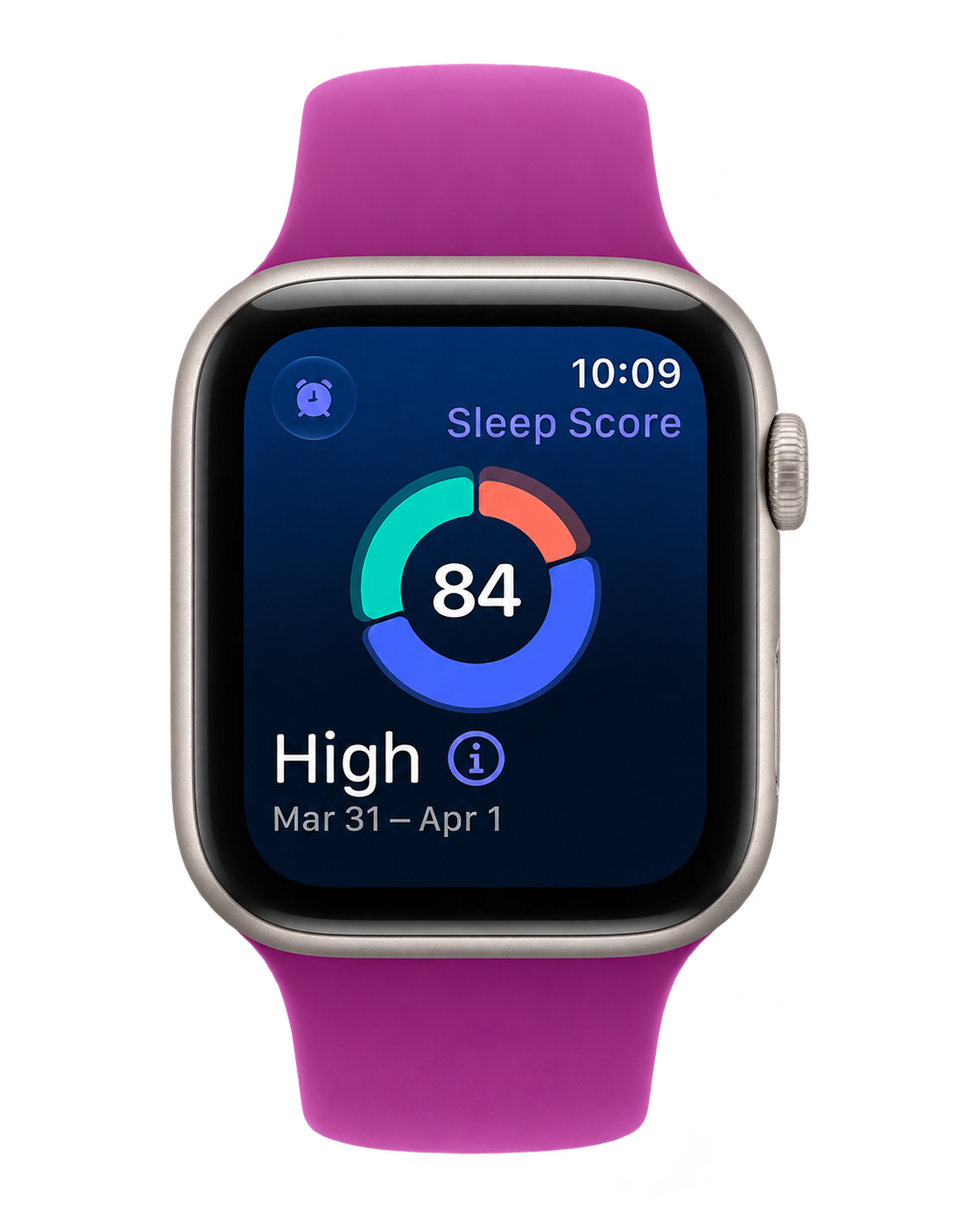
Can a watch tell whether you are improving?
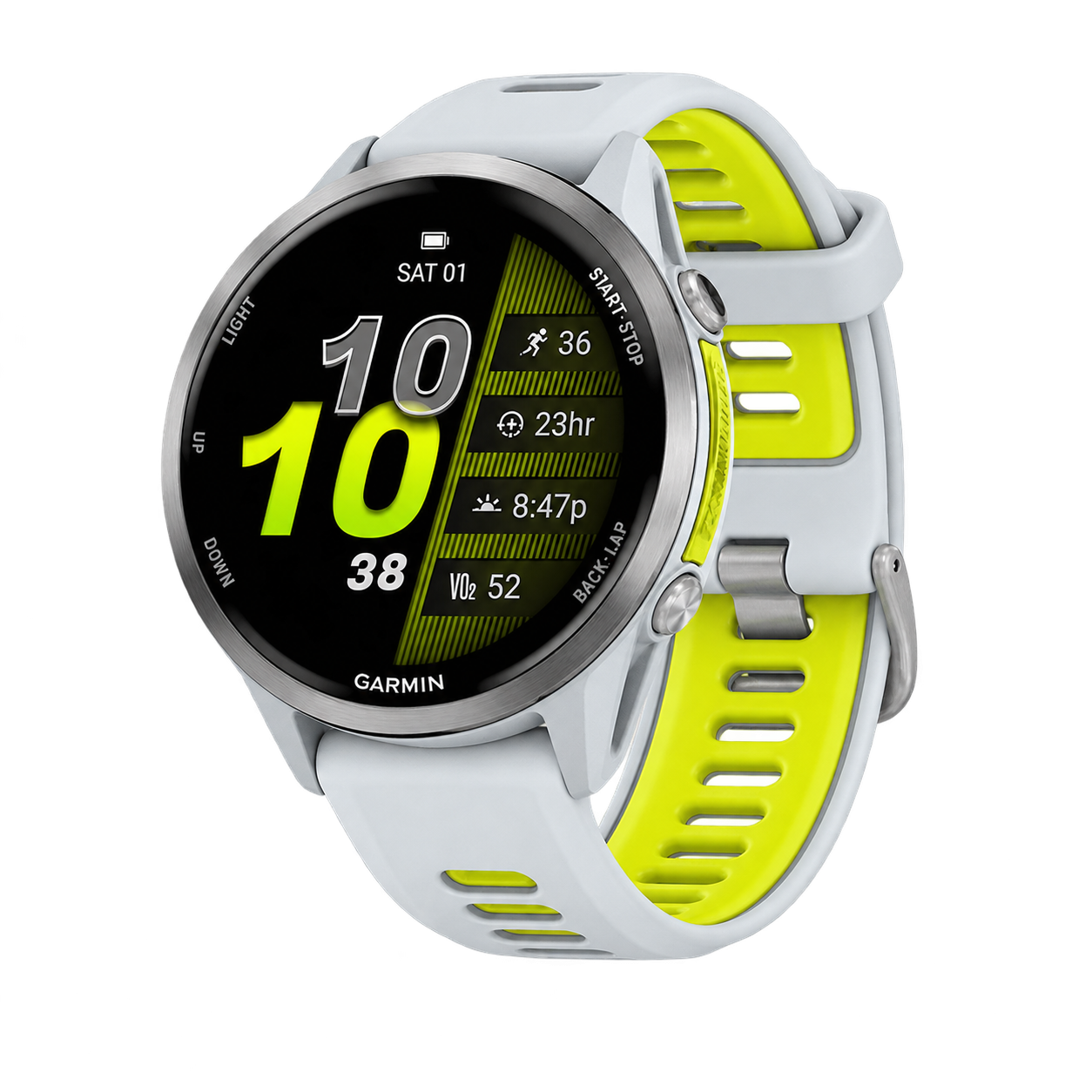
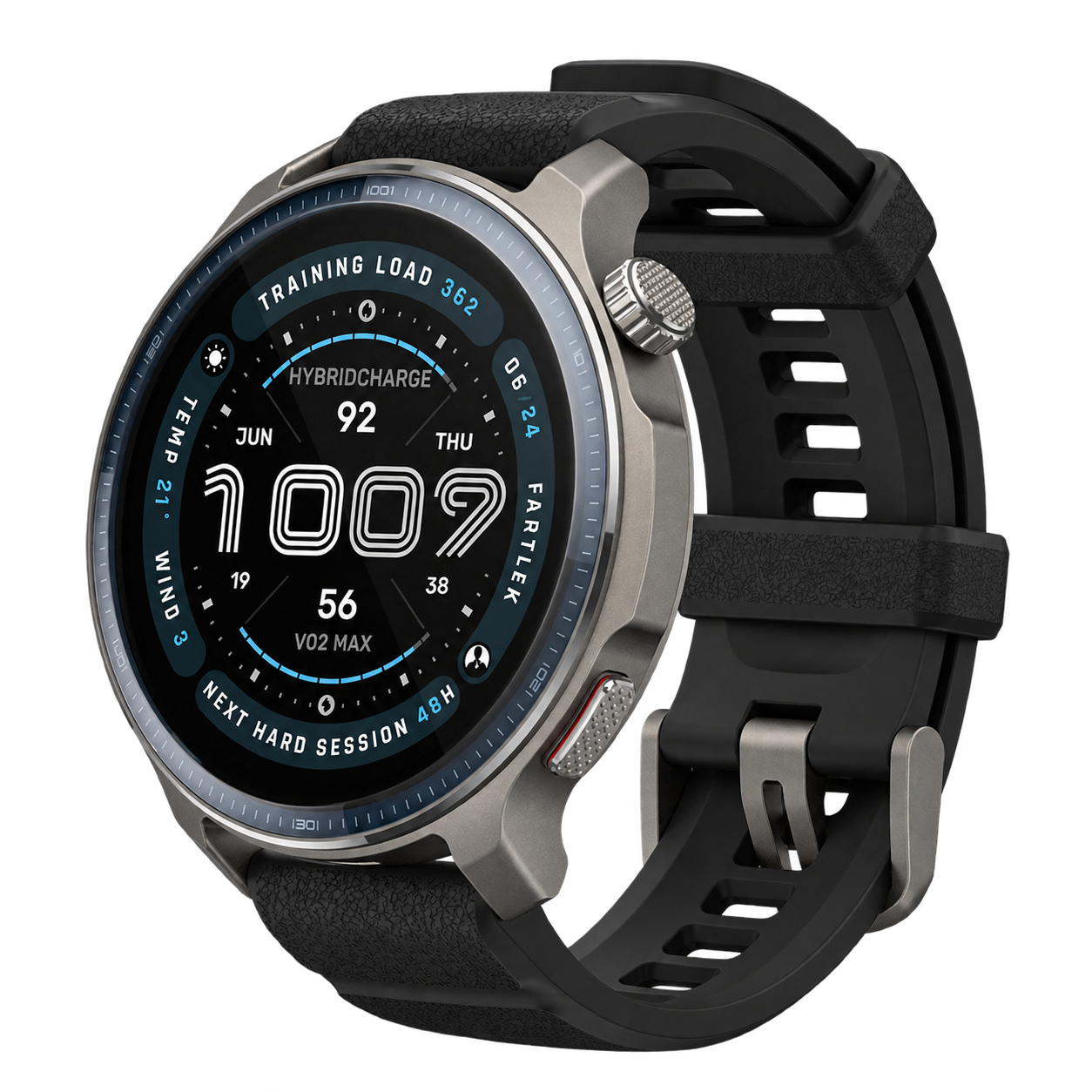
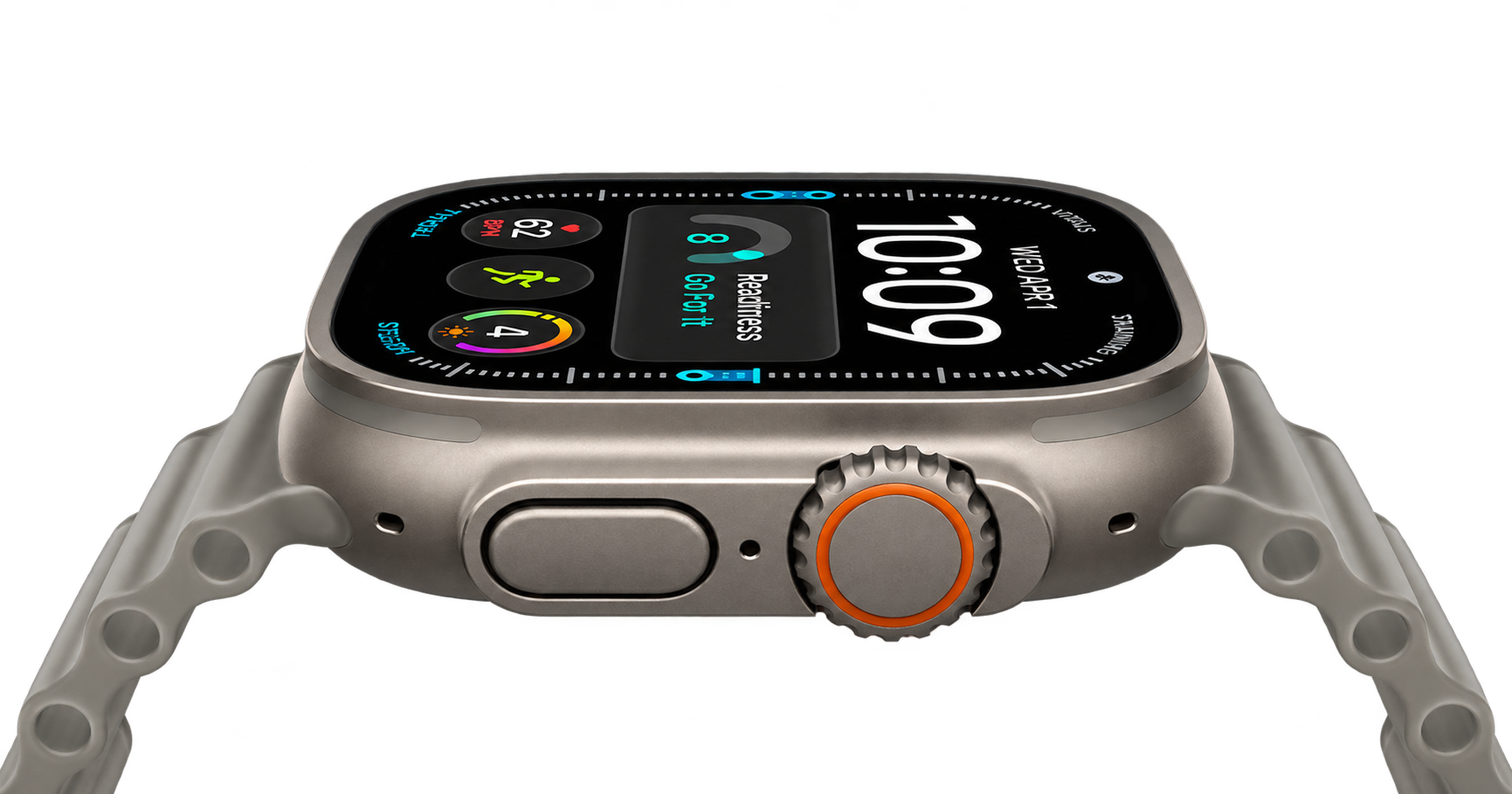
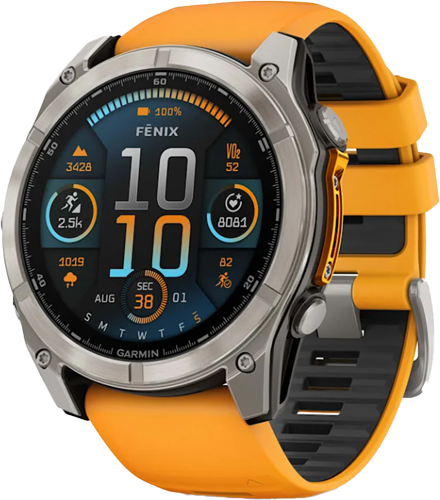
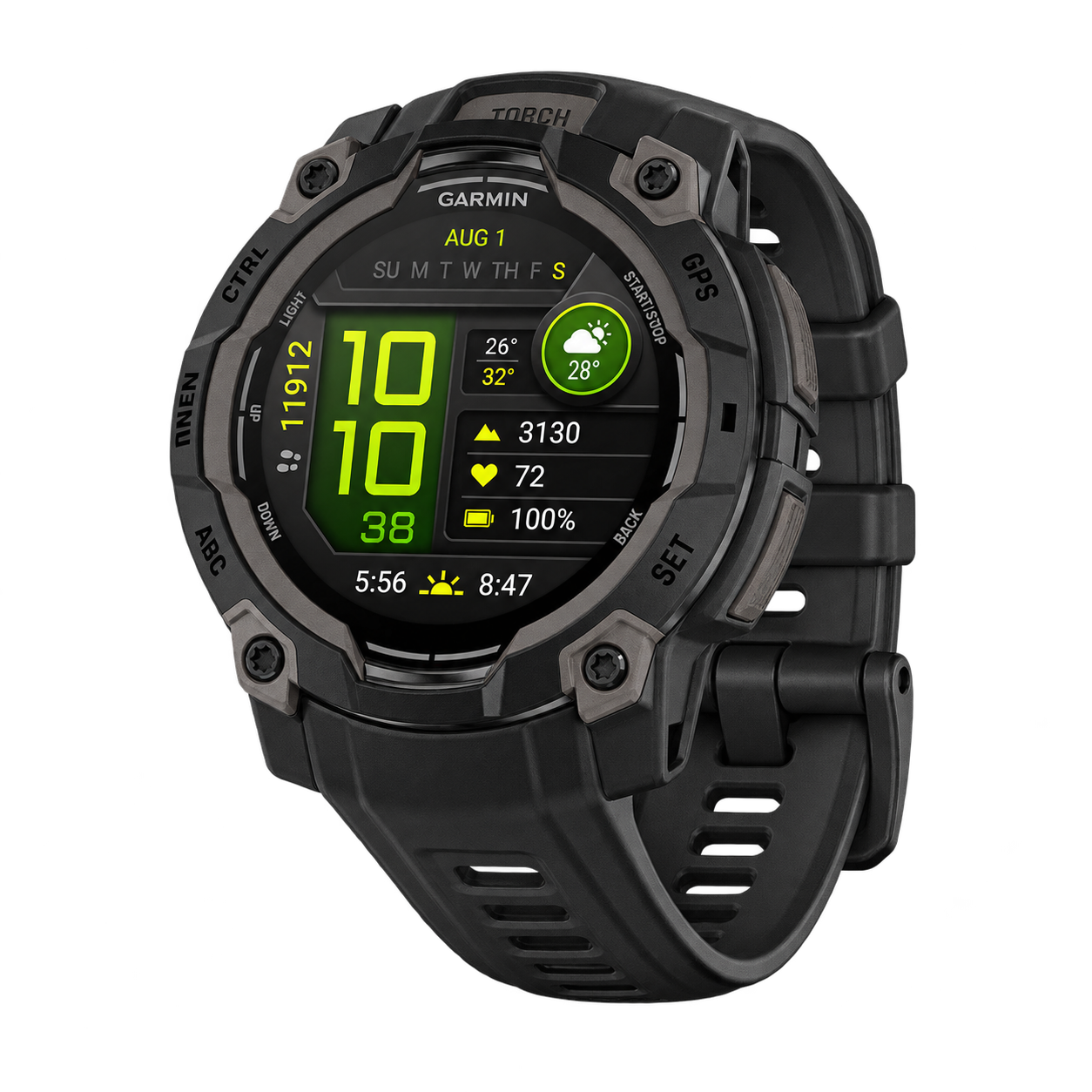
A watch can make a training history easier to review. Its VO₂ max estimate has model-specific requirements: Garmin, for example, documents different requirements by activity and device. A session that does not produce a new estimate is not automatically an unproductive workout.
Compare similar activities over time. Finishing a familiar route with less perceived effort, or sustaining an activity longer at a comfortable pace, can provide useful context alongside the app. Read Wearables for the distinction between measurements and algorithm-generated scores.
What equipment do you actually need?
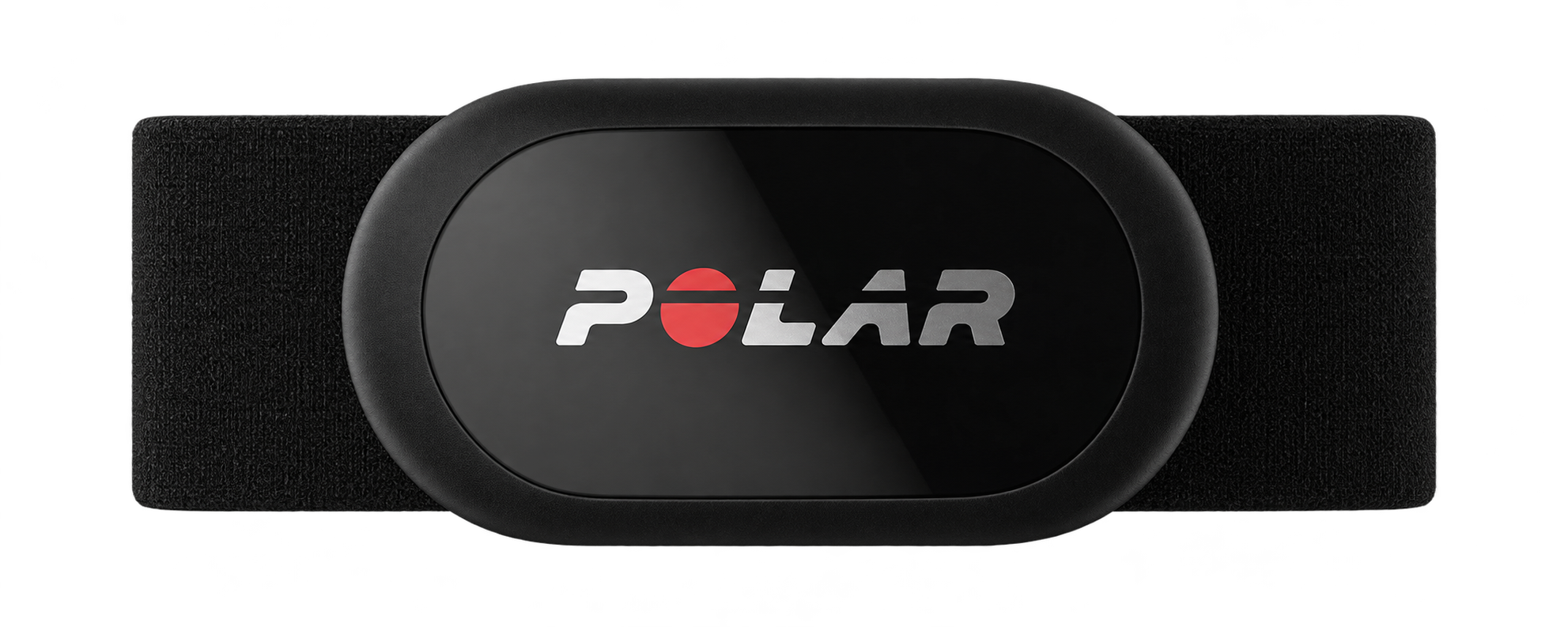
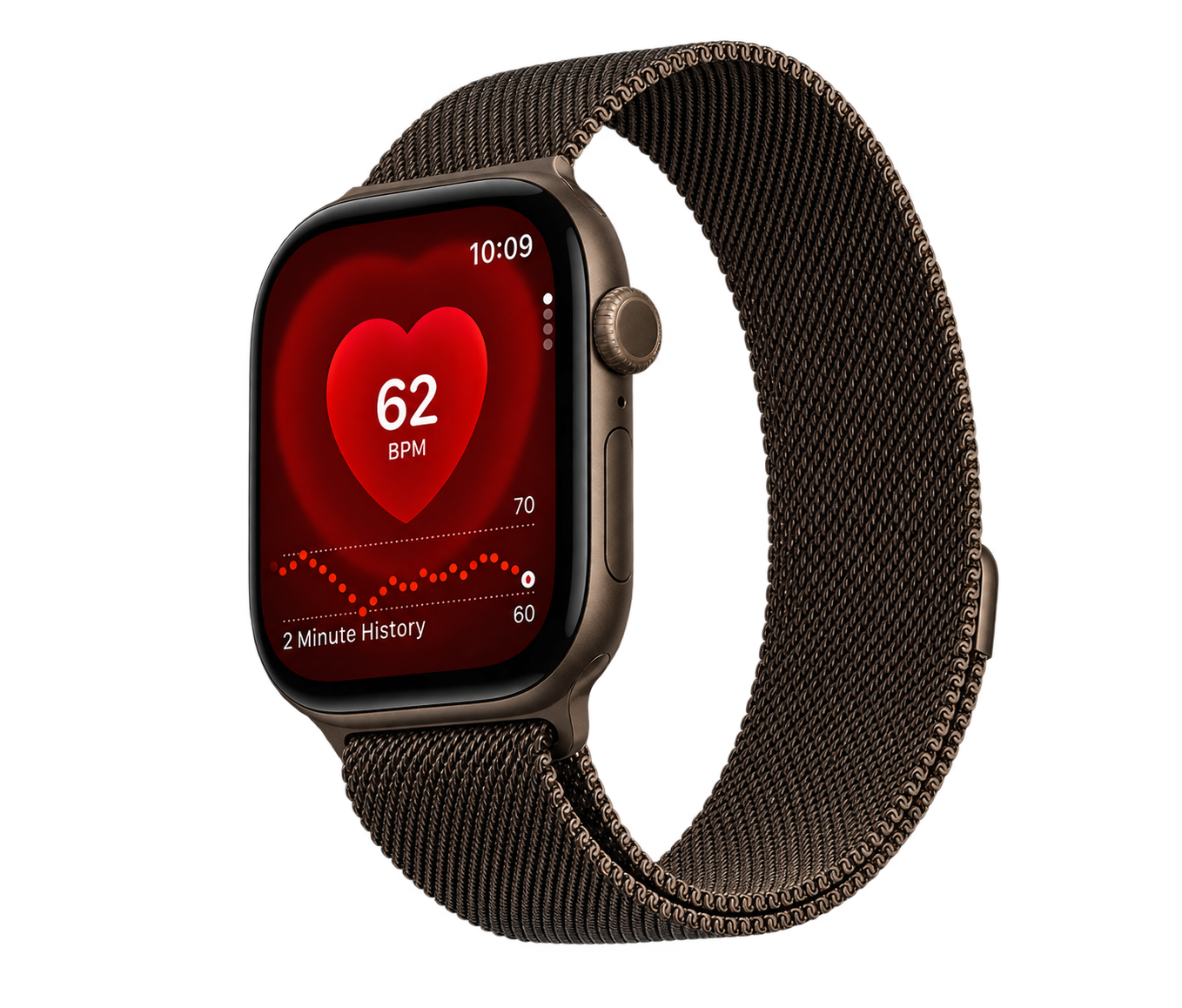
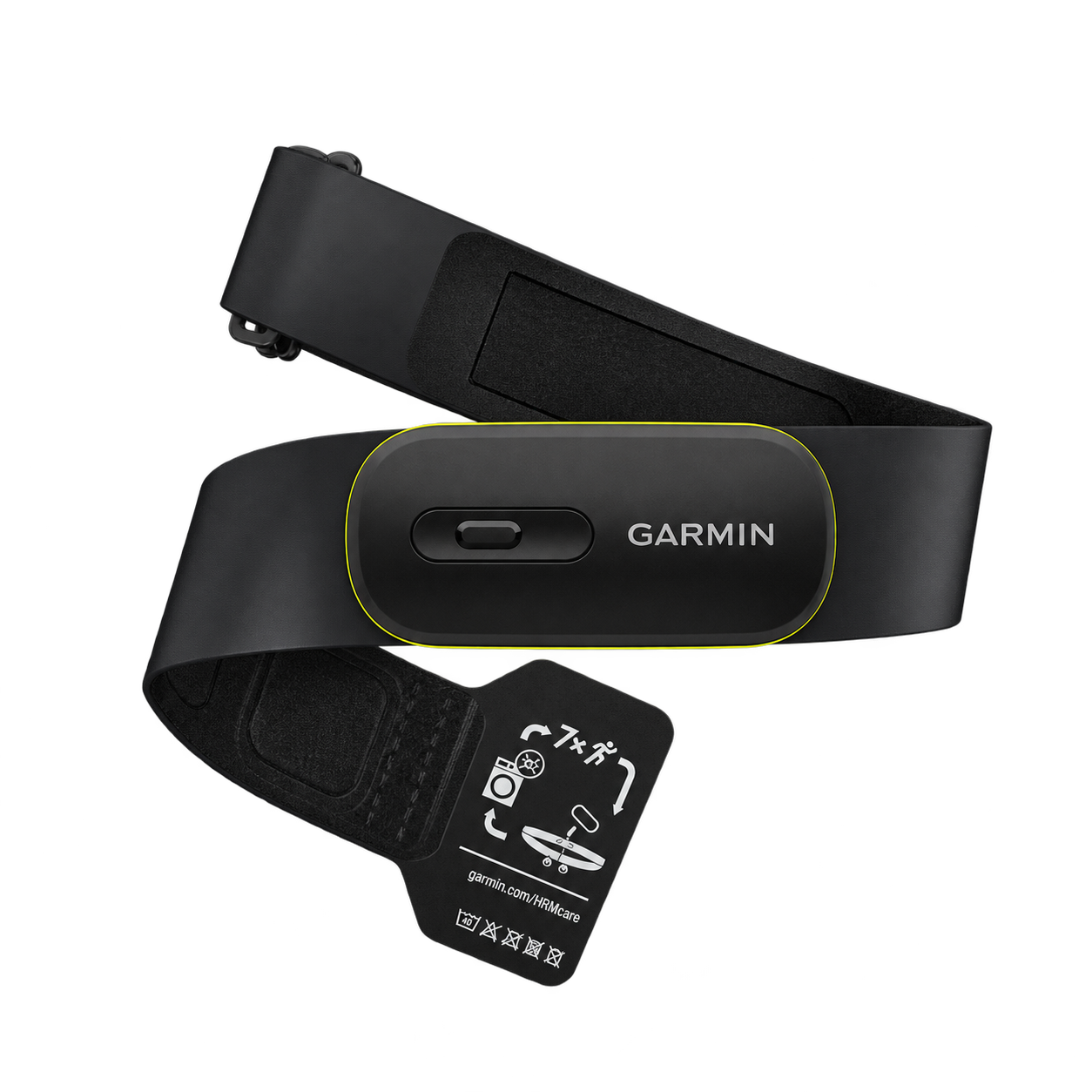
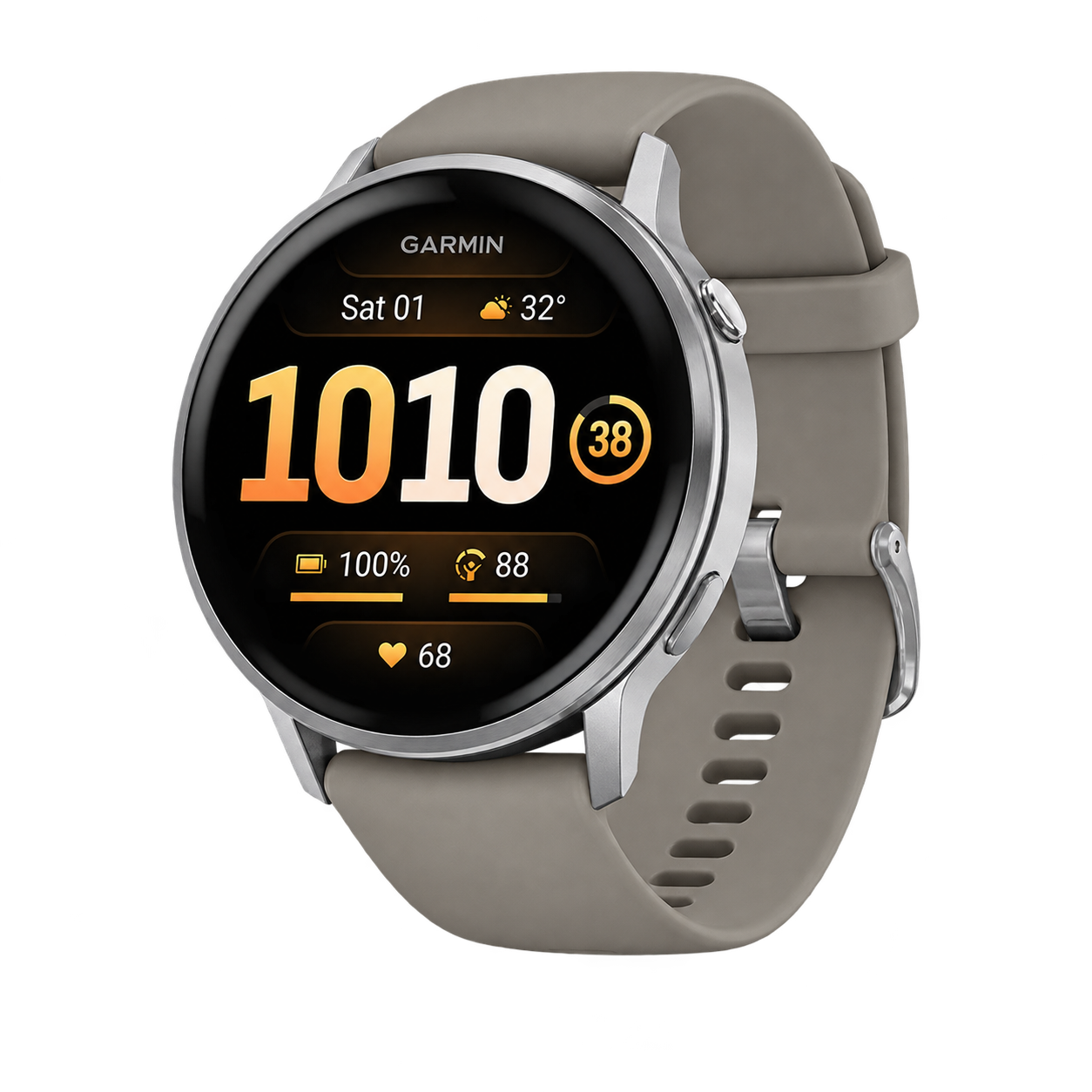
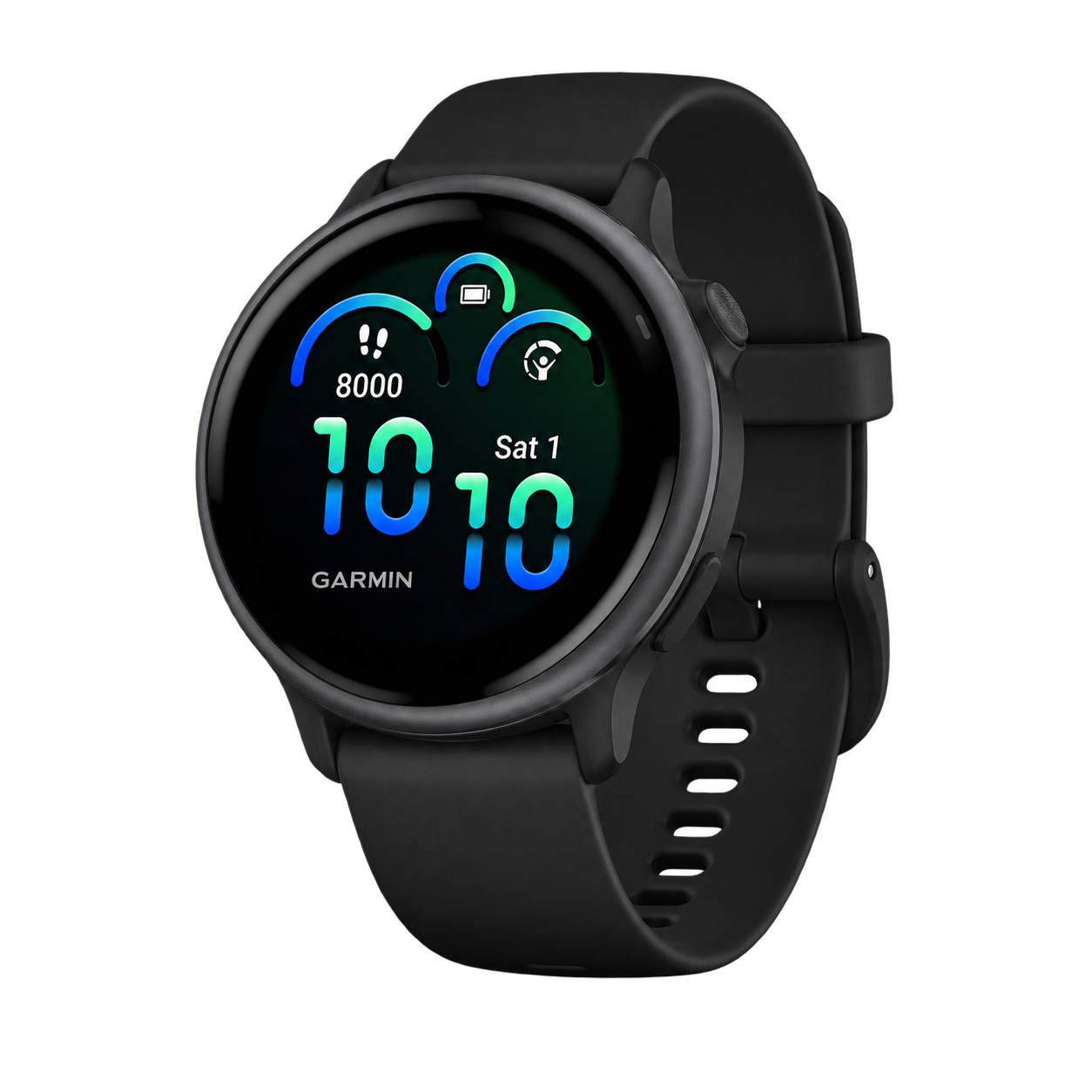
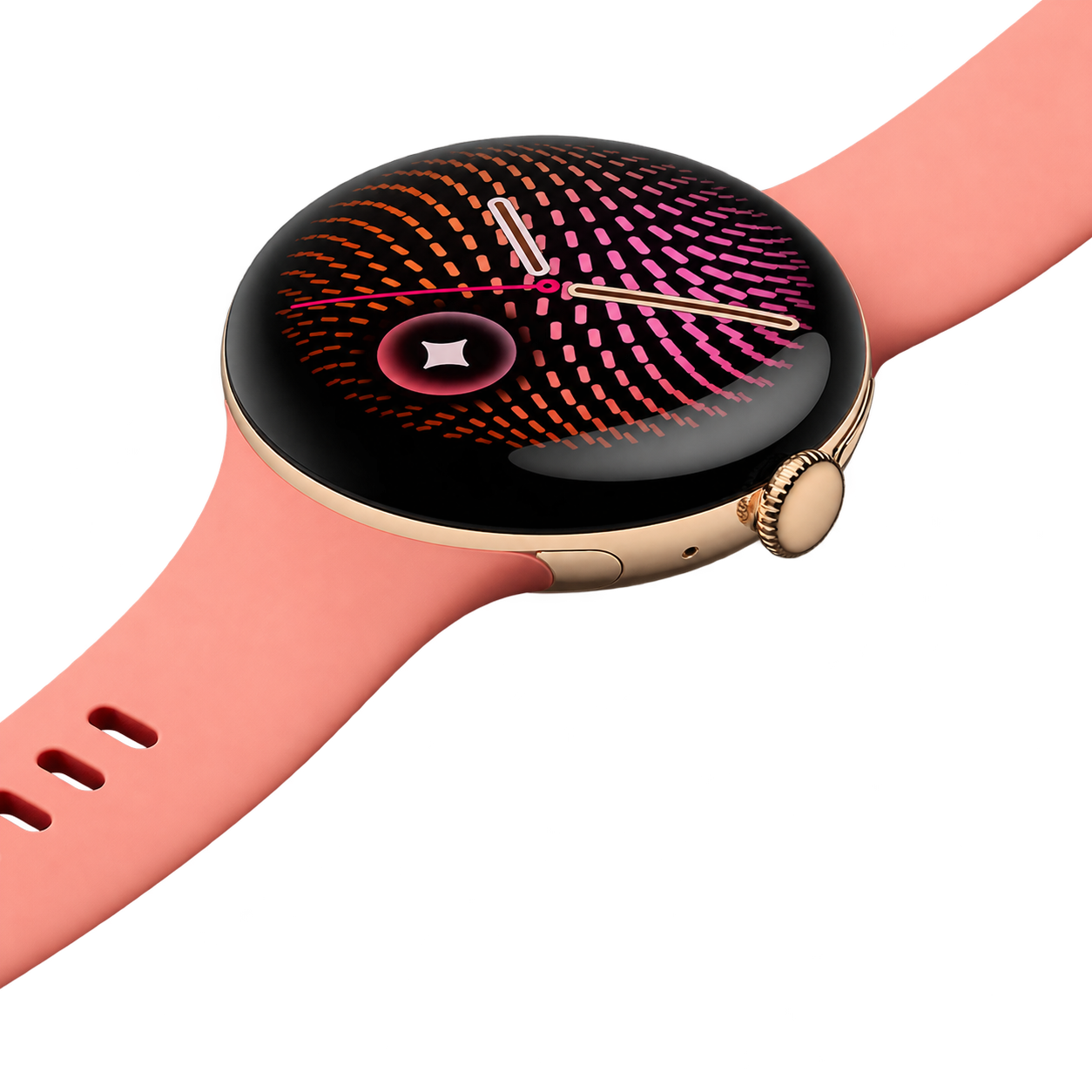
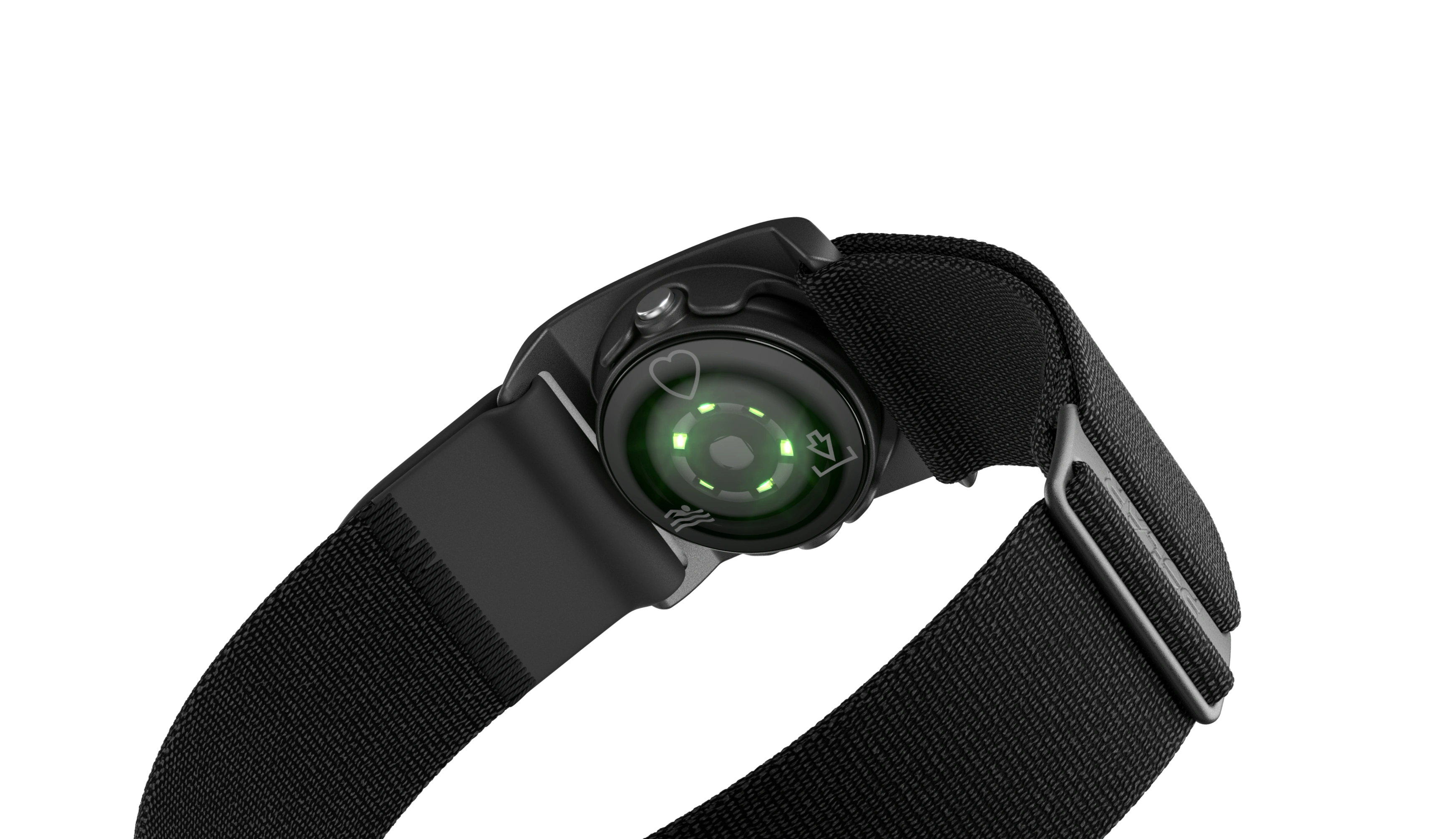
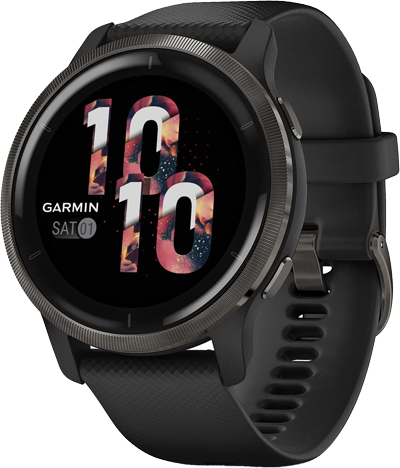
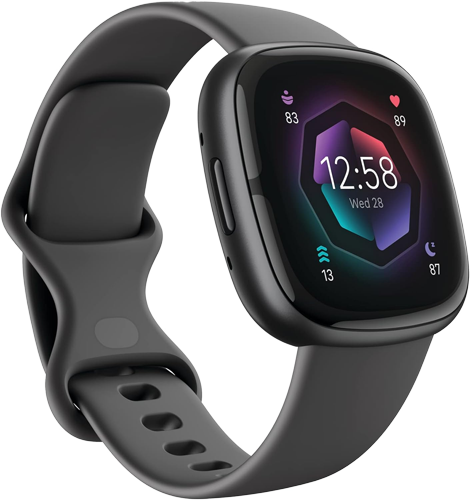
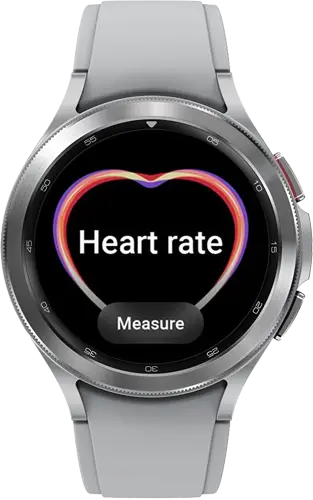
Many forms of cardio require no health-tracking device. A watch becomes useful if you want workout timing, route records or on-wrist guidance. A heart-rate chest strap is an optional sensor for a compatible setup; it does not measure oxygen consumption directly.
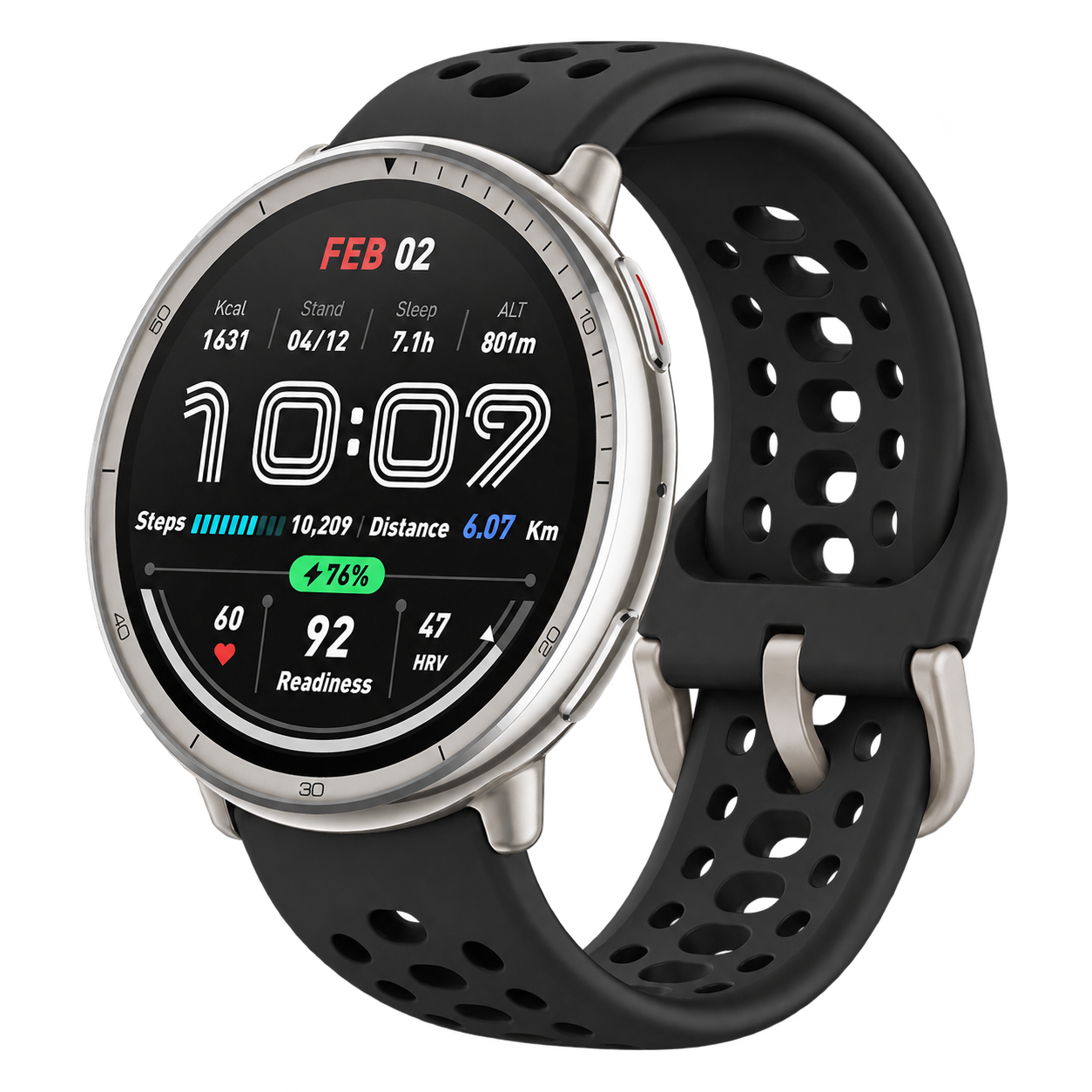
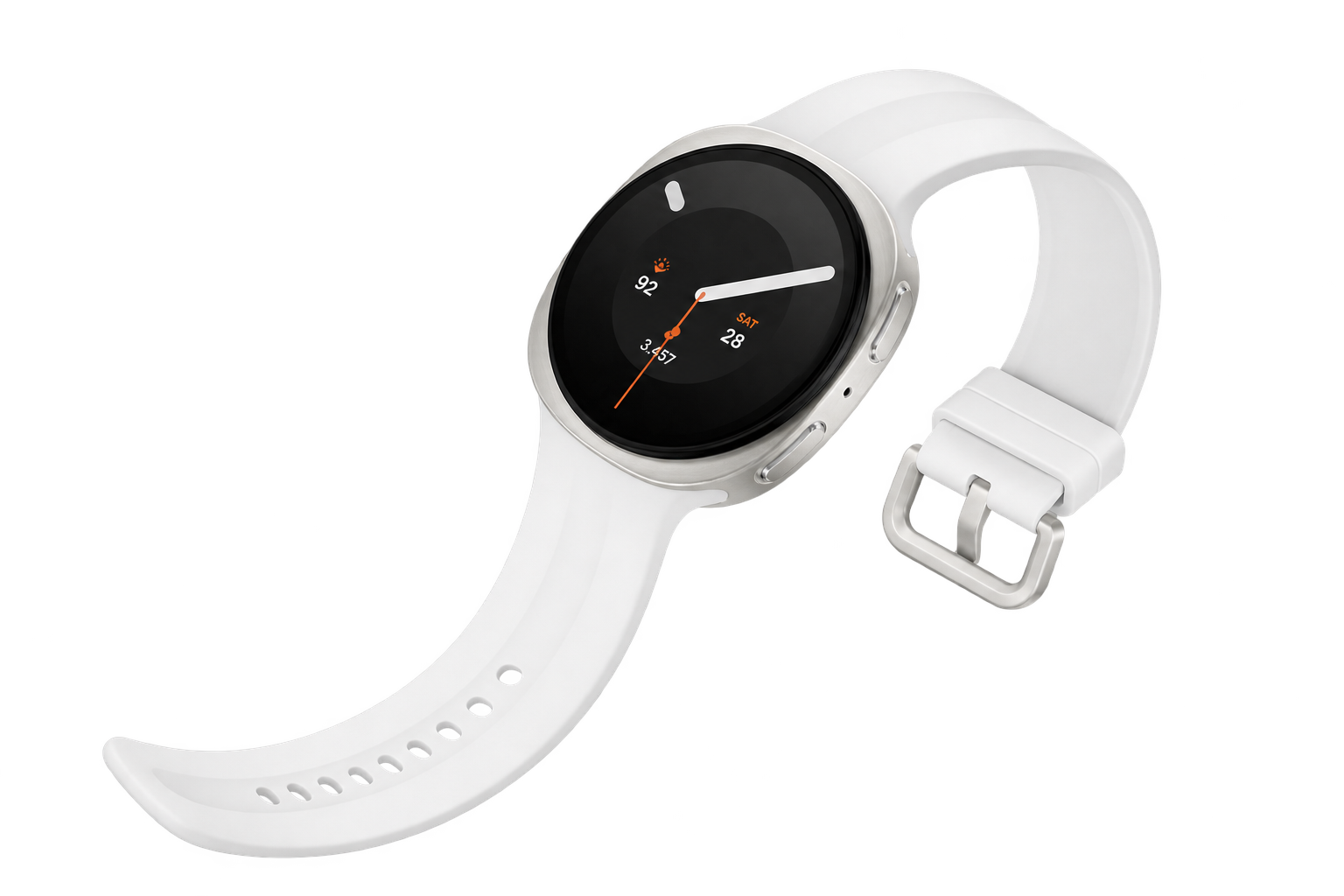
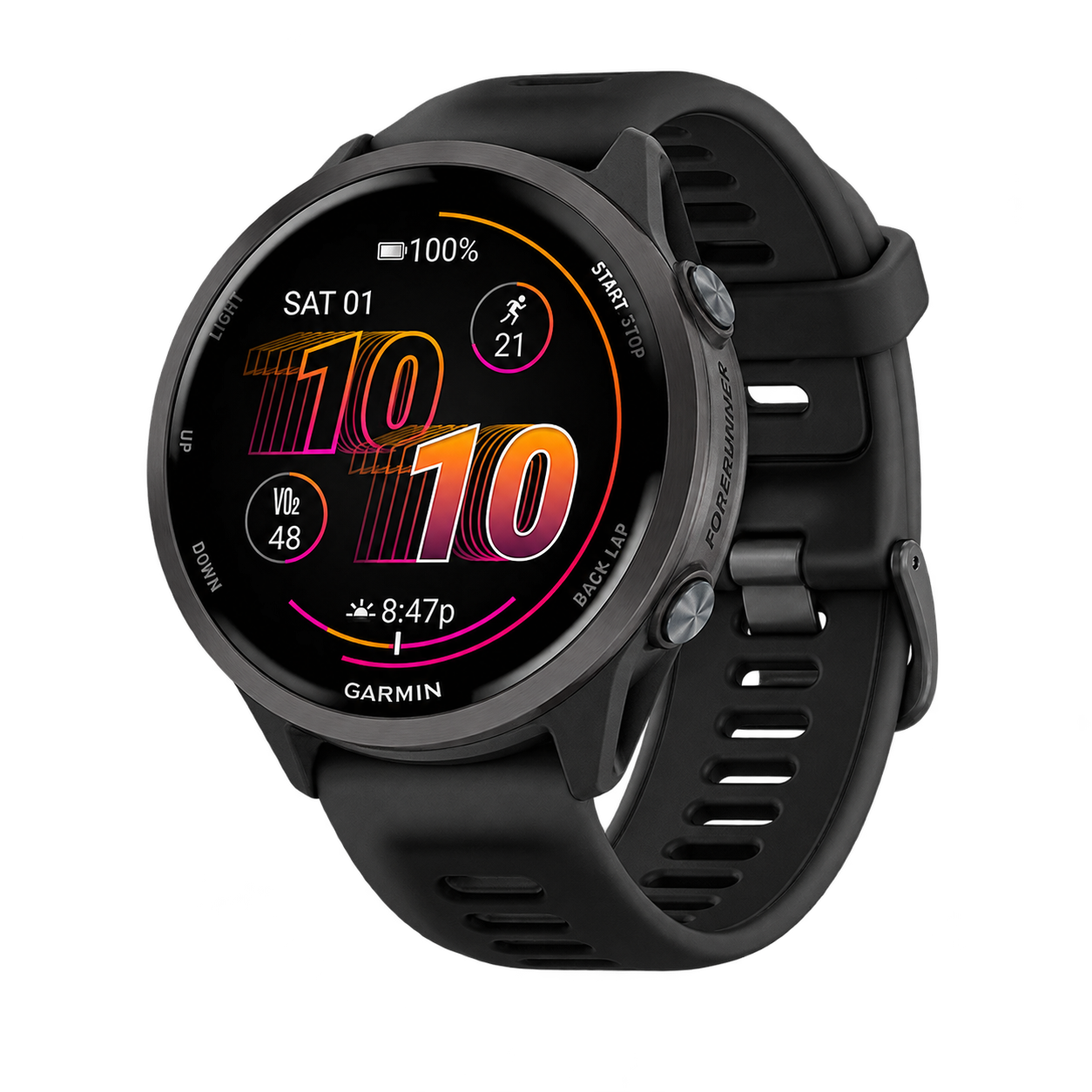
Compare the Amazfit Balance 2 for mixed activities and the Garmin Forerunner 570 for structured running. Decide which task the purchase would make easier before choosing a model. The heart and breathing pillar explains the wider subject.
When should you get individual guidance?
Discuss a new programme with your healthcare professional if a medical condition or exercise symptoms affect what you can safely do. Chest pain, fainting or unusual breathlessness during activity should not be dismissed because a watch displays a reassuring score. A personal plan should take your health history and current capacity into account.