
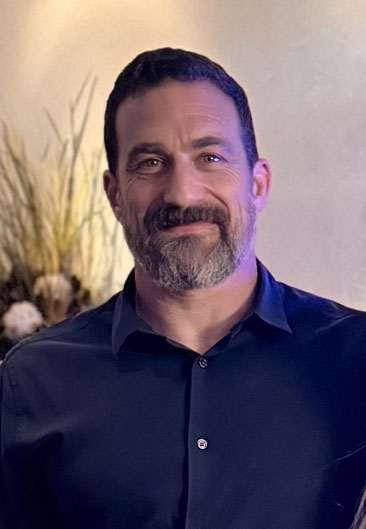
Andrew Huberman is a Stanford neurobiology professor who turned lab mechanisms into morning routines. Light in the eyes after waking. Caffeine delayed an hour or two. A physiological sigh when the nervous system is loud. None of that required a new molecule. It required someone willing to repeat the same few levers until millions of people could recite them.
He is a PhD. Huberman Lab is teaching. A podcast protocol is not a prescription.
The light piece is the one that holds up best. Outdoor morning light (sunglasses off, ideally not through a window) hits melanopsin cells and sets the clock that later times cortisol, body temperature, and sleep. Evening is the reverse: dimmer rooms, less overhead glare, screens lower if you can stand it. You can argue about the exact minute window. You cannot argue that the visual system is how the brain learns what time it is.
Dopamine is the other drum he hits. Cheap novelty spends it. Finished hard things, cold water, and actual effort tend to refill the baseline. That is why his name shows up next to cold exposure on this site, and next to focus work, and rarely next to a 12-supplement stack.
Two-minute state change: double inhale, long exhale. Panoramic vision when you are tunnel-stressed. Nasal breathing when you catch yourself panting at a desk. Small dimmer switches. They will not fix a life. They will get you through a meeting.
Copy those. Be slower with the rest. He synthesizes papers at podcast speed, which means a protocol can sound more settled than the methods section. Some researchers have said so out loud. Supplements get more oxygen than they would in a seminar. Use him as a map of mechanisms, then check the paper (or a clinician) when the claim has to carry weight.