
/
Respiratory Muscle Training

Respiratory Muscle Training

Resistance for the diaphragm.

Skip ifNot in water. Not mixed with big breath-hold rounds until you know the drill. Chest pain or fainting: stop. Asthma: clinician first.

Proven benefits

of Respiratory Muscle Training

Enhanced Athletic Performance
Peer-reviewed studies show significant improvements in endurance and high-intensity exercise capacity. Athletes demonstrate increased time to exhaustion, better recovery between efforts, and improved overall performance across multiple sports disciplines.
Increased Respiratory Muscle Strength
Clinical measurements confirm up to 45% improvement in respiratory muscle strength through consistent RMT. This translates to enhanced breathing efficiency and reduced respiratory fatigue during both exercise and daily activities.
Improved Oxygen Utilization
Research demonstrates enhanced oxygen delivery and utilization throughout the body. This optimization leads to better cellular energy production and increased endurance during both physical and mental tasks.
Enhanced Recovery Speed
Studies show faster recovery times between training sessions and improved ability to handle repeated high-intensity efforts. This is attributed to more efficient oxygen delivery and better CO2 management.
Autonomic Nervous System Optimization
Research confirms positive impacts on heart rate variability (HRV) and autonomic nervous system function, leading to better stress management and improved recovery capacity.
Better Sleep Quality
Clinical data shows improved sleep patterns and reduced sleep-disordered breathing. Enhanced respiratory muscle function supports optimal breathing during sleep, contributing to better recovery and regeneration.
Cognitive Performance Boost
Studies demonstrate enhanced mental clarity and cognitive function due to improved oxygen delivery to the brain, resulting in better focus, decision-making, and mental endurance.
Age-Related Decline Prevention
Long-term studies indicate that regular RMT helps maintain respiratory function with age, potentially slowing the natural decline in breathing capacity that typically occurs during aging.
Popular influencers of this strategy

Bryan Johnson

Don't Die / Blueprint

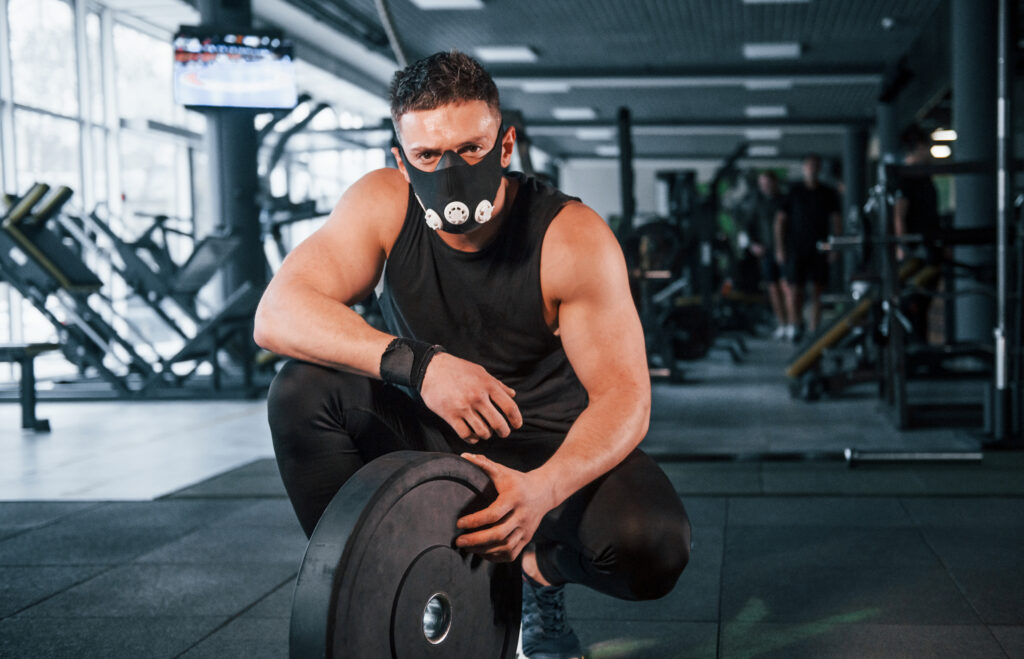
Respiratory muscle training is resistance for the diaphragm and the muscles that open the airway. You breathe through a device that makes the inhale or exhale hard. Athletes use it. People with some lung conditions use clinical versions. It is not Hof breathing and it is not Zone 2. It is a small, specific pump.

How to do it

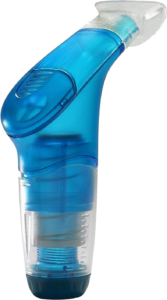
We cover The Breather and Powerbreathe Fitness Plus. Short sessions, most days, resistance you can finish without panic. Combine with nasal work from McKeown and the tour in Breath. Parent page: breathing and cardio. Do not do this in a pool. Do not mix with a big Hof round until you know which drill you are on.

FAQ

Will this raise my VO2 max by itself?

It can help the respiratory limiter. You still need an aerobic engine.

How soon?

A few weeks of consistent sessions. If breathing feels worse, stop and get checked.

Asthma?

Sometimes used under guidance. Not a replacement for inhalers. Clinician first.

Not a substitute for pulmonary rehab prescribed to you. Chest pain or fainting: stop.

Popular influencers of this strategy

Bryan Johnson

Don't Die / Blueprint

The best devices

to get started with Respiratory Muscle Training

0
The Breather
By Breather Fit
0
Powerbreathe Fitness Plus 
By POWERbreathe
0
02 Trainer
By Bas Rutten

The best books

to go deep on Respiratory Muscle Training

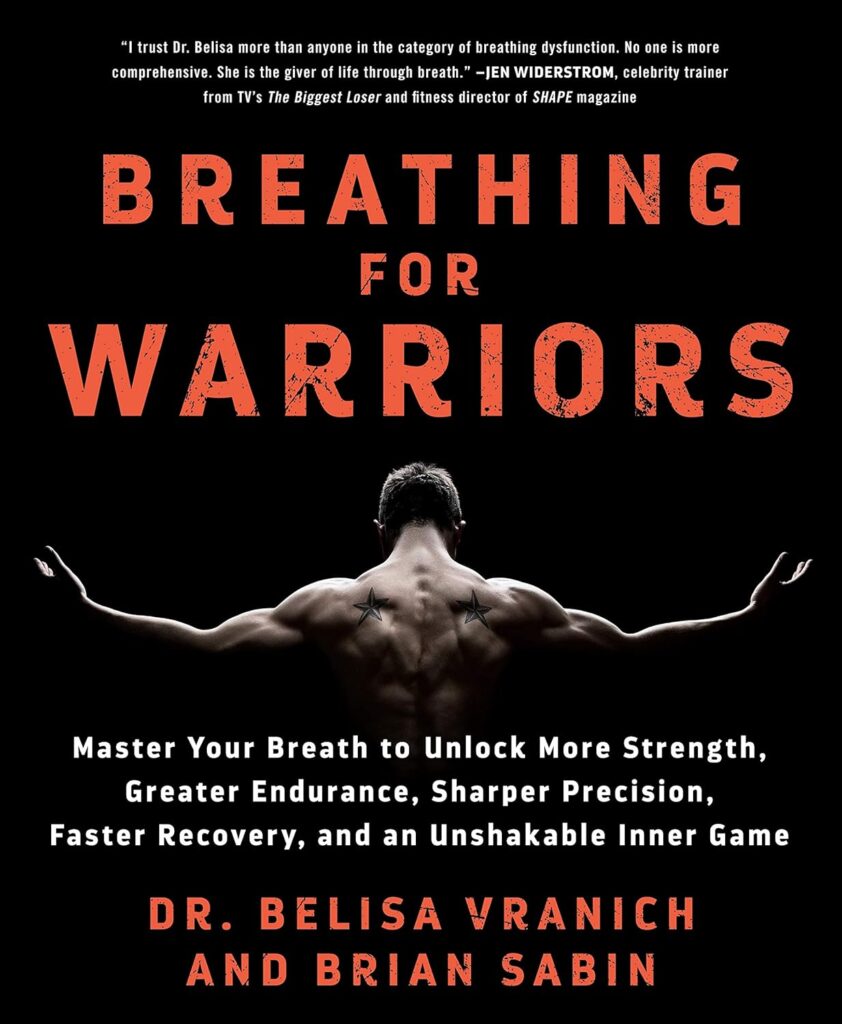
By Dr. Belisa Vranich & Brian Sabin

Breathing for Warriors

Master Your Breath to Unlock More Strength, Greater Endurance, Sharper Precision, Faster Recovery, and an Unshakable Inner Game

0
Dr. Belisa Vranich's ground-breaking second book teaches the science, techniques, and benefits of breathing correctly and efficiently for warriors in all walks of life. People are less in touch with their bodies―and especially their breathing―than ever before. Ironically, athletes and others who pride themselves on taking care of their bodies actually put themselves at greater risk. Why? Because they’re asking t…
Scroll to Top