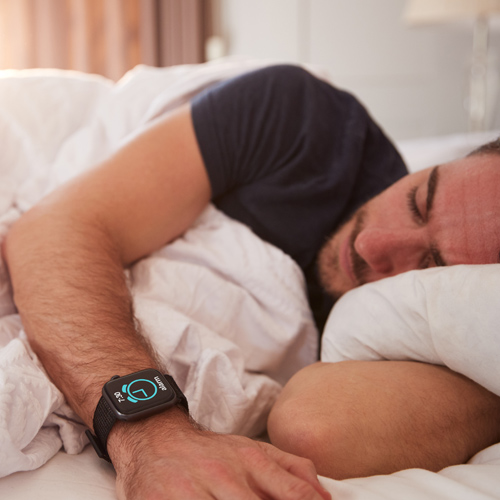





A good night of sleep is one of the kindest things you can give your future self. You wake with a clearer mind. Your patience lasts longer. Your energy holds through the afternoon instead of fading after lunch. Strength training feels more honest. Your skin looks calmer after a few steady weeks. Over the years, that same habit supports the independence you want: the ability to think, move, and recover without feeling worn out by ordinary days. People who sleep well often describe the same morning. The day has edges. Decisions come more easily. You feel like yourself before the coffee finishes brewing. Sleep is the repair window your body already knows how to use. The work is to protect it so that feeling shows up on ordinary Tuesdays as well as after a long rest.
What good sleep gives you the next day
When sleep is deep and regular, the next day feels simpler. You can hold a conversation without searching for words. You can sit down to work and stay with the task in front of you. You are less likely to snap at small frustrations. Hunger cues settle, so meals feel like choices again. A hard workout is more available because your muscles had time to rebuild. People often notice mood first, then focus, then the quiet return of stamina. Those are the benefits you can feel before you ever look at a chart.
If you care about a clear mind through the workday, the page on cognitive performance is the natural next place to look, because attention follows the night you just had. Good sleep also makes the rest of your health habits easier to keep. You reach for a walk. You cook a real meal. You go to bed on time again the next evening. The cycle supports itself once it has a few days to take hold.
How sleep restores your body and brain
Sleep is active work, even though you are lying still. Across the night your brain moves through lighter sleep, deep sleep, and dream sleep, often called REM. Deep sleep is the heavy repair shift. Growth signals rise. Tissues that were stressed by training, standing, or a long day get a chance to mend. This is one reason muscular fitness and strength belong in the same conversation as bedtime. You build muscle in the gym, and you also build it in the hours afterward. A large share of that building happens while you sleep.
Dream sleep helps you sort memories and soften the emotional charge of the day. You file what matters and set down some of what can wait. The brain also clears metabolic leftovers more effectively during sleep. That is one plain reason a foggy morning often follows a short night. At the cellular level, sleep supports the small energy factories inside your cells. When those factories are well rested, you feel it as steadier energy and a body that recovers on schedule. The page on cellular health and metabolism goes further into that story.
You need enough total sleep, and a pattern that lets deep sleep and dream sleep both show up. For most adults that means a long enough night, in darkness, on a schedule your body can predict. Seven to nine hours is a useful range. The right amount is the amount that leaves you clear in the late afternoon.
How to protect your sleep this week
Start with the clock. Pick a bedtime and a wake time you can keep on weekdays and weekends, within about an hour. Your body loves a repeating signal. Morning light is the strongest signal you can offer. Within the first hour after waking, get outside for ten to twenty minutes. Even a cloudy sky is brighter than indoor bulbs. That light tells your internal clock that the day has started, which makes it easier to feel sleepy at the right time that night. Andrew Huberman has spent years teaching this simple light habit, and it remains one of the most useful steps for people who want better nights.
Satchin Panda‘s work on daily timing adds a useful companion idea. Keep meals, movement, and light in a daytime window so the night stays clearly night. You can build this slowly. A consistent breakfast time and a kitchen that closes a few hours before bed are enough to start. The pattern only has to be recognizable to your body.
Caffeine deserves a boundary. For many people, coffee after early afternoon still sits in the system at bedtime. If you fall asleep easily but wake around 2 a.m. or feel unrefreshed, move the last cup earlier for one week and notice what changes. Alcohol can make you drowsy and then break up the second half of the night. A smaller evening drink, or none at all, often returns the deeper stretch of sleep people miss.
Shape the room. You want it dark, quiet, and a little cool. Blackout curtains or a simple eye mask help. A fan helps if the street is loud. Charge the phone outside the bedroom, or at least across the room, so a late scroll takes more effort. The home optimization guide walks through light, temperature, and noise in a practical way if you want a room that supports sleep without a renovation. Keep a short wind-down. Dim the lamps, take a warm shower, read a paper book, and leave intense problem-solving for tomorrow. The aim is a body and mind that believe the day is finished.
Tools and nutrients that can help you sleep
A wearable can teach you what your nights are actually doing. The Oura Ring is a small ring that estimates sleep stages, timing, and recovery from your finger. Many people like it because it is easy to forget you are wearing it. You can compare it on Amazon if you want the current details. WHOOP is a band that leans into strain and recovery, which some athletes prefer when training load is the main question. The wearables guide explains how to read these tools with a calm head. Use them to spot patterns such as late meals, weekend schedule swings, alcohol, or a hot bedroom. Then change one thing. If the score starts to worry you, take the device off for a few nights. Your felt energy in the morning is still the result that matters.
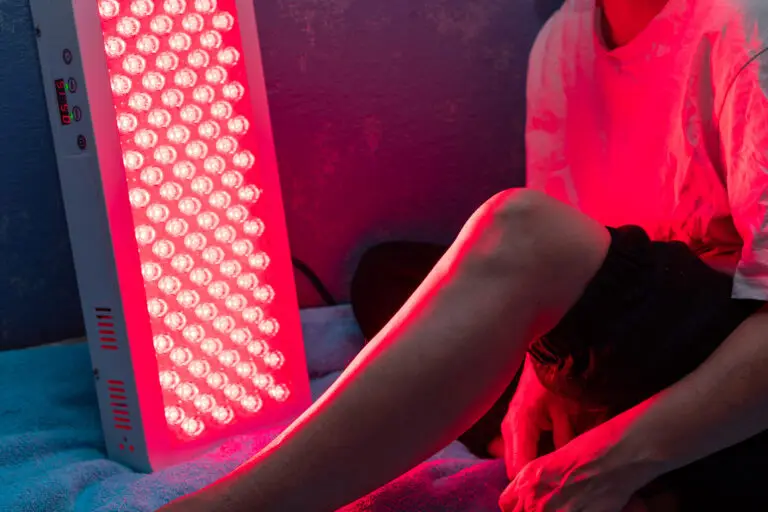
Light can be a tool as well as a habit. The Philips SmartSleep is a wake-up light that brightens gradually before your alarm. Many people find that gentler than a sudden sound in a dark room. A slow dawn is especially helpful in winter, or if you must rise before the sun. See it on Amazon when you are ready to look at the device itself. Pair it with real outdoor light after you are up. The lamp starts the morning signal. The sky finishes it.
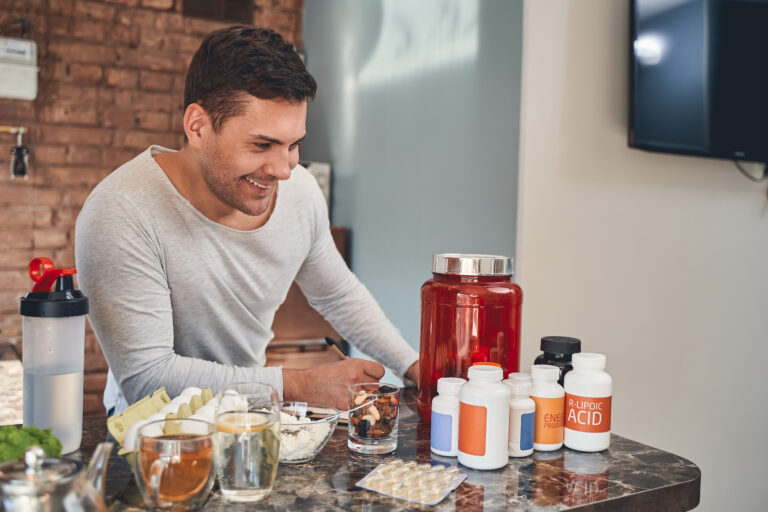
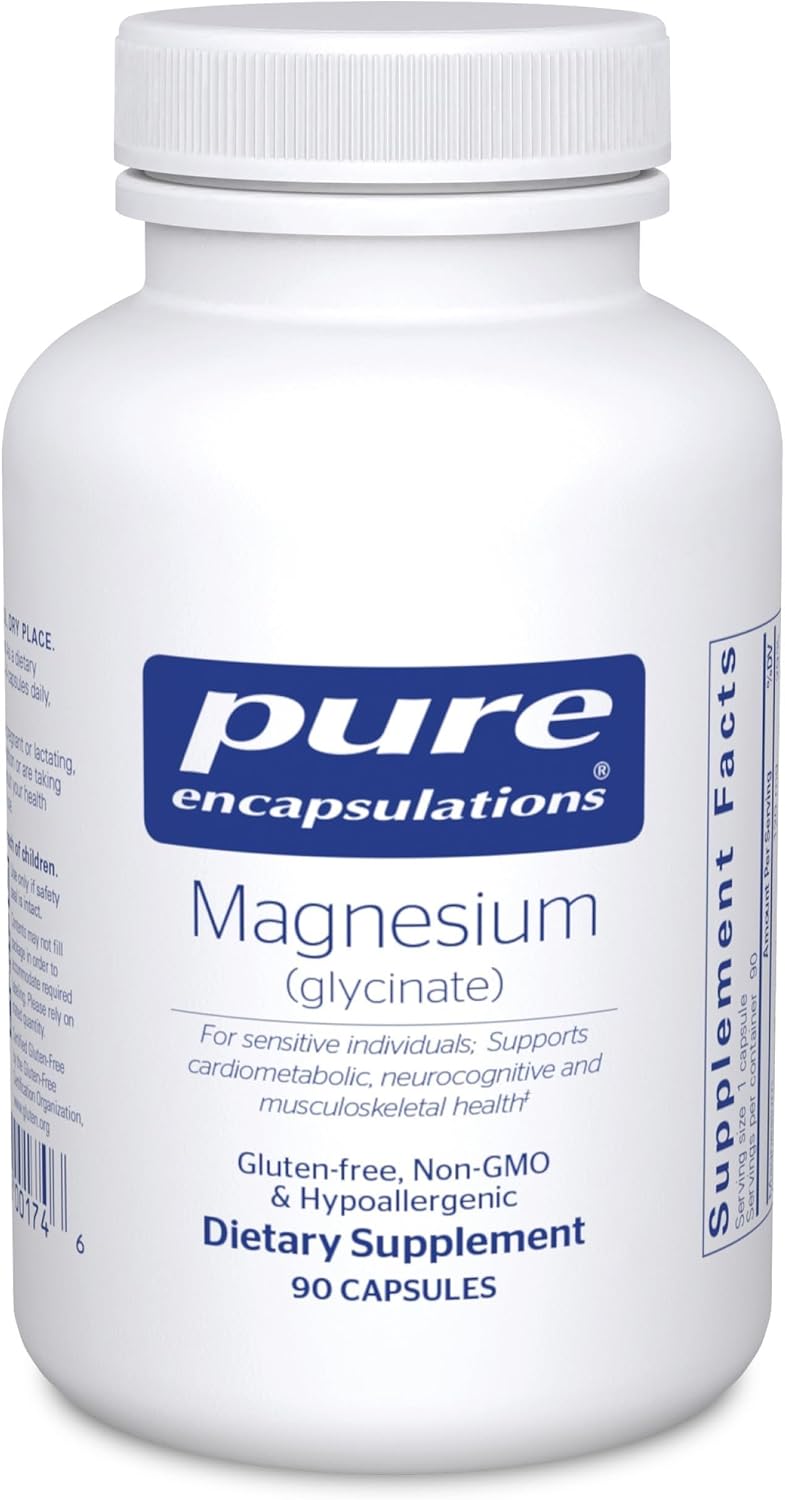
Nutrients come after the basics, and they can still help. Magnesium glycinate is a form of magnesium many people tolerate in the evening. Magnesium takes part in muscle relaxation and in the quieting of a keyed-up stress response. If your calves feel restless, your jaw is tight, or you run hot and wired at bedtime, this form is a reasonable experiment beside the habits above. You can also order it on Amazon.
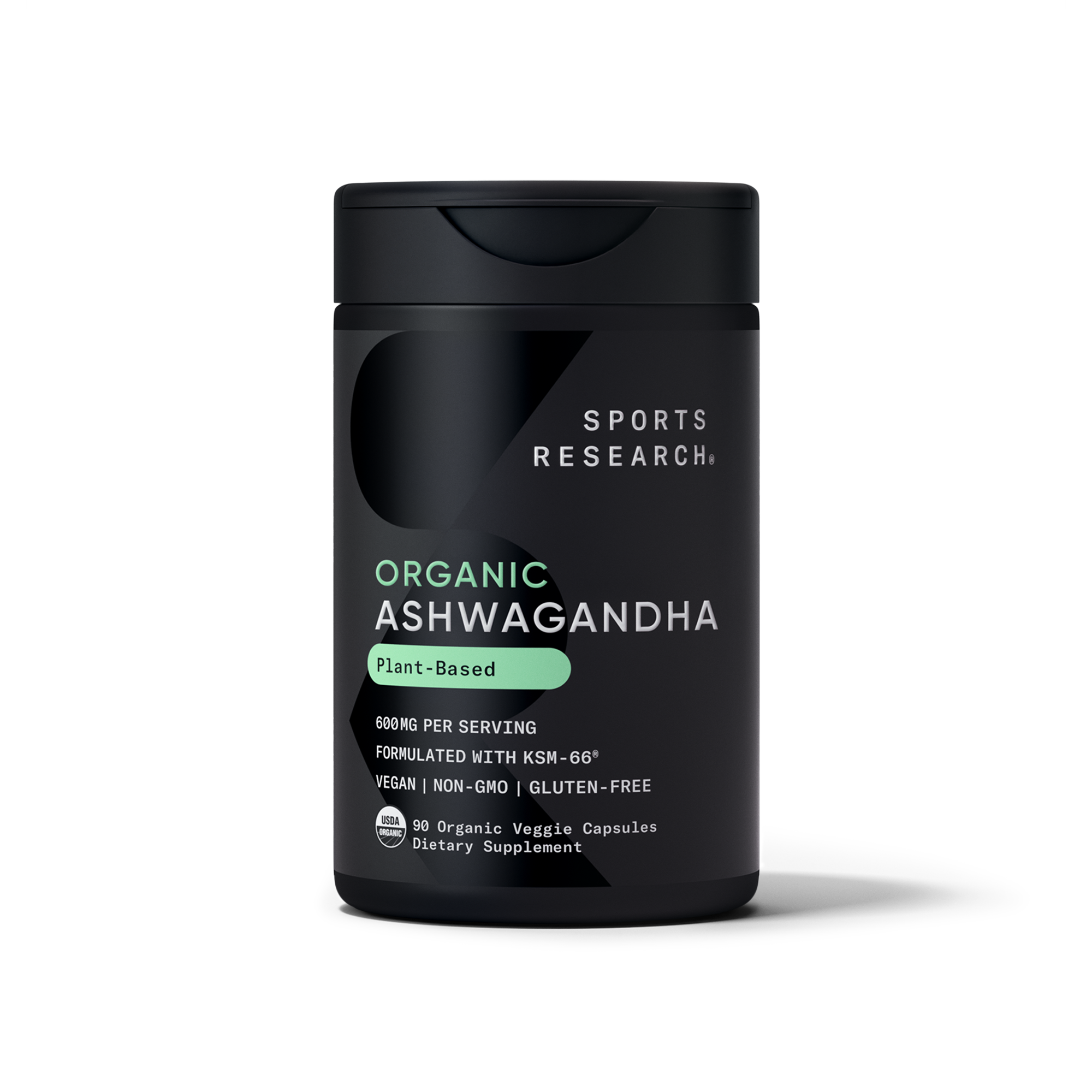
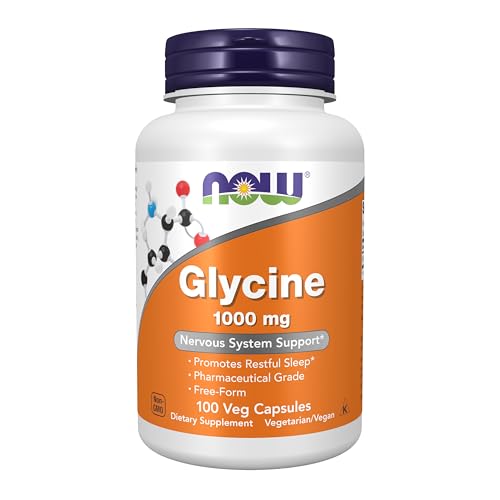
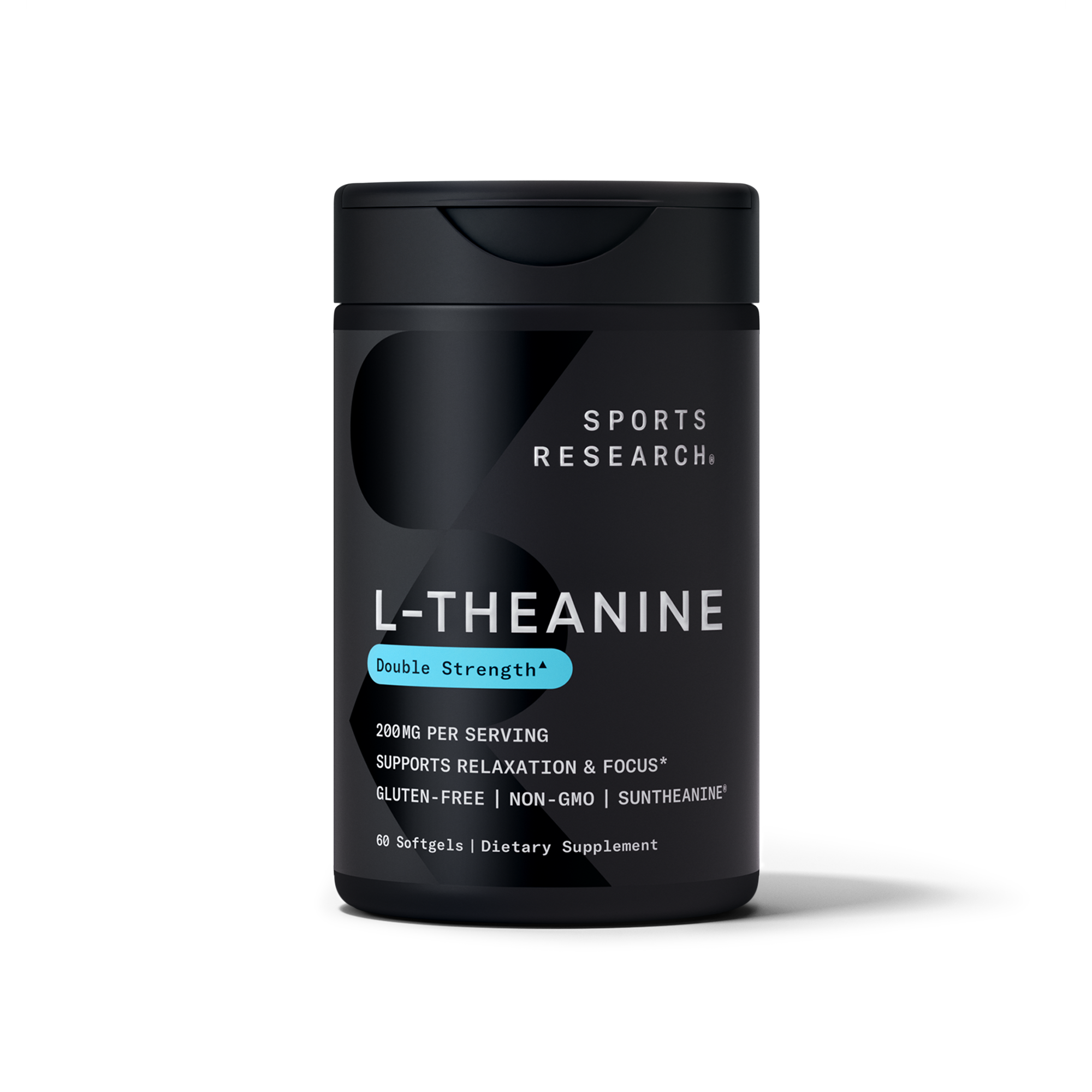
Glycine is a simple amino acid. Taken in the evening, it can lower core temperature a little and help some people fall asleep with fewer awakenings. A common powder serving is described on that page, and the same product is on Amazon. Ashwagandha is an herb used for stress resilience. When the day leaves you keyed up, a standardized extract such as KSM-66 may soften that edge enough for sleep to arrive. Give it a few weeks. Skip it if you are pregnant or taking thyroid medicine or sedatives unless your clinician agrees. There is a matching option on Amazon. The supplementation guide is the right frame for these nutrients: one change at a time, a dose you can name, and a clear reason you chose it.
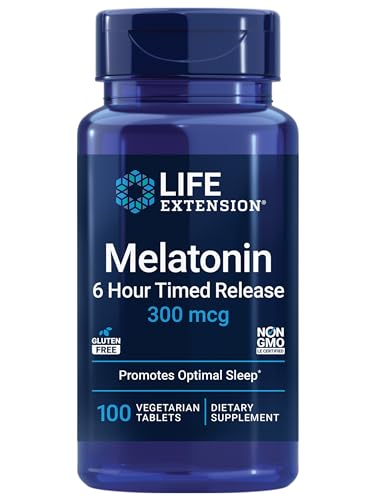
Melatonin is a timing signal. A clinician should guide you before you start, especially if you take other medicines, are pregnant, or have been struggling with sleep for months. If that conversation leads you to try a product, the melatonin page describes a low-dose option that is also listed on Amazon. Light, schedule, and a dark room still do more for most people.
How sleep supports the rest of your health
Sleep sits under almost every other goal you may care about. Strength feels less available when you are short on sleep, because effort feels heavier and recovery lags. Metabolic steadiness is harder when short nights push hunger and blood sugar around. A clear mind depends on the sorting work that happens overnight, which is why sleep and cognitive performance belong together. People who sleep well are often kinder to themselves and easier to live with. Skin repair runs on that same nightly schedule, so a run of short nights can show on your face. The independence you want is built from ordinary nights: walking without dragging, remembering names, and carrying groceries without strain. Give sleep the same respect you give training and food.
Teachers and books that explain sleep clearly
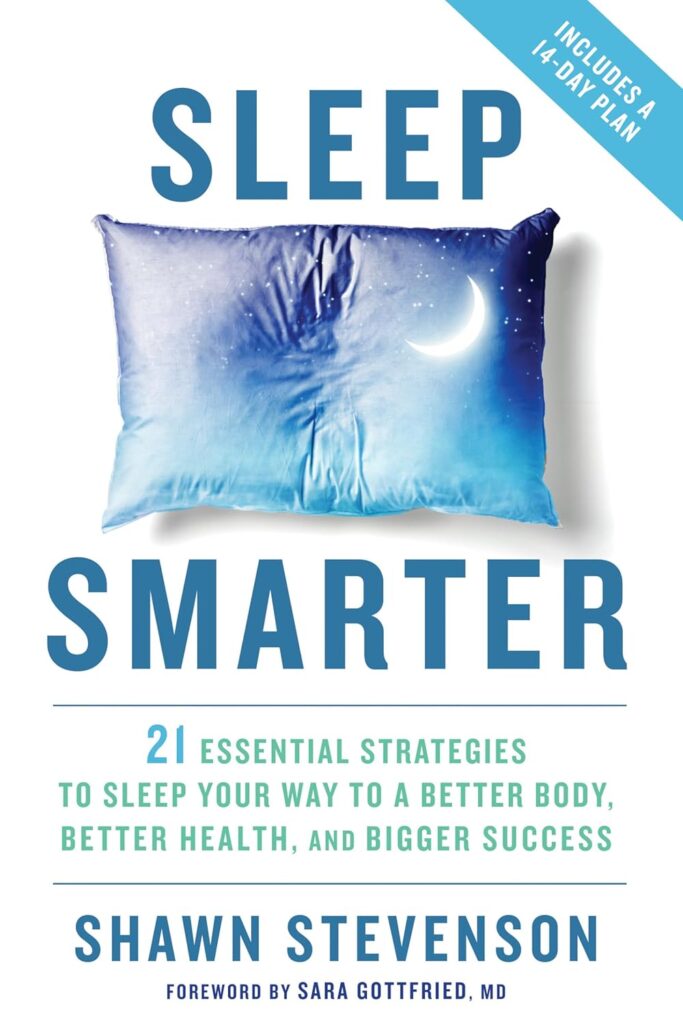
If you want one clear teacher on why the night matters, start with Matthew Walker. His book Why We Sleep shows how sleep touches memory, immunity, and emotional balance in plain language. Andrew Huberman is useful for daily levers such as morning light and caffeine timing. Satchin Panda helps you see the whole day as a clock, including when you eat. Michael Breus is practical about schedules and why some people lean earlier or later. Sleep Smarter adds small habit changes you can try this week. One book and two applied ideas can change a month of mornings.
Common questions about sleep quality
How many hours of sleep do adults need?
Most adults feel well with seven to nine hours asleep. You are in a good range when you wake clear and stay steady until evening. If mornings only start after a large coffee, you may need a longer night.
Why do I wake up in the middle of the night?
Keep the lights low and leave the clock alone. If sleep does not return, sit somewhere dim and read something calm. Alcohol, a heavy late meal, a hot room, or a missing wind-down often leads to these wakings. Gasping or loud snoring is a reason to talk with a clinician.
Can I catch up on sleep on the weekend?
A slightly longer weekend morning can repay one short night. Keep your wake time close to the weekday hour so the next night still arrives on time. An early nap can help when you are truly behind.
Which sleep supplement should I try first?
Set the room and the schedule before you add a product. Magnesium glycinate is a gentle first try for many adults, and glycine is another simple option. Ashwagandha fits when stress keeps you wired at bedtime. Ask a clinician before melatonin or if you take daily medicine.