Supplement
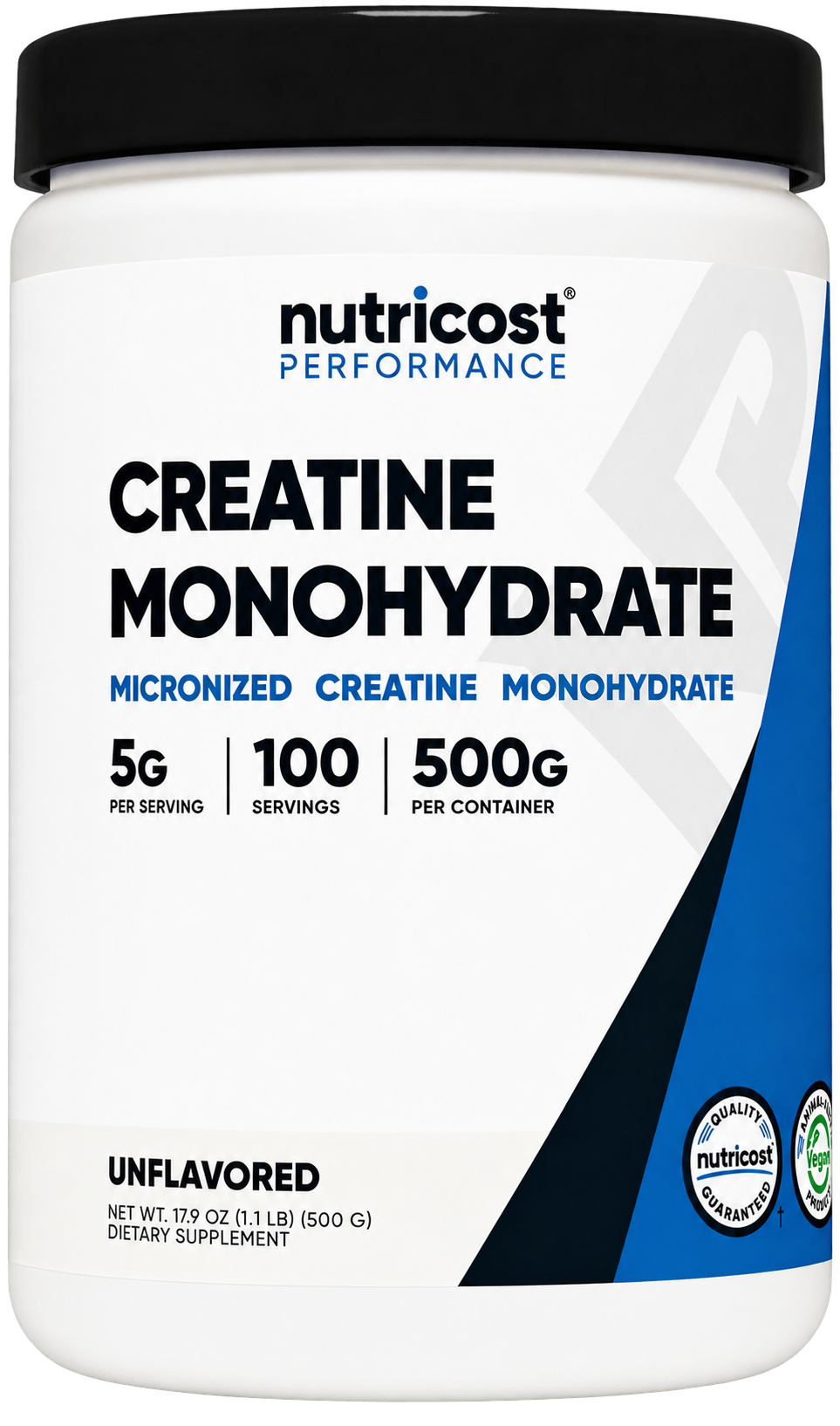
Creatine monohydrate
A compound stored in muscle that helps supply energy during short, intense efforts. Supplementation can support strength-training performance.
$23.97USD
Search the library
Browse ingredients by family or by health subject.
Vitamin D3, B12, magnesium, zinc and iron.
12 entries Protein & amino acidsWhey, collagen, creatine and individual amino acids.
10 entries Plant & mushroom ingredientsPlant extracts, carotenoids and mushroom ingredients.
11 entries Fibre & probioticsPsyllium, PHGG and probiotic formulations.
4 entries Other supplement ingredientsOmega-3, CoQ10, NR and other individual compounds.
7 entriesPrices in USD. Estimated ranges are sorted by their starting price.
Catalogue groupings describe the entries; they do not establish effectiveness.
A compound stored in muscle that helps supply energy during short, intense efforts. Supplementation can support strength-training performance.
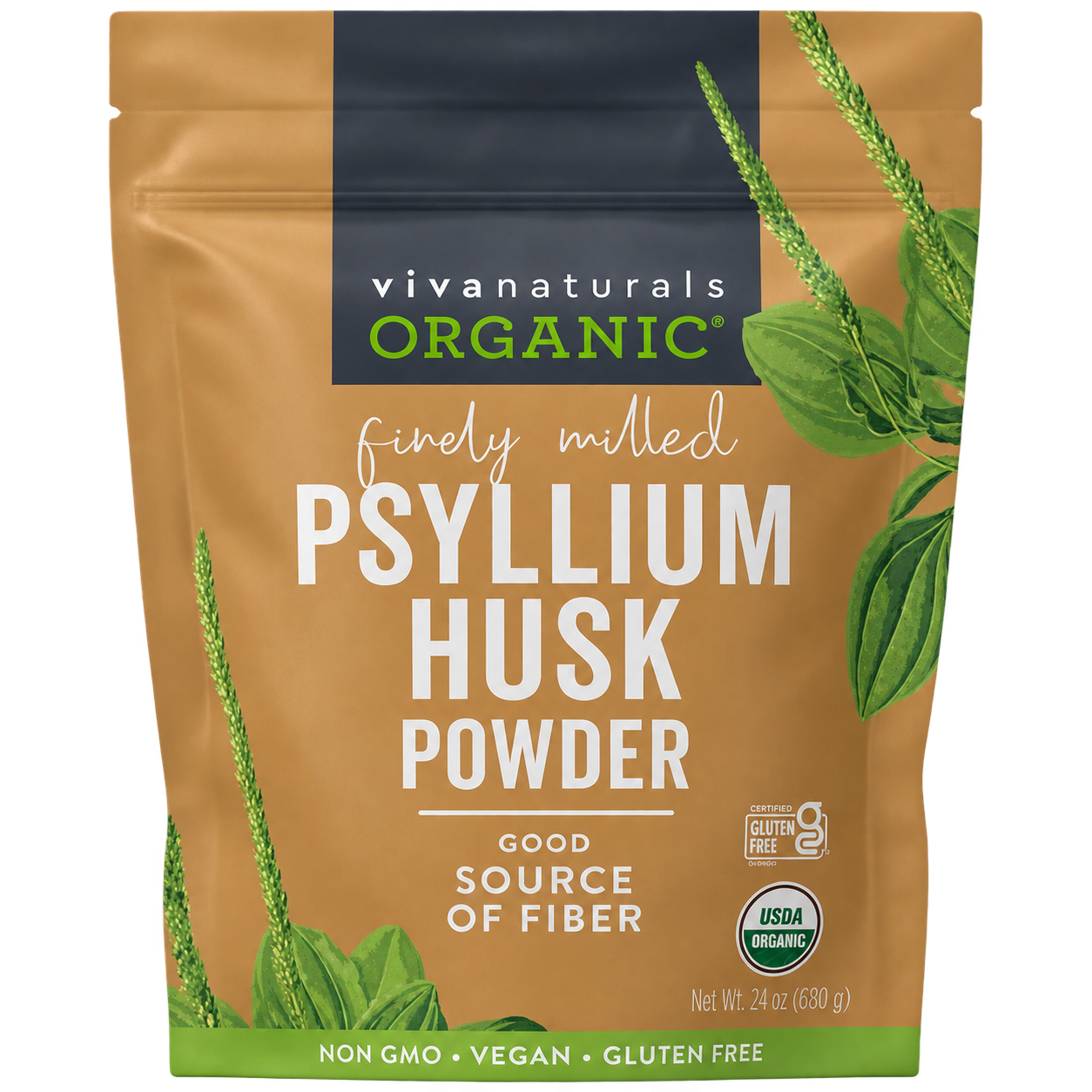
A soluble, gel-forming fibre from Plantago seed husks, used for bowel regularity and studied for cholesterol reduction.
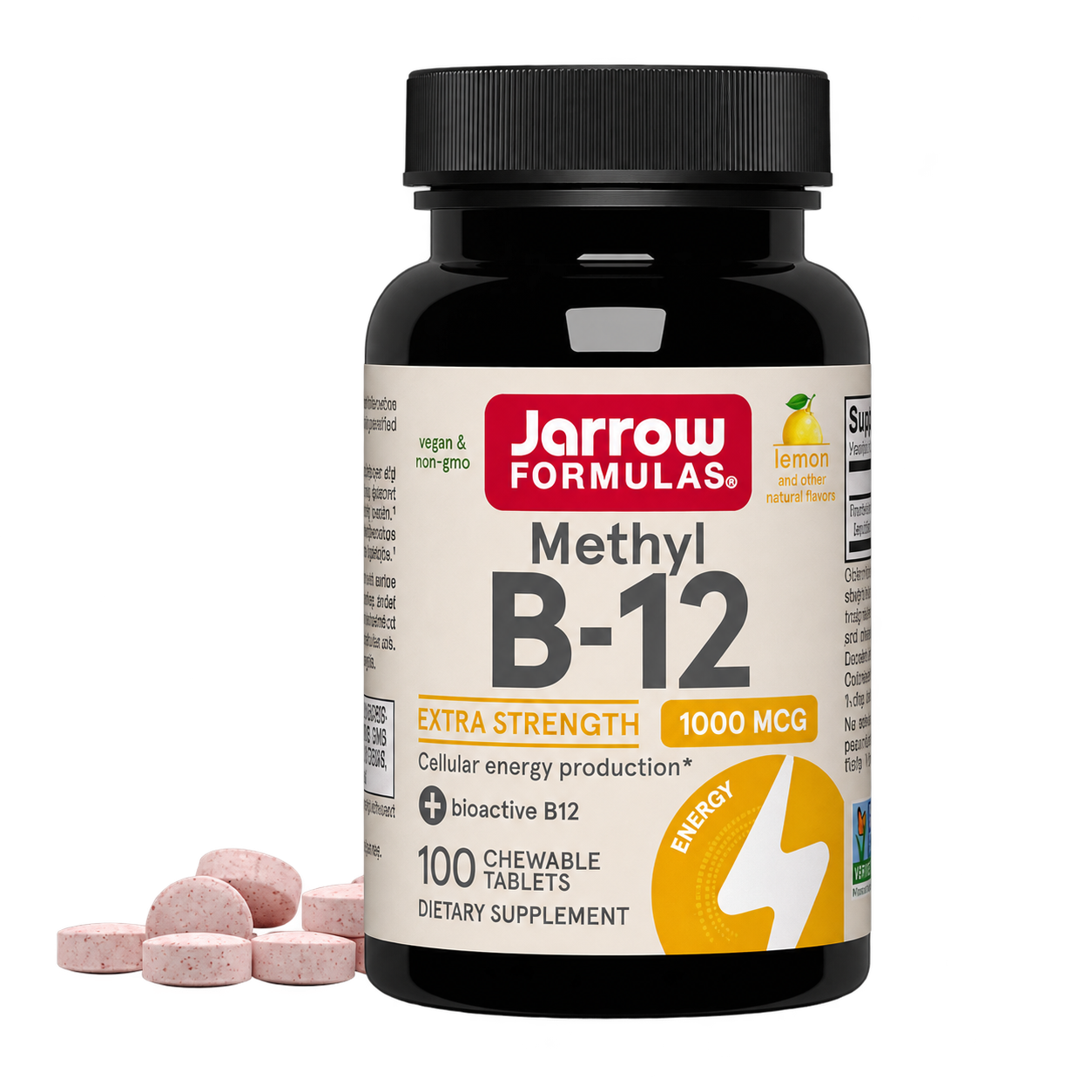
A vitamin needed for nerve function, DNA synthesis and red blood cell formation, especially relevant when intake or absorption is low.
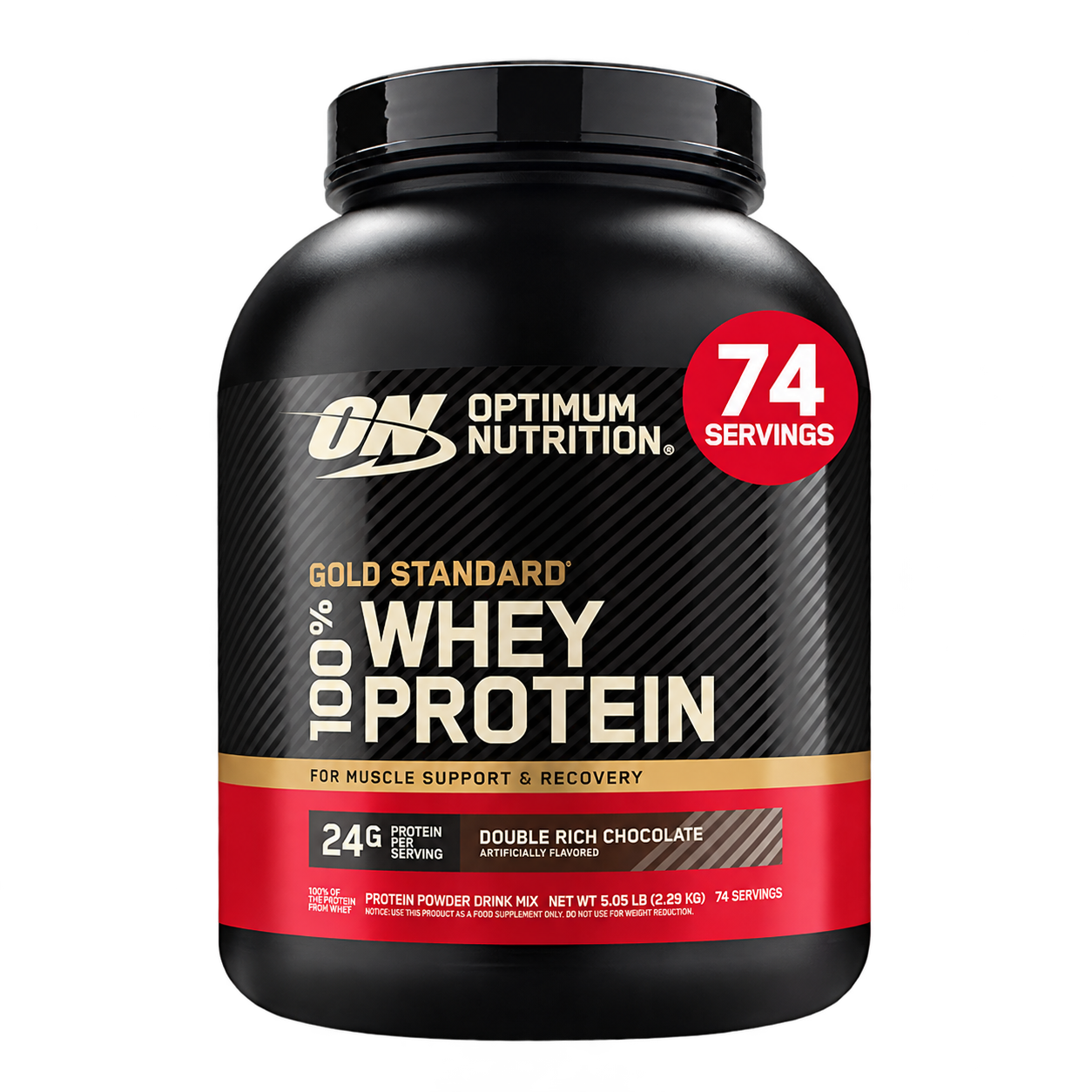
A milk-derived protein powder that provides essential amino acids, offering a convenient way to add protein to meals or snacks.
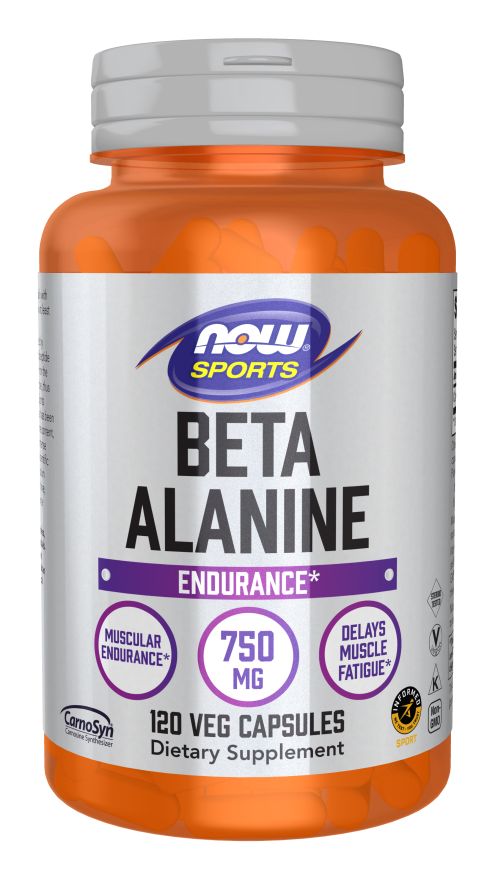
An amino acid used to raise muscle carnosine, studied for certain high-intensity efforts. Tingling is a common practical drawback.
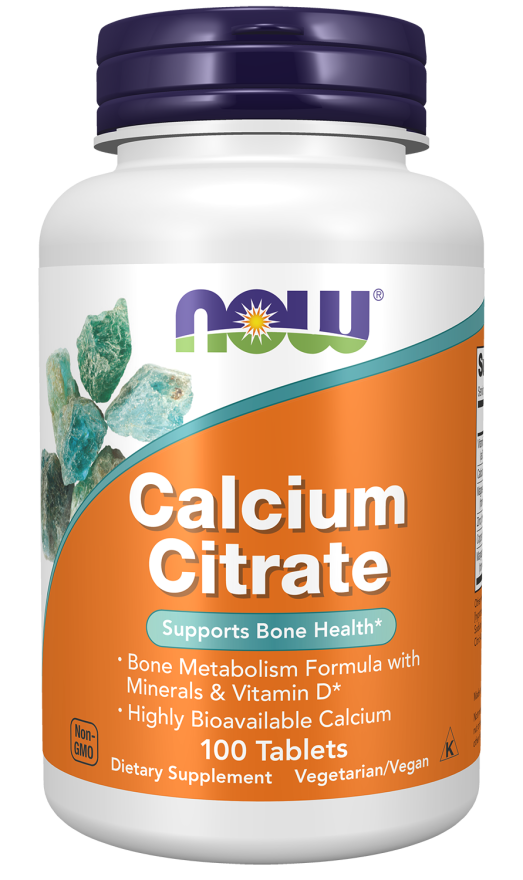
A calcium supplement combined with vitamin D and other minerals. Most useful to evaluate against a specific gap in dietary calcium.
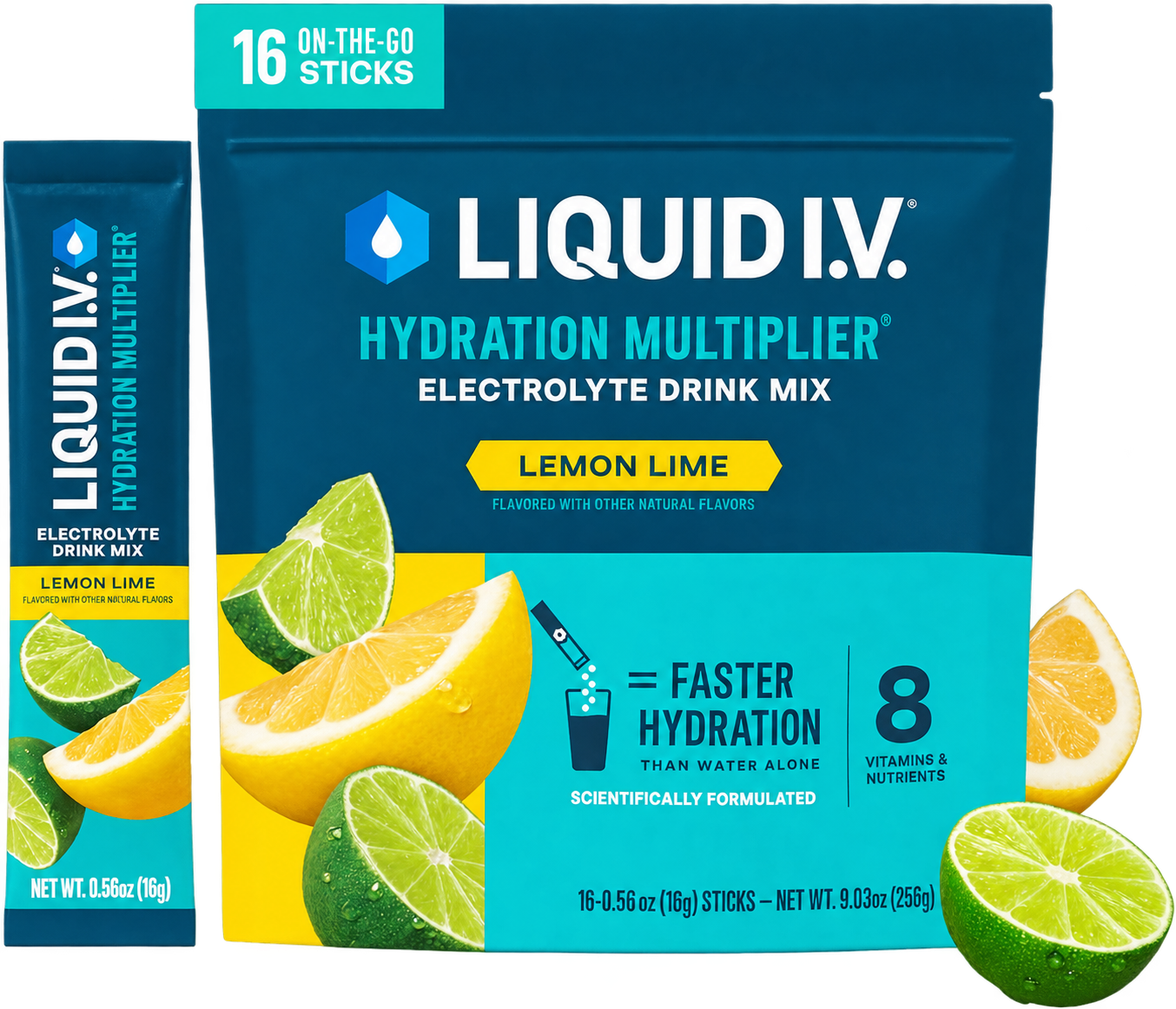
Minerals such as sodium and potassium involved in fluid balance and muscle function, commonly added to drinks for sweat replacement.
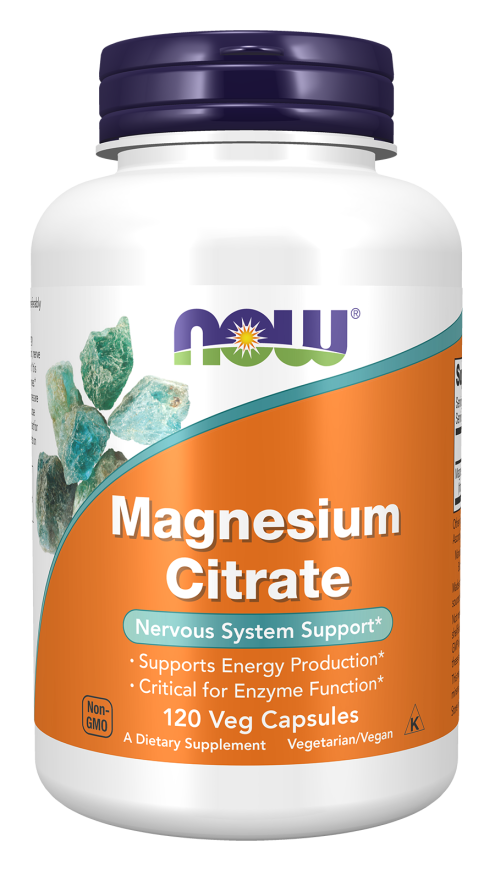
An affordable magnesium form used to supplement intake. It can loosen stools, which matters when comparing it with magnesium glycinate.
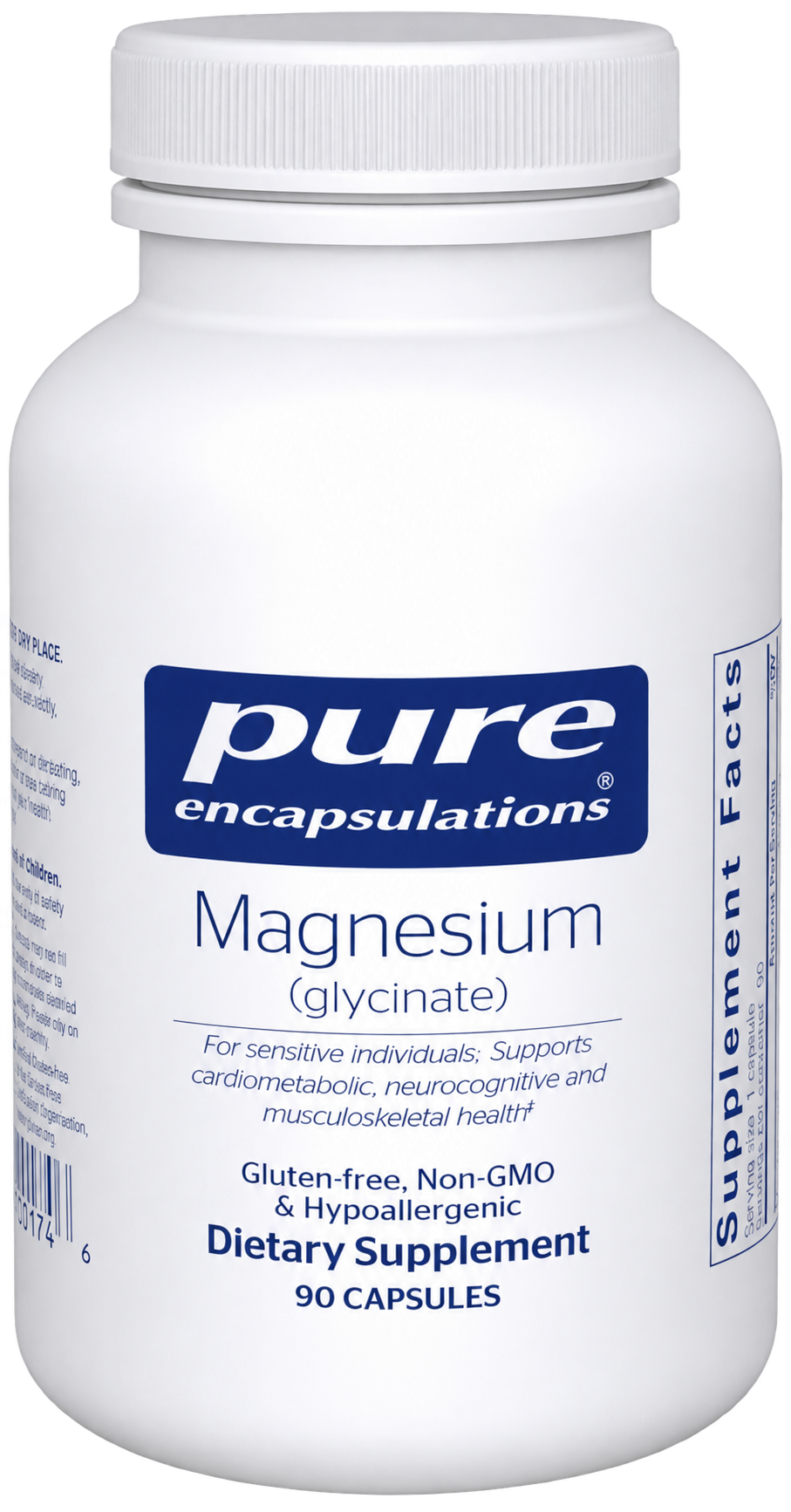
Magnesium bound to the amino acid glycine, providing a supplemental source of a mineral involved in muscle and nerve function.

Fats including EPA and DHA, supplied by fish or algae oils and involved in cell membranes and cardiovascular biology.
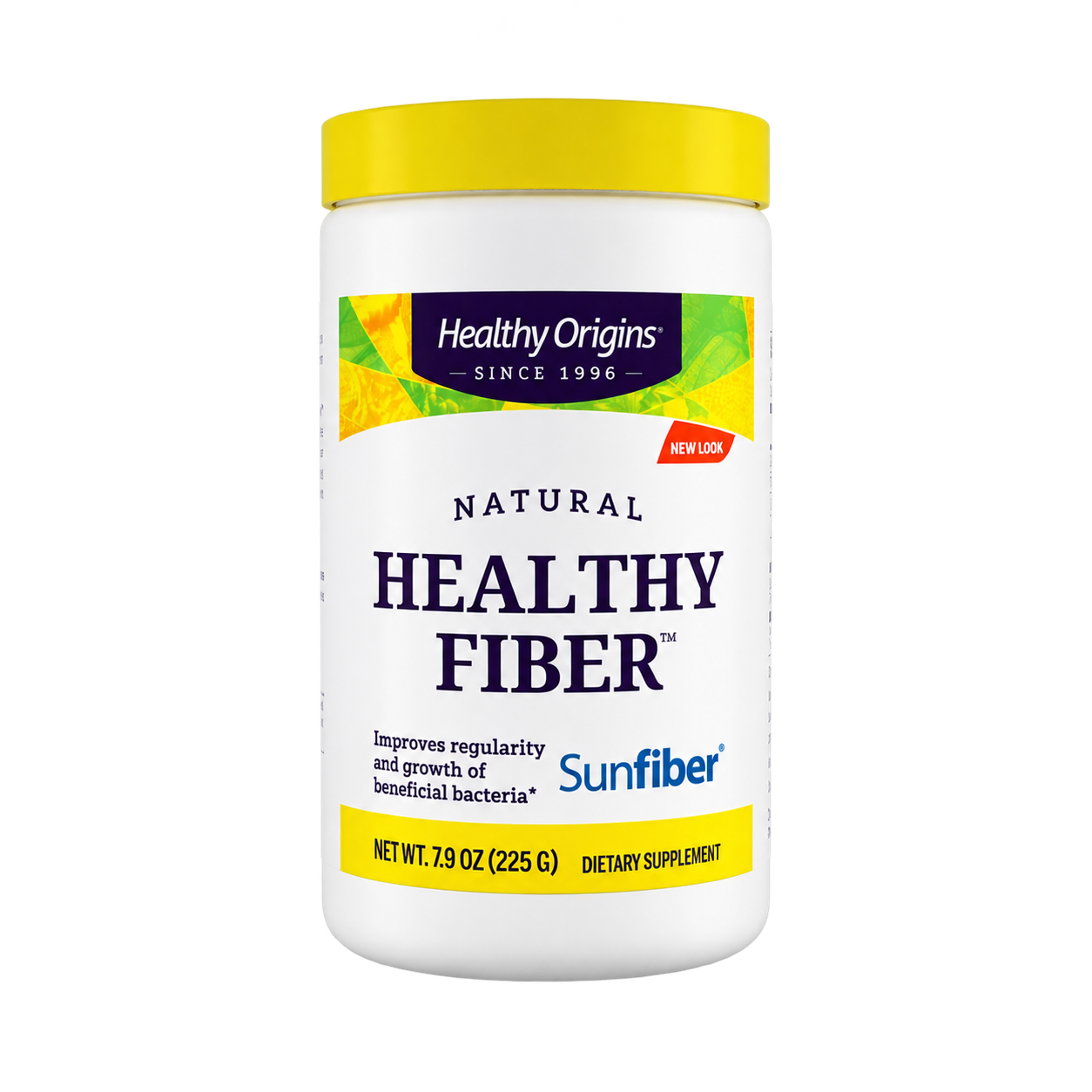
Partially hydrolyzed guar gum is a soluble fiber that mixes into drinks without forming the thick gel associated with psyllium.
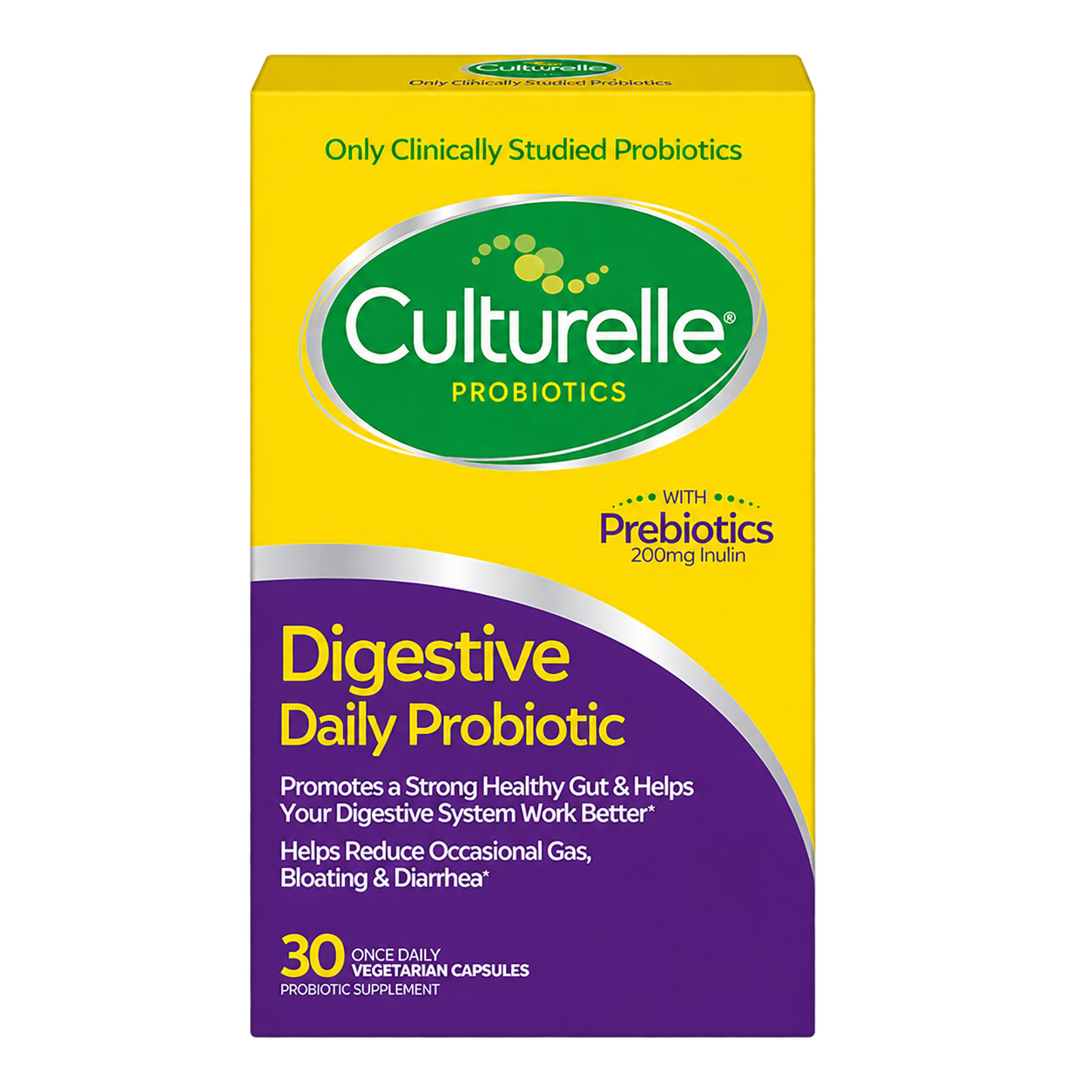
A probiotic containing the specific LGG bacterial strain. Its effects depend on the digestive condition and the population studied.
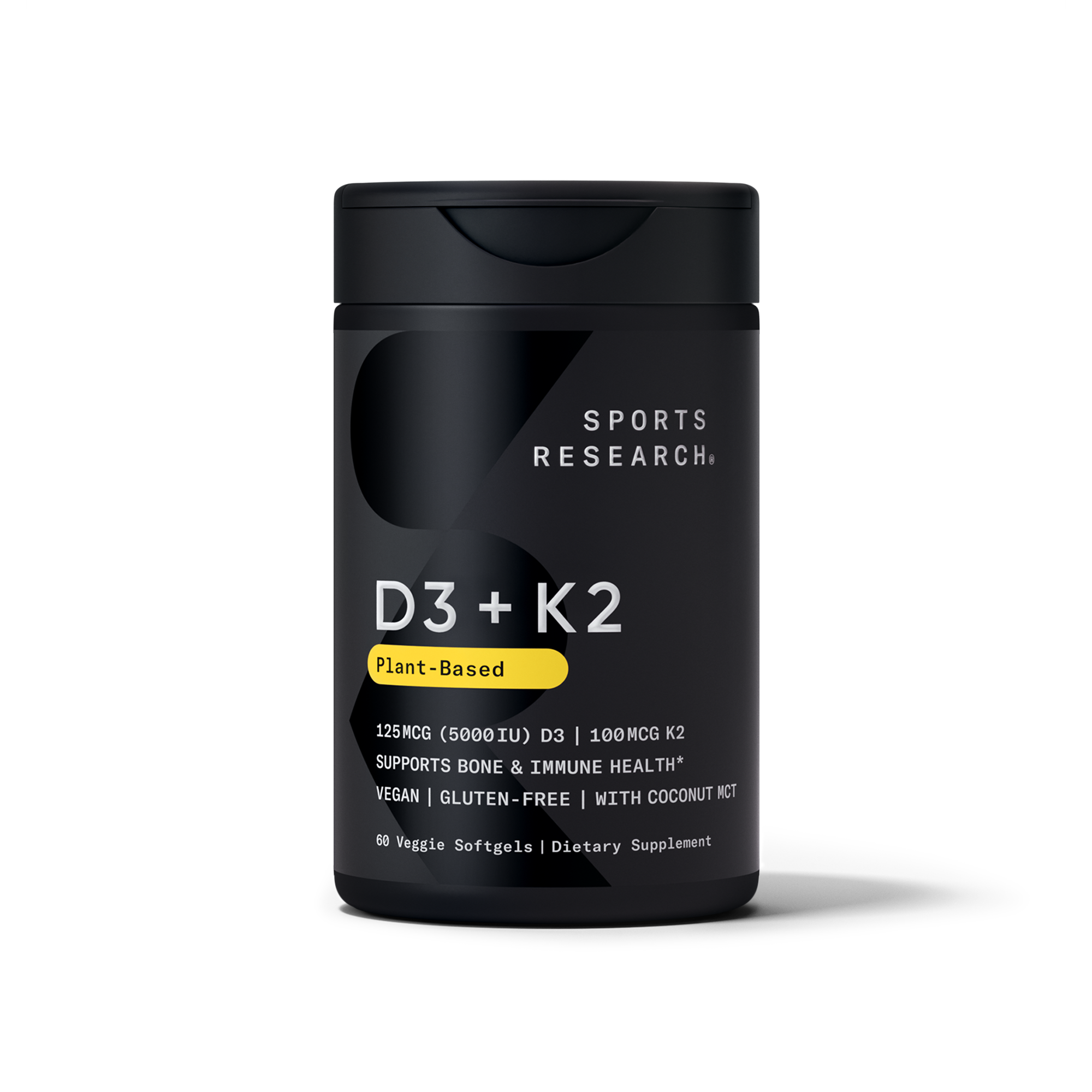
A form of vitamin D that helps the body absorb calcium. Supplements can address inadequate intake or low vitamin D status.
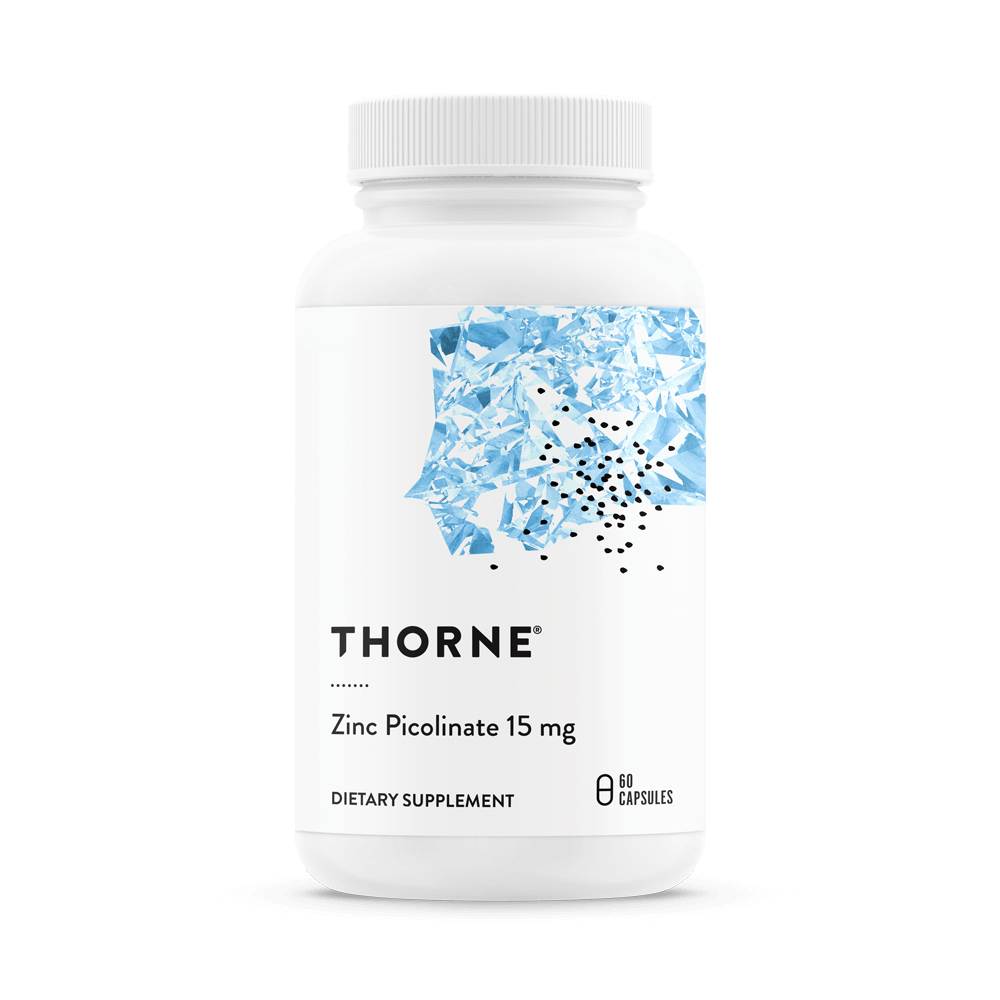
A mineral involved in immune function, wound healing and many enzymes. Supplementation addresses a need rather than universally improving immunity.
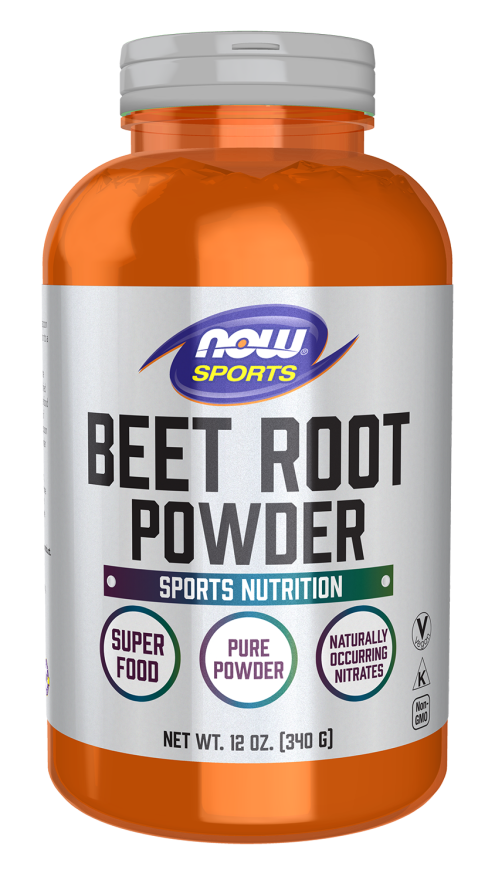
Dried beetroot in a mixable powder. Unlike some sports products, it does not state a standardized nitrate dose.
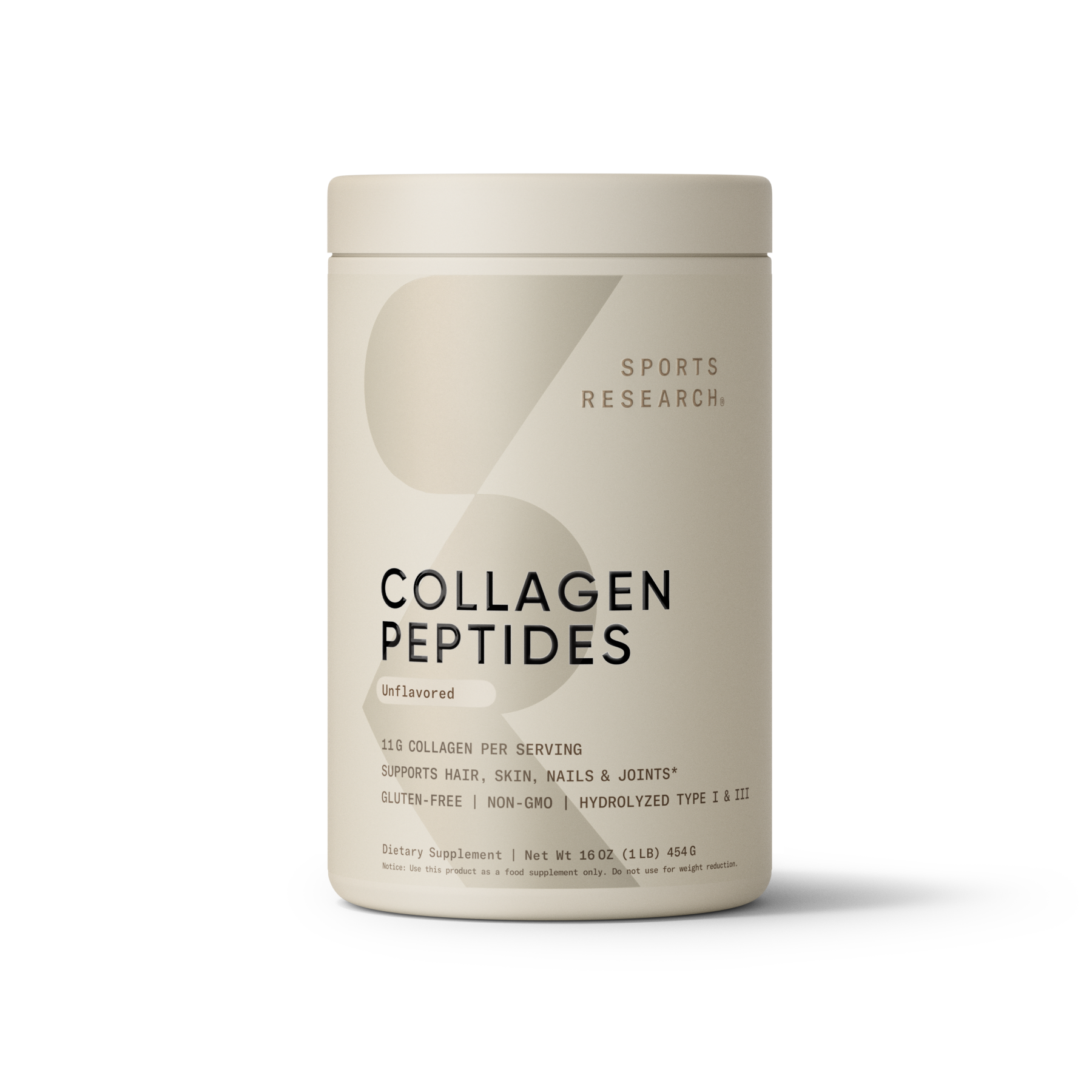
Collagen broken into smaller peptides, usually sold as a powder and studied for skin and joint outcomes.
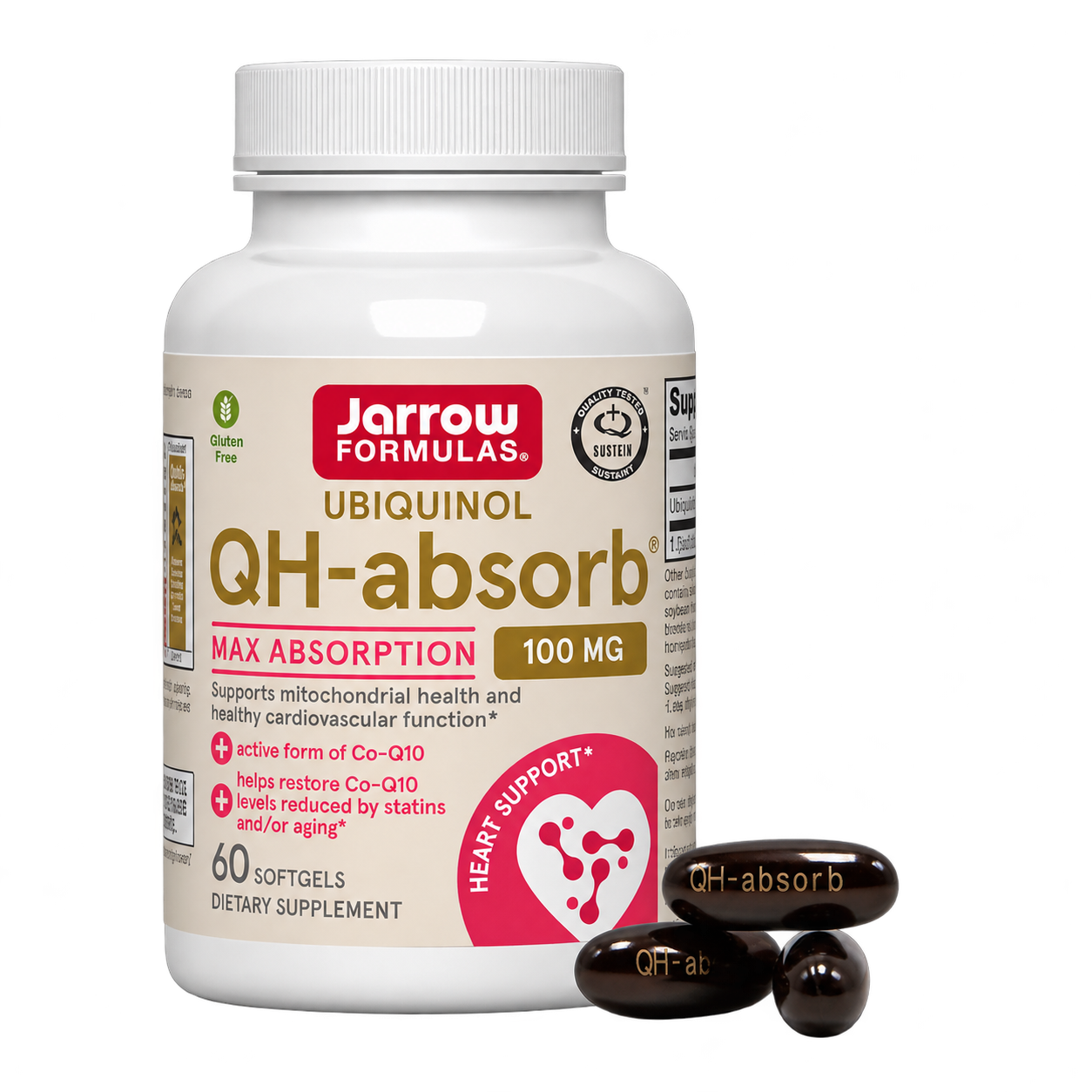
A compound involved in cellular energy production, sold as ubiquinone or ubiquinol and studied in several specific health contexts.
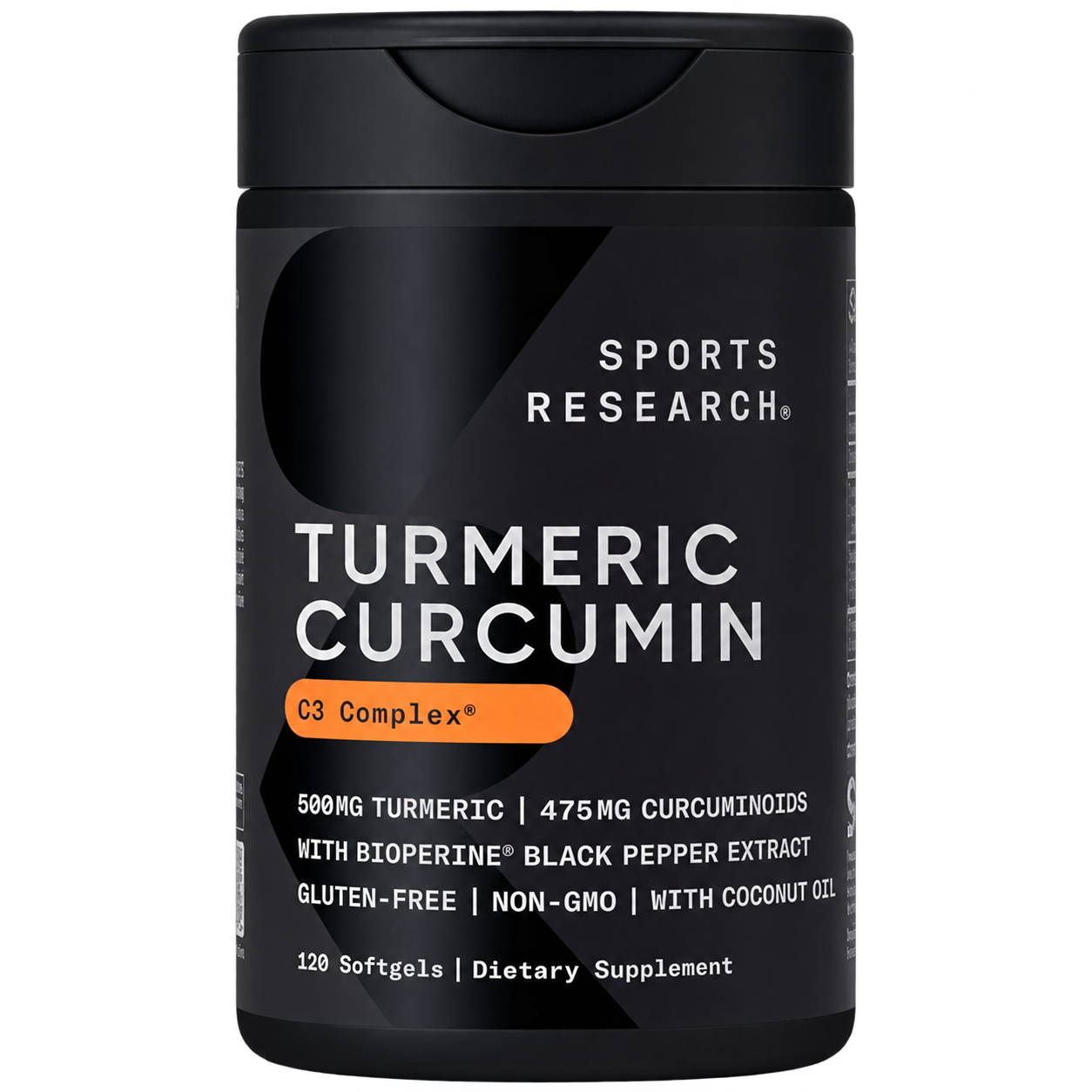
A group of compounds from turmeric, concentrated in supplements and studied for inflammation-related symptoms. Formulations differ substantially in absorption.
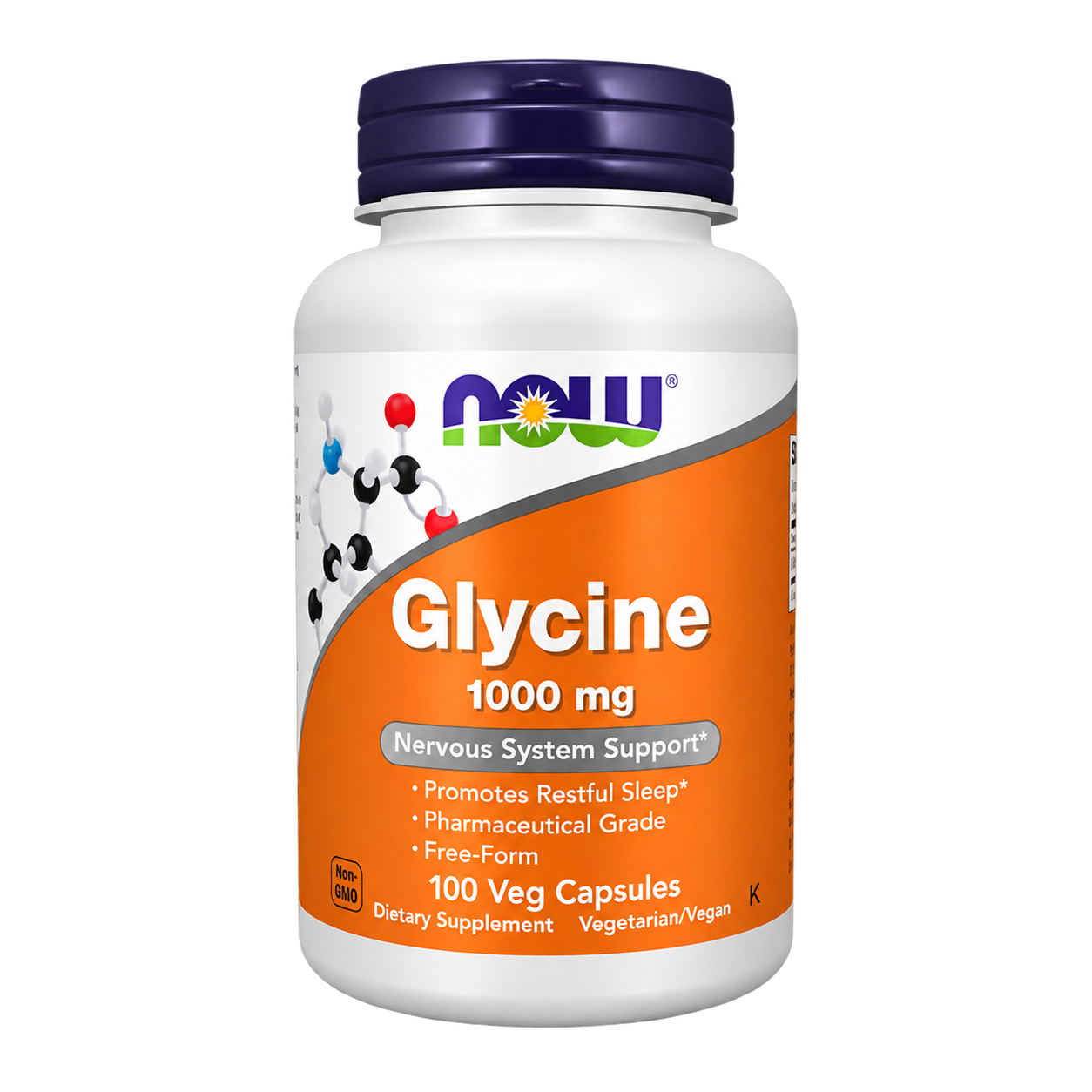
An amino acid used to build proteins, including collagen, and involved in nervous-system signalling. Small studies have examined sleep effects.
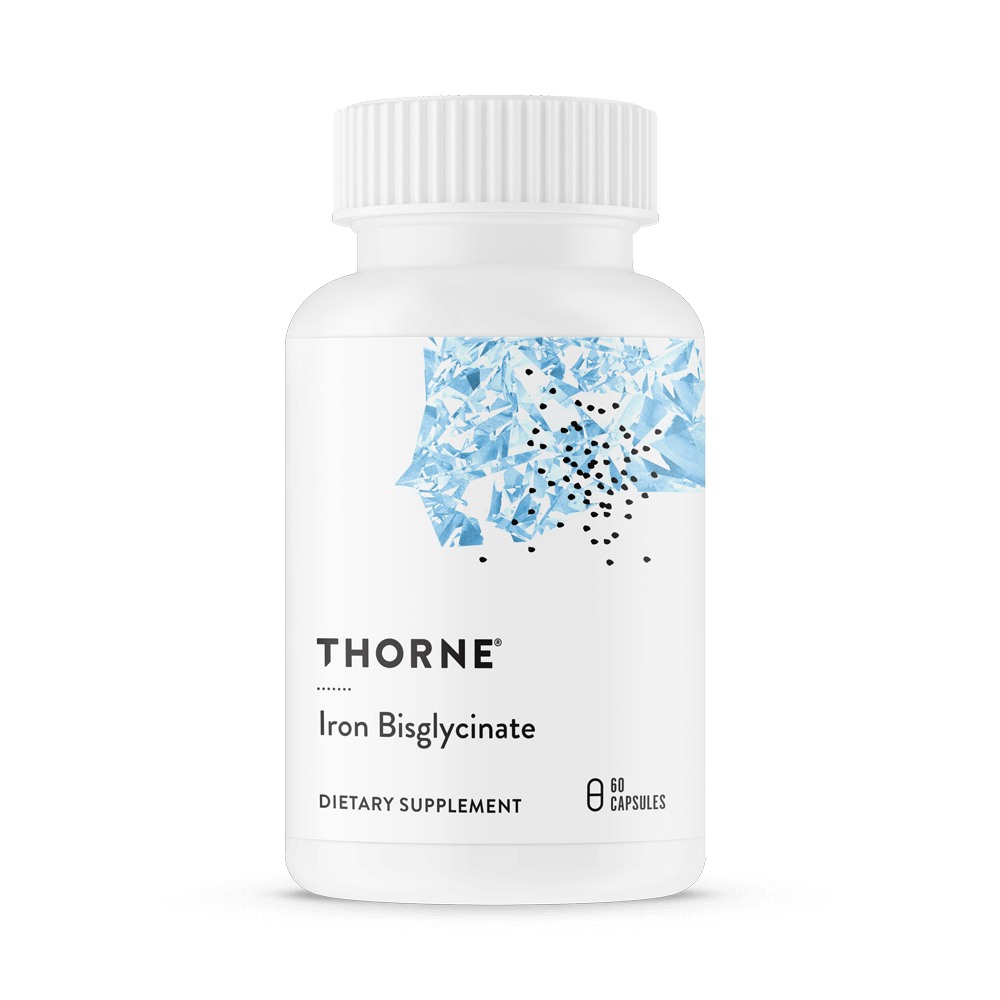
A mineral needed to make haemoglobin, which carries oxygen in blood. Supplements are used to address low iron when indicated.
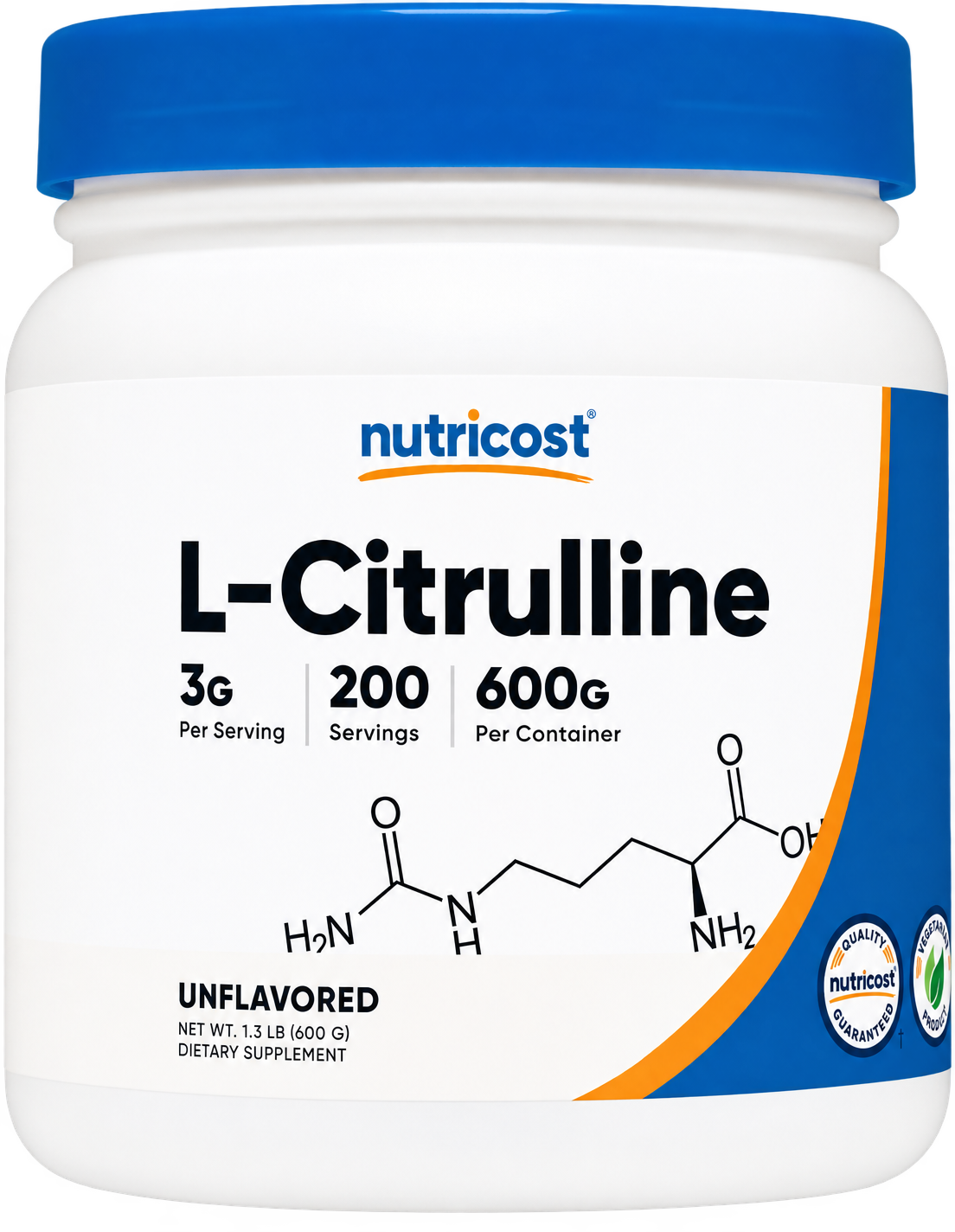
An amino acid converted into arginine, a precursor of nitric oxide. It is sold for workout performance, where evidence remains limited.
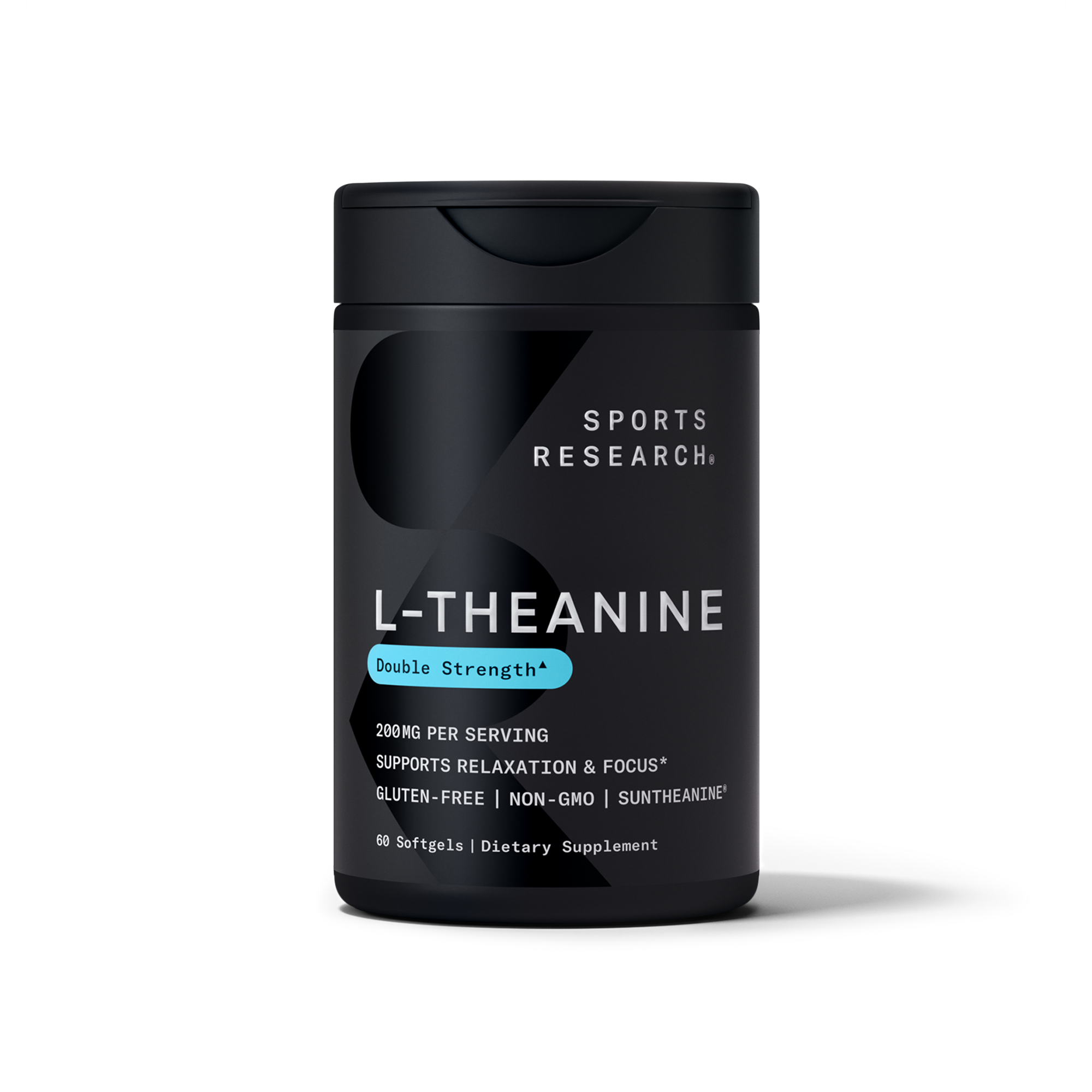
An amino acid found in tea, studied for relaxation and attention, sometimes in combination with caffeine.
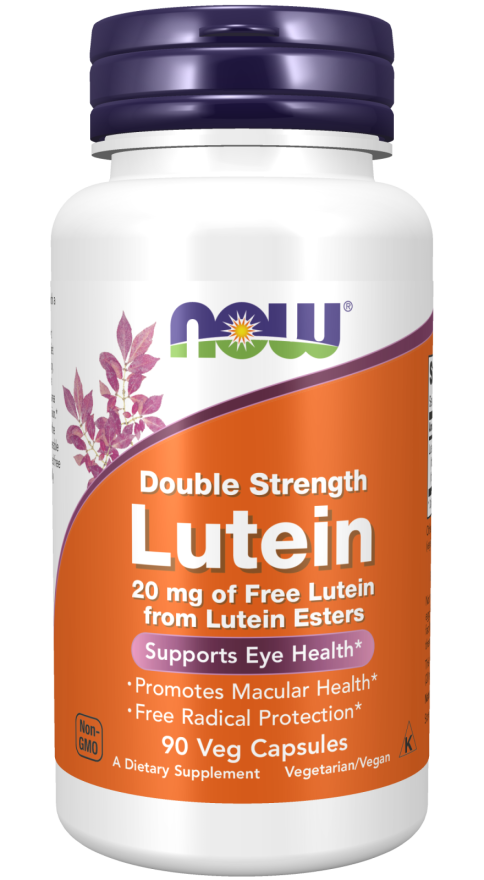
A carotenoid found in leafy greens and the retina. A lutein capsule is different from the complete AREDS2 formula used for certain eye conditions.
A form of magnesium marketed for memory and sleep. Neuro-Mag uses Magtein; evidence for an everyday cognitive benefit is still developing.
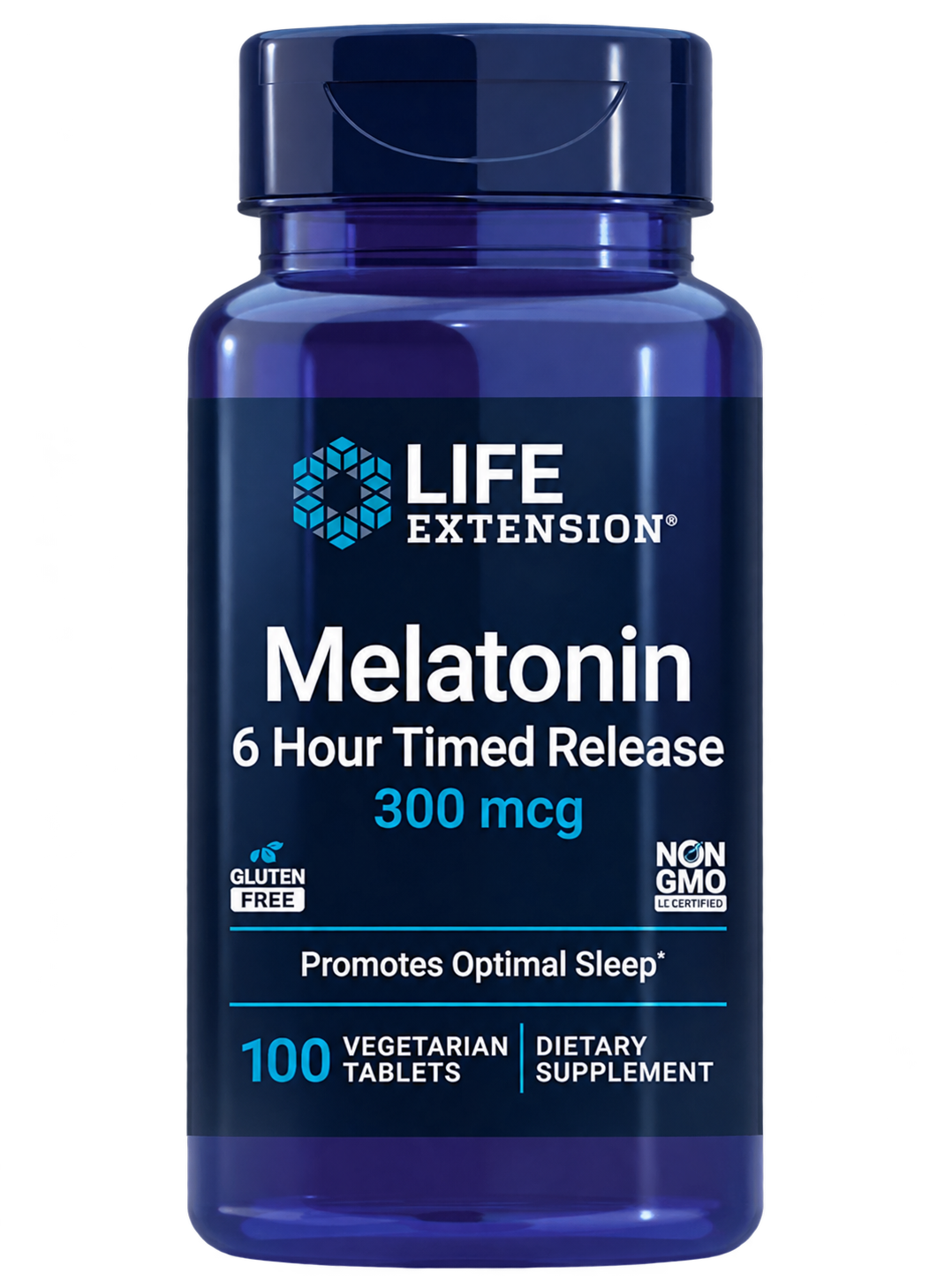
A hormone that helps signal biological night. Supplements are used for certain sleep-timing problems, including jet lag.
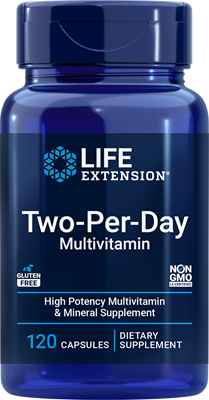
A broad vitamin-and-mineral formula. Several nutrients exceed daily reference amounts, so checking overlaps matters more than counting ingredients.
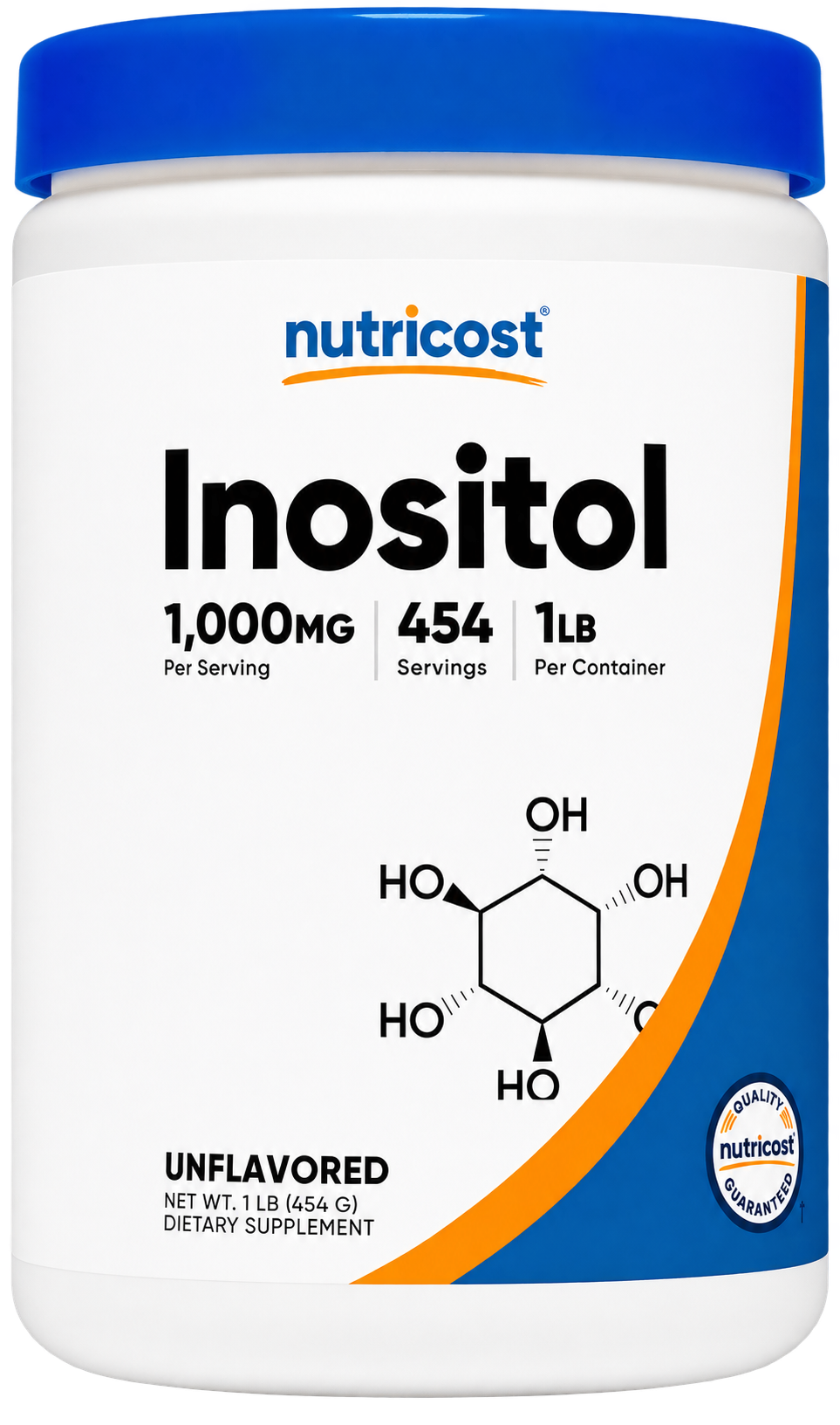
A form of inositol involved in cell signalling, studied particularly in polycystic ovary syndrome and insulin-related pathways.
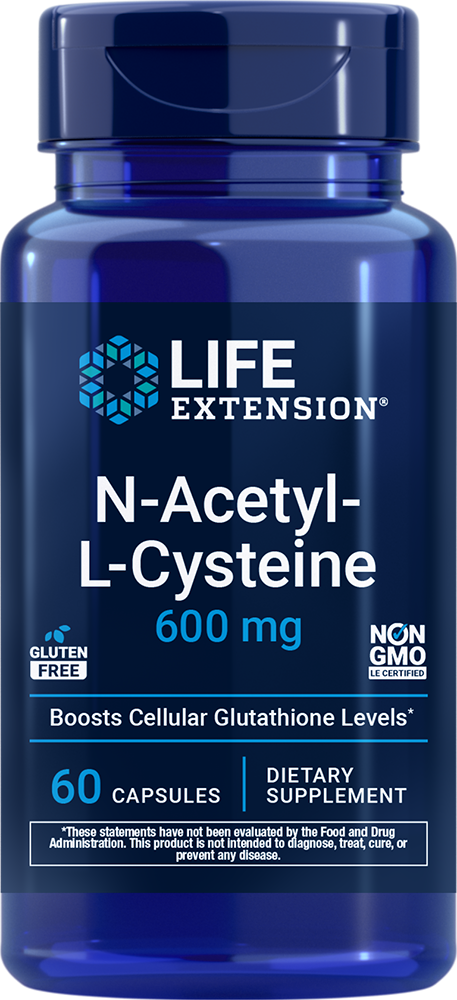
N-acetylcysteine supplies a precursor for glutathione, a cellular antioxidant. Its established medical uses differ from general wellness claims.
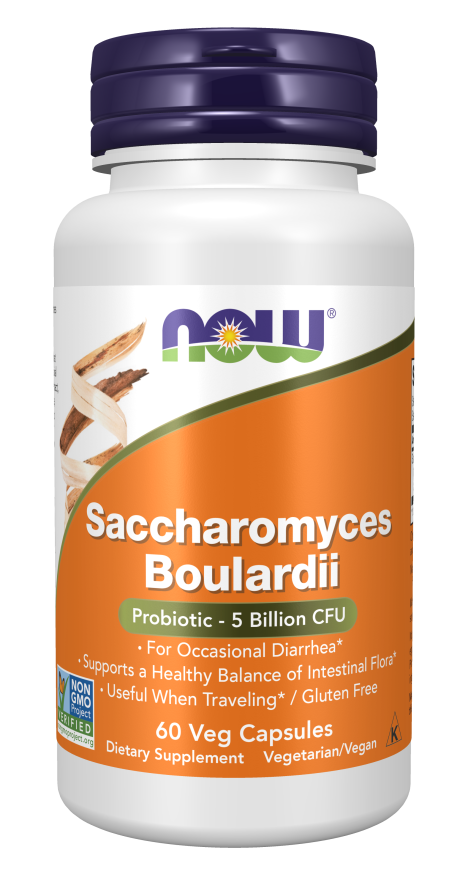
A probiotic yeast rather than a bacterium. Benefits depend on the strain, the reason for taking it and the person using it.
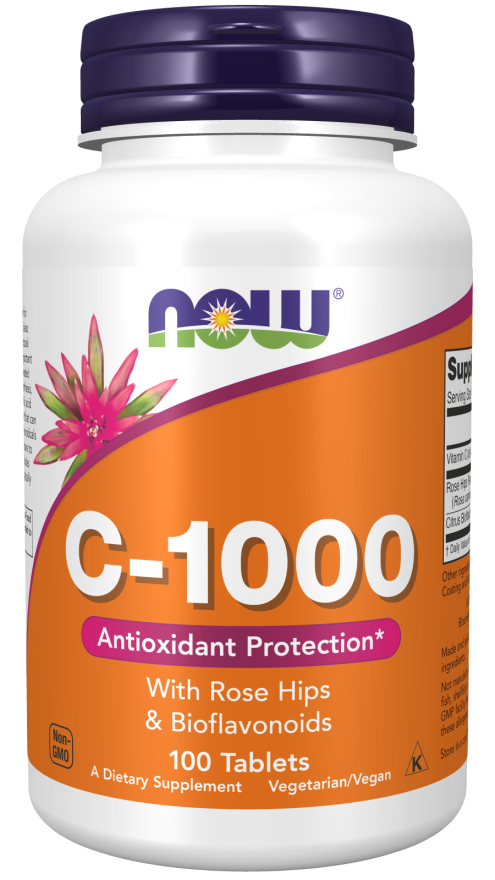
An essential vitamin used to make collagen and absorb iron from plant foods. A 1,000 mg tablet supplies far more than most adults need daily.
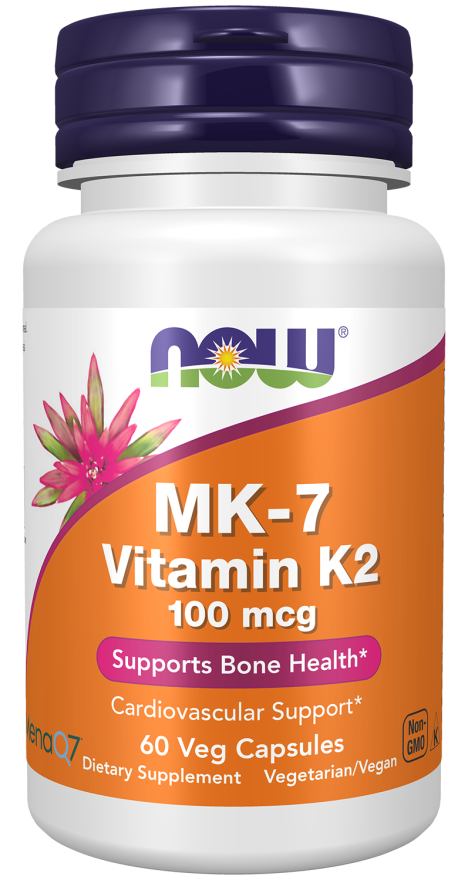
A form of vitamin K involved in activating proteins used in blood clotting and bone metabolism. This capsule supplies MK-7 on its own.
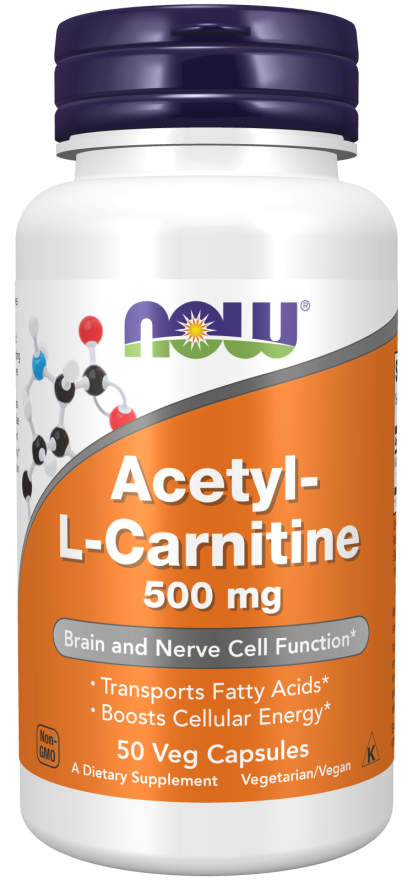
An acetylated form of carnitine sold for cognitive and cellular-energy support. Its role in metabolism does not establish a noticeable energy boost.
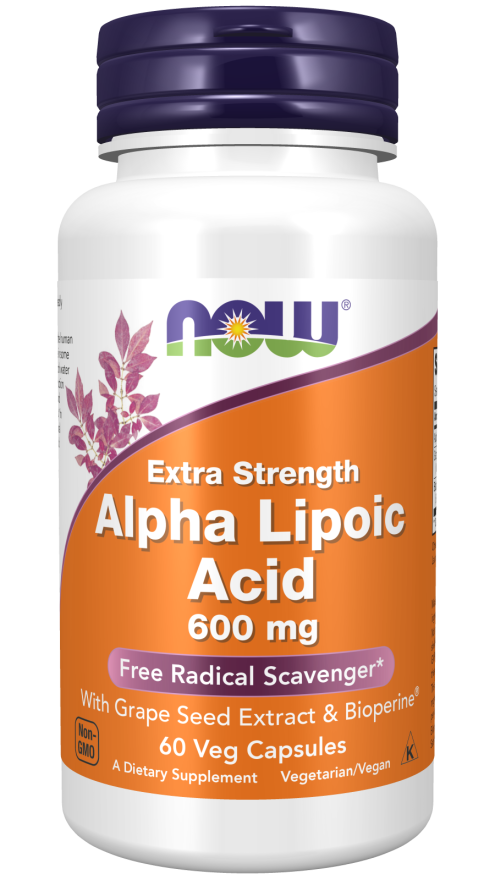
A compound involved in cellular energy reactions. This formula combines alpha-lipoic acid with grape-seed extract and black-pepper extract.
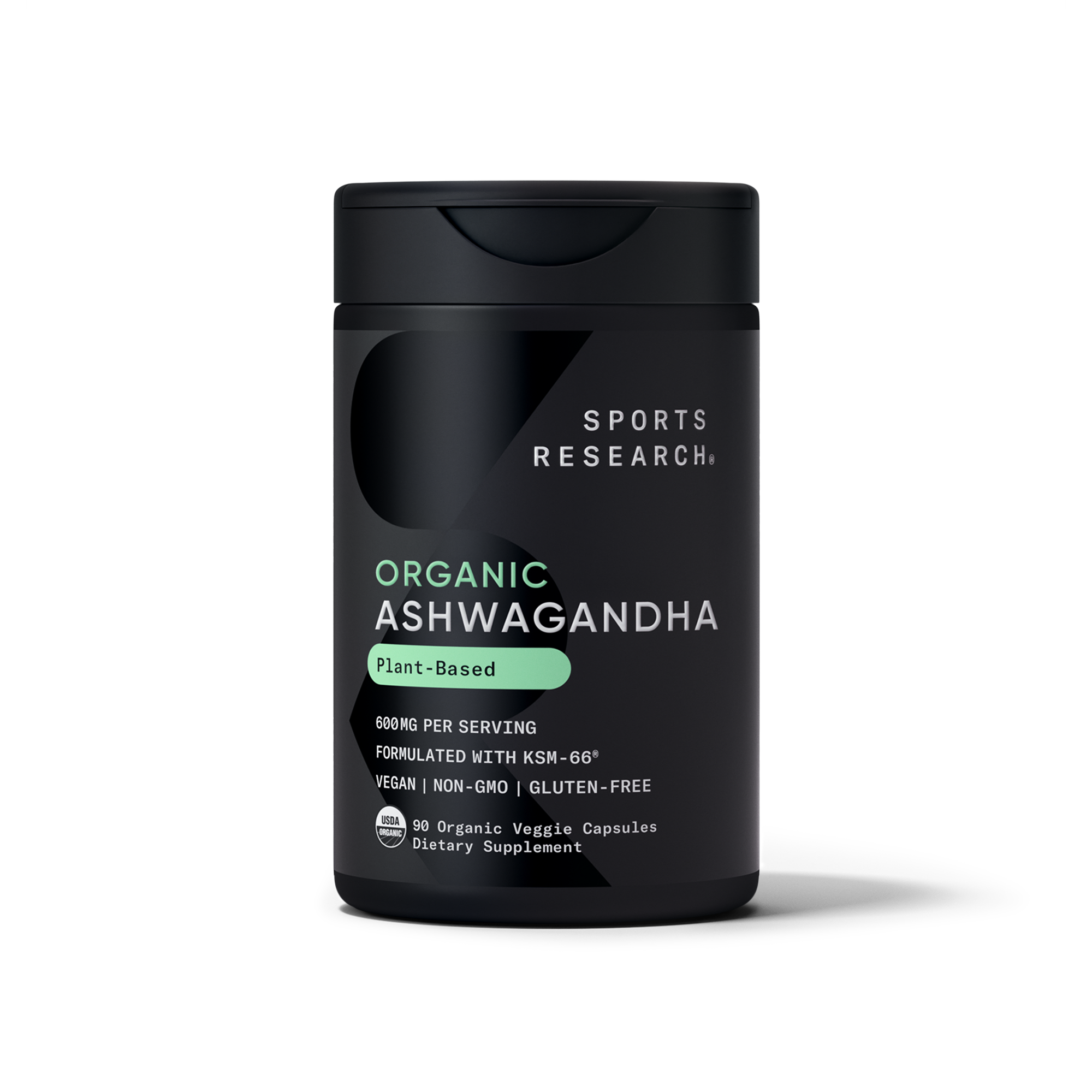
An herb used in Ayurvedic traditions, now sold as extracts studied for stress and sleep. Preparations and their effects vary.
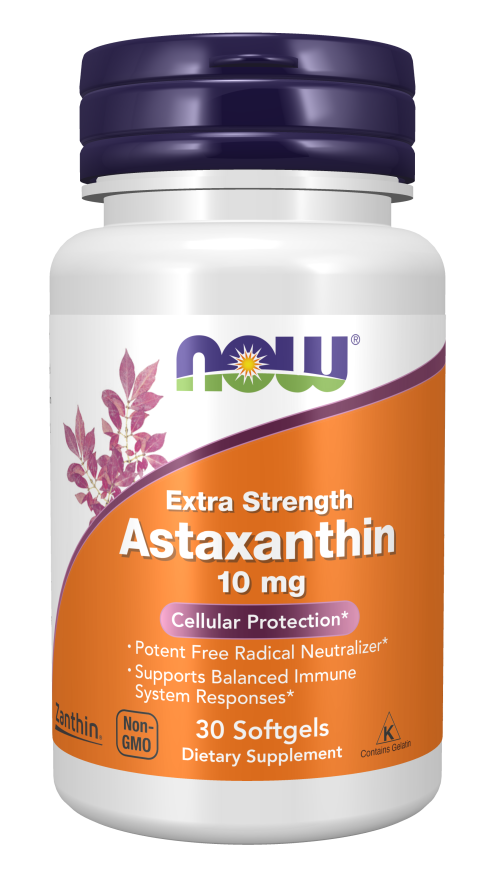
A red-orange pigment sourced from microalgae and sold for skin and antioxidant support. Human evidence is much narrower than the marketing.
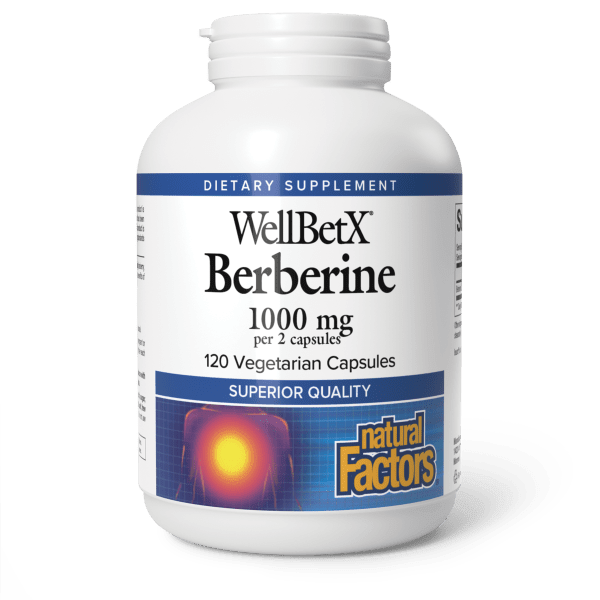
A plant-derived compound studied for effects on blood glucose and blood lipids. It can interact with medicines.
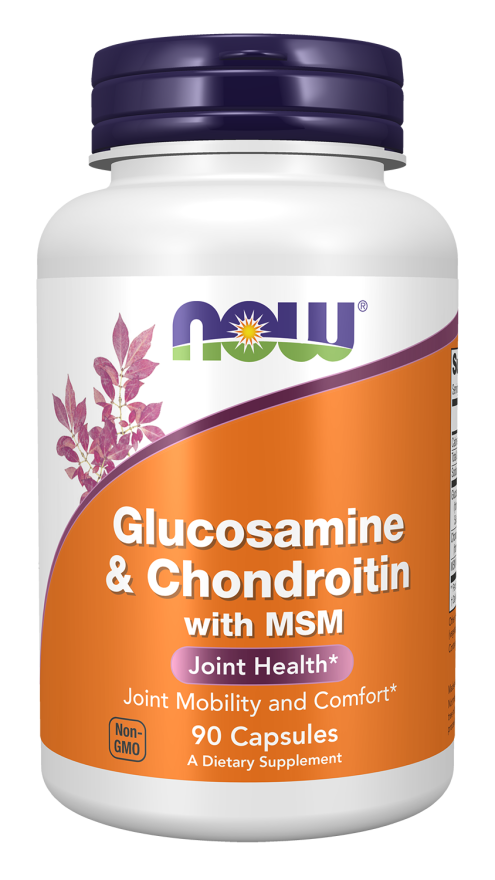
Three ingredients commonly combined in joint supplements. Research on osteoarthritis is mixed, and the capsules do not rebuild worn cartilage.
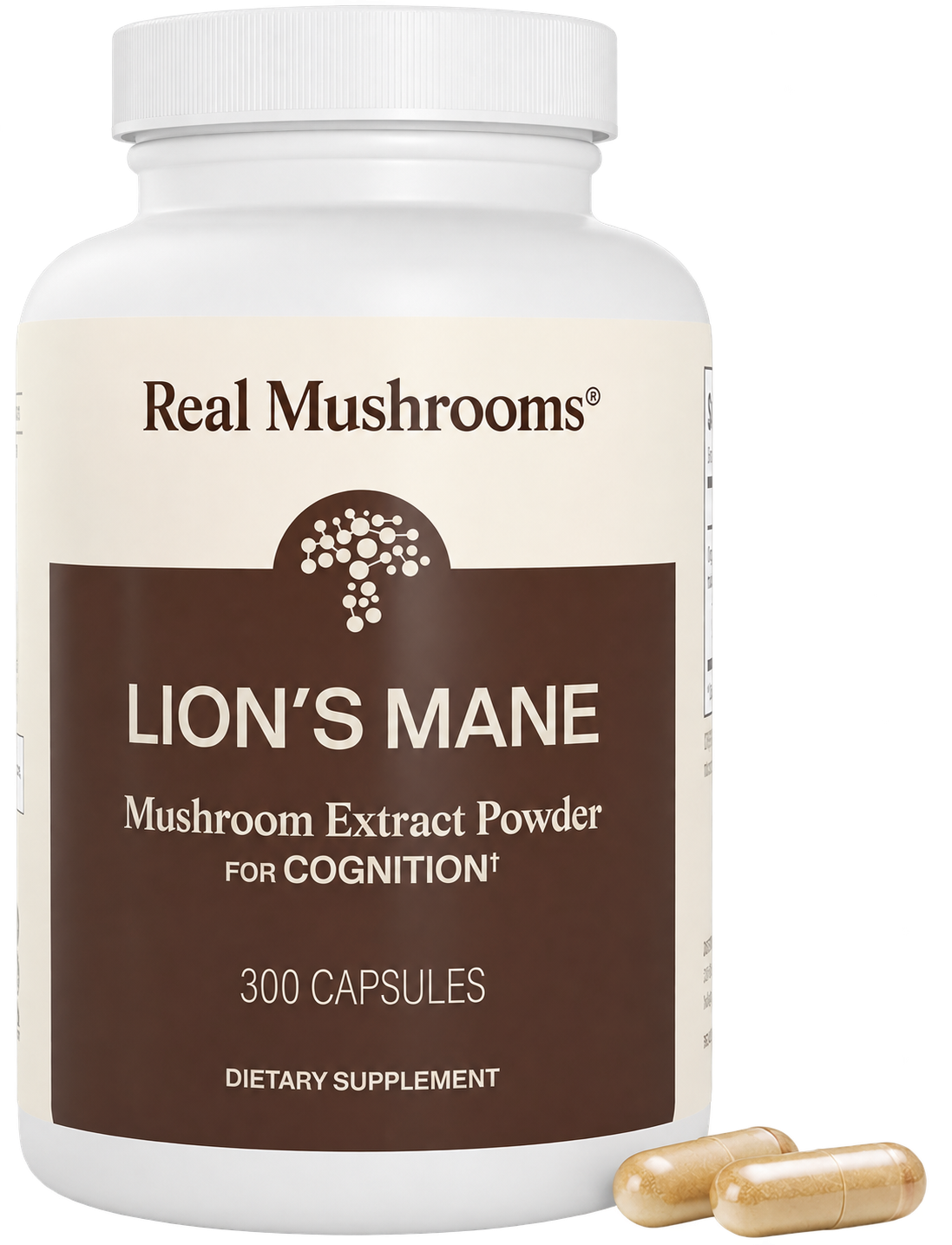
An edible mushroom sold as powders and extracts for cognitive health. Human research remains limited, despite extensive marketing.
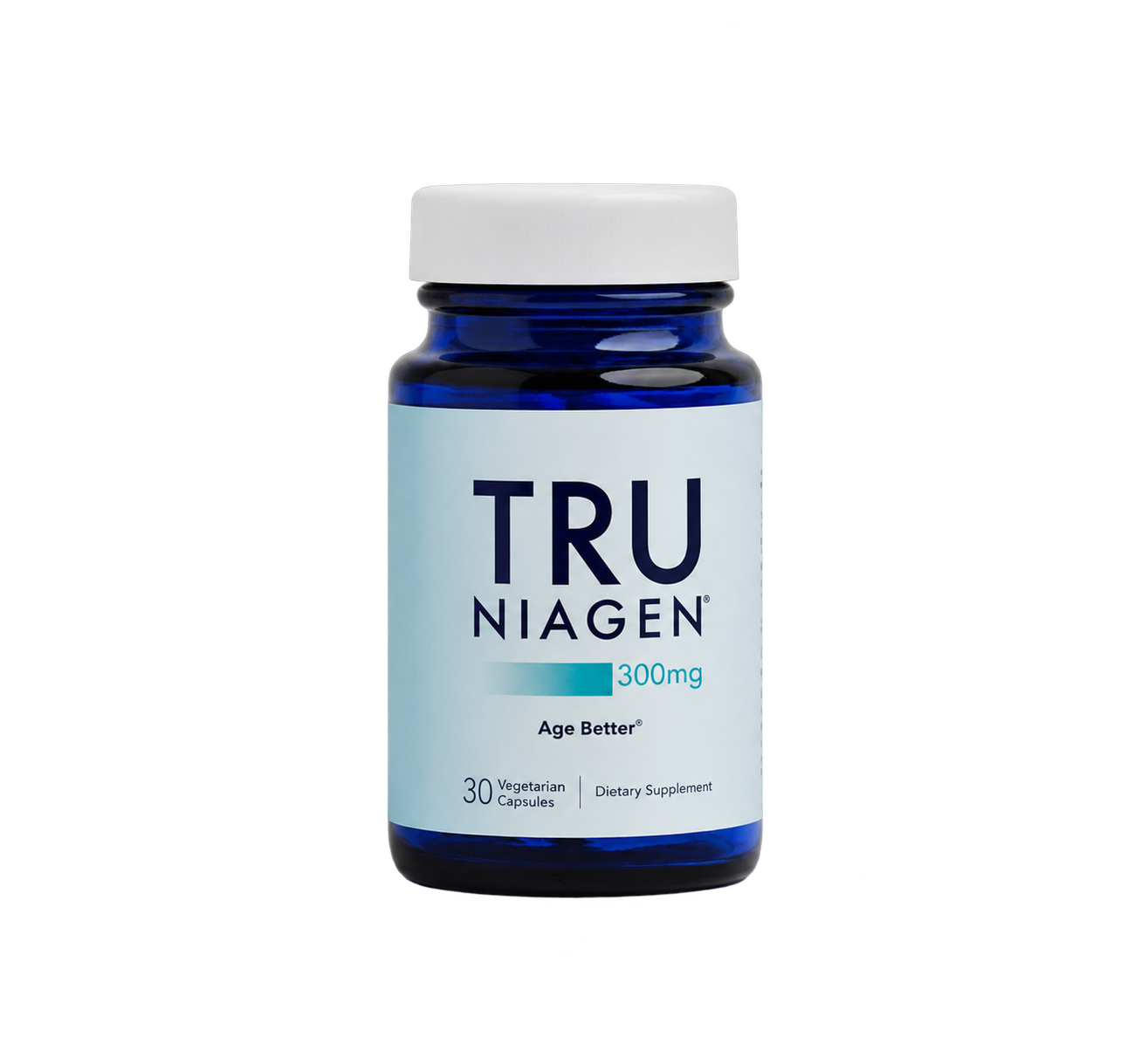
A precursor used to make NAD+, a molecule involved in cellular metabolism. Raising NAD+ is different from proving longer life or better health.
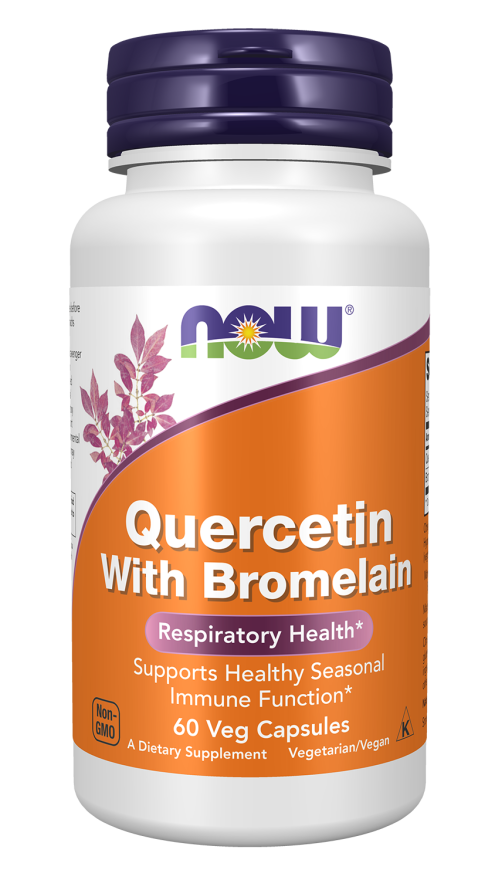
A plant flavonoid paired with a pineapple-derived enzyme. Often marketed for seasonal comfort, with limited evidence for a dependable benefit.
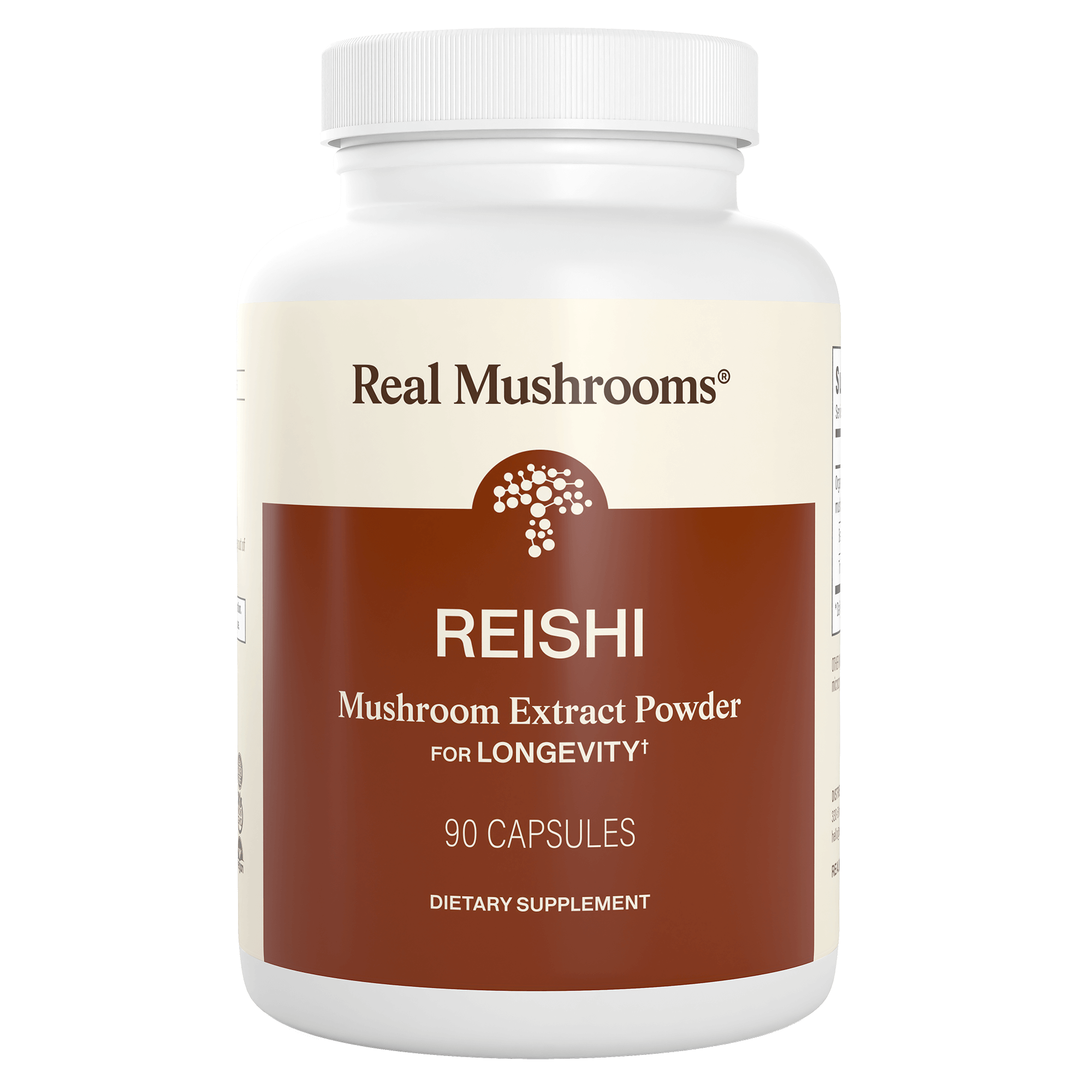
A mushroom extract sold for immune support. The species and extraction details help identify the product; they do not prove a health benefit.
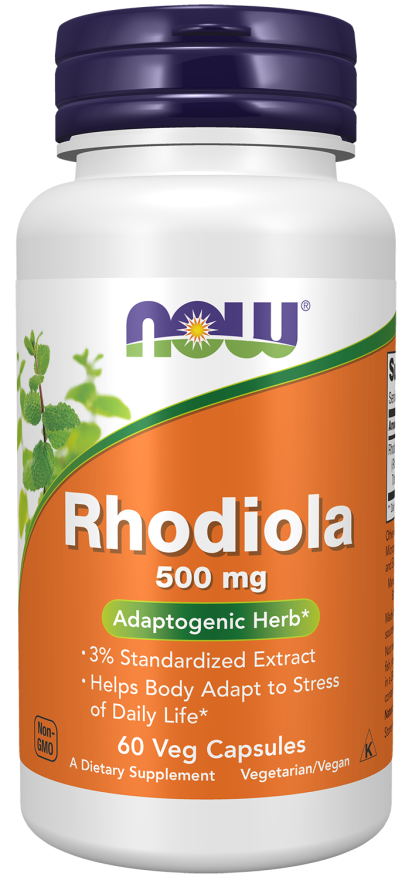
A root extract marketed for stress-related fatigue. Species and extract standardization matter when comparing rhodiola supplements.
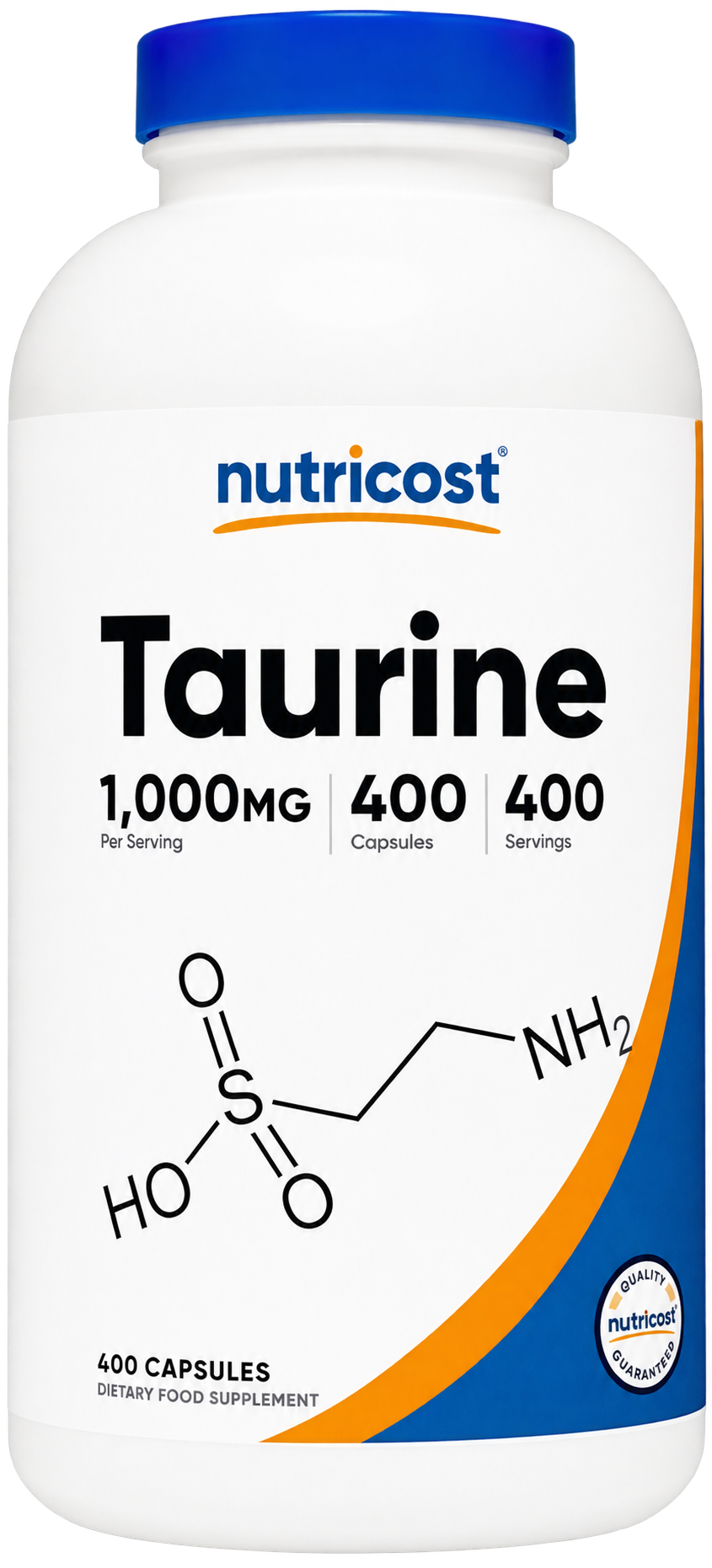
A compound found in tissues throughout the body, involved in processes such as bile formation and cell-fluid balance.
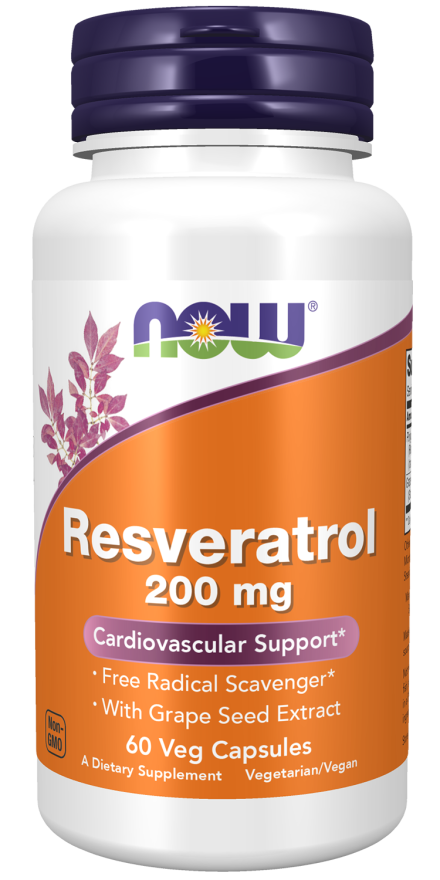
A plant polyphenol frequently marketed for healthy aging. Laboratory interest has not established that supplementation extends human lifespan.