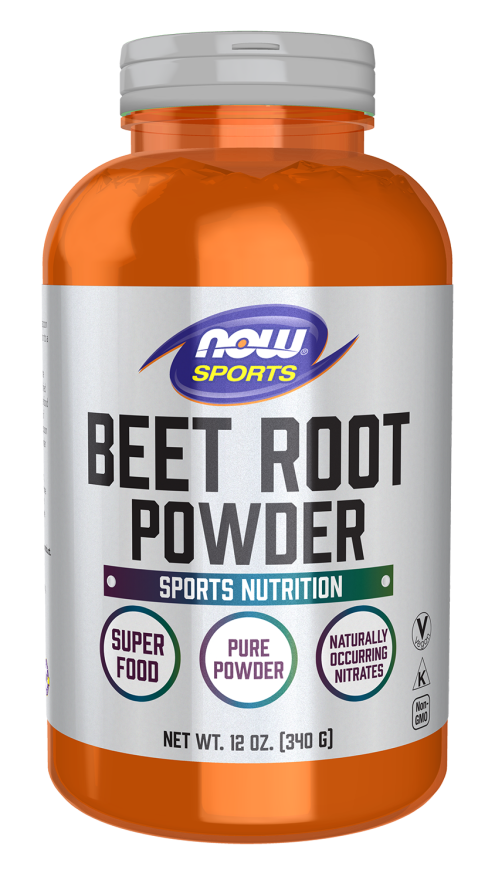
Supplement
Beetroot powder
Dried beetroot in a mixable powder. Unlike some sports products, it does not state a standardized nitrate dose.
$21.99USD
Search the library
Browse ingredients by family or by health subject.
Vitamin D3, B12, magnesium, zinc and iron.
12 entries Protein & amino acidsWhey, collagen, creatine and individual amino acids.
10 entries Plant & mushroom ingredientsPlant extracts, carotenoids and mushroom ingredients.
11 entries Fibre & probioticsPsyllium, PHGG and probiotic formulations.
4 entries Other supplement ingredientsOmega-3, CoQ10, NR and other individual compounds.
7 entriesConcentrated plant and mushroom ingredients, studied for different uses. Benefits depend on the exact extract.
Plants and mushrooms contain many compounds that can affect the body. People take their extracts hoping to address a particular concern, such as stress, sleep or concentration. An extract concentrates selected substances from a root, leaf or mushroom, so its contents can differ substantially from the whole food.
Traditional use and early research explain much of the interest. Whether a supplement helps depends on the exact ingredient, preparation and use being studied. Mushroom products still need more research to establish their effects and suitable doses. Compare the individual ingredients below: this group has no single shared health benefit, and extracts can interact with medicines.
Prices in USD. Estimated ranges are sorted by their starting price.
Catalogue groupings describe the entries; they do not establish effectiveness.
Dried beetroot in a mixable powder. Unlike some sports products, it does not state a standardized nitrate dose.
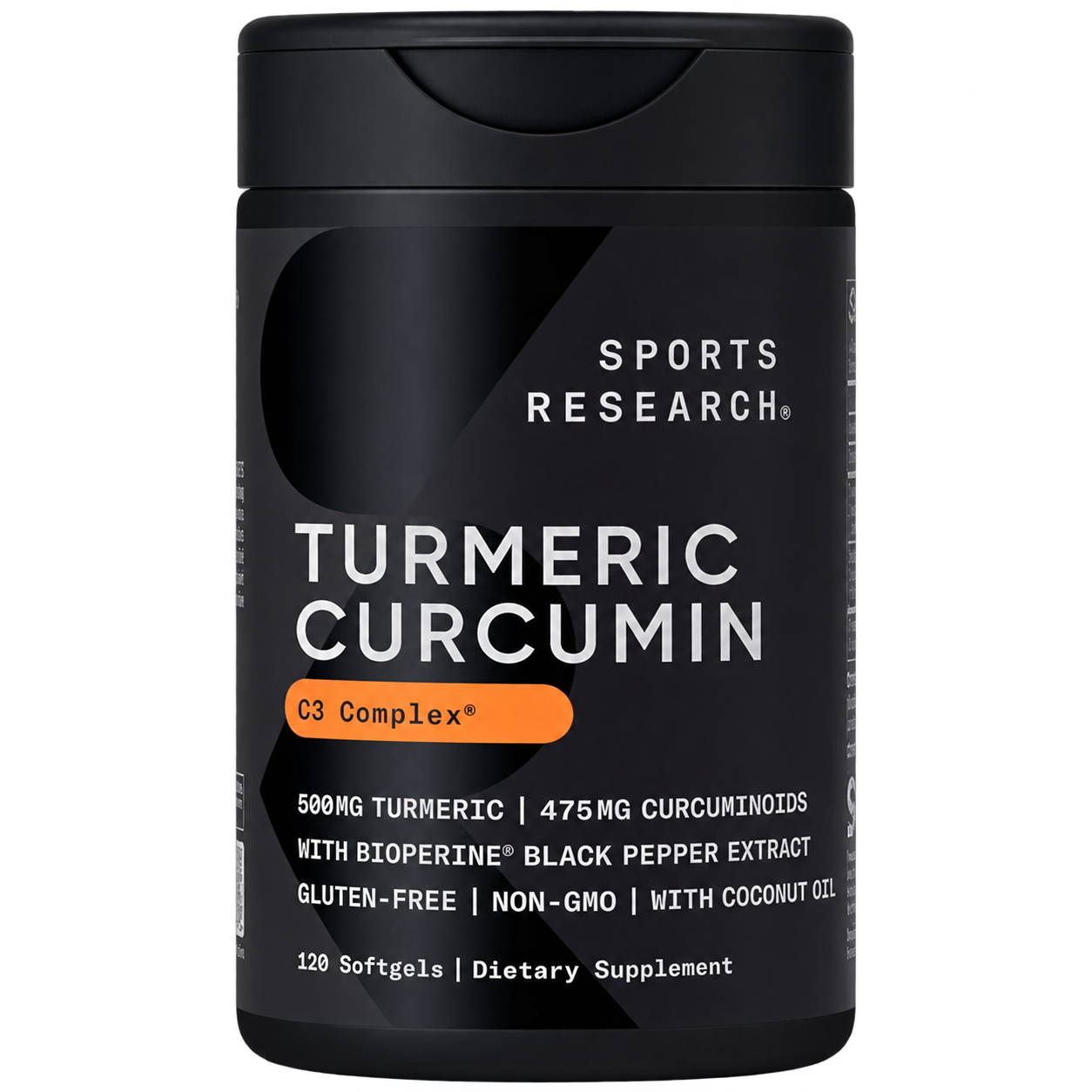
A group of compounds from turmeric, concentrated in supplements and studied for inflammation-related symptoms. Formulations differ substantially in absorption.
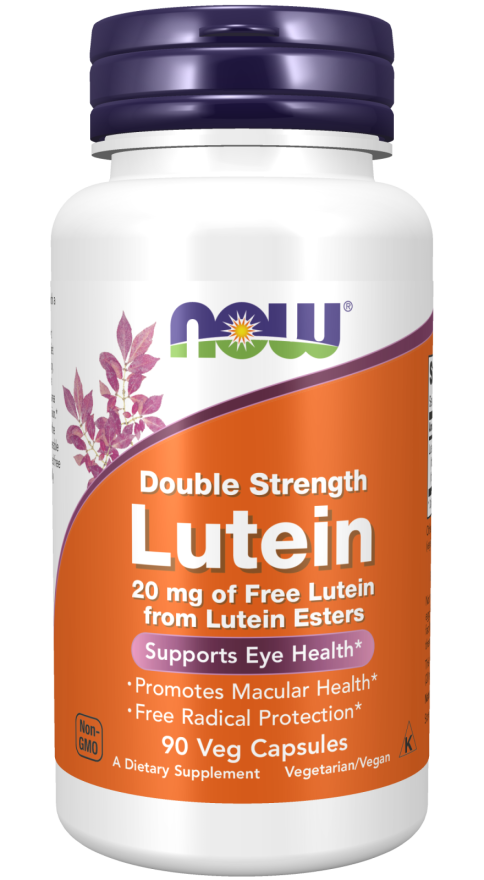
A carotenoid found in leafy greens and the retina. A lutein capsule is different from the complete AREDS2 formula used for certain eye conditions.
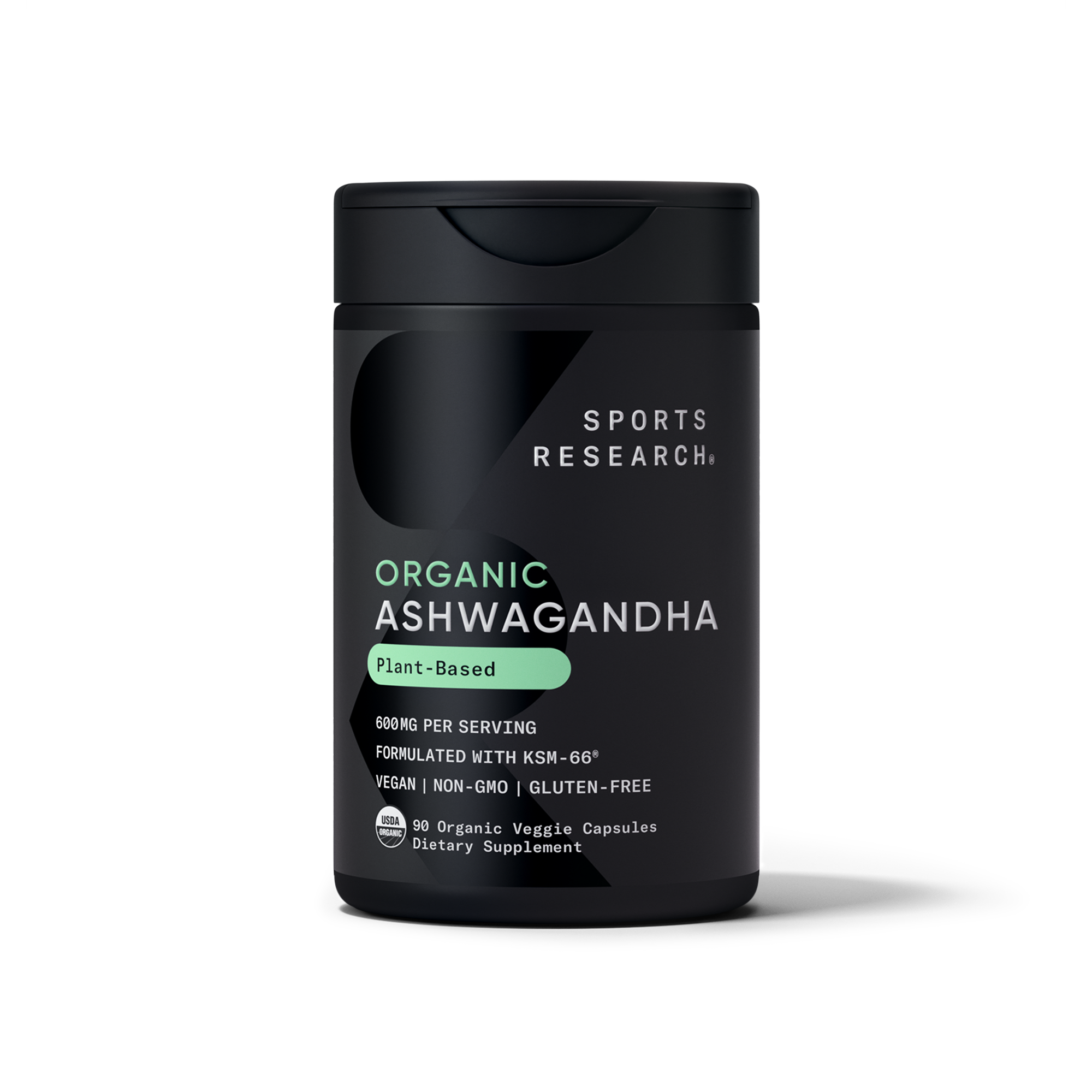
An herb used in Ayurvedic traditions, now sold as extracts studied for stress and sleep. Preparations and their effects vary.
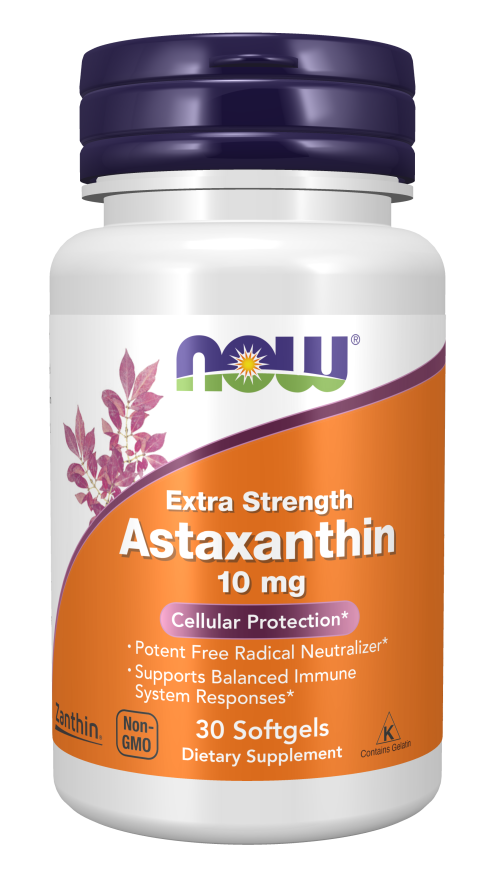
A red-orange pigment sourced from microalgae and sold for skin and antioxidant support. Human evidence is much narrower than the marketing.
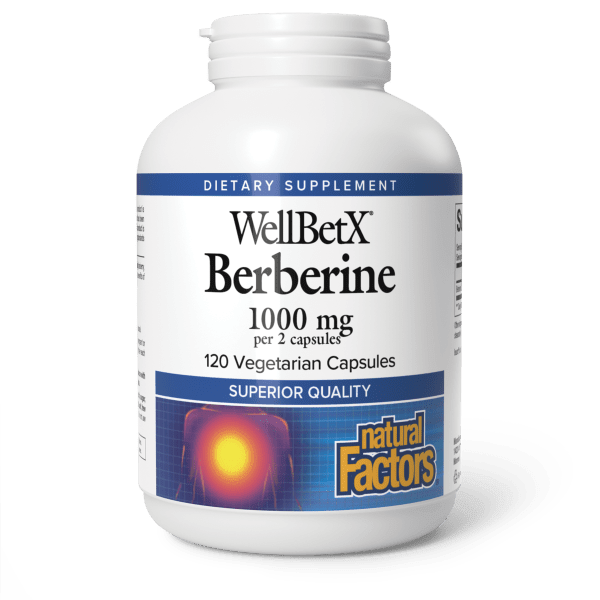
A plant-derived compound studied for effects on blood glucose and blood lipids. It can interact with medicines.
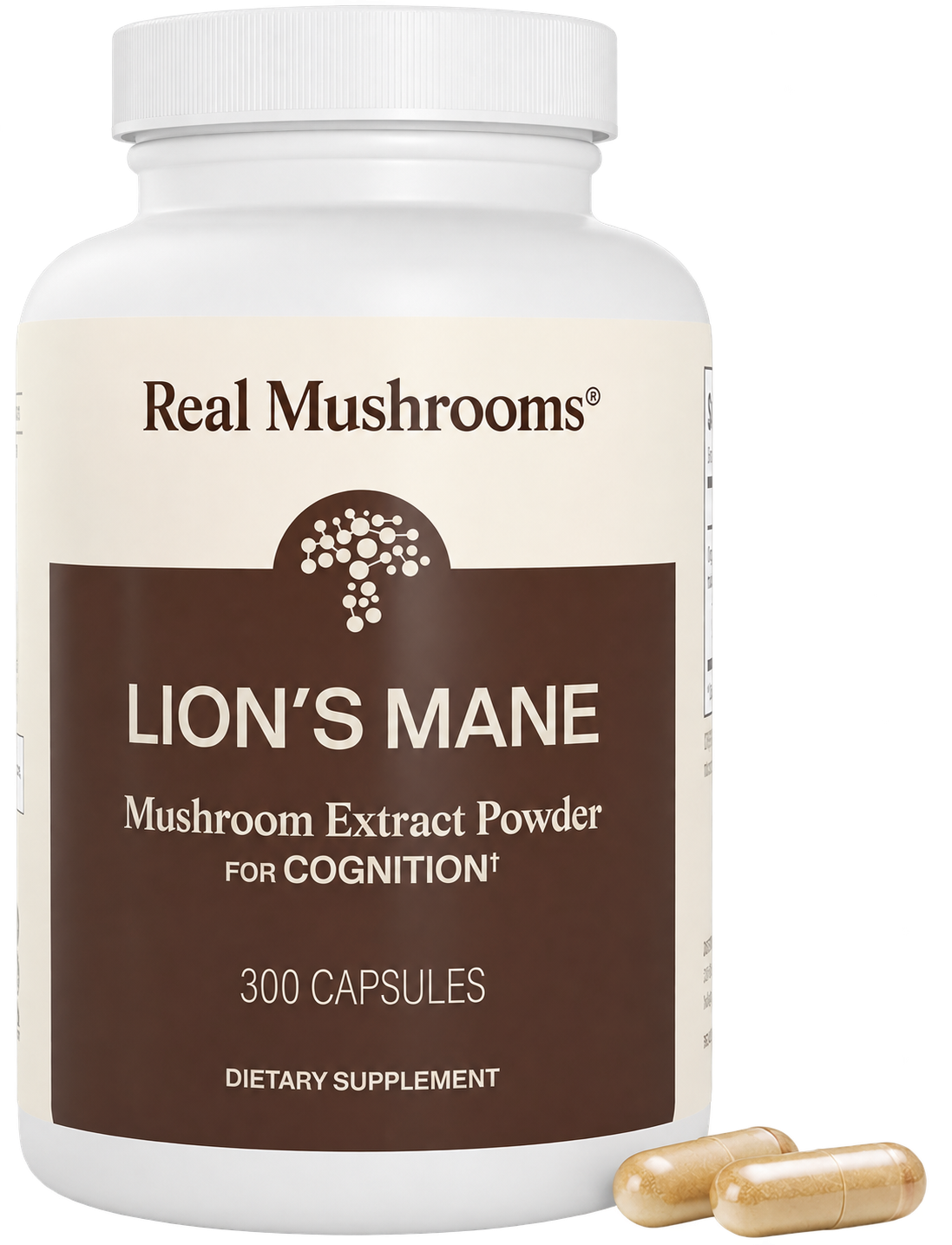
An edible mushroom sold as powders and extracts for cognitive health. Human research remains limited, despite extensive marketing.
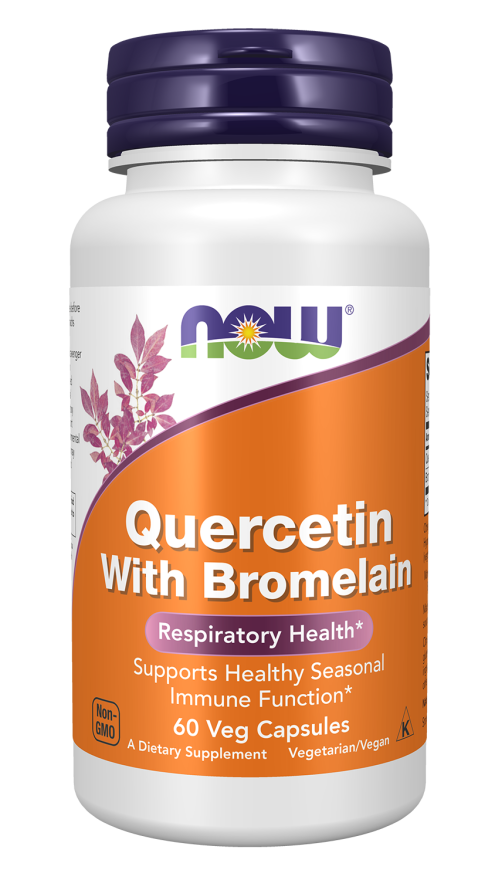
A plant flavonoid paired with a pineapple-derived enzyme. Often marketed for seasonal comfort, with limited evidence for a dependable benefit.
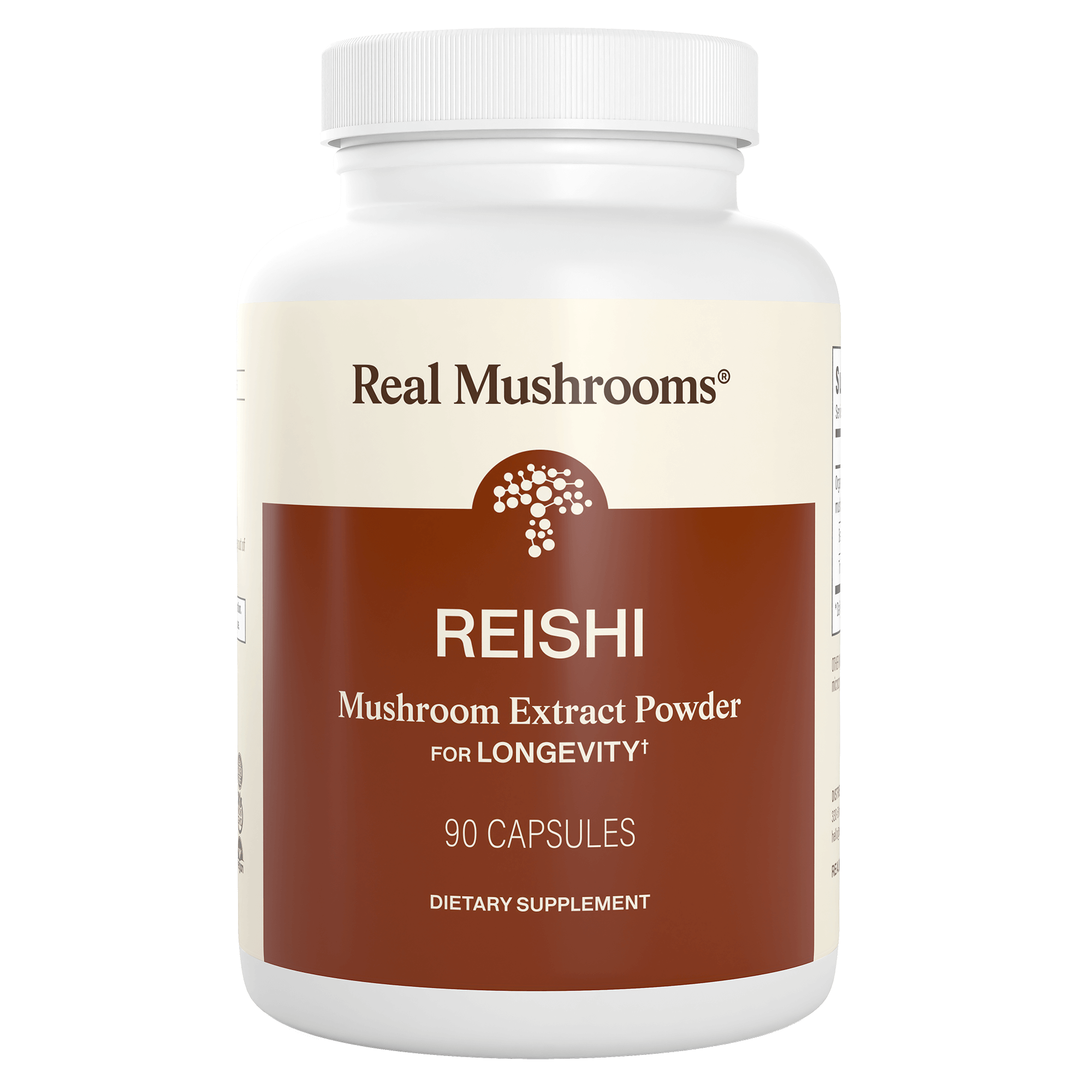
A mushroom extract sold for immune support. The species and extraction details help identify the product; they do not prove a health benefit.
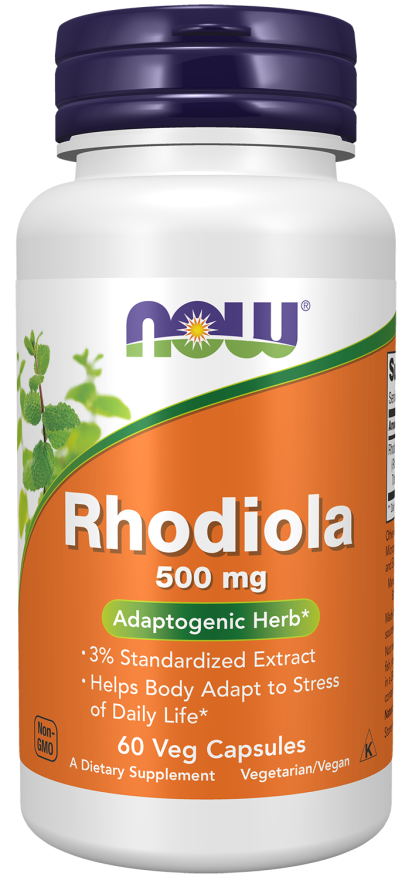
A root extract marketed for stress-related fatigue. Species and extract standardization matter when comparing rhodiola supplements.
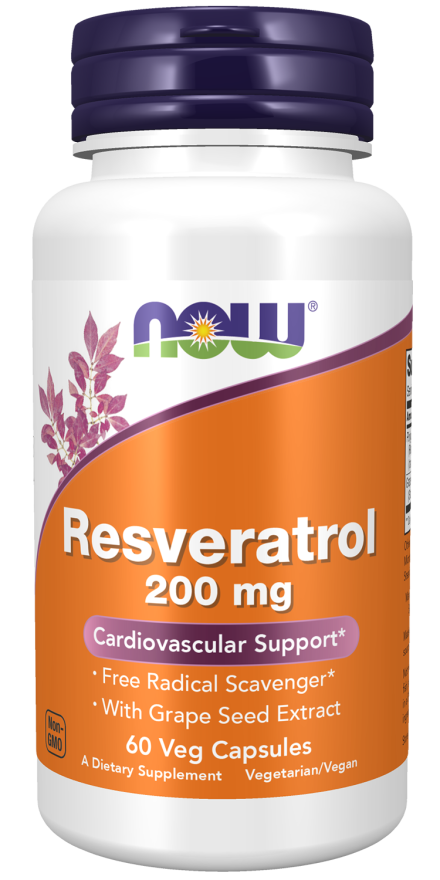
A plant polyphenol frequently marketed for healthy aging. Laboratory interest has not established that supplementation extends human lifespan.