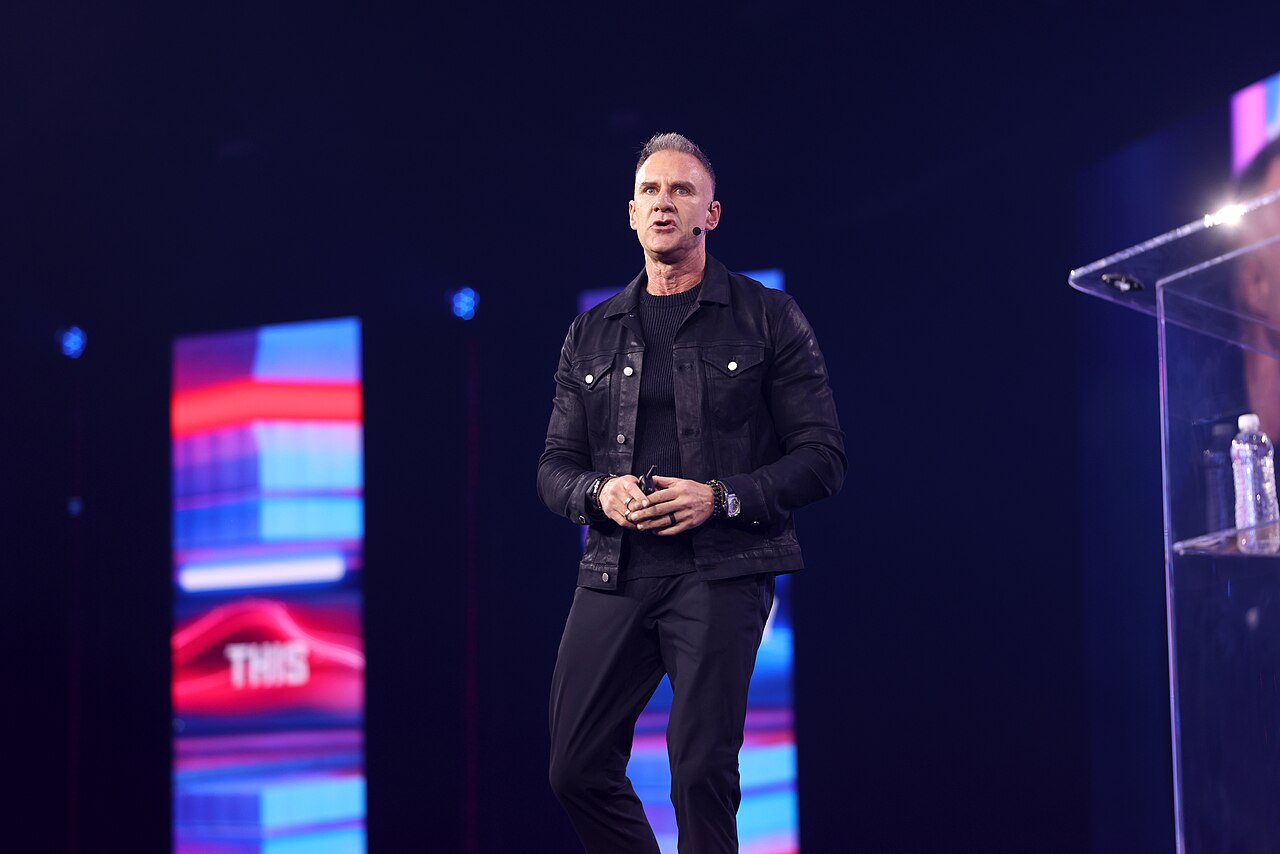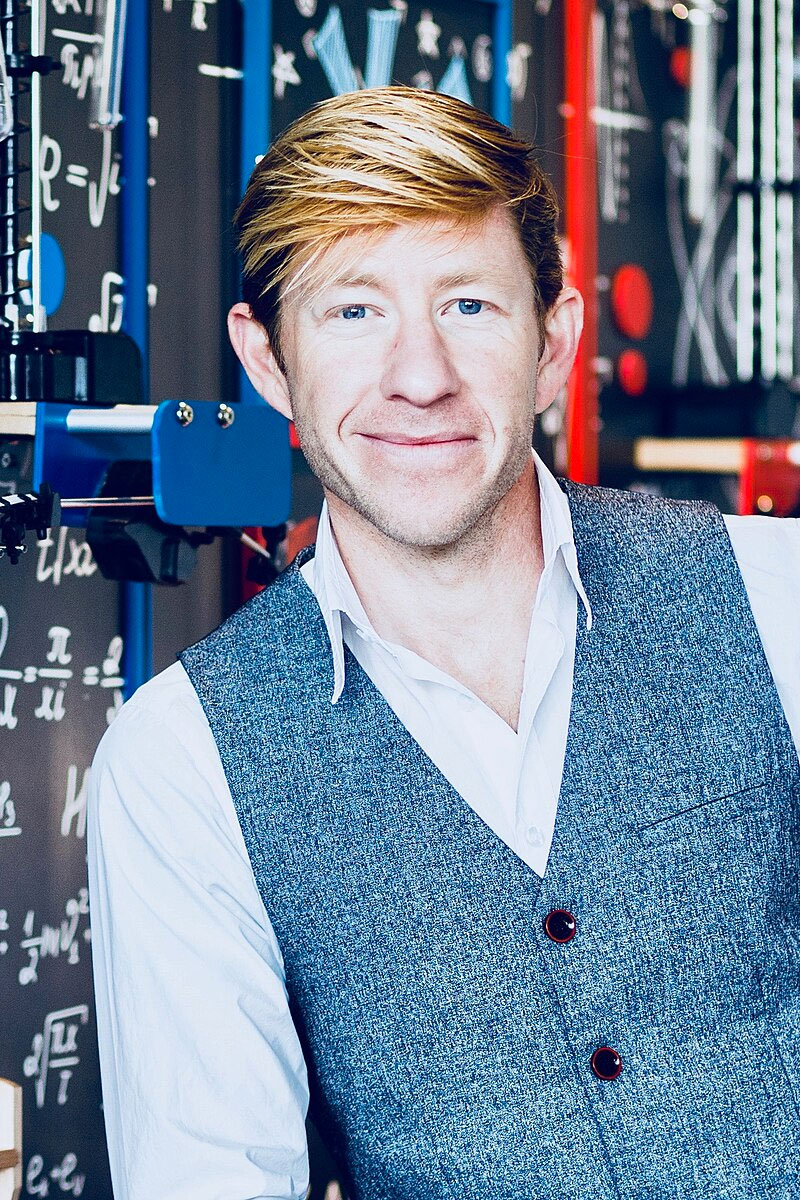
Michael Breus is known for public sleep education and his work on chronotypes: differences in preferred sleep and waking times. His animal-based chronotype categories provide an accessible way to introduce that subject.
What you will find in their work
The concept can prompt useful observations about when you feel alert, when you become sleepy and how work schedules fit those patterns. A quiz offers a simplified description, while real sleep timing is affected by light, habits, age and other factors.
Keep persistent insomnia, loud snoring and excessive daytime sleepiness separate from a lifestyle label. Those symptoms may warrant an assessment. A record of sleep and waking times can help you explain the problem and discuss changes that are practical within your schedule.