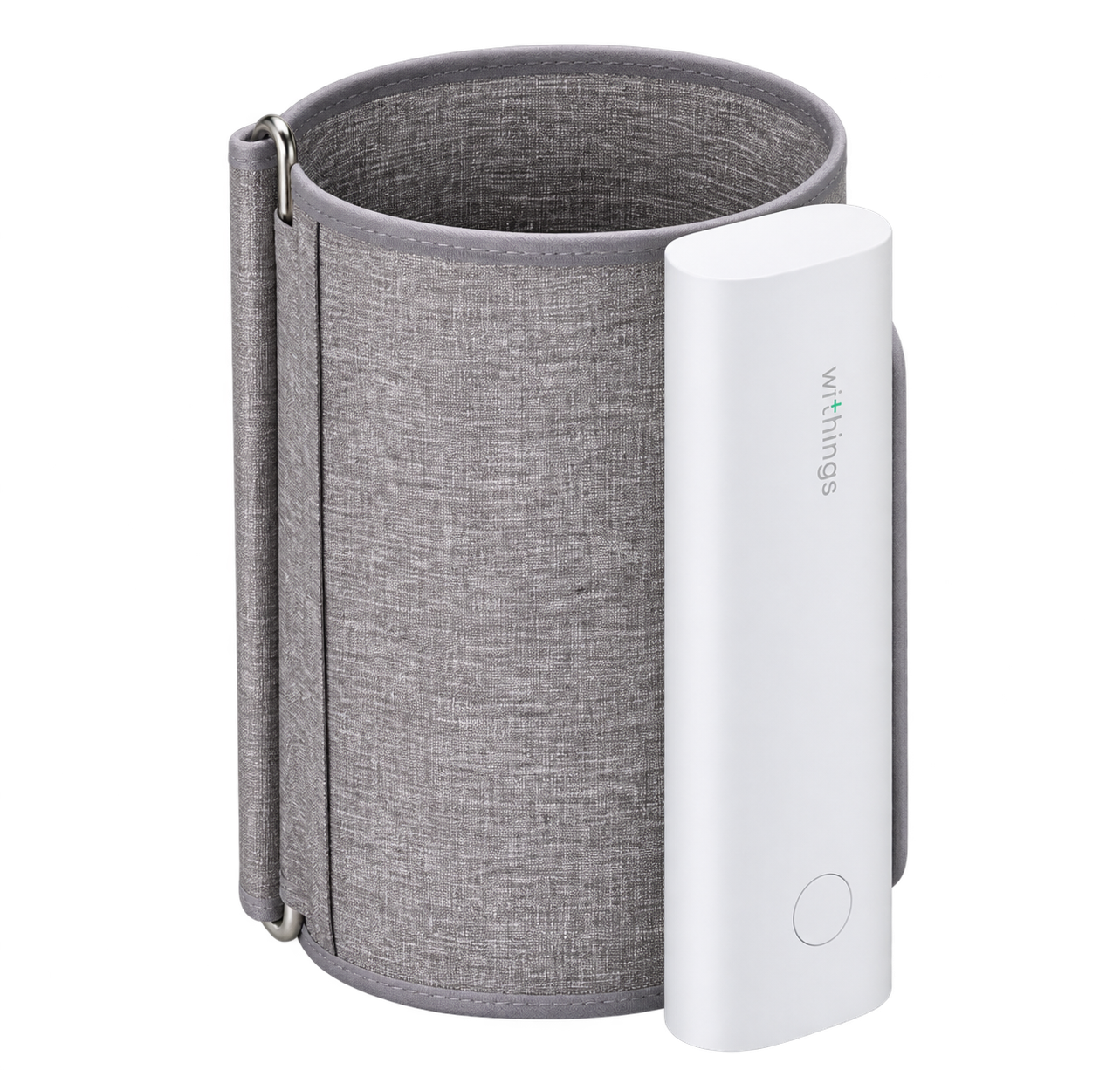
BPM Connect is an upper-arm blood-pressure monitor designed to keep a digital record of home readings. It is worth comparing if you have been asked to monitor blood pressure and want to reduce manual recording. The first requirement is an appropriate cuff and measurement technique; connectivity comes after those basics.
What is the connected part useful for?
Withings describes an upper-arm cuff with a display, rechargeable power and wireless synchronisation. The device records blood pressure and pulse, while the app provides a history you can review. Check the cuff's stated arm-circumference range against your measured arm before buying.
A connected record can help you bring a sequence of measurements to an appointment. Decide who will use the monitor and how records will be assigned to the correct person. If several people share it, practise the user-selection workflow before building a long history.
How do you take a useful home reading?
The American Heart Association recommends an automatic upper-arm monitor and a correctly fitting cuff. Its home instructions include five minutes of quiet rest, a supported back and arm, feet on the floor and the cuff on a bare arm at heart level. It also advises avoiding smoking, caffeine and exercise in the 30 minutes beforehand and taking two readings one minute apart.
These conditions matter because a record taken differently each time is harder to interpret. Follow the schedule agreed with your healthcare professional and keep the circumstances reasonably consistent. Home monitoring supports that discussion; it does not replace it.
BPM Connect or a simpler cuff?
Compare the device with a validated upper-arm monitor that stores readings locally. If you are comfortable recording the results yourself, Wi-Fi may be a convenience rather than a necessity. If manual entries are often missed, automatic history may be the feature that makes the purchase worthwhile.
Look at the export and sharing workflow before deciding. The most useful output may be a clear sequence of dated readings that your clinician can review, rather than a large set of app graphics.
How is this different from a smartwatch?
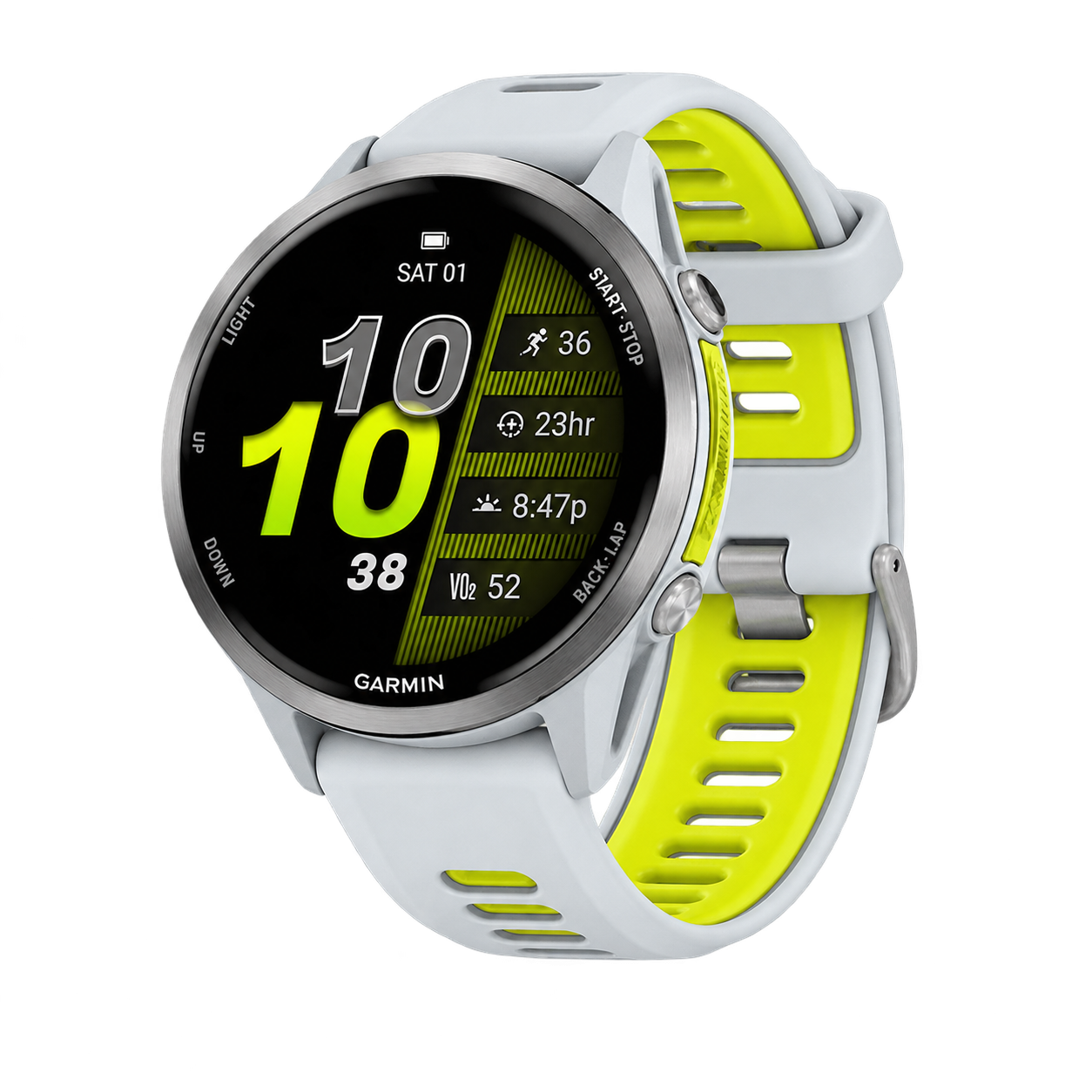
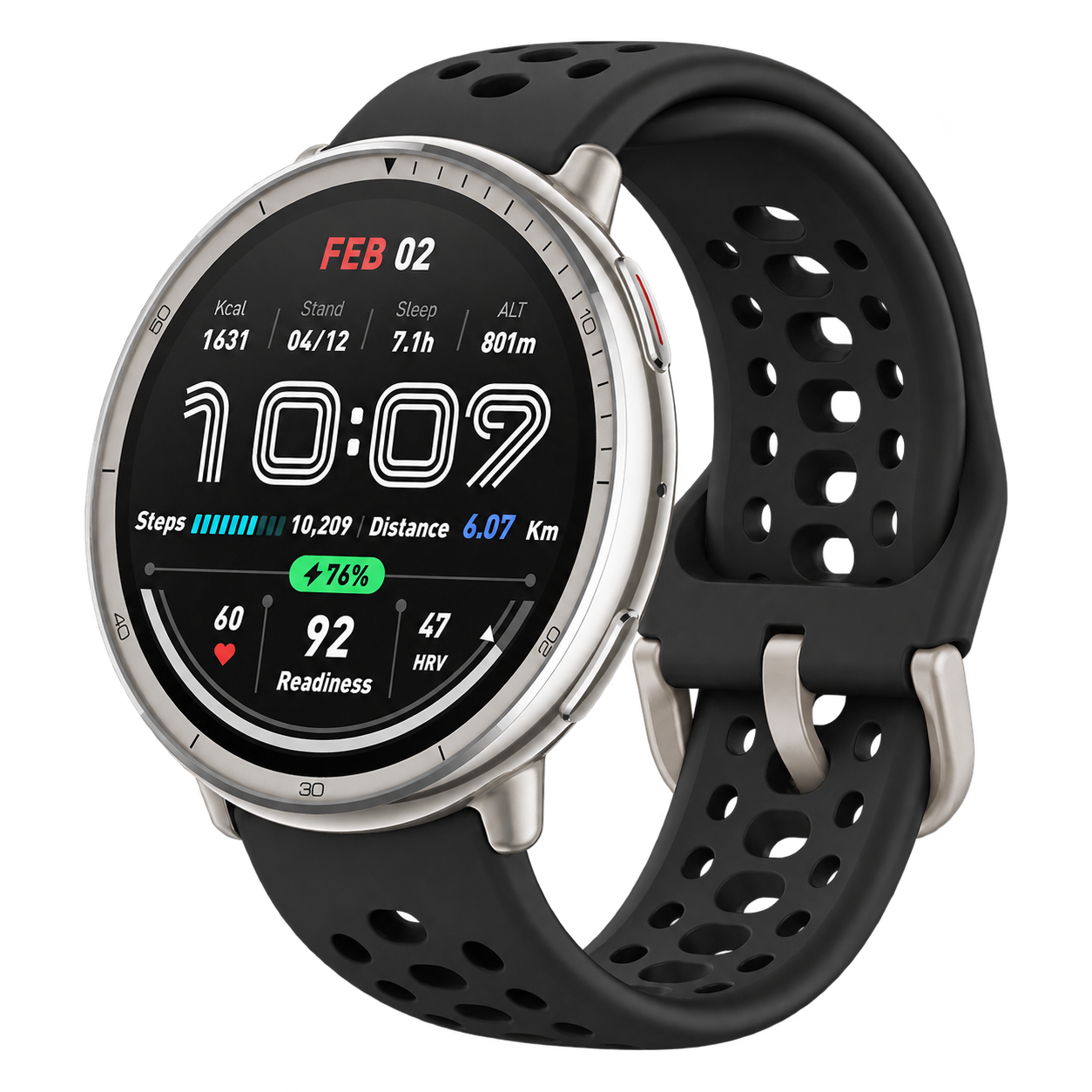
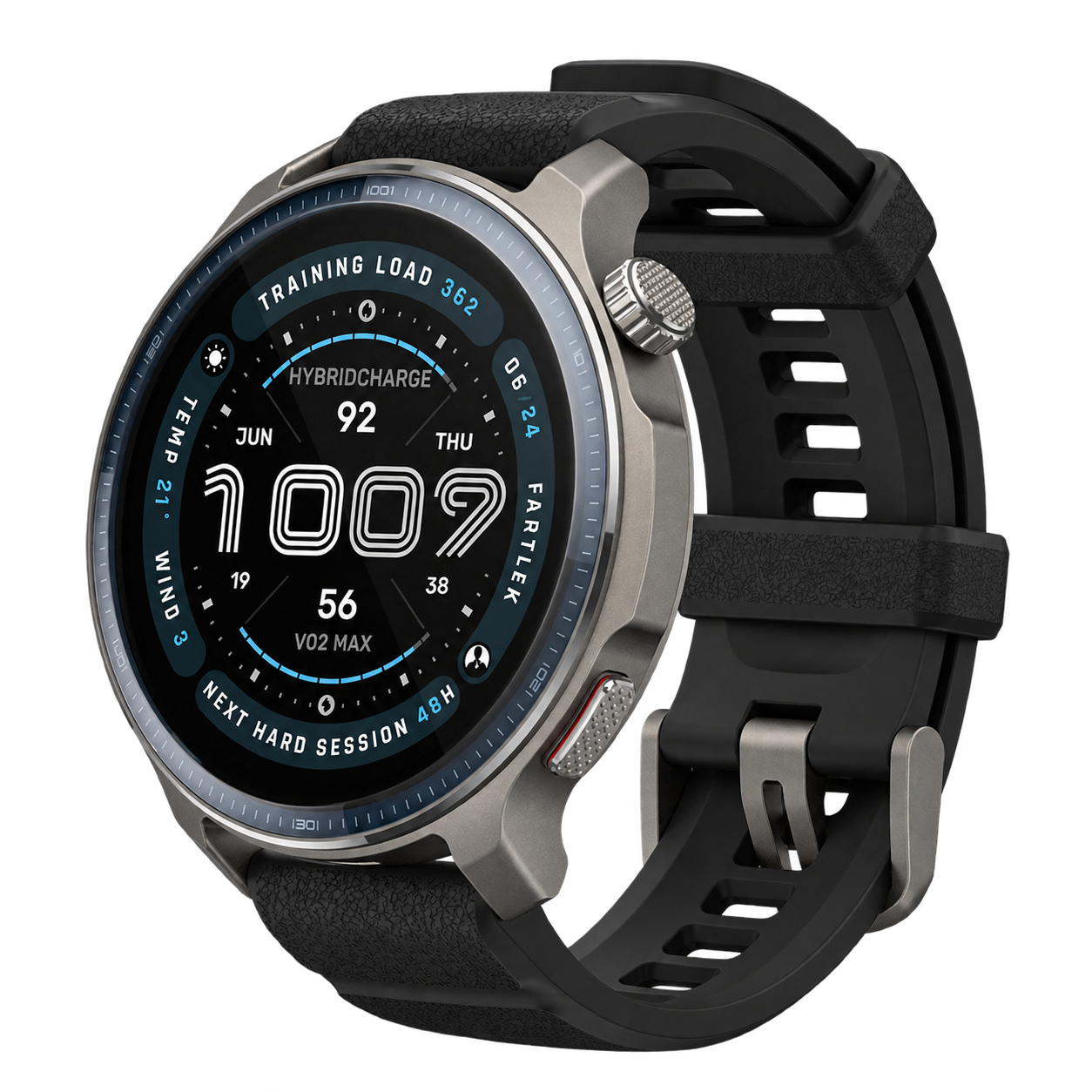
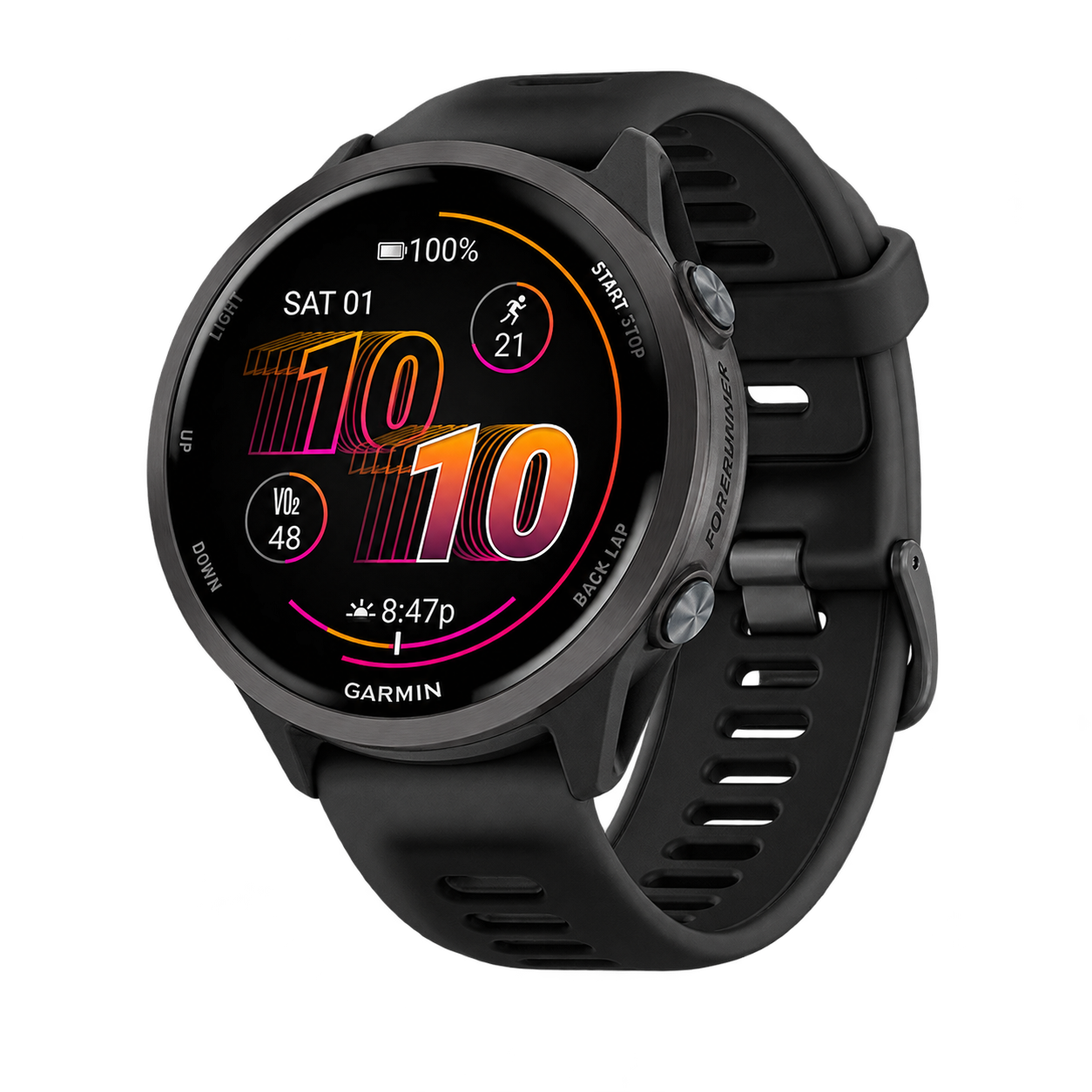
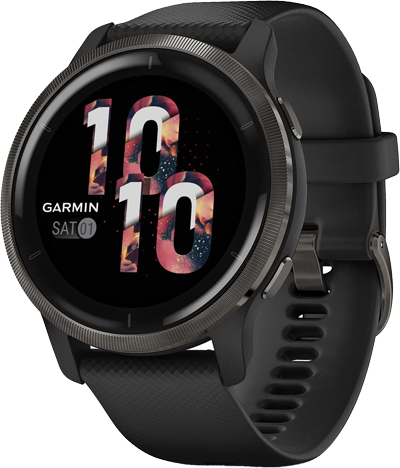
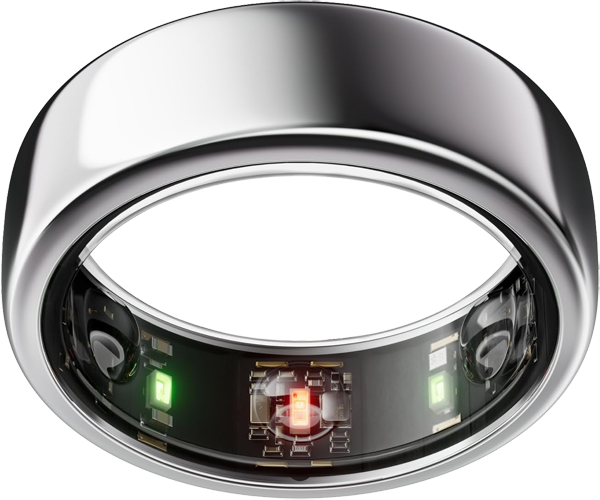
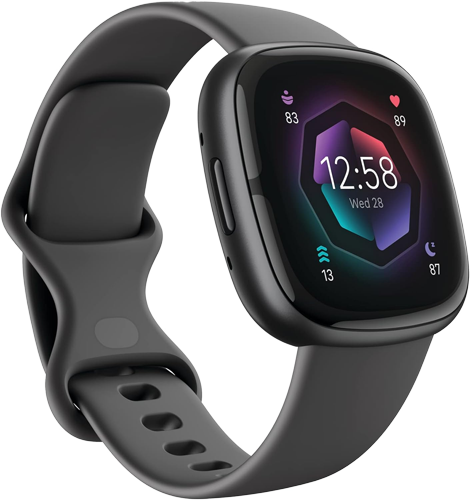
A watch's wellness dashboard and an upper-arm cuff perform different tasks. If your clinician has asked for cuff readings, choose equipment that meets that request. A watch notification should not be treated as a substitute for the prescribed monitoring process.
The testing and biomarkers guide explains how to connect a measurement to a decision. This overview draws on Withings' manual and AHA guidance; HTL has not carried out an independent validation study of BPM Connect.
Sources and product documentation
Where to find Withings BPM Connect
View on AmazonSee the listing, current price and customer reviews on Amazon.
Affiliate link · HTL may earn a commission on purchases.