If you have tried to meditate and spent the whole session thinking about dinner, you have encountered a normal part of the exercise. Attention wanders. Many forms of meditation involve noticing that movement and gently returning to an anchor, such as the breath or sounds around you.
You do not have to manufacture a particular feeling to make a session worthwhile. A useful first question is whether the practice gives you a manageable way to notice your attention and reactions.
Meditation and mindfulness: what is the difference?
Meditation is a broad family of practices. Mindfulness involves paying attention to present experience with an open, less judgmental attitude. Some meditation practices cultivate mindfulness; others use a repeated phrase, visualization or different focus.
That variety matters when reading research. A structured programme with a trained instructor is different from an occasional audio session. Results from one approach should not automatically be attached to every product labeled “mindfulness.”
A simple way to try a short session
Choose a comfortable seated position and a place where you can pause safely. Set a short timer if that helps. Let your breathing stay natural, and notice a sensation such as air moving at your nose or your feet resting on the floor.
When you realize you are planning, remembering or judging the session, return attention to the chosen sensation. You can keep your eyes open. There is no requirement to sit cross-legged or to force a slow breathing rhythm.
Afterward, notice how the experience felt. A brief written observation is enough: easy to settle, restless, sleepy, useful or uncomfortable. This makes it easier to choose a format that suits you without interpreting every session as success or failure.
Can meditation help with stress and anxiety?
NCCIH describes evidence suggesting benefits for some symptoms and populations, alongside variation in study quality and results. Programmes differ, and meditation does not work equally well for everyone. Claims that a particular app will cure anxiety or replace established treatment deserve scrutiny.
If your goal is everyday stress management, consider how the practice fits with sleep, workload, relationships and other support. Persistent anxiety, depression or trauma symptoms may need professional care. Meditation can be discussed as one part of that care rather than assumed to be sufficient on its own.
Do you need an app or a meditation headband?
An app can provide instructions and make a session easier to start. Before paying, try the instructor’s voice and style. Check whether the free material is enough, what the subscription renews at and whether reminders feel helpful.
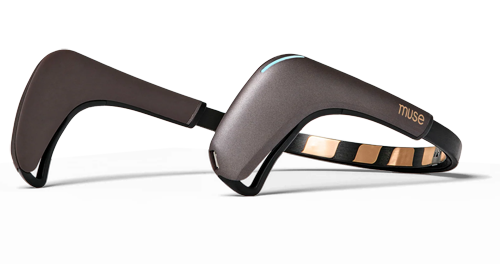
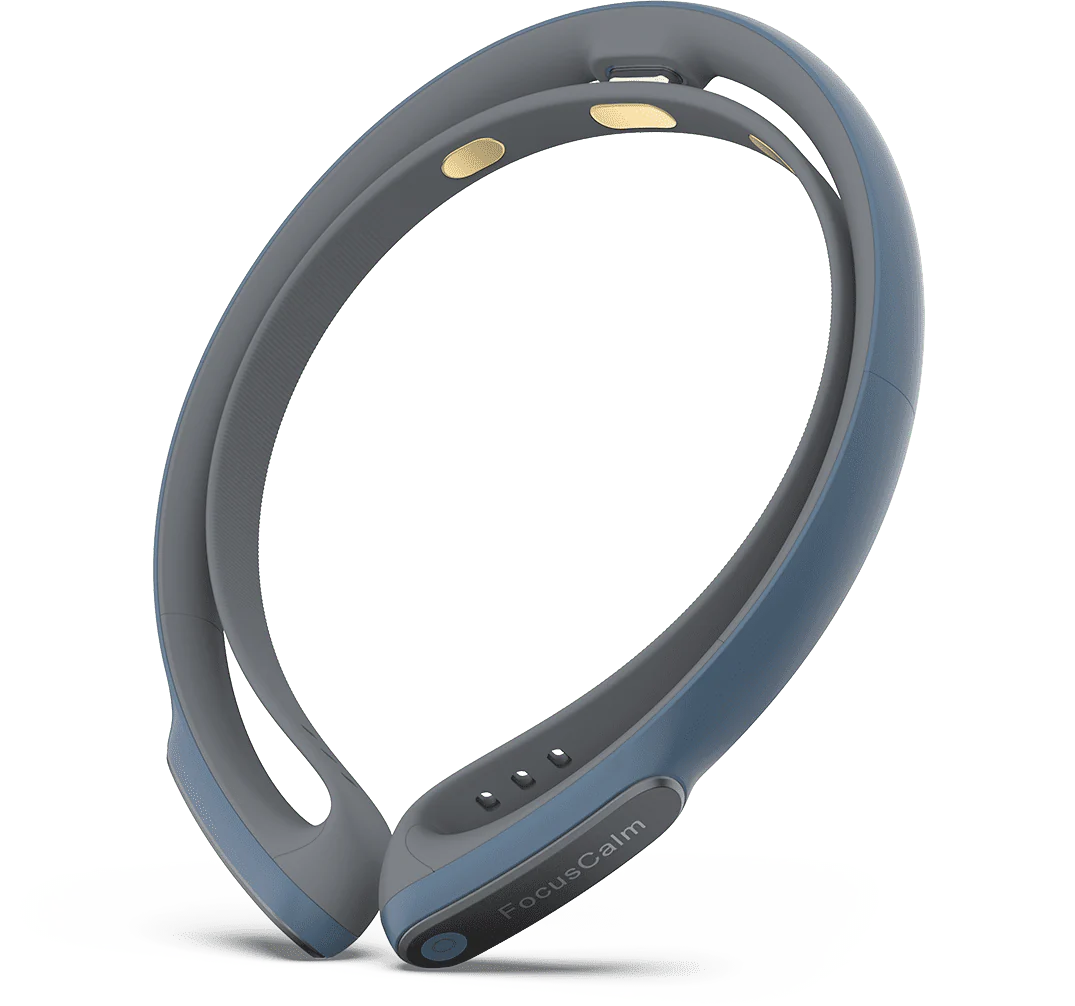
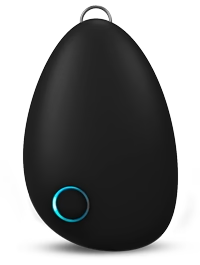
A headband adds sensors and feedback, which may interest you but also changes the experience. A score does not establish how well you meditated. Our neurofeedback guide explains why consumer feedback and clinical evidence need to be examined separately.
What if meditation makes you feel worse?
Some people report increased anxiety or other difficult experiences during meditation. If inward attention feels distressing, stop or try a different approach with suitable guidance. Longer sessions are not automatically better.
You might prefer a short walk, eyes-open attention to your surroundings or a gentle breathing exercise. The useful choice is one you can engage with safely and comfortably, with professional support when needed.