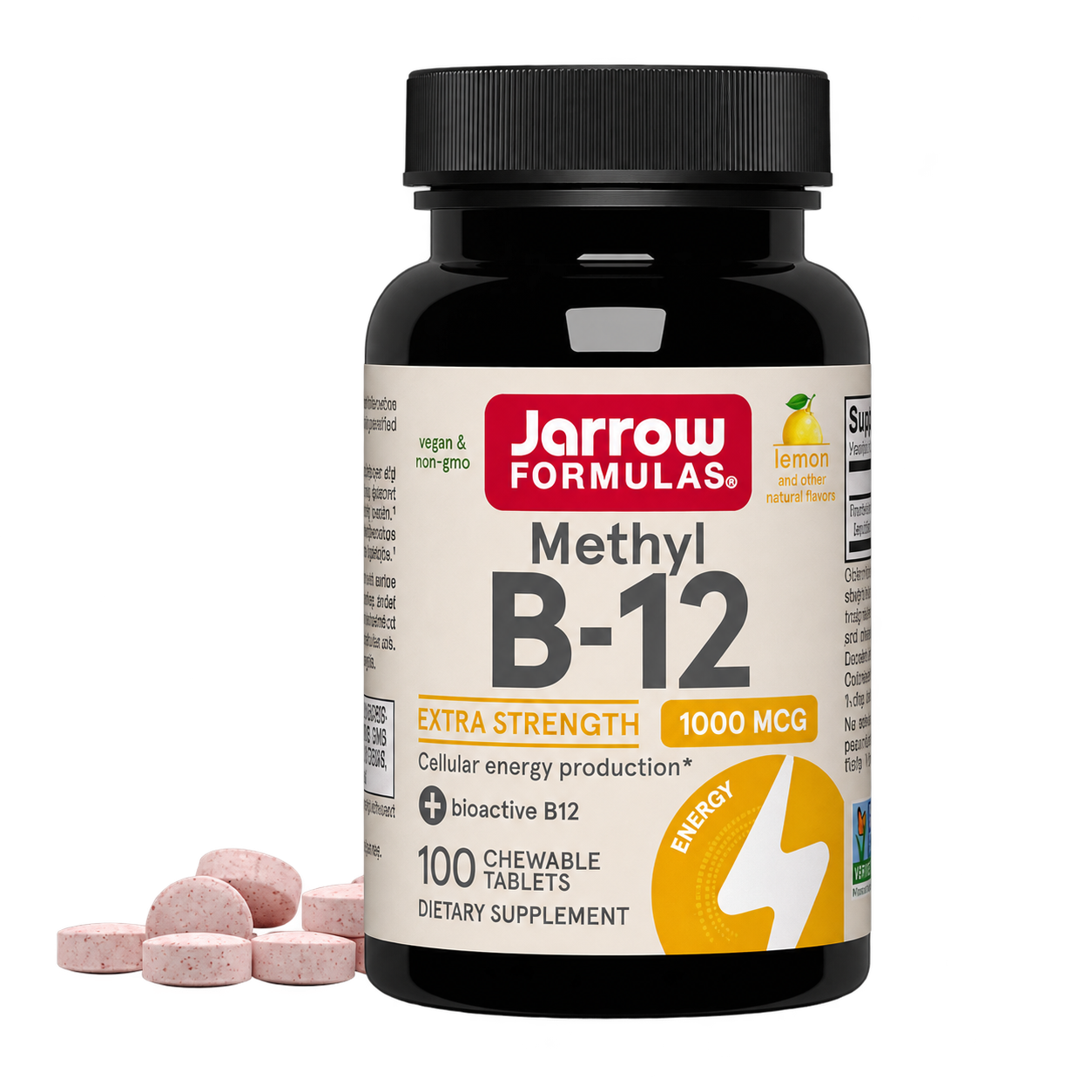
Supplement
Vitamin B12
A vitamin needed for nerve function, DNA synthesis and red blood cell formation, especially relevant when intake or absorption is low.
$10–$25USD est.
Search the library
Browse ingredients by family or by health subject.
Iron, Magnesium L-threonate, Vitamin B12
3 entries Protein & amino acidsAcetyl-L-carnitine, Creatine monohydrate, L-theanine
3 entries Plant & mushroom ingredientsAshwagandha, Lion's mane, Lutein
4 entries Other supplement ingredientsOmega-3
1 entriesSmall amounts of essential nutrients help keep bones, muscles and everyday body processes working.
Vitamins are nutrients your body needs in small amounts to keep everyday processes working. There are 13 essential vitamins, each with particular jobs. Minerals are elements such as iron, calcium and magnesium that your body also needs. They help with everything from maintaining bones to making hormones and keeping muscles working.
A varied diet supplies many of these nutrients. A supplement can help when food intake or absorption leaves a gap, or when a particular life stage increases your needs. The useful question is which nutrient you need and why. Taking more than you need can cause problems.
Prices in USD. Estimated ranges are sorted by their starting price.
Catalogue groupings describe the entries; they do not establish effectiveness.
A vitamin needed for nerve function, DNA synthesis and red blood cell formation, especially relevant when intake or absorption is low.
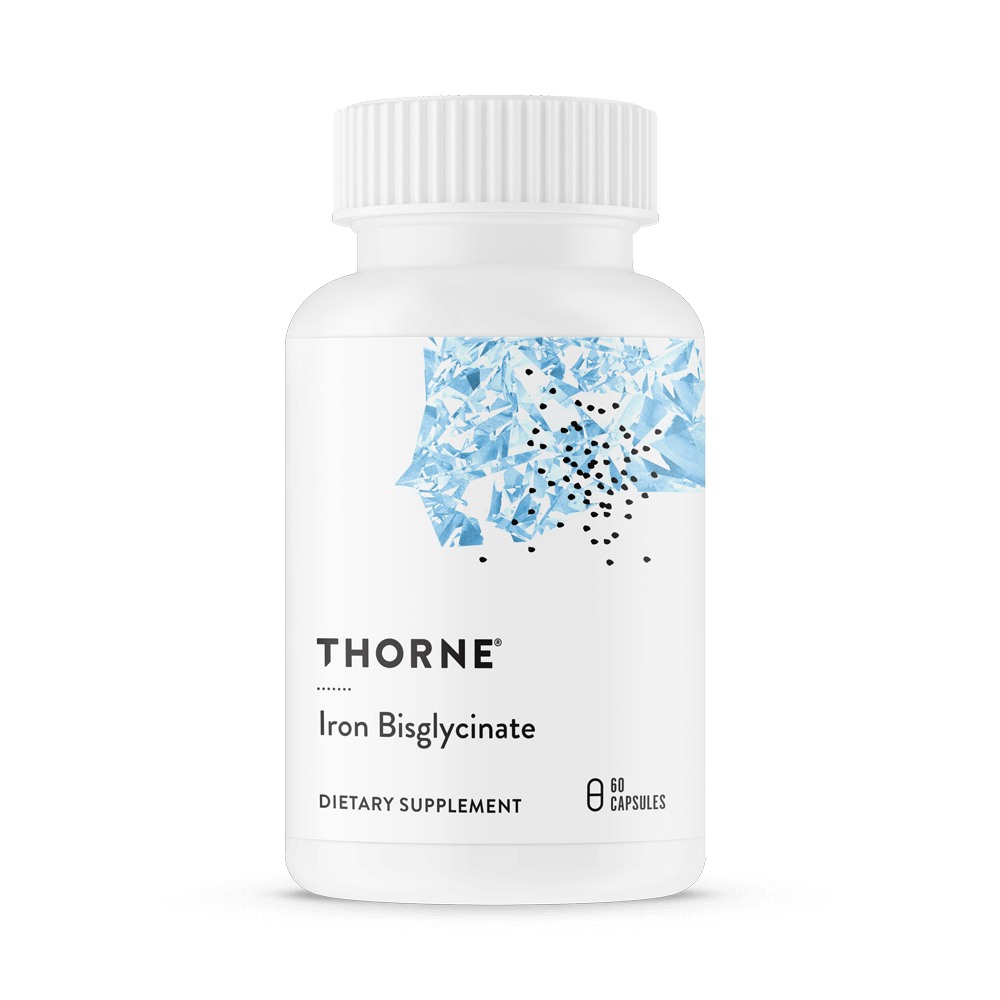
A mineral needed to make haemoglobin, which carries oxygen in blood. Supplements are used to address low iron when indicated.
A form of magnesium marketed for memory and sleep. Neuro-Mag uses Magtein; evidence for an everyday cognitive benefit is still developing.