Reading
An Elegant Defense
Matt Richtel explains immune-system science through the intertwined stories of four patients and the researchers studying their conditions.
$15–$35USD est.
Search the library
Books and their associated health subjects.
Prices in USD. Estimated ranges are sorted by their starting price.
Matt Richtel explains immune-system science through the intertwined stories of four patients and the researchers studying their conditions.
Ed Yong explores how microbes shape the lives of humans and other animals, from digestion to the evolution of entire ecosystems.
Philipp Dettmer uses illustrated explanations to show how immune cells, barriers and signalling systems respond to threats.
Michael Matthews lays out a strength-training and nutrition programme for men who want to build muscle and change body composition.
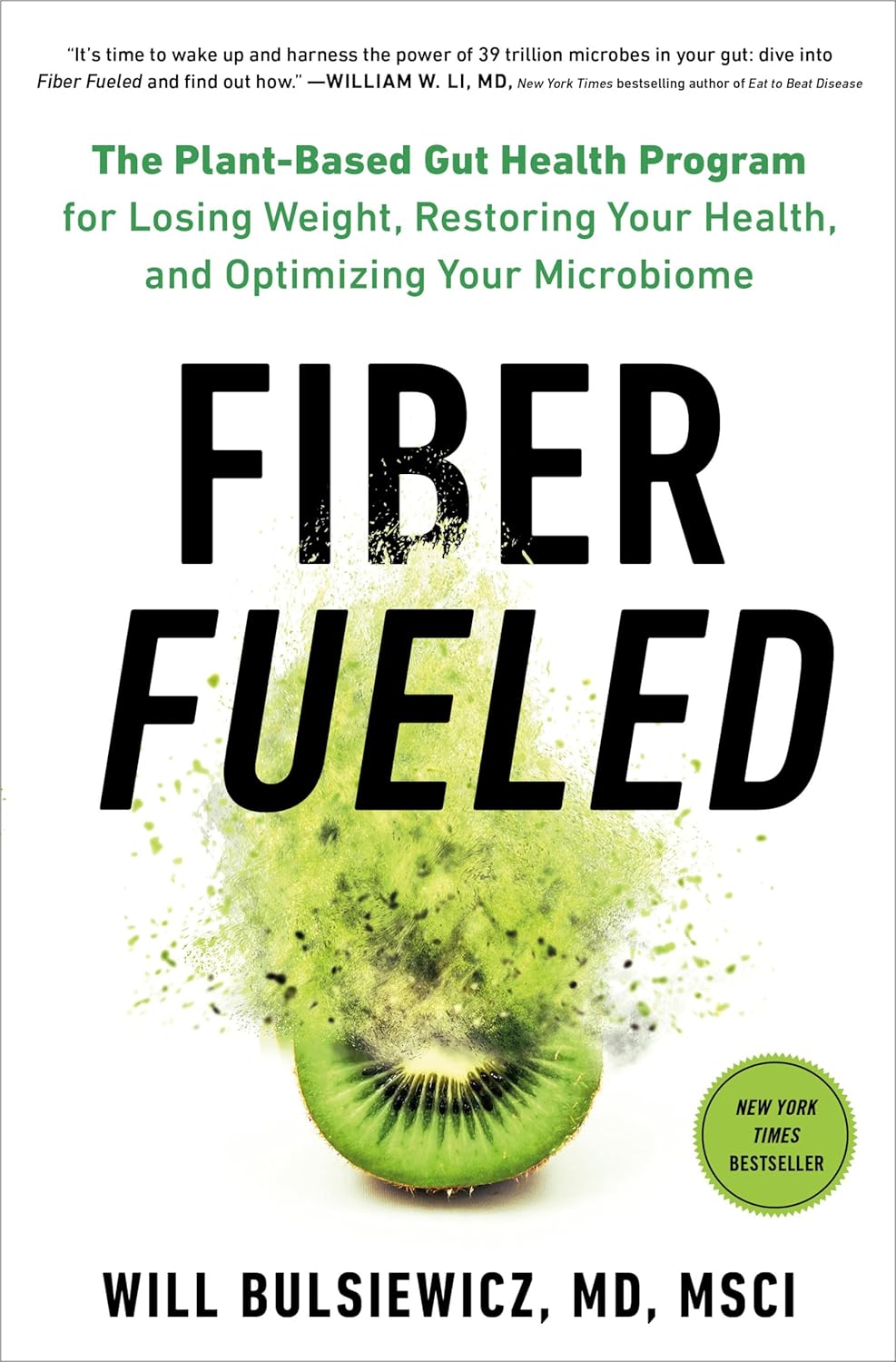
Will Bulsiewicz makes the case for a diverse, plant-rich diet, with fibre and the gut microbiome at the centre of his programme.
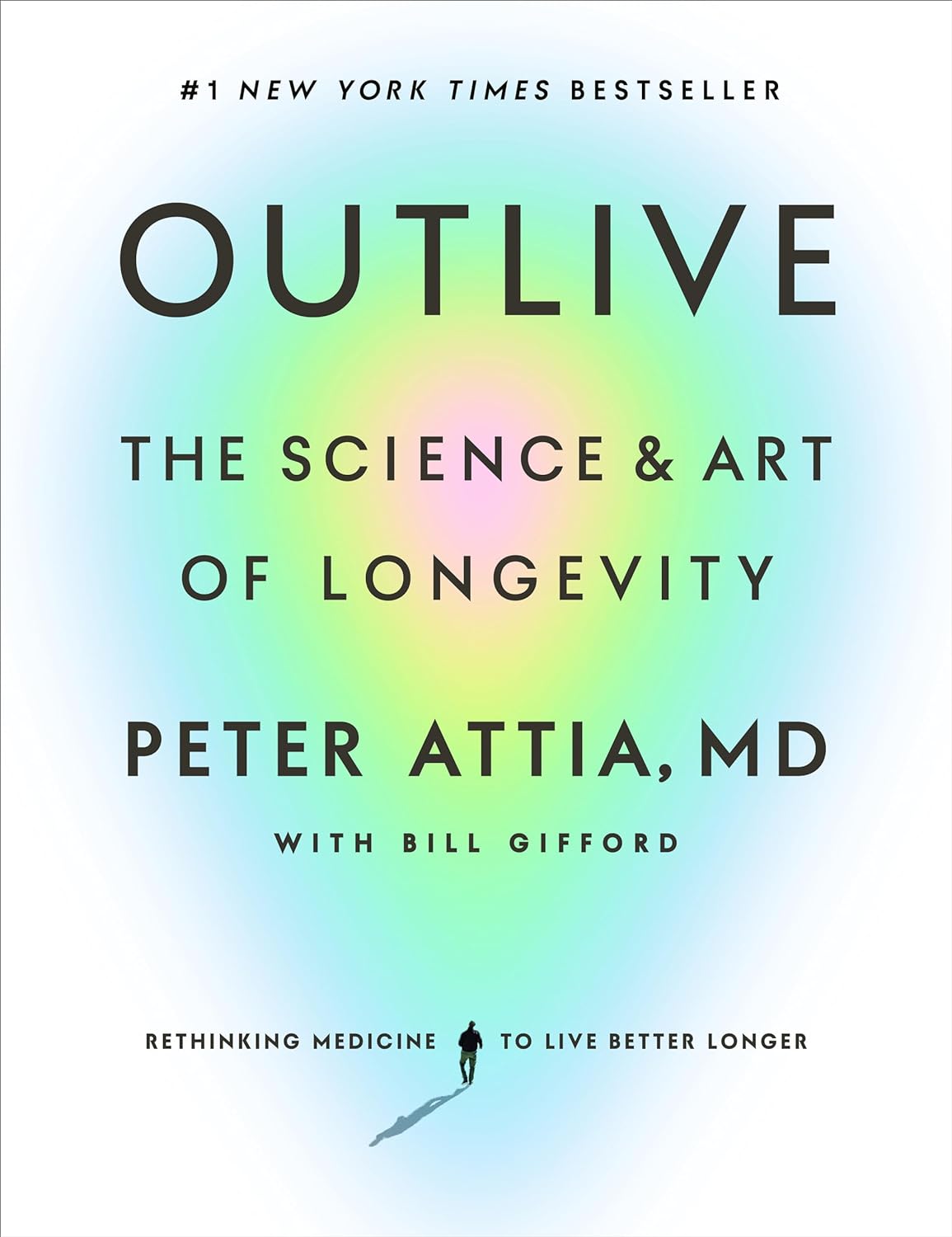
Peter Attia sets out a preventive approach to ageing, with chapters on exercise, metabolic health, sleep and emotional wellbeing.
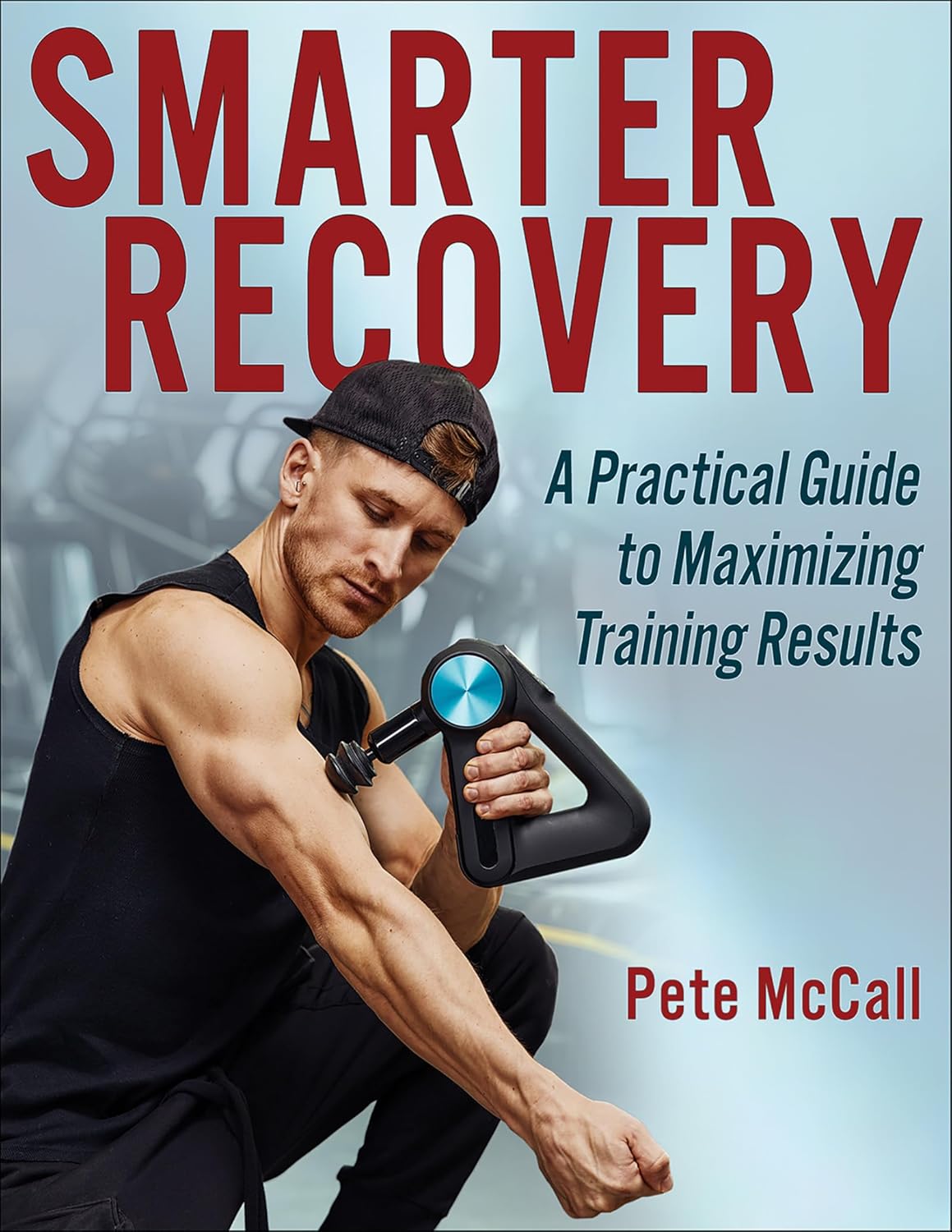
Pete McCall examines recovery between workouts, combining mobility exercises with advice on rest and managing training demands.
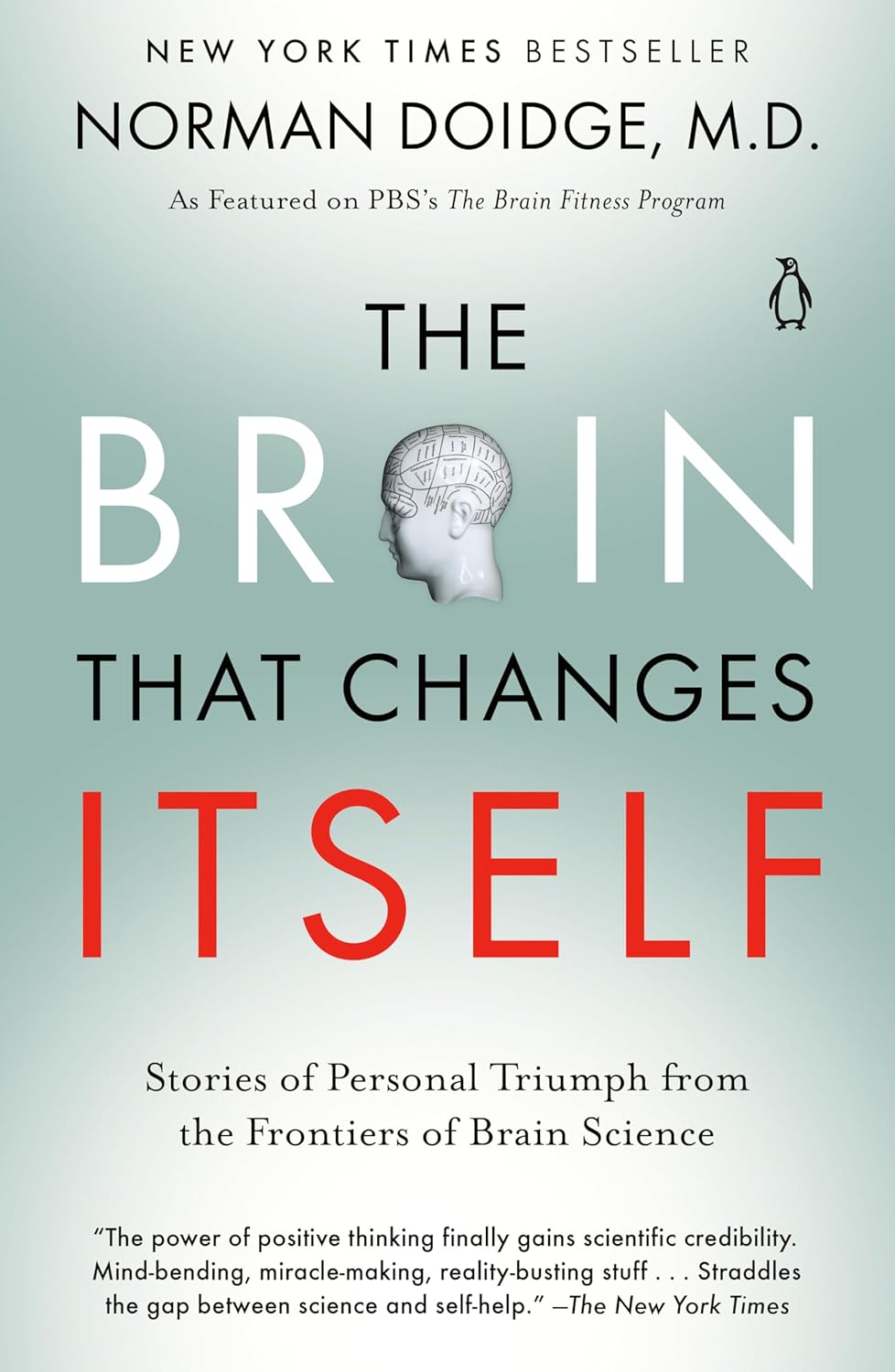
Norman Doidge tells stories of neuroplasticity research and rehabilitation, exploring how experience and injury can reshape the brain.
Emeran Mayer explains communication between the brain, digestive system and gut microbes, connecting biology with everyday gut sensations.
Jeff Nippard organises muscle-building principles into a step-by-step framework covering exercise selection, training progression and nutrition.

Dermatologist Anjali Mahto explains common skin concerns and skincare ingredients, helping readers make sense of products and routines.
Lisa Mosconi examines the relationship between nutrition and brain health, pairing explanations of brain biology with dietary guidance.
James Nestor investigates breathing through reporting, personal experiments and encounters with researchers and practitioners around the world.
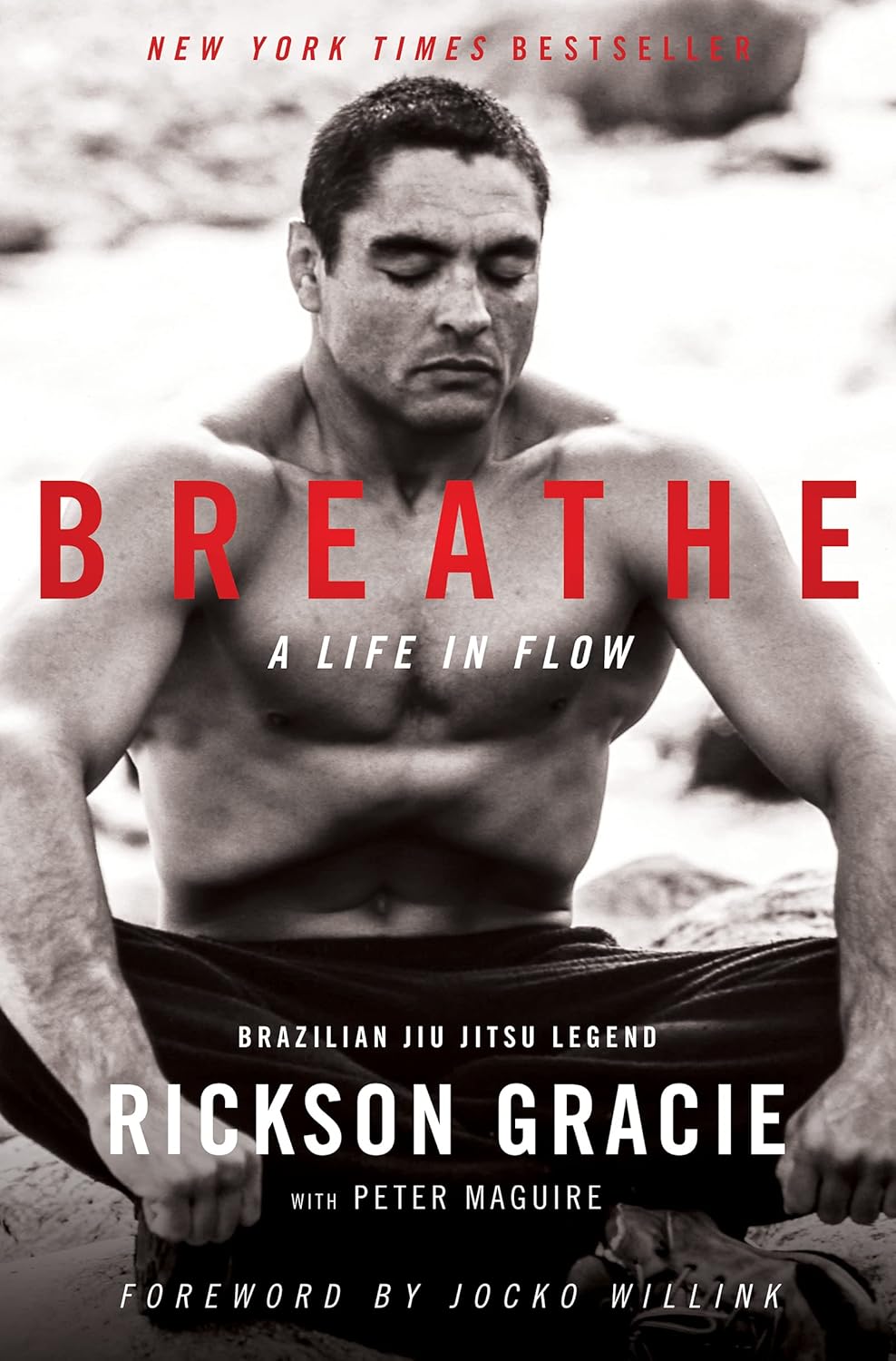
Rickson Gracie's memoir traces his family, martial-arts career and the role of breathing and composure in his approach to fighting.
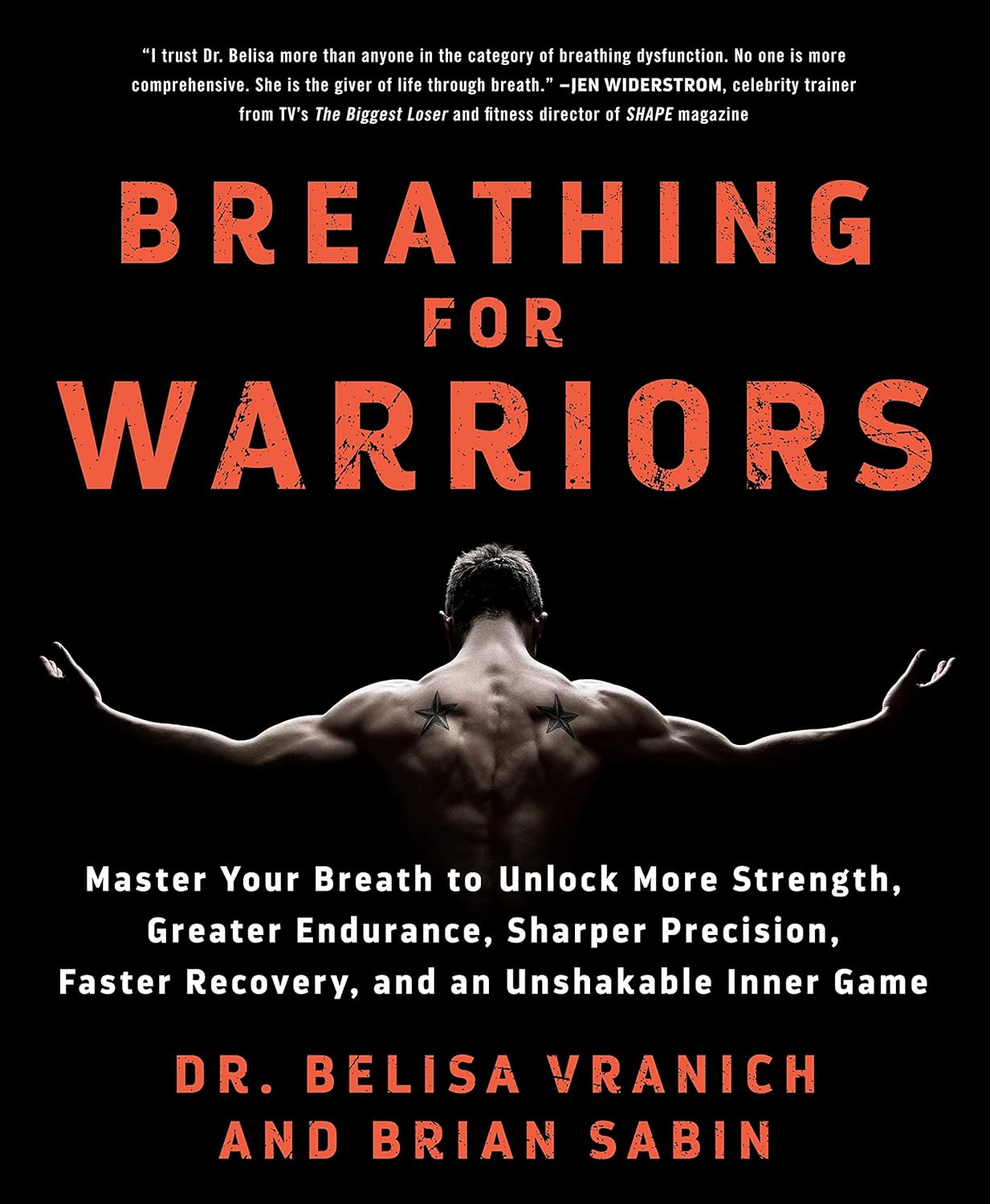
Belisa Vranich and Brian Sabin present breathing mechanics and exercises aimed at people with demanding physical activities.

Scott Hogan's approach to rebuilding training around joint health, corrective exercise and gradual strength development after setbacks.
Rahul Jandial draws on brain surgery and neuroscience to discuss memory, creativity and the workings of the mind.
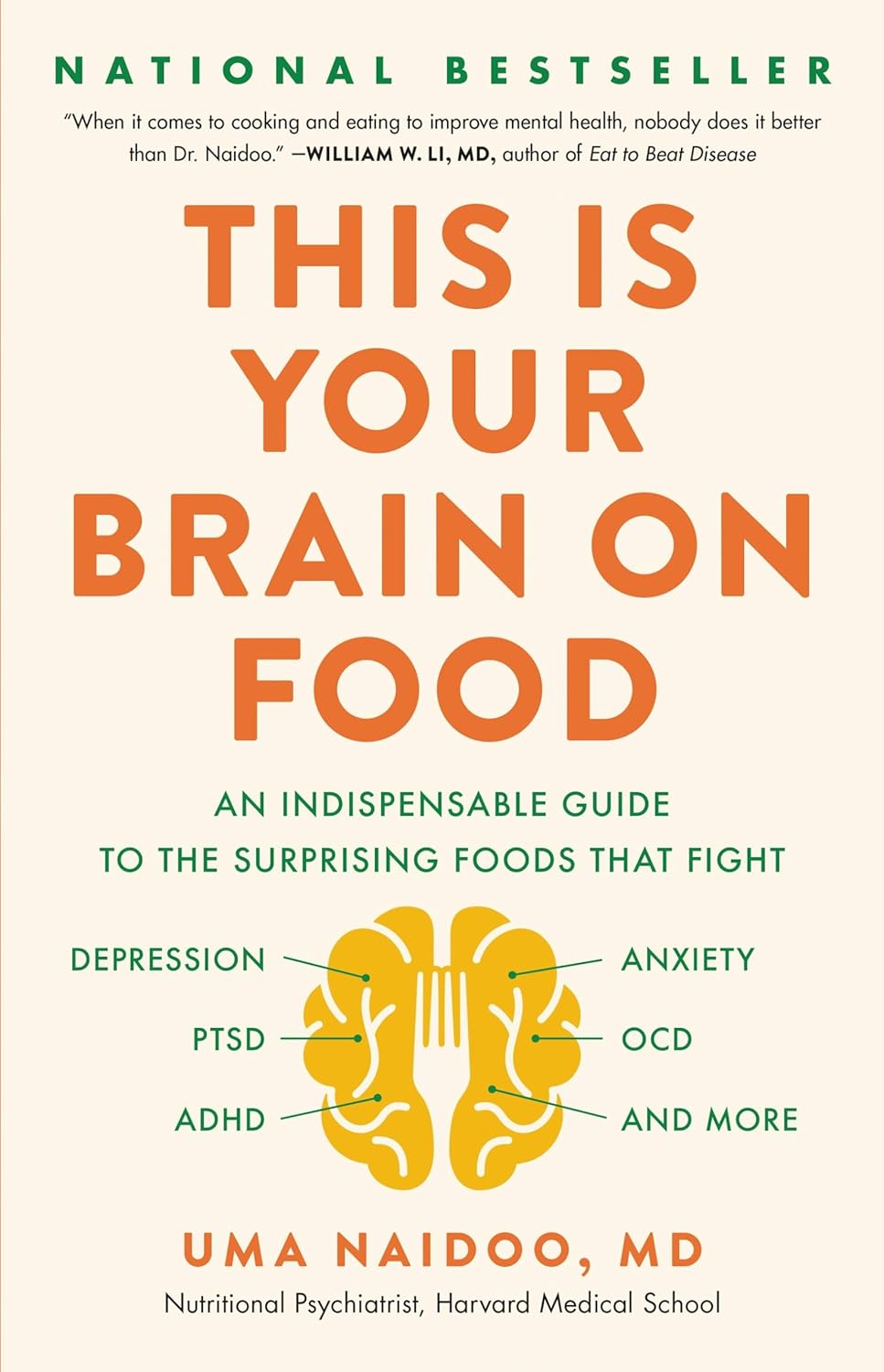
Psychiatrist Uma Naidoo examines research connecting diet with mental health, with food guidance organised around different conditions.
Matthew Walker explains sleep stages, dreaming and research on sleep's relationship with memory, mood and physical health.
Aviva Romm's guide to menstrual and hormonal health, with a programme built around food, lifestyle and symptom awareness.
Jason Fung and Jimmy Moore explain different fasting schedules and present their approach to using them for weight and metabolic concerns.
Ari Whitten connects nutrition, daily rhythms and mitochondrial biology in his approach to fatigue and energy management.
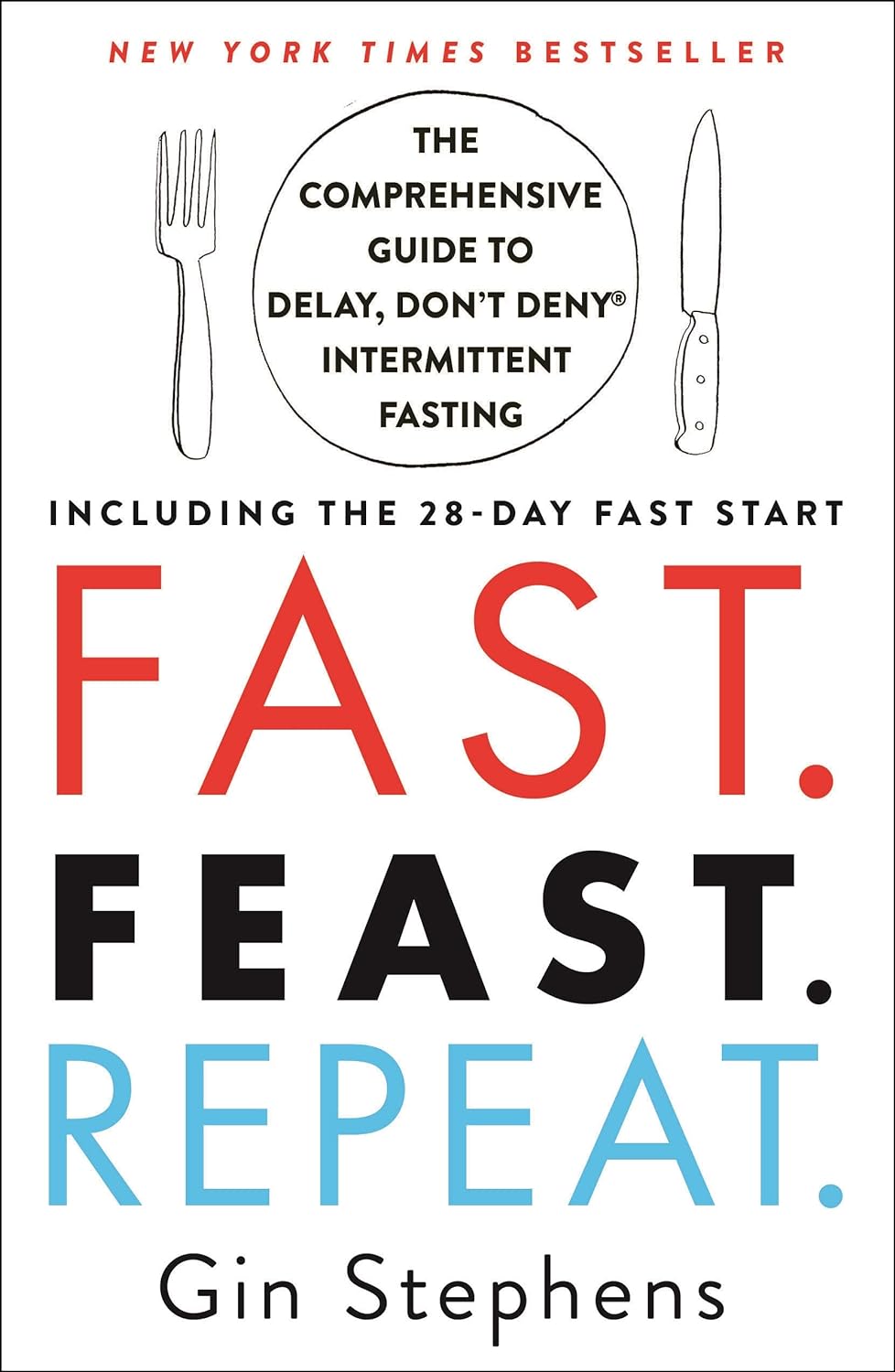
Gin Stephens describes how to organise eating windows and fit intermittent fasting into daily life, drawing on her own experience.
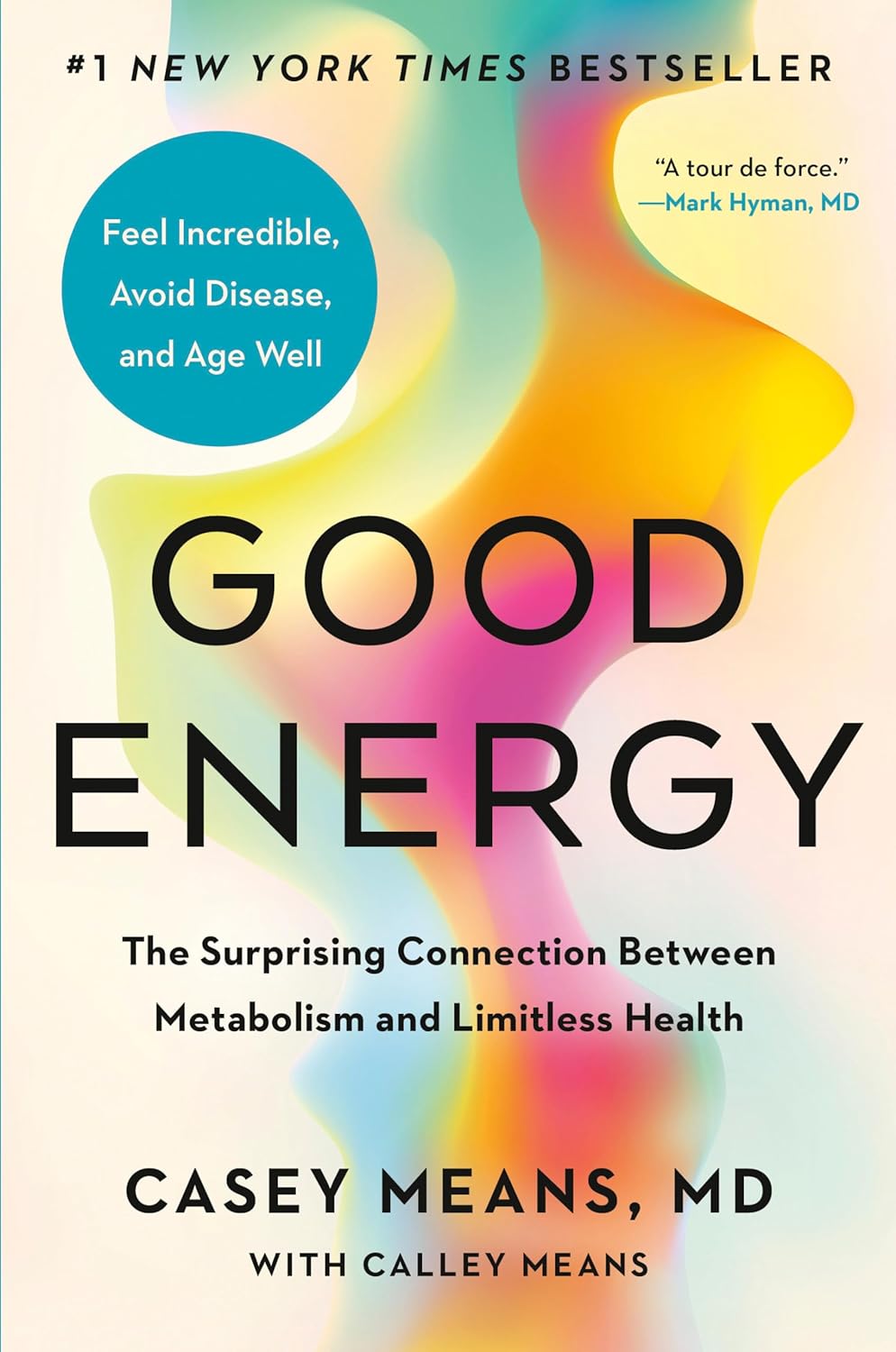
Casey Means presents metabolic health as a lens for understanding illness, connecting cellular energy with food, sleep and movement.
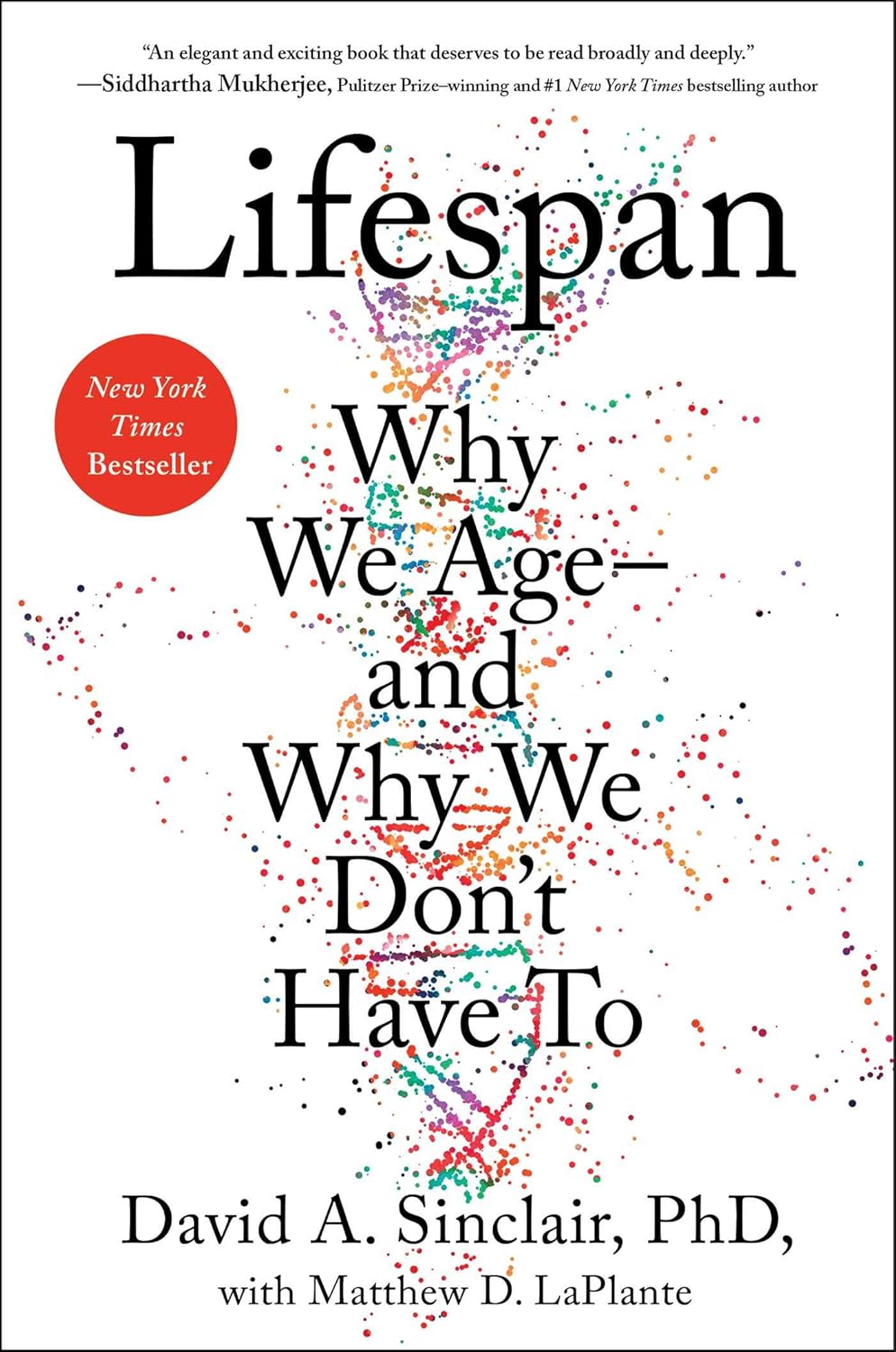
David Sinclair presents his theory of ageing and describes research into cellular regulation, genetics and possible longevity interventions.
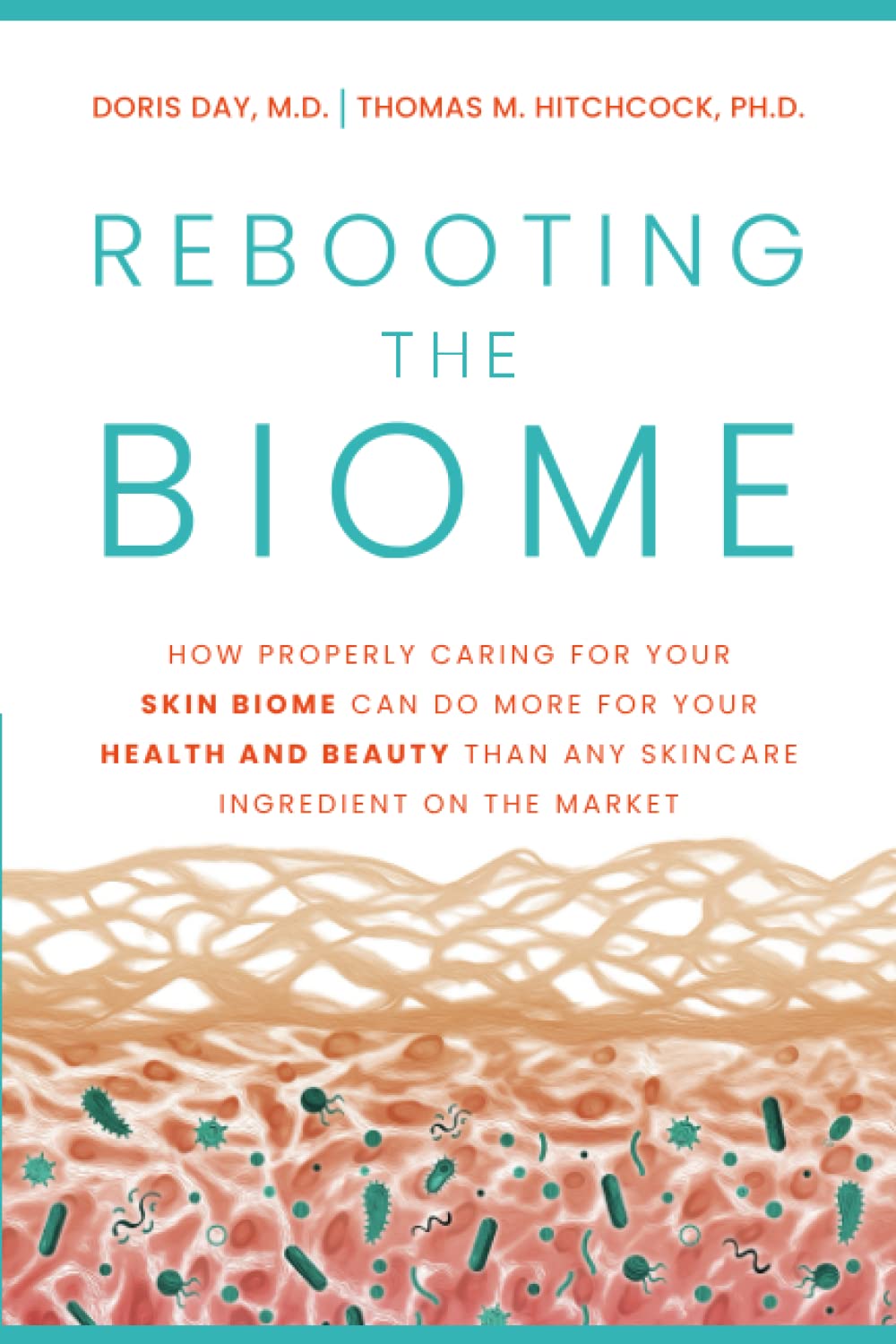
Doris Day and Thomas Hitchcock examine the skin as an ecosystem, focusing on the relationship between microbes and skincare.
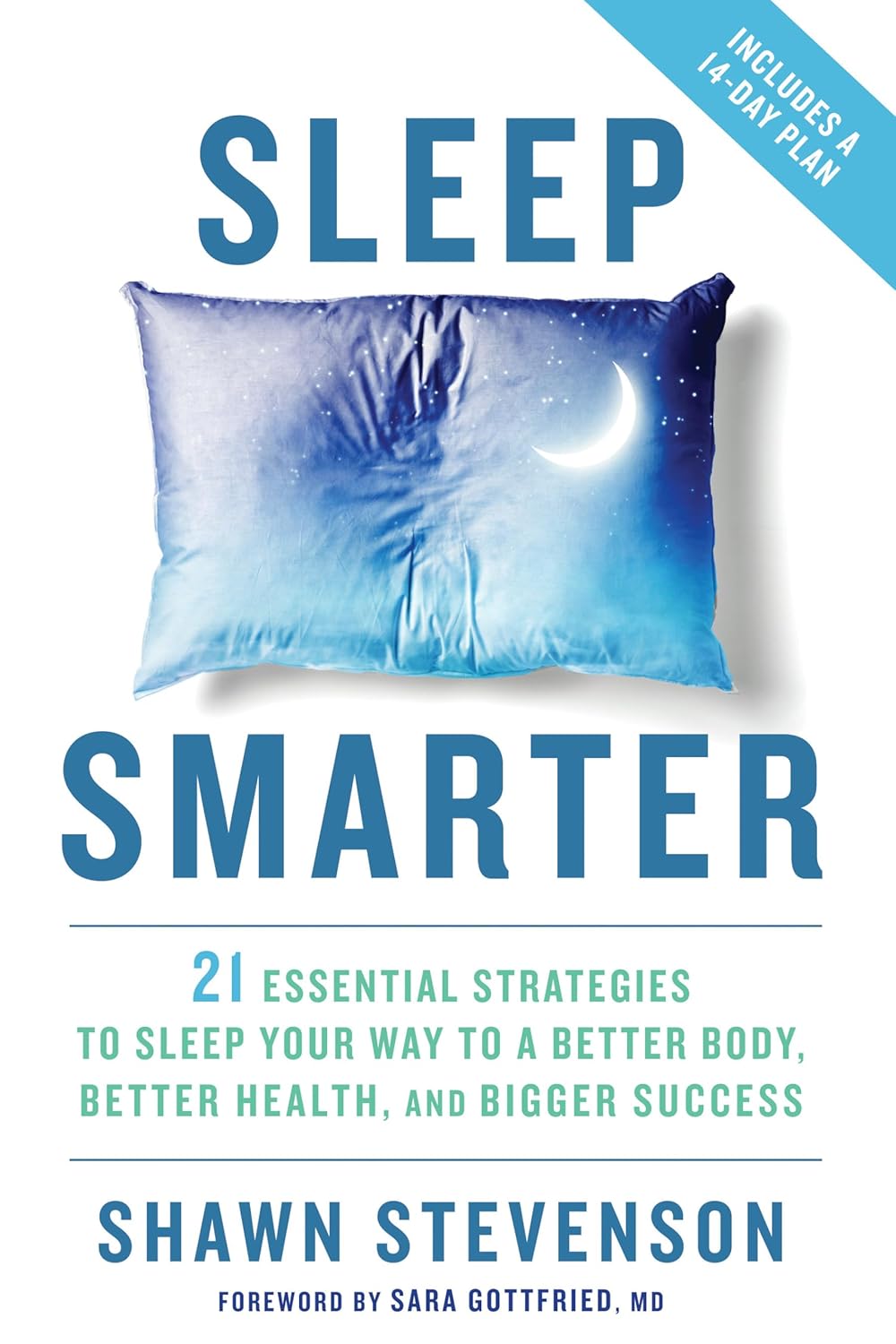
Shawn Stevenson offers practical sleep-habit advice, including bedroom conditions, daily routines and the timing of light and activity.
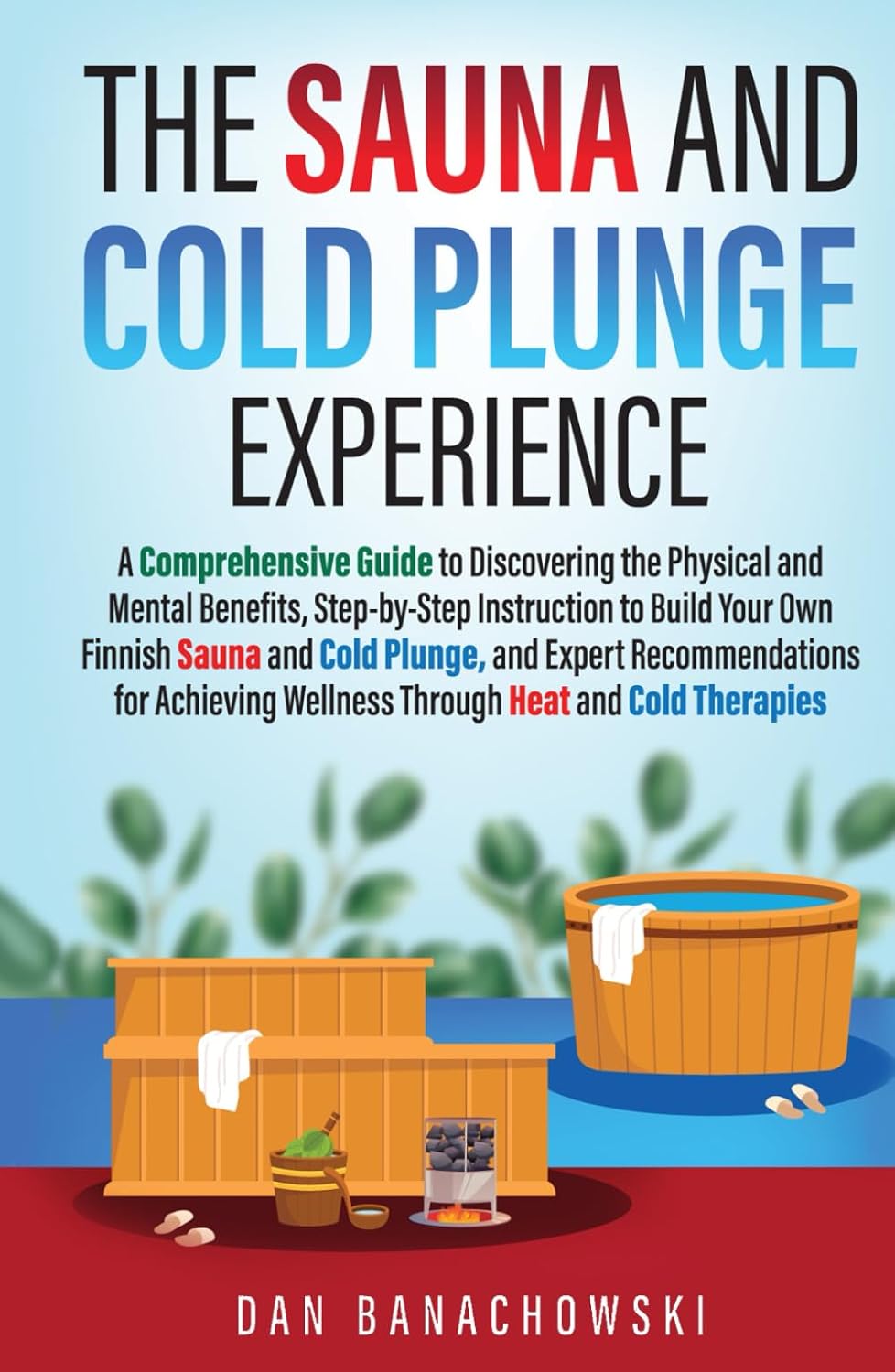
Dan Banachowski introduces sauna and cold-plunge routines, discussing equipment, heat and cold exposure, and the benefits he proposes.
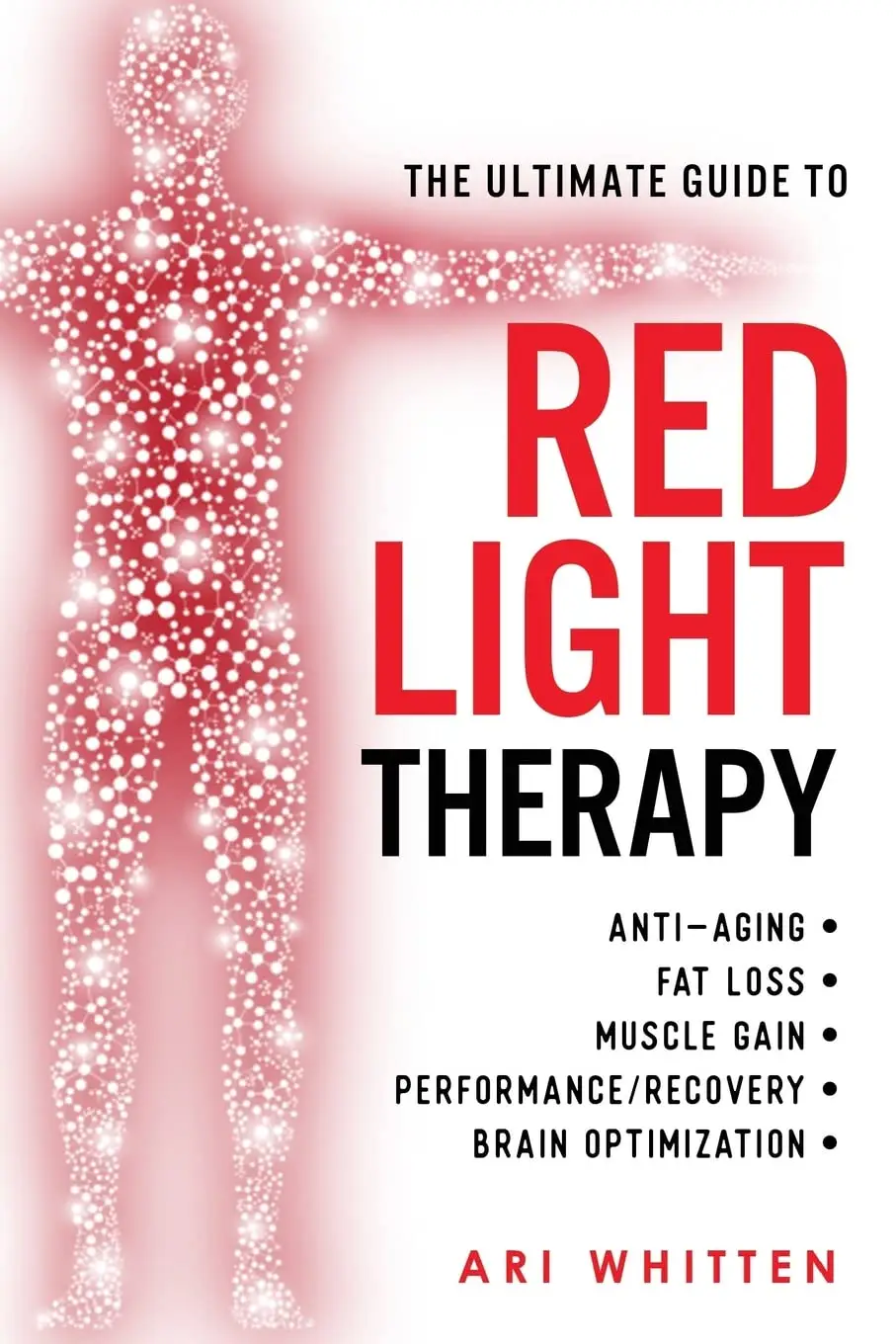
Ari Whitten introduces red and near-infrared light, discussing research, device choices and practical considerations for light-therapy sessions.
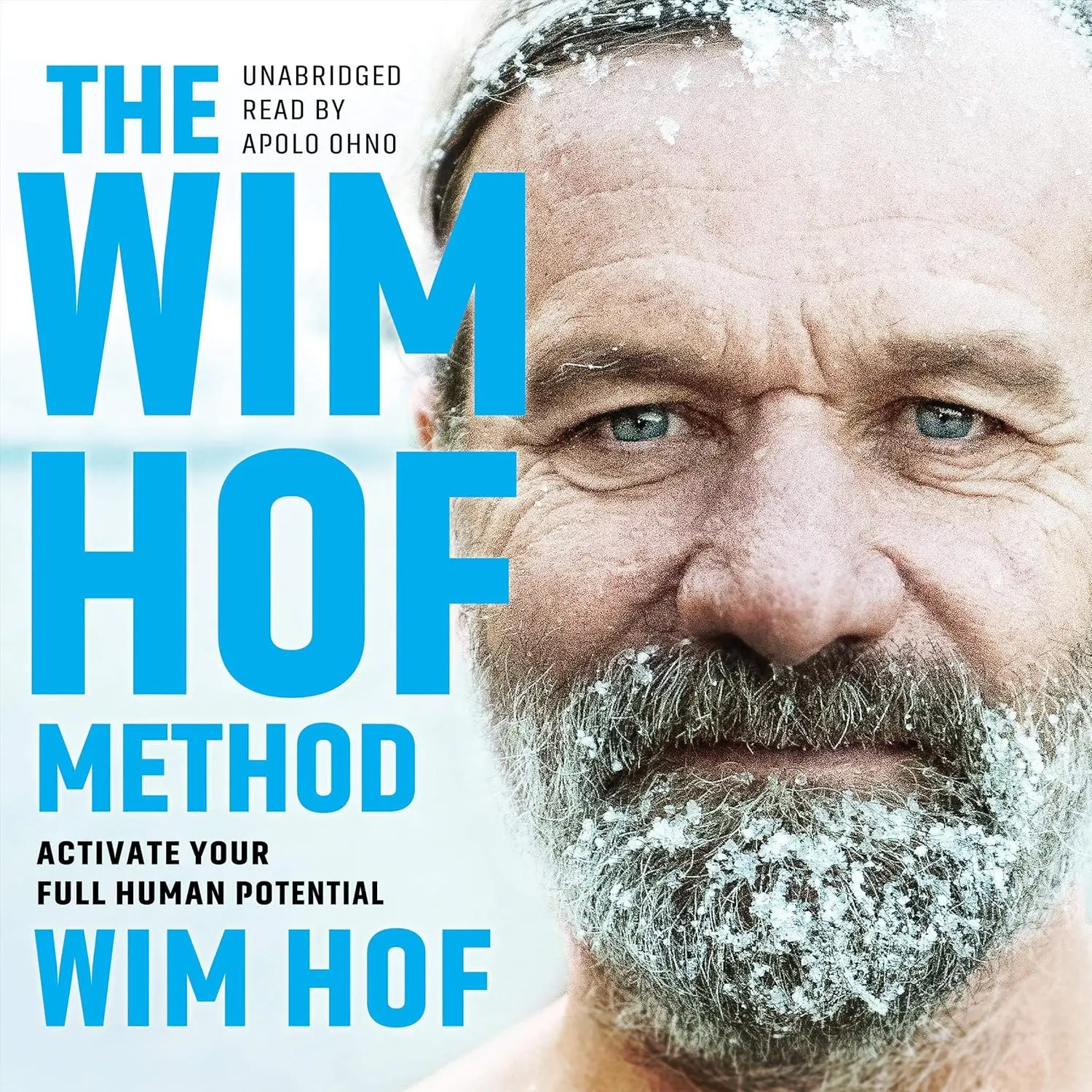
Wim Hof describes the breathing exercises, cold exposure and mental focus that form his method, alongside his personal story.
Timotheus Ray's guide to testosterone, covering lifestyle habits and the author's approach to male hormone optimisation.
Alisa Vitti proposes organising food, exercise and daily routines around phases of the menstrual cycle.
Mindy Pelz proposes fasting schedules adapted to hormonal changes, including menstrual-cycle timing, with a structured introductory programme.

Karen Fischer combines skincare-focused nutrition advice with recipes adapted to different food sensitivities and dietary preferences.
Ryker Black presents a sauna-use handbook centred on his interpretation of heat exposure and longevity research.
Michael P. Cohen introduces neurofeedback, describing how training sessions work and the uses advocated in his practice.
William Davis presents a gut-focused programme combining food changes, fermented foods and recipes intended to alter the microbiome.
Justin Glaser examines sweating and heat exposure, making a case for their role in his approach to health and longevity.
Susan Blum presents a functional-medicine programme for autoimmune concerns, organised around food, stress, digestion and liver health.
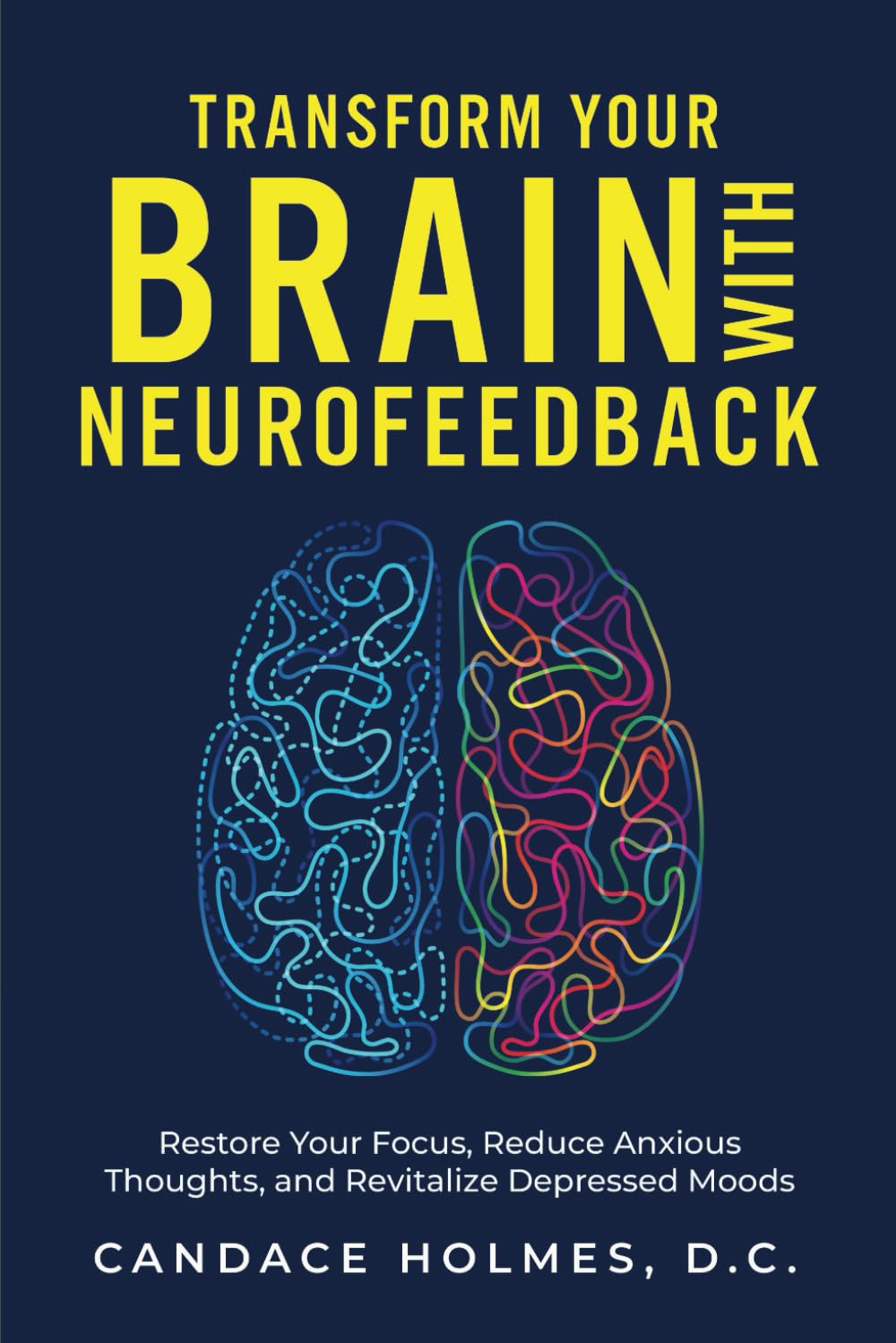
Candace Holmes introduces neurofeedback through her practice and family experience, explaining the process and the outcomes she attributes to it.
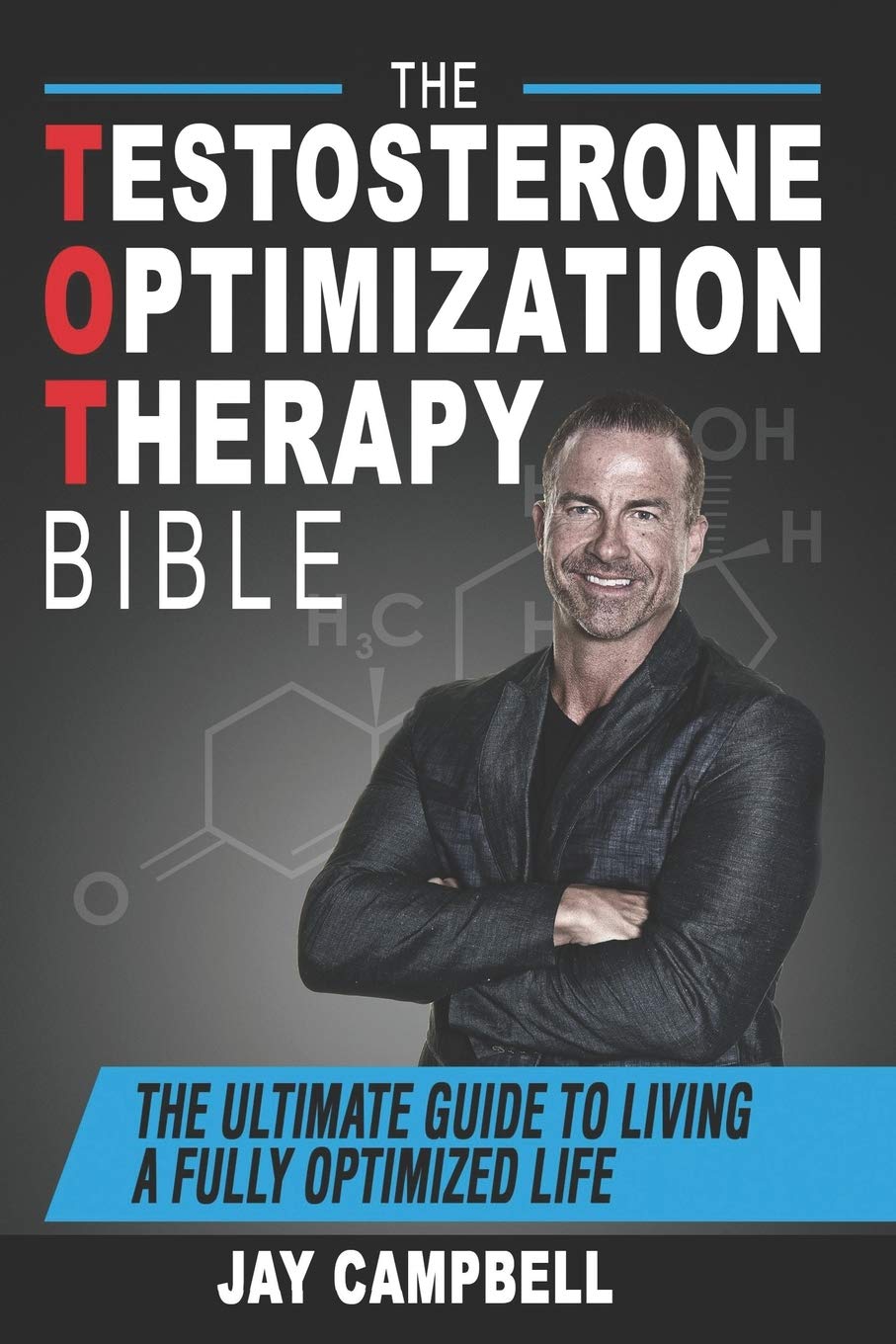
Jay Campbell's discussion of testosterone therapy, presenting interviews and arguments for medically supervised hormone treatment.
Steven Gundry presents his view of the gut microbiome and proposes dietary changes based on its relationship with the wider body.
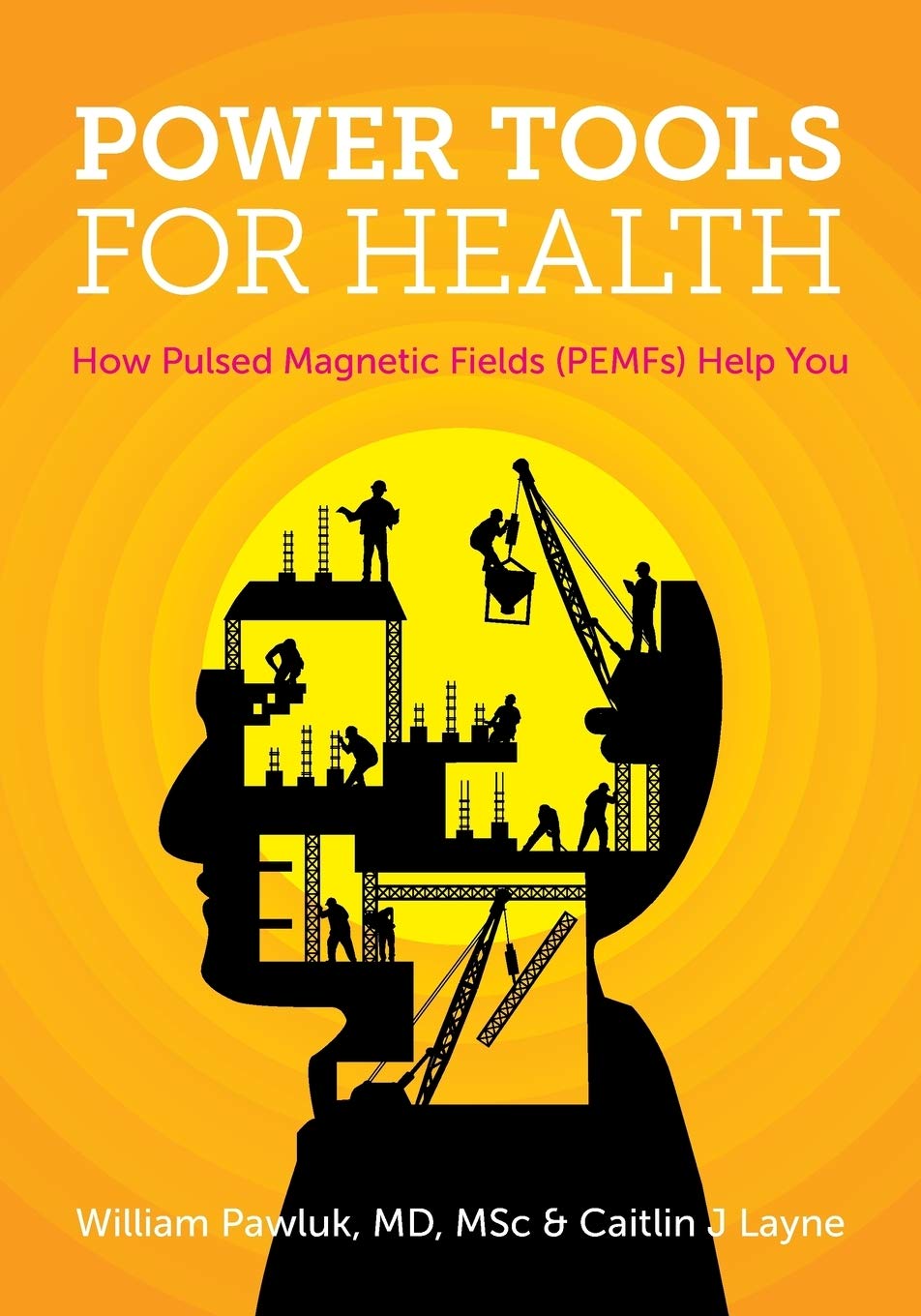
William Pawluk and Caitlin Layne describe PEMF devices and their proposed applications for pain, recovery and other health concerns.
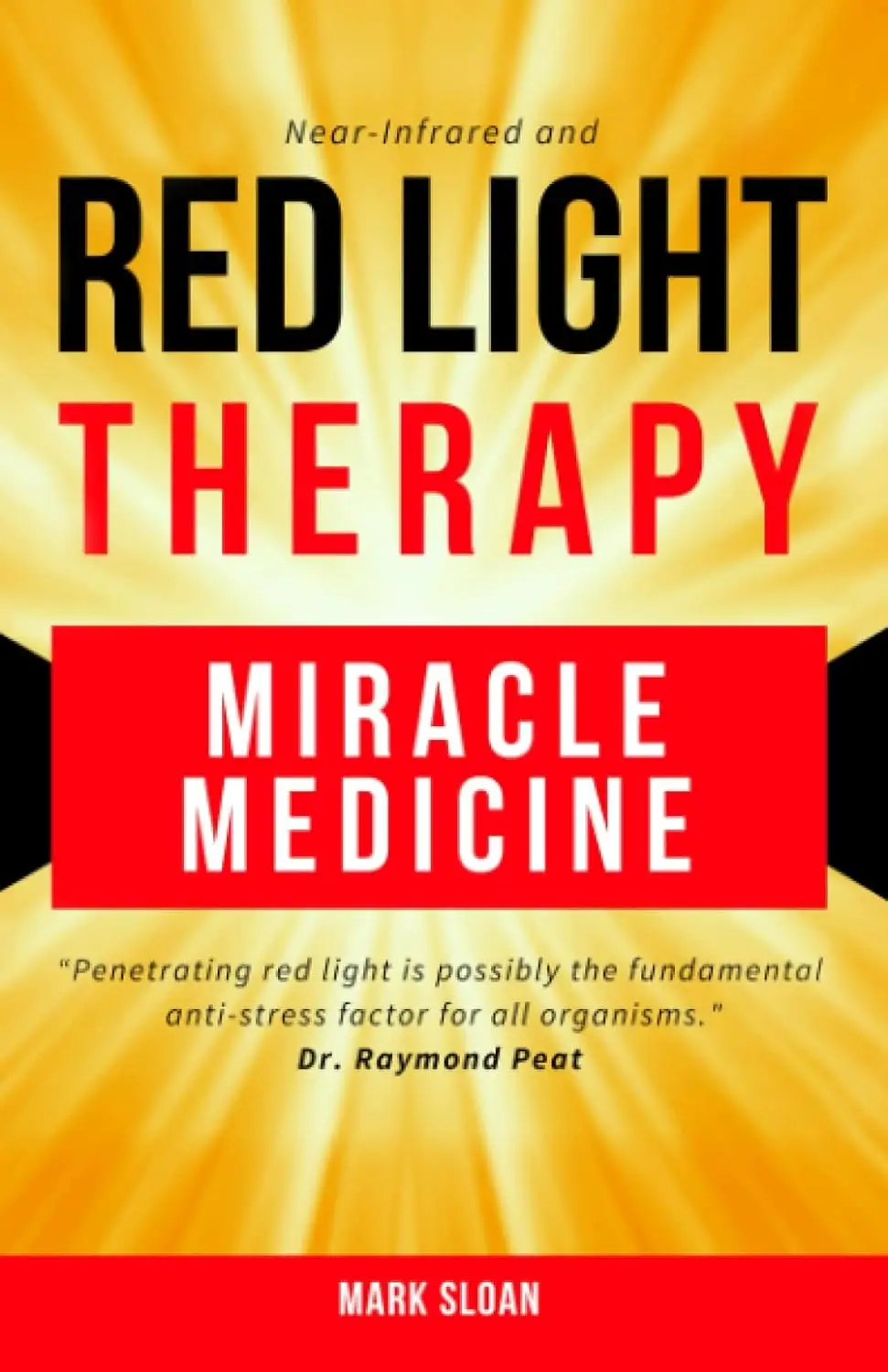
Mark Sloan argues for therapeutic uses of red light, describing proposed mechanisms and applications across a range of conditions.
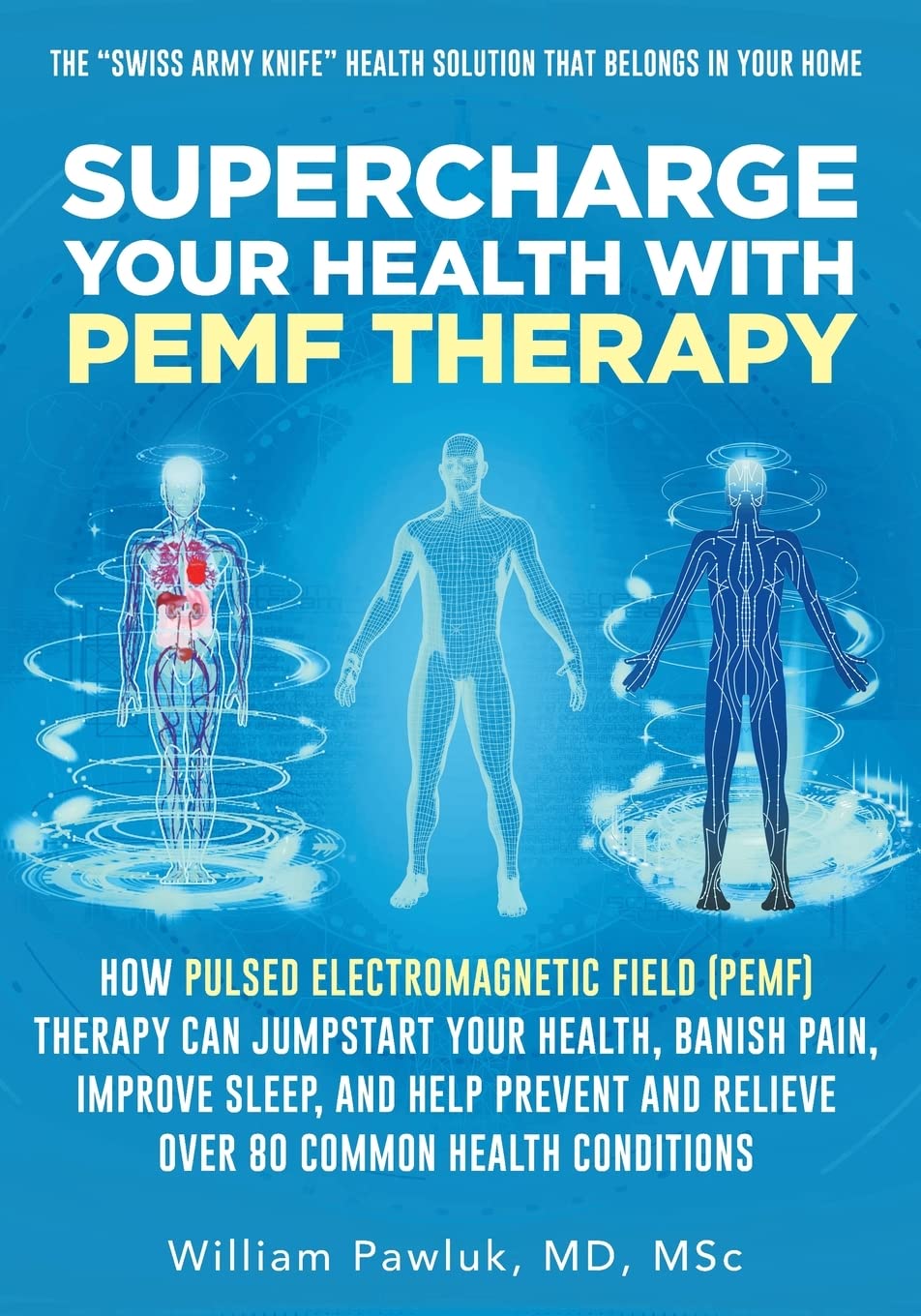
William Pawluk introduces PEMF technology, discusses equipment selection and presents the health applications he advocates.
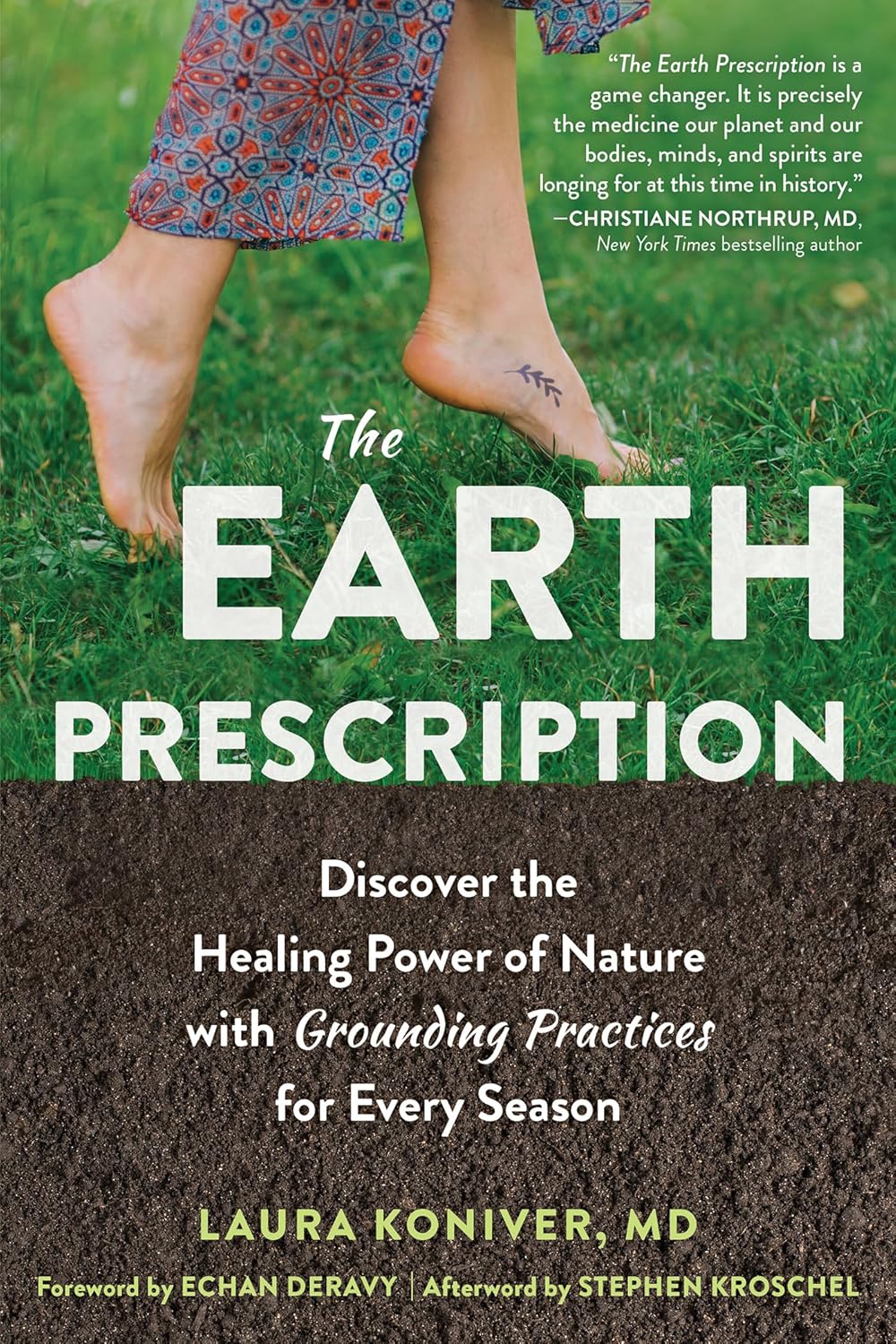
Laura Koniver combines outdoor activities with her advocacy of grounding, offering ways to spend more time in contact with nature.
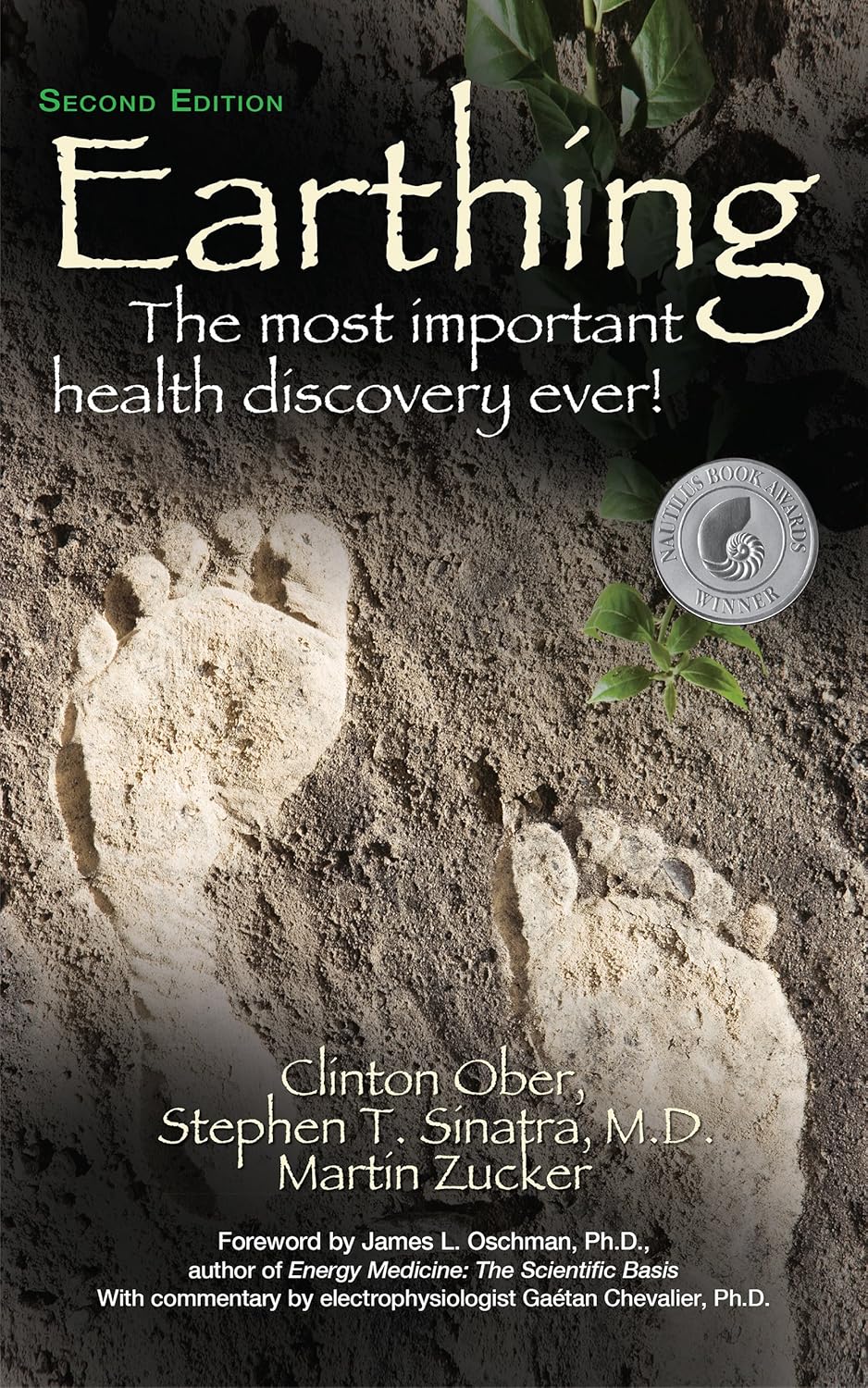
Clinton Ober and his coauthors make the case for grounding, proposing health effects from electrical contact with the Earth.
Bryant Meyers presents his case for pulsed electromagnetic field therapy and its proposed role in health and wellness.
Anthony William presents his alternative explanations for brain-related symptoms and dietary protocols. These claims are not established medical guidance.