Supplement
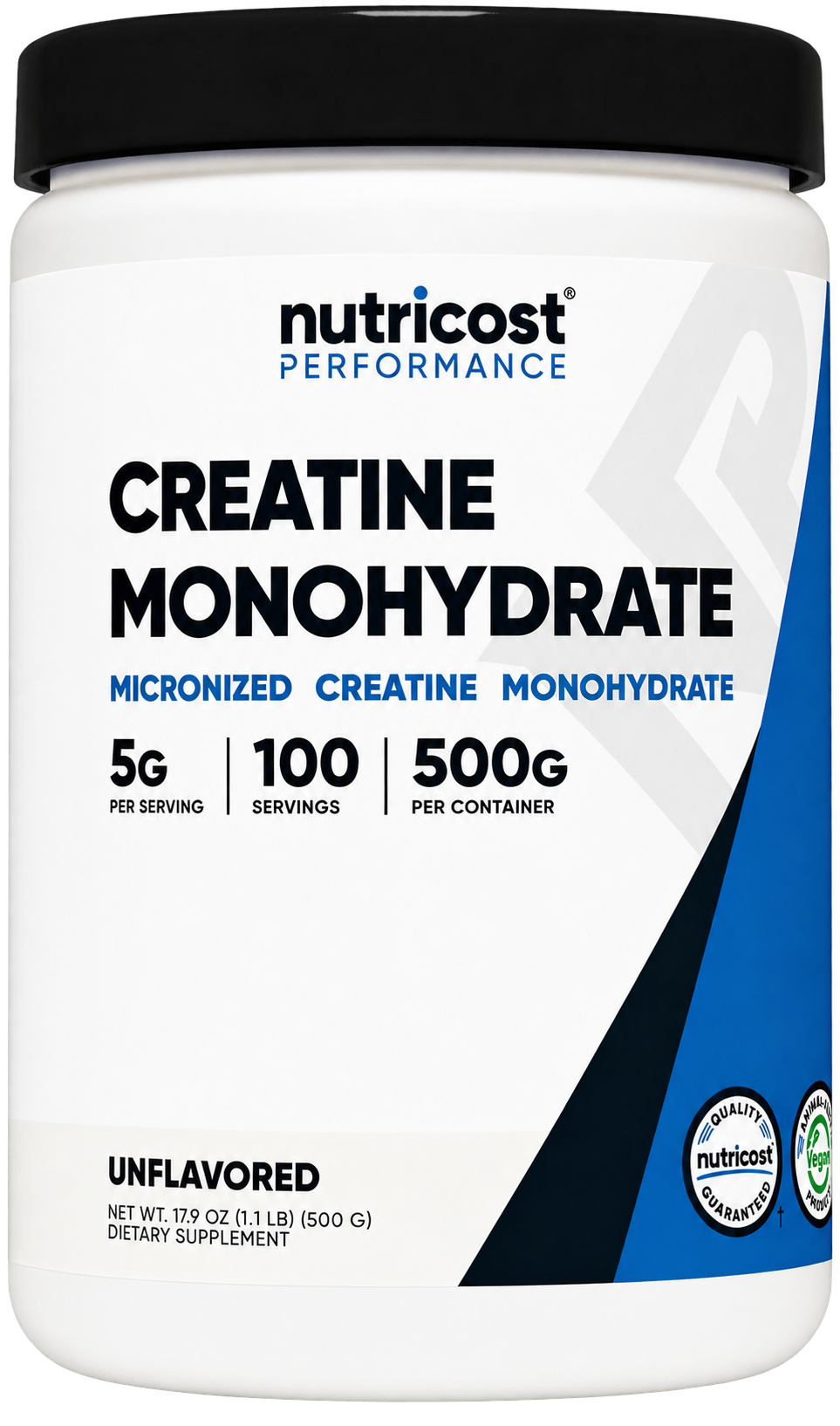
Creatine monohydrate
A compound stored in muscle that helps supply energy during short, intense efforts. Supplementation can support strength-training performance.
$23.97USD
Search the library
Browse ingredients by family or by health subject.
Iron, Magnesium L-threonate, Vitamin B12
3 entries Protein & amino acidsAcetyl-L-carnitine, Creatine monohydrate, L-theanine
3 entries Plant & mushroom ingredientsAshwagandha, Lion's mane, Lutein
4 entries Other supplement ingredientsOmega-3
1 entriesProtein supplies amino acids for building and repairing tissues; the related compounds here have different roles.
Proteins help build and repair your tissues. Your body also uses them to make enzymes that carry out chemical reactions. Digestion breaks protein into smaller pieces called amino acids, which your body reuses. Some amino acids must come from food because your body cannot make them.
Foods such as eggs, beans, fish and dairy supply protein. A protein powder offers a convenient way to add some when meals fall short. This section also includes individual amino acids and related compounds with different jobs. Creatine, for example, helps supply energy for short, intense efforts; it does not replace dietary protein.
Prices in USD. Estimated ranges are sorted by their starting price.
Catalogue groupings describe the entries; they do not establish effectiveness.
A compound stored in muscle that helps supply energy during short, intense efforts. Supplementation can support strength-training performance.
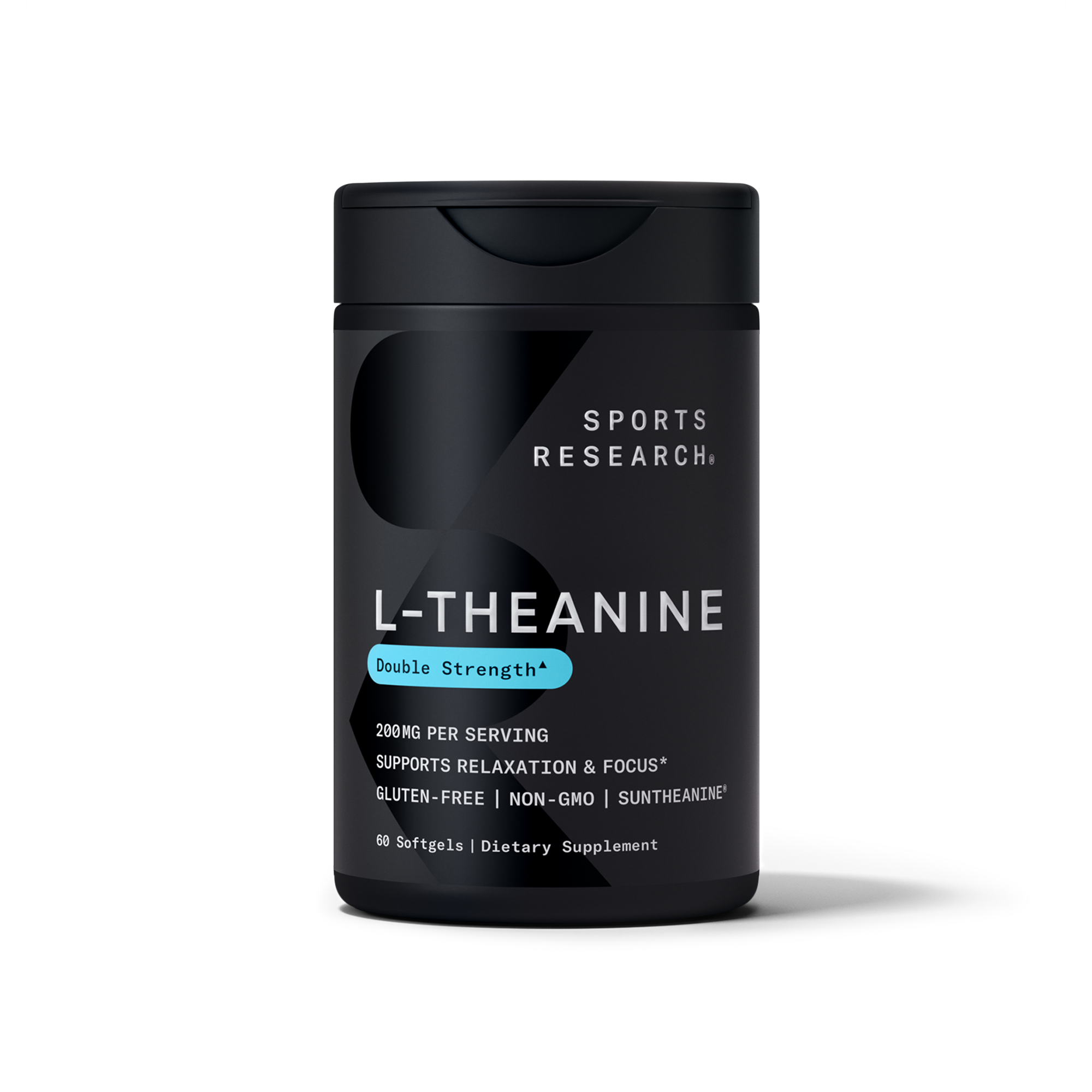
An amino acid found in tea, studied for relaxation and attention, sometimes in combination with caffeine.
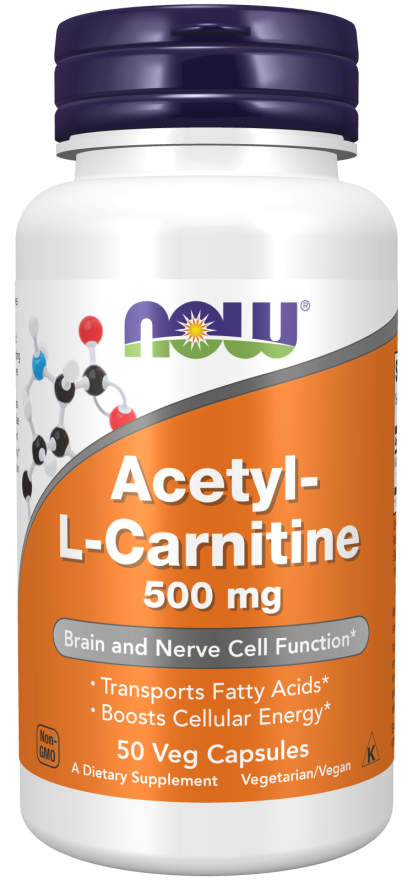
An acetylated form of carnitine sold for cognitive and cellular-energy support. Its role in metabolism does not establish a noticeable energy boost.